
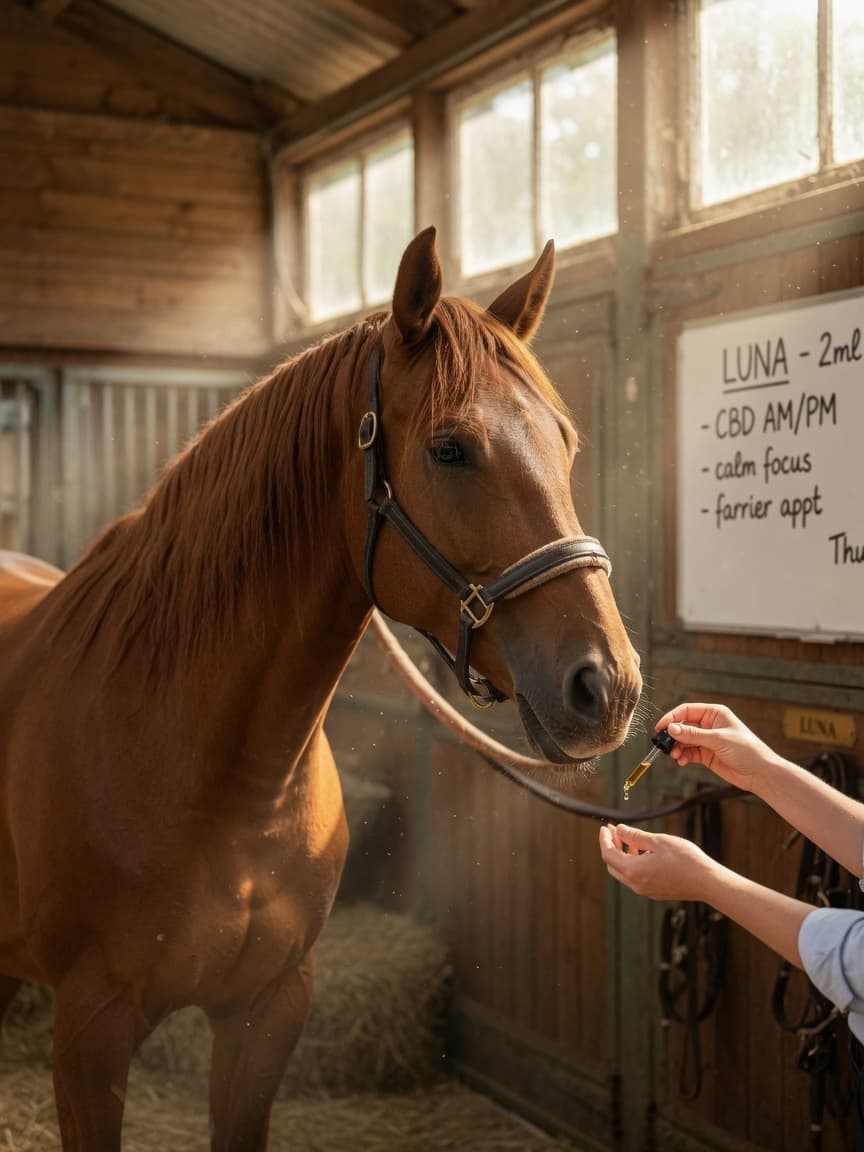
Horses are naturally sensitive, flight-oriented animals whose nervousness can escalate rapidly in response to unfamiliar environments, loud noises, or stressful situations. Whether your horse struggles with trailer anxiety, competition nerves, or general spookiness, you've likely searched for safe, effective solutions. CBD oil has emerged as a promising supplement for equine anxiety management, offering a natural alternative to traditional pharmaceuticals. This comprehensive guide explores the science behind CBD for horses and provides practical information to help you make an informed decision about your animal's wellbeing.
Understanding Equine Anxiety and Its Impact
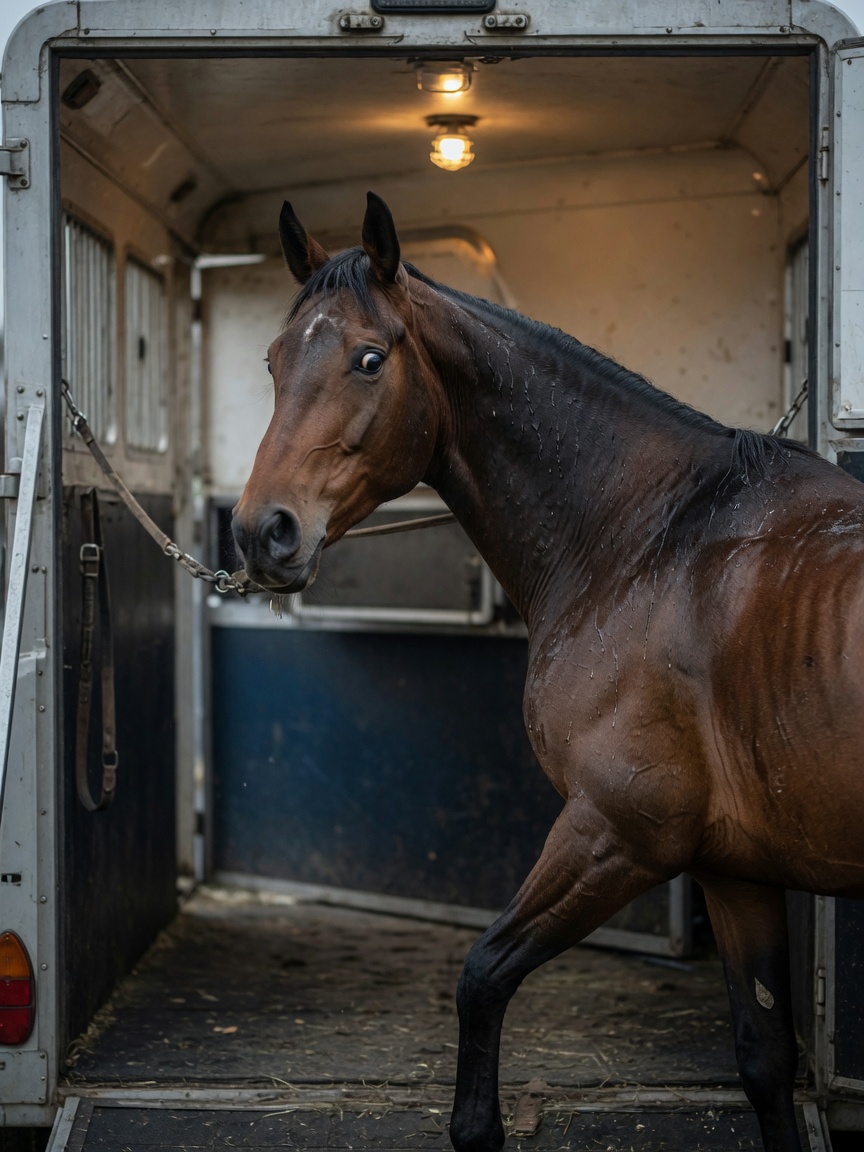
Anxiety in horses manifests through recognisable behaviours: excessive sweating, restlessness, refusal to load into trailers, bolting, or aggressive reactions. Unlike humans, horses cannot communicate their fear verbally, making early recognition crucial. Chronic stress affects their physical health, weakening immunity and causing digestive issues. The economic impact is significant too—anxious horses may become unsuitable for riding or competing, affecting their quality of life and your investment.
What Is CBD and How Does It Work?
CBD (cannabidiol) is a naturally occurring compound found in cannabis plants. Unlike THC, CBD is non-intoxicating and doesn't produce a "high." In horses, CBD interacts with the endocannabinoid system, which regulates stress responses, mood, and anxiety. Research suggests CBD may increase serotonin signalling and reduce cortisol (stress hormone) levels, creating a calming effect without sedation.
The compound works throughout several hours, making it suitable for planned stressful events like competitions or veterinary procedures. Many horse owners report improved focus and responsiveness rather than drowsiness.
Evidence and Research Supporting CBD for Horses
Whilst equine-specific research remains limited compared to human studies, preliminary evidence is encouraging. Studies on rodents and humans demonstrate CBD's anxiolytic (anxiety-reducing) properties. Veterinary professionals increasingly recognise CBD as a legitimate wellness tool, particularly for:
- Trailer loading anxiety
- Show or competition nerves
- Separation anxiety from pasture mates
- Post-traumatic stress responses
- Age-related anxiety in senior horses
The British Equine Veterinary Association acknowledges emerging research, though they recommend consulting your veterinarian before introducing any supplement.
Practical Dosing and Administration Guidelines
CBD for horses comes in several formats: oils, treats, pellets, and pastes. Dosing typically ranges from 0.25 to 0.5 mg per kilogram of body weight, though requirements vary by individual horse and product concentration. A 500-kilogram horse might receive 125–250 mg daily.
Key administration tips include:
- Start with lower doses and observe your horse's response over 2–4 weeks
- Administer CBD consistently rather than sporadically for optimal results
- Mix liquid oils into feed if your horse dislikes direct oral administration
- Allow 30–60 minutes for CBD to take effect before stressful events
- Source products from reputable suppliers offering third-party testing
Combining CBD with Behavioural Management
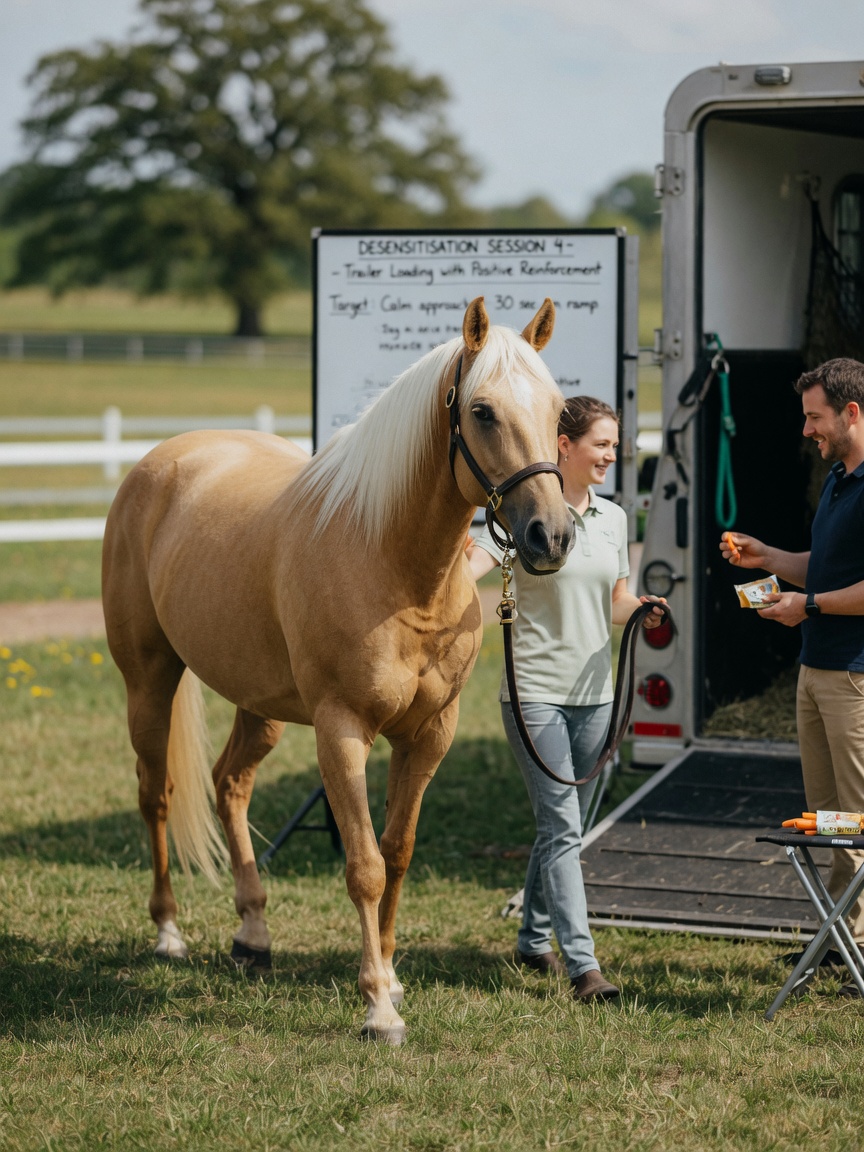
CBD works best as part of a comprehensive anxiety management strategy. Supplement it with desensitisation training, consistent handling, and environmental adjustments. For example, if your horse fears trailers, combine CBD with gradual trailer exposure and positive reinforcement. This integrated approach addresses both biochemical and behavioural components of anxiety.
Safety Considerations and When to Consult Your Vet
CBD is generally well-tolerated in horses with minimal side effects. However, inform your veterinarian before use, particularly if your horse takes other medications, as CBD may interact with certain pharmaceuticals metabolised by the liver. Pregnant or nursing mares should avoid CBD until further research clarifies safety.
Discontinue use and seek professional advice if you notice unusual drowsiness, digestive upset, or behavioural changes.
Key Takeaways
CBD oil offers a promising, natural approach to managing equine anxiety when used thoughtfully. Evidence supports its calming properties, and most horses tolerate it well. Success depends on consistent dosing, quality products, veterinary guidance, and combined behavioural strategies. Whilst CBD isn't a miracle cure, many horse owners report meaningful improvements in their animals' confidence and calmness, leading to safer, more enjoyable partnerships both at home and in competition.