
Best Supplements for Senior Dogs: Evidence-Based Guide
By Julia Wrenfield, Pet Wellness Researcher — June 25, 2026
- Dogs are generally considered "senior" from age 7–8 (large breeds) or 9–10 (small breeds).
- Joint degeneration, cognitive decline, and oxidative stress are the three primary age-related challenges supplements can address.
- Not all supplements are created equal — quality, dose, and formulation determine whether a product delivers real benefit.
- Always consult your veterinarian before starting any supplement, particularly if your dog takes prescription medication.
Watching a beloved dog slow down is one of the bittersweet realities of pet ownership. Senior dogs often move a little more stiffly in the morning, tire more quickly on walks, and may begin showing subtle signs of cognitive changes. The encouraging news is that a growing body of veterinary research supports the use of targeted nutritional supplements to support aging dogs’ joints, brain, liver, and gut — and to extend their comfortable, active years. This guide reviews the most evidence-backed options available, so you can make informed decisions alongside your vet.
Evidence Summary Table
| Supplement | Primary Benefit | Evidence Level |
|---|---|---|
| Glucosamine & Chondroitin | Joint cartilage support, reduced OA pain | Moderate (mixed trials, positive clinical use) |
| Omega-3 Fish Oil (EPA/DHA) | Anti-inflammatory, cardiac, cognitive, coat | Good (multiple RCTs in dogs) |
| Vitamin E | Antioxidant, immune support | Moderate (supportive evidence) |
| Vitamin C | Antioxidant, collagen synthesis | Low-Moderate (dogs synthesize own; supplemental benefit situational) |
| CoQ10 | Mitochondrial energy, cardiac function | Low-Moderate (promising; limited dog-specific trials) |
| Probiotics | Gut microbiome balance, immune modulation | Moderate (species-specific strains matter) |
| SAMe (S-Adenosylmethionine) | Liver protection, cognitive support (CDS) | Good for liver; Moderate for CDS |
| CBD Oil (THC-free) | Pain/anxiety modulation, anti-inflammatory | Emerging (positive early trials; consult your vet first) |
Glucosamine and Chondroitin
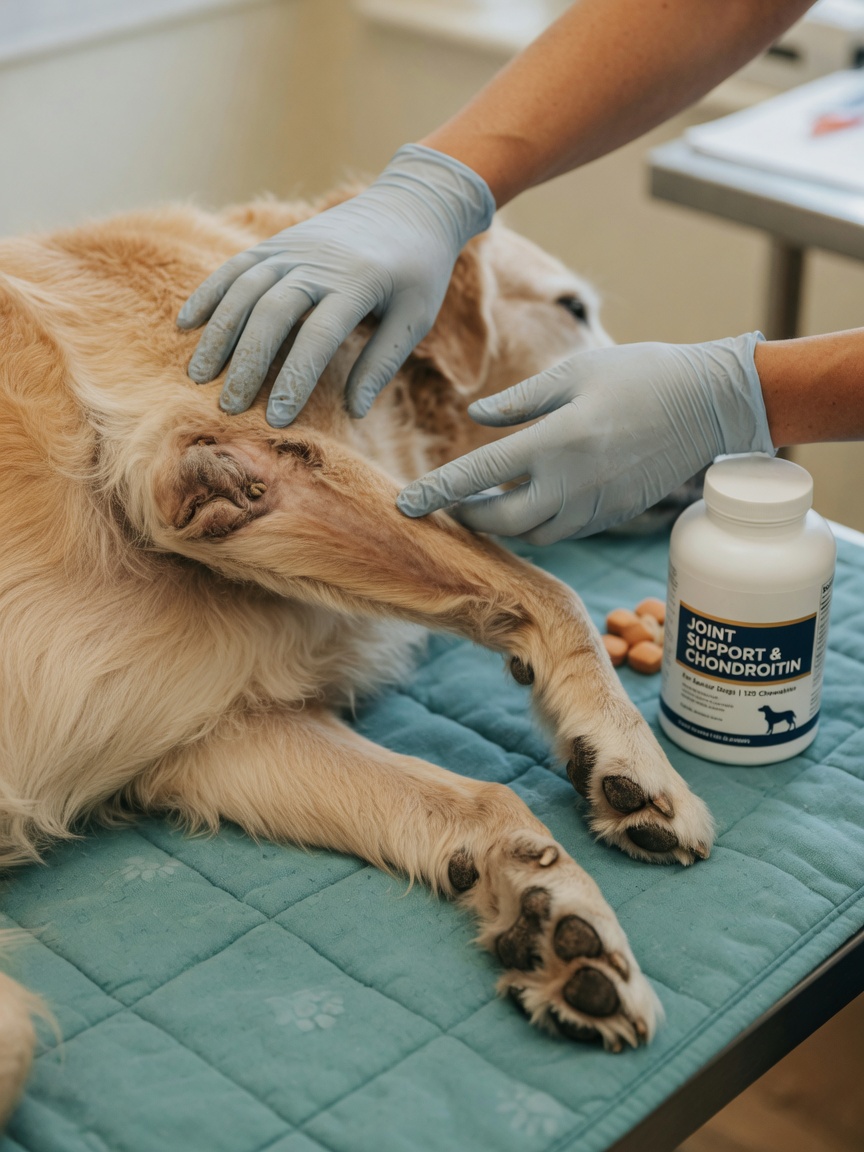
Glucosamine and chondroitin sulfate are the most commonly recommended joint supplements for dogs, and for good reason. Glucosamine is an amino sugar that serves as a building block for cartilage, while chondroitin helps inhibit the enzymes that break down cartilage and contributes to the water-retaining properties that keep joint tissue resilient. Together, they work synergistically to slow cartilage degradation in osteoarthritis (OA) and may reduce joint pain and improve mobility.
The evidence in dogs is more consistent from clinical experience than from large randomized controlled trials, partly because veterinary studies are more resource-intensive to fund. That said, a 2007 study published in the Journal of the American Animal Hospital Association showed that dogs with OA given a combination product demonstrated improved weight-bearing compared to placebo. Most veterinary orthopedic specialists continue to recommend these supplements as part of a multimodal approach to joint care.
Recommended daily doses: Glucosamine 20 mg/kg body weight; Chondroitin 15 mg/kg body weight. Products from Zooplus offer a wide range of veterinary-formulated joint supplements at competitive prices, including combination glucosamine-chondroitin products designed for large and small breeds.
Omega-3 Fatty Acids (EPA and DHA)
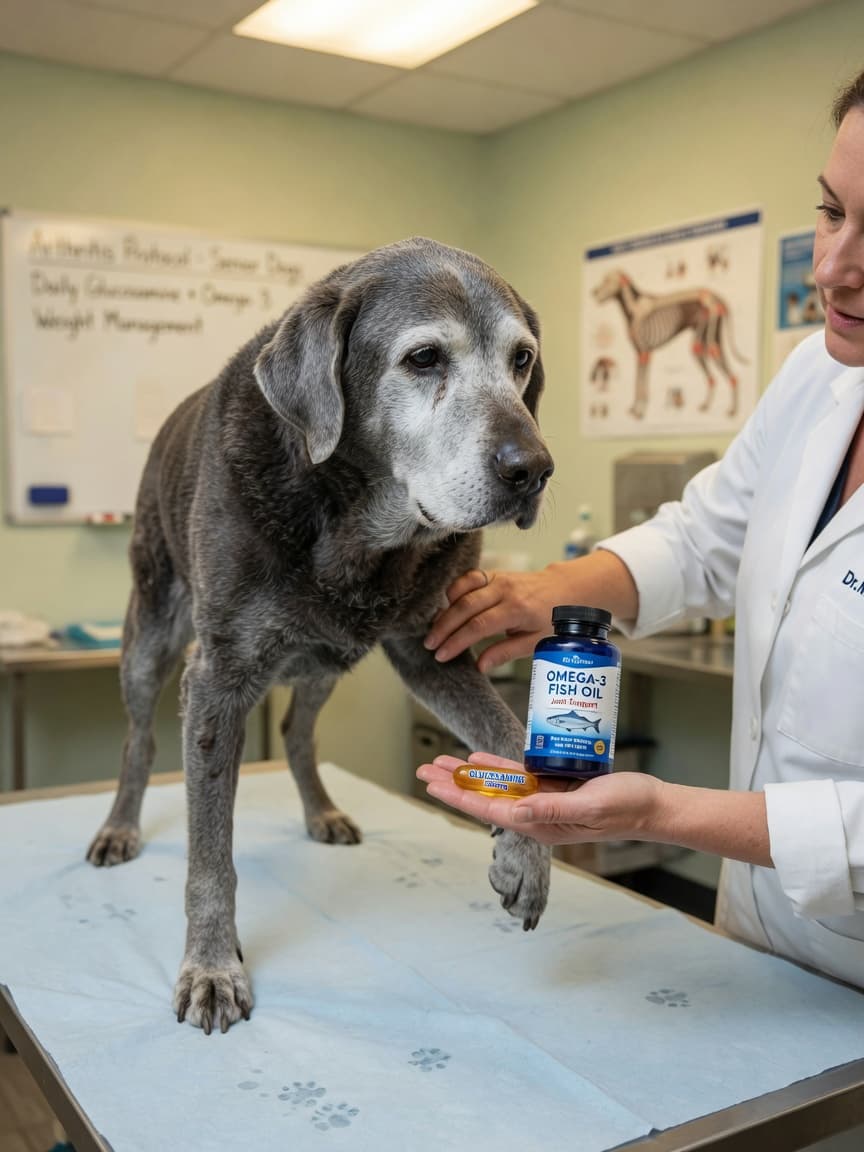
Among all supplements for senior dogs, marine-sourced omega-3 fatty acids — specifically eicosapentaenoic acid (EPA) and docosahexaenoic acid (DHA) — have the strongest overall evidence base. Studies have demonstrated significant benefits for:
- Joint inflammation: EPA competes with arachidonic acid in the inflammatory cascade, reducing the production of pro-inflammatory prostaglandins. Dogs with OA given therapeutic doses of fish oil show measurable improvements in force plate gait analysis.
- Cardiac health: Omega-3s are recommended by the American College of Veterinary Internal Medicine for dogs with dilated cardiomyopathy (DCM), where they reduce cardiac cachexia and improve survival metrics.
- Cognitive function: DHA is a structural component of neuronal membranes. Supplementation has been associated with reduced cognitive dysfunction syndrome (CDS) scores in aging dogs.
- Coat and skin quality: Omega-3s reduce transepidermal water loss and improve the shine and condition of the coat in older dogs whose skin tends to become drier.
Plant-based sources such as flaxseed oil provide ALA (alpha-linolenic acid), which dogs convert to EPA and DHA at very low efficiency (<5%). For therapeutic effect, always choose marine-derived fish oil or algae oil, which delivers EPA and DHA directly. Quality matters: look for products that are molecularly distilled to remove heavy metals and PCBs, and that carry a third-party purity certification.
Antioxidants: Vitamins E, C, and CoQ10
Aging accelerates oxidative stress — the accumulation of free radicals that damage cell membranes, mitochondria, and DNA. Antioxidant supplementation aims to neutralize this damage and slow the aging process at the cellular level.
Vitamin E is the most important fat-soluble antioxidant in the body. Senior dogs may benefit from supplementation, particularly in combination with omega-3 fish oil (as omega-3s can increase oxidative demand if not paired with adequate antioxidants). Use natural vitamin E (d-alpha-tocopherol) rather than synthetic dl-alpha-tocopherol for better bioavailability. Standard supplemental doses range from 100–400 IU per day depending on body size; avoid excessive doses as very high vitamin E can interfere with vitamin K-dependent clotting.
Vitamin C: Unlike humans, dogs synthesize their own vitamin C in the liver. However, during illness, stress, or advanced age, endogenous production may be insufficient. Small supplemental doses (10–30 mg/kg) may support immune function and collagen synthesis without risk of toxicity, as excess is excreted in urine. Evidence is supportive but not definitive.
Coenzyme Q10 (CoQ10) is produced naturally within mitochondria and plays a central role in cellular energy production (ATP synthesis). Levels decline with age. While large-scale canine trials are lacking, CoQ10 is widely used in veterinary integrative medicine to support dogs with heart disease, those on statin-like medications, and older dogs showing general fatigue. Starting doses of 1–3 mg/kg/day are commonly cited. Use an oil-based or ubiquinol form for better absorption.
Probiotics
The gut microbiome changes with age, often becoming less diverse and less resilient. Senior dogs may experience more frequent digestive upsets, looser stools, or reduced immune competence as a result. Probiotic supplementation with species-appropriate strains — particularly Lactobacillus acidophilus, Bifidobacterium animalis, and Enterococcus faecium (Strain SF68) — can help restore microbiome balance, reduce intestinal inflammation, and enhance mucosal immunity.
Choose canine-specific probiotic products with guaranteed CFU counts (colony-forming units) at the time of expiry, not manufacture. The therapeutic range for dogs is typically 1–10 billion CFU per day. Probiotic-enriched senior foods and dedicated supplements are available through Zooplus.
SAMe (S-Adenosylmethionine)
SAMe is a naturally occurring compound produced in the liver that participates in over 40 biochemical reactions, including methylation reactions critical for neurotransmitter synthesis, DNA repair, and liver detoxification. It has two primary applications in senior dogs:
Liver protection: SAMe is one of the most evidence-backed hepatoprotective supplements available for dogs. It supports glutathione production (the liver’s primary antioxidant defense), reduces hepatic inflammation, and is recommended by many veterinary internists for dogs with elevated liver enzymes, hepatic lipidosis risk, or those on long-term medications metabolized by the liver.
Cognitive dysfunction syndrome (CDS): SAMe appears to modulate dopamine and serotonin pathways. Multiple veterinary studies and the product Novifit (a veterinary SAMe formulation) have shown statistically significant improvements in CDS scores — including reductions in disorientation, disrupted sleep-wake cycles, and social withdrawal — compared to placebo.
SAMe must be given on an empty stomach in enteric-coated tablets to prevent gastric acid degradation. Typical doses range from 18 mg/kg for small dogs to lower weight-based doses for larger breeds, per veterinary guidance.
CBD Oil for Senior Dogs
CBD (cannabidiol) is an increasingly discussed option for senior dogs experiencing chronic pain, anxiety, or inflammation associated with aging. Early research is encouraging: a 2018 Cornell University study found that dogs with osteoarthritis given 2 mg/kg of CBD oil twice daily showed significantly improved pain scores and mobility compared to placebo, without notable adverse effects. Subsequent research has explored CBD’s role in reducing anxiety and supporting neurological function.
CBD works through the endocannabinoid system (ECS), which dogs share with humans. The ECS regulates pain perception, inflammation, mood, immune function, and sleep — all systems particularly relevant to senior dogs. The key phrase when choosing any CBD product is THC-free: THC (tetrahydrocannabinol) is toxic to dogs even at low doses, and must be absent from any product you use. Always choose broad-spectrum or isolate CBD products that provide a certificate of analysis (COA) from an independent laboratory confirming zero THC.
Consult your veterinarian first before starting CBD, particularly if your dog takes NSAIDs, anticonvulsants, or other medications, as CBD is metabolized by the same liver enzyme pathway (CYP450) as many drugs. HolistaPet offers a range of THC-free CBD products specifically formulated for dogs, including soft chews and tinctures designed for senior and large-breed dogs, with full COAs available for every batch.
- Omega-3 fish oil has the strongest overall evidence base for senior dogs, benefiting joints, heart, cognition, and skin.
- Glucosamine and chondroitin have moderate evidence and broad clinical support for osteoarthritis management.
- SAMe is one of the most evidence-backed choices for liver health and cognitive dysfunction syndrome.
- CBD oil (THC-free) shows early promise for pain and anxiety; always consult your vet first and choose products with verified COAs. HolistaPet is a reputable THC-free option.
- Probiotics support gut microbiome diversity and immune function in aging dogs.
- Never begin a supplement regimen without veterinary guidance, especially in dogs on prescription medications.
- Browse veterinary-formulated joint and senior supplements at Zooplus for quality products at accessible prices.
References
- Moreau M, Troncy E, Del Castillo JR, Bichot S, Lussier B, Beauchamp G. Effects of feeding a high omega-3 fatty acids diet in dogs with naturally occurring osteoarthritis. J Anim Physiol Anim Nutr (Berl). 2013;97(5):830-837. PMID: 22812540
- Gamble LJ, Boesch JM, Frye CW, et al. Pharmacokinetics, safety, and clinical efficacy of cannabidiol treatment in osteoarthritic dogs. Front Vet Sci. 2018;5:165. PMID: 30083539
- Rème CA, Dramard V, Kern L, Hofmans J, Halsberghe C, Mombiela DV. Effect of S-adenosylmethionine tablets on the reduction of age-related mental decline in dogs: a double-blinded, placebo-controlled trial. Vet Ther. 2008;9(2):69-82. PMID: 18781481