
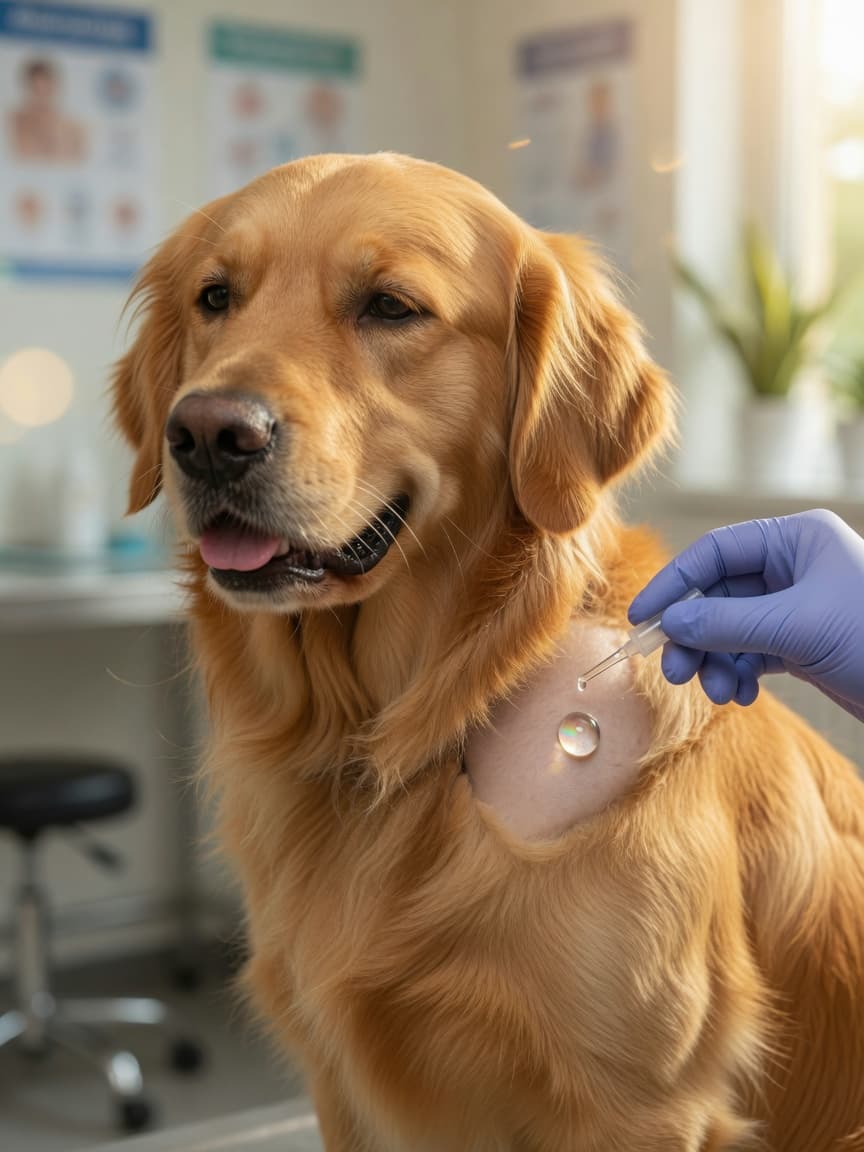
If you've just applied a flea or tick treatment to your dog, you're probably wondering when you'll finally see those pesky parasites disappear. The answer isn't always straightforward, as the timeframe depends on several factors including the type of medication, your dog's individual response, and the severity of the infestation. Understanding how these treatments work will help you manage expectations and ensure you're using them effectively.
How Flea and Tick Medications Work
Flea and tick treatments operate through different mechanisms depending on their formulation. Most modern medications work by either killing parasites on contact, repelling them, or preventing their reproduction. Some medications work systemically (entering the bloodstream), whilst others create a protective barrier on the skin. The speed at which they take effect varies considerably based on these delivery methods.
Understanding your medication's mechanism is crucial for knowing what to expect. For instance, contact-killing treatments often work within hours, whilst growth regulators may take several days to show noticeable results.
Timeline for Different Medication Types
- Topical spot-on treatments: Most begin working within 12-24 hours, with peak effectiveness at 24-48 hours. Adult fleas are typically killed within the first day, though ticks may take 24-48 hours for complete elimination.
- Oral tablets: These usually start working within 30 minutes to 1 hour, with many killing adult fleas within 4-6 hours. Tick elimination may take slightly longer, ranging from 6-12 hours.
- Collars: Modern prescription collars can begin working within hours, whilst older over-the-counter versions may take 1-2 days for full effectiveness.
- Injectable treatments: These prescription-only options often provide protection within days and can last several months.
Why Your Dog Still Itches After Treatment
One common frustration is that dogs may continue scratching for several days after treatment, even though the parasites are dead. This happens because:
- Flea allergy dermatitis takes time to resolve—itching is an allergic response that persists even after parasites are eliminated
- Dead parasites and their debris remain on the skin temporarily
- Secondary skin infections from scratching may take time to heal
- Environmental parasites not on your dog's body haven't been treated yet
If itching persists beyond 5-7 days, or worsens, contact your veterinary surgeon for assessment.
Factors That Influence Treatment Speed
Several variables can affect how quickly medications work:
- Infestation severity: Heavy infestations may show slower visible improvement despite medication working effectively
- Your dog's age and weight: Dosing accuracy is essential; incorrect dosing reduces effectiveness
- Skin condition: Dogs with existing skin conditions or poor coat health may show slower response
- Environmental factors: Untreated bedding and furniture remain sources of reinfestation
- Product choice: Premium prescription medications often work faster than budget alternatives
Maximising Treatment Effectiveness
To ensure your flea and tick medication works optimally, follow these recommendations:
- Apply treatments exactly as directed—don't bathe your dog for 24-48 hours after topical applications
- Treat all pets in your household simultaneously
- Wash bedding, soft furnishings, and toys in hot water weekly
- Vacuum carpets and furniture regularly, especially during peak flea season
- Consider environmental treatments for severe infestations
- Maintain consistent monthly or quarterly treatments as recommended
Key Takeaways
Most modern flea and tick medications begin working within hours, with noticeable parasite elimination within 24-48 hours. However, your dog's itching may persist longer due to allergic reactions and healing processes. For best results, choose prescription-grade treatments recommended by your vet, apply them correctly, and combine medication with environmental control measures. If you're concerned about your dog's response to treatment, always consult your veterinary surgeon—they can assess whether the medication is appropriate and identify any underlying skin conditions.