
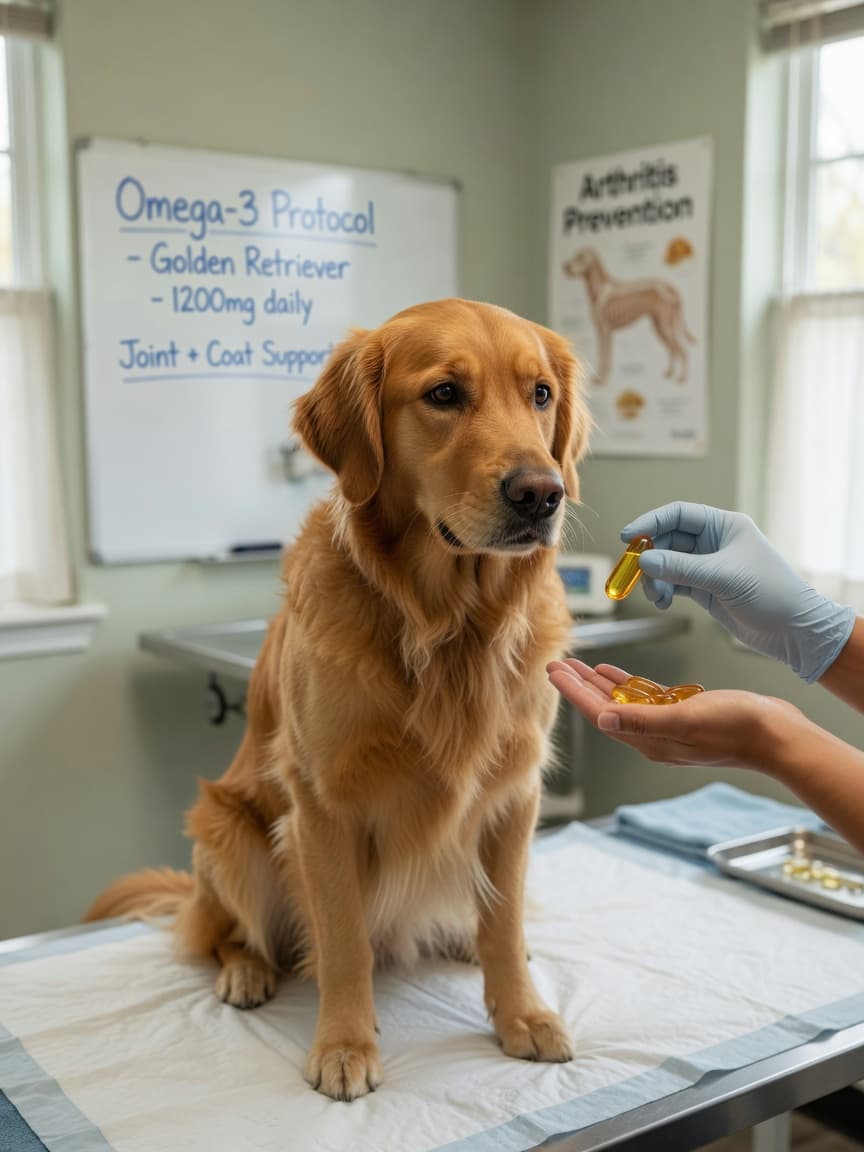
What Are Omega-3 Fatty Acids?
Omega-3 fatty acids are a group of polyunsaturated fats that play a fundamental role in cell membrane structure, inflammation regulation, and organ function. Three forms are particularly relevant to canine health: EPA (eicosapentaenoic acid), DHA (docosahexaenoic acid), and ALA (alpha-linolenic acid).
EPA and DHA are the biologically active forms that the body can use directly. They are found primarily in oily fish such as salmon, mackerel, anchovies, and sardines, as well as in fish oil supplements. ALA is a plant-derived precursor found in flaxseed, hemp seeds, and chia seeds. Dogs can convert ALA to EPA and DHA, but the conversion rate is very low — often less than five per cent. This means plant-based omega-3 sources are a poor substitute for fish-derived EPA and DHA in dogs.
What the Evidence Supports
Joint Health and Inflammation
This is one of the strongest areas of evidence for omega-3 supplementation in dogs. EPA in particular has anti-inflammatory properties and has been shown to reduce the production of pro-inflammatory prostaglandins. Multiple studies have found that dogs with osteoarthritis who received fish oil supplementation showed measurable improvements in mobility and pain scores. The World Small Animal Veterinary Association (WSAVA) nutritional guidelines acknowledge omega-3 fatty acids as a nutritional intervention with demonstrated benefit for dogs with inflammatory joint disease. Fish oil is not a cure for arthritis, but it is a meaningful adjunct to pain management and joint support.
Skin and Coat Health
Omega-3 fatty acids support the integrity of the skin barrier, reduce transepidermal water loss, and have anti-inflammatory effects that can benefit dogs with allergic skin disease. Evidence supports their use in atopic dermatitis, where they may help reduce itching and inflammation — though they are unlikely to eliminate symptoms in moderate to severe cases without additional treatment. A visible improvement in coat condition and shine is commonly reported by owners, and this reflects genuine changes in the fatty acid composition of the skin and coat. Results typically take six to eight weeks to become apparent.
Cardiac Health
There is growing evidence — including from studies in dogs with dilated cardiomyopathy (DCM) — that omega-3 supplementation may help support cardiac function and reduce the risk of arrhythmias. DHA is particularly important for heart muscle function. The WSAVA guidelines and several veterinary cardiology specialists support omega-3 supplementation as part of the management of dogs with heart disease. If your dog has a cardiac diagnosis, discuss supplementation with your vet or a veterinary cardiologist rather than proceeding independently.
Brain and Eye Development
DHA is a critical structural component of the brain and retina. It is particularly important during foetal development and in puppies during the first weeks of life. Supplementing pregnant and lactating dogs with DHA supports neurological development in their offspring. Some studies suggest DHA supplementation in puppies may improve trainability and cognitive performance, though this research is preliminary.
Dosage Guidelines by Body Weight
Appropriate omega-3 dosage varies depending on the condition being addressed. General maintenance doses are lower than therapeutic doses used for inflammation or joint disease. WSAVA guidelines suggest a combined EPA and DHA dose of approximately 50 to 75 mg per kg of body weight per day as a therapeutic anti-inflammatory dose. For a 10 kg dog, this equates to roughly 500 to 750 mg of combined EPA and DHA daily.
- Small dogs (up to 10 kg): approximately 500 to 750 mg EPA and DHA combined per day
- Medium dogs (10 to 25 kg): approximately 1,000 to 1,500 mg EPA and DHA combined per day
- Large dogs (25 to 45 kg): approximately 1,500 to 2,500 mg EPA and DHA combined per day
- Giant breeds (over 45 kg): discuss with your vet, as individual needs vary significantly
Note that the mg figure refers to the combined EPA and DHA content, not the total fish oil volume. A one-gram fish oil capsule does not contain one gram of EPA and DHA — always check the label for the actual EPA and DHA content per serving.
Fish Oil Quality: Heavy Metals and Rancidity
Not all fish oil supplements are created equal. Quality is a genuine concern for two key reasons: contamination with heavy metals and rancidity.
Larger, longer-lived fish accumulate higher concentrations of mercury and other heavy metals. High-quality fish oil supplements use smaller species such as anchovies and sardines, which are lower in the food chain and less prone to contamination. Look for products that have been third-party tested and carry a certificate of analysis confirming heavy metal levels fall within safe limits.
Rancidity is an equally serious issue. Omega-3 fatty acids are highly susceptible to oxidation, and rancid fish oil is not only less effective but potentially harmful. Signs of rancid oil include a strong fishy or "off" odour and a bitter taste. Store fish oil in a cool, dark location and always within the manufacturer's recommended period after opening. Liquid fish oils generally have a shorter shelf life than capsules once opened.
Reputable fish oil supplements for dogs are available on Zooplus, including products specifically formulated for canine use with verified EPA and DHA content clearly labelled.
Signs of Omega-3 Deficiency in Dogs
- Dull, dry, or flaky coat
- Excessively dry or itchy skin
- Slow wound healing
- Increased susceptibility to skin infections
- Joint stiffness in dogs with inflammatory conditions
These signs are not definitive — many conditions can cause similar symptoms — but they may indicate that omega-3 intake is inadequate, particularly in dogs fed dry commercial diets that are not supplemented.
How to Supplement Safely
Fish oil can be added to food as a liquid or as capsules. Some dogs readily consume the liquid mixed into their meal; others may need capsules hidden in a treat. Start with a lower dose and gradually increase over one to two weeks to reduce the risk of loose stools, which is the most common side effect of omega-3 supplementation.
Very high doses of omega-3 can affect platelet function and blood clotting. If your dog is due for surgery or takes medication that affects clotting, discuss fish oil supplementation with your vet before proceeding. High doses may also interfere with blood sugar regulation in dogs with diabetes.
Omega-3 supplements should ideally be chosen over cod liver oil for dogs. Cod liver oil contains vitamins A and D, which are fat-soluble and can accumulate to toxic levels if dosed incorrectly. Plain fish oil (salmon oil, anchovy oil) is the safer and more flexible choice for ongoing supplementation.
The Bottom Line
Omega-3 fatty acids, specifically EPA and DHA from fish sources, are among the best-evidenced nutritional supplements available for dogs. The science supporting their use for joint health, skin condition, and cardiac support is meaningful and acknowledged by leading veterinary bodies including the WSAVA. Choose a quality, third-party tested product, calculate the correct dose based on your dog's weight and health needs, and store the supplement correctly to maintain its potency.