
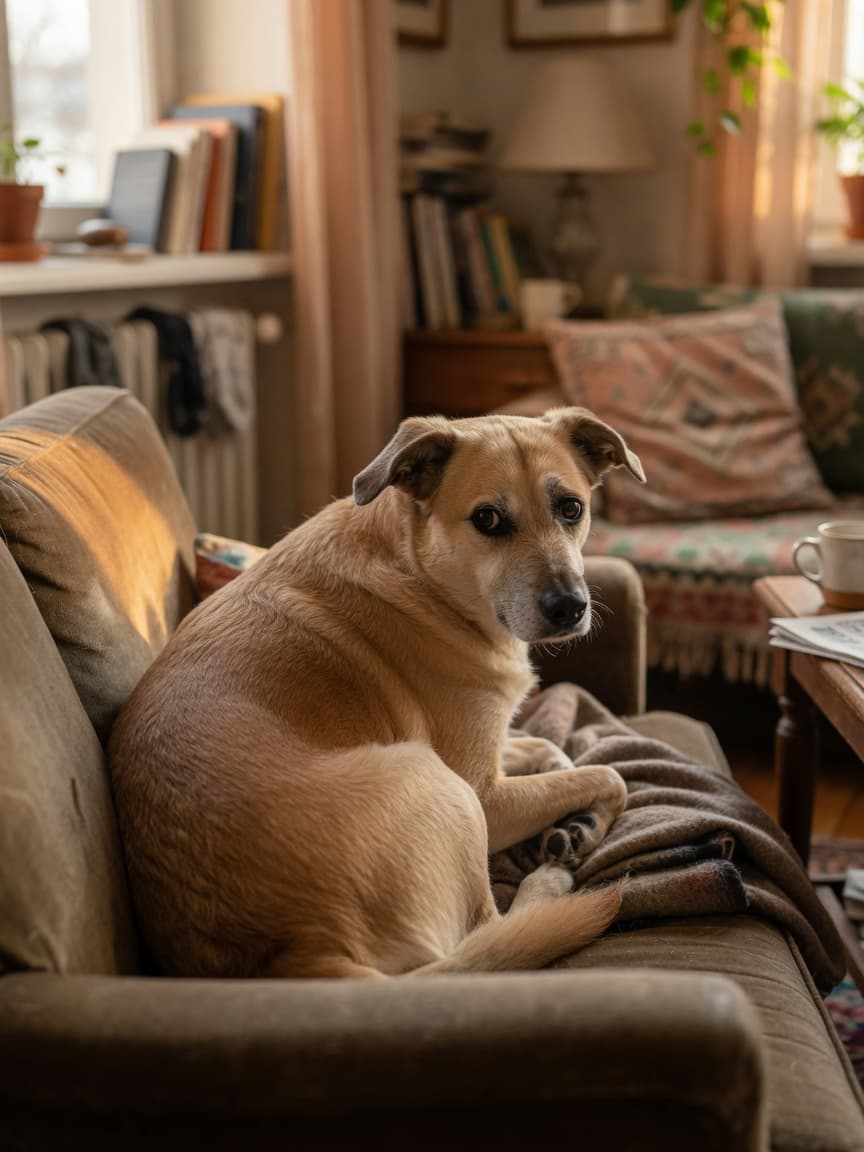
One in Six Dogs Shows Signs of Anxiety — But Supplements Are Not All Equal
A 2020 study published in Scientific Reports found that approximately 72% of dogs exhibit anxiety-related behaviours at some point in their lives, with noise sensitivity and separation distress being the most common triggers. If you have searched for solutions, you will have encountered a vast market of natural calming products. The evidence behind them varies considerably. This article separates the well-supported options from those with weaker backing.
Why Natural Does Not Automatically Mean Safe or Effective
The appeal of natural remedies is understandable. Many dog owners want to manage mild anxiety without committing to pharmaceutical intervention. However, natural compounds can interact with medications, cause side effects in sensitive individuals, and vary significantly in bioavailability depending on formulation. Rigorous clinical trials on dogs remain limited compared to human research, which means extrapolation from rodent or human data is common — and not always reliable.
Before starting any supplement regimen for an anxious dog, a veterinary assessment is essential. Anxiety can sometimes signal an underlying medical condition, and moderate to severe cases typically require a structured behaviour modification plan alongside any supplementation.
Remedies With the Strongest Evidence Base
L-Theanine
L-Theanine is an amino acid found naturally in tea leaves. It promotes alpha brain wave activity associated with calm alertness, without sedation. Several veterinary studies, including work published in the Journal of Veterinary Behavior, have shown statistically significant reductions in anxiety-related behaviours in dogs given L-Theanine before stressful events. It is well-tolerated and has a good safety profile at typical doses.
Casein (Alpha-S1 Tryptic Hydrolysate)
Derived from milk protein, this hydrolysate — sold under various generic names as a "milk protein supplement" — has shown genuine promise. Randomised controlled trials in dogs have demonstrated reductions in stress markers and behavioural anxiety scores. The mechanism involves binding to GABA receptors, similar in principle to how benzodiazepines work, but without the same potency or dependency risk.
Melatonin
Melatonin is most commonly discussed in the context of sleep regulation, but it also modulates stress hormones. In dogs, it has shown usefulness for situational anxiety, particularly noise phobias. It is fast-acting when given 30 minutes before a triggering event and is generally considered safe for short-term use, though you should confirm dosing with a vet.
Remedies With Mixed or Limited Evidence
Valerian Root
Valerian is one of the most commonly included ingredients in canine calming products. Human research supports its use for mild anxiety and sleep, but controlled canine trials are sparse and results inconsistent. Some dogs appear to respond, others do not. It may have sedative effects at higher doses, which owners sometimes interpret as calming. This is not the same as treating anxiety at a neurological level.
Chamomile and Passionflower
Both are frequently bundled into multi-ingredient calming blends. There is reasonable mechanistic rationale — chamomile acts on GABA-A receptors, and passionflower has shown anxiolytic effects in rodent models. However, evidence specific to dogs is largely anecdotal. Neither is considered harmful at typical doses, but effectiveness claims should be viewed cautiously.
CBD (Cannabidiol)
CBD has attracted significant commercial attention. Preclinical evidence and a handful of small canine studies suggest it may reduce anxiety behaviours, and it appears to have a reasonable safety profile at moderate doses. However, large-scale, well-controlled trials in dogs are still lacking, and the regulatory status of CBD pet products varies by country. It is a reasonable area of investigation, but the current evidence does not yet support strong claims.
Approaches That Go Beyond Supplements
The evidence for non-supplement interventions is often stronger than for many natural products. Dog Appeasing Pheromone (DAP), available as diffusers, collars, and sprays, has solid supporting research for reducing anxiety in dogs — particularly in new environments and around loud events. It mimics pheromones produced by lactating mothers and has no pharmacological side effects.
Pressure wraps — garments that apply gentle, constant pressure across the torso — have mixed but generally positive evidence for noise-related anxiety. They work best as part of a broader management plan. Behavioural interventions such as systematic desensitisation and counter-conditioning, ideally guided by a certified clinical animal behaviourist, remain the gold standard for long-term management of anxiety disorders in dogs.
How to Use Natural Remedies Sensibly
- Identify the type and severity of anxiety before selecting a remedy — situational triggers respond differently than chronic generalised anxiety.
- Choose single-ingredient products where possible, so you can assess what is working.
- Allow adequate trial periods — most supplements require two to four weeks of consistent use before conclusions can be drawn for chronic anxiety.
- Keep a behaviour diary to objectively assess changes.
- Always consult your vet before combining supplements with prescribed medications.
- Do not treat natural remedies as a substitute for veterinary input if your dog's anxiety is significantly affecting quality of life.
Natural remedies can be a useful first line of support for mild to moderate anxiety, and some have genuine evidence behind them. The key is approaching them with the same critical thinking you would apply to any intervention — understanding what the research actually says, rather than what a product label suggests.