
Can Dogs Eat Garlic? No — It's 5x More Toxic Than Onions and Can Be Fatal
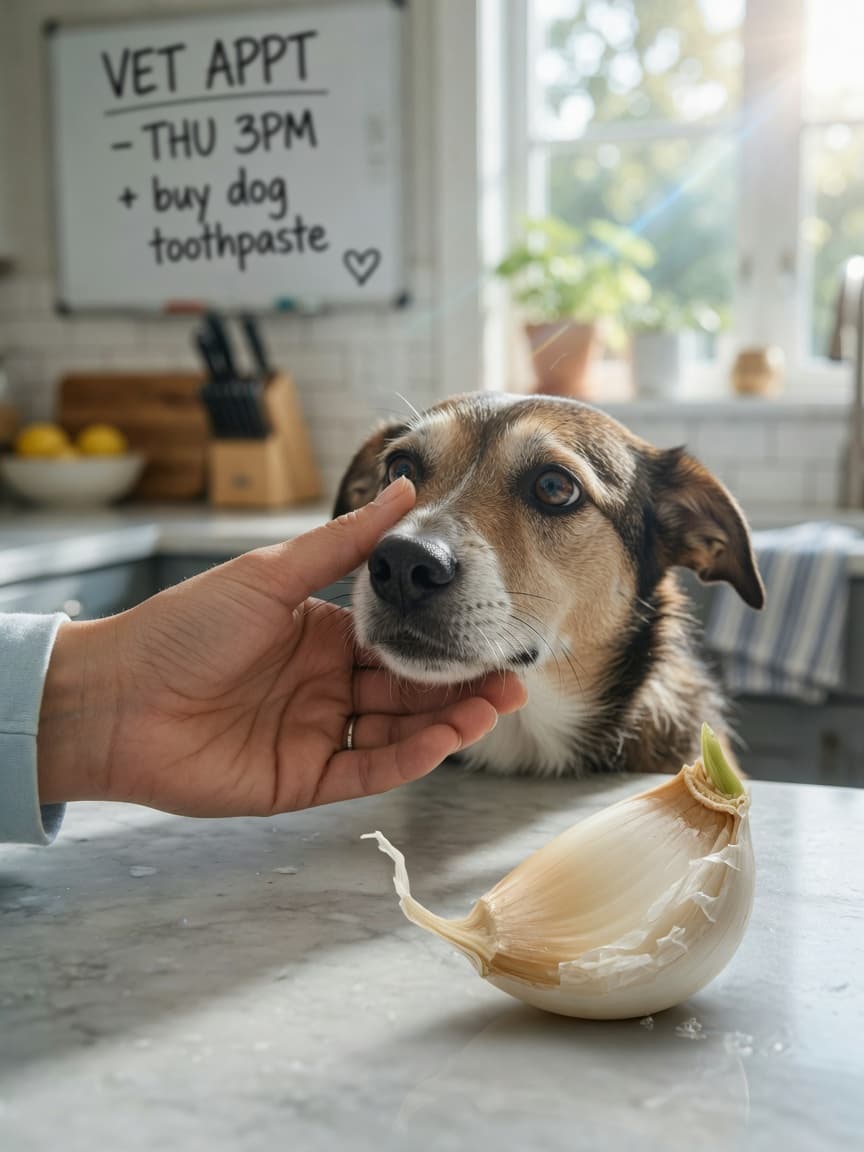
Garlic is celebrated in human cooking for its flavor and purported health benefits. For dogs, it is a silent killer. Despite a persistent and dangerous myth circulating online that garlic is a "natural flea repellent" or "immune booster" for dogs, the scientific and veterinary consensus is absolute: garlic is toxic to dogs, and no amount should ever be given intentionally or accidentally.
What makes garlic so especially dangerous is the deceptive delay in symptoms. Your dog can eat garlic today and appear completely normal for three to five days — while a devastating attack on their red blood cells is already underway inside their body. By the time symptoms appear, the damage is serious and treatment becomes an urgent race against time.
Why Garlic Is So Toxic to Dogs — The Mechanism
Garlic belongs to the Allium family of plants, which also includes onions, shallots, leeks, and chives. All Allium species contain organosulfur compounds that are harmful to dogs. In garlic specifically, the primary toxic agent is N-propyl disulfide, along with thiosulfate and other sulfur-containing compounds.
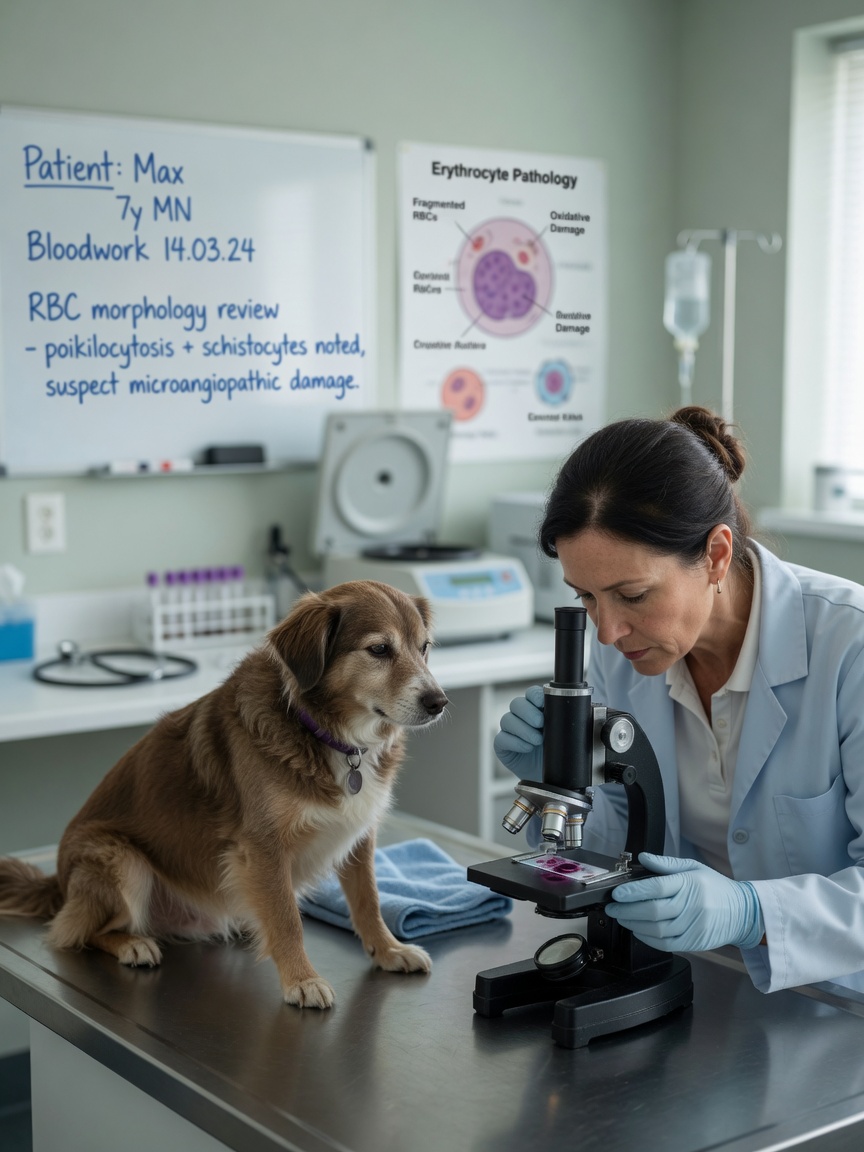
These compounds oxidize the hemoglobin inside red blood cells, forming clumps of denatured protein called Heinz bodies. Red blood cells containing Heinz bodies are fragile and are rapidly destroyed by the dog's own immune system in a process called hemolytic anemia. As red blood cells are destroyed faster than the body can replace them, the dog's oxygen-carrying capacity crashes — leading to weakness, organ failure, and potentially death.
Garlic is approximately 5 times more potent than onions by weight in its ability to cause this destruction. This means that the amount of garlic required to cause a toxic reaction is substantially smaller than most people assume.
How Much Garlic Is Dangerous?
Studies indicate that as little as 15–30 grams of garlic per kilogram of body weight can cause measurable red blood cell damage in dogs. One clove of garlic weighs approximately 3–7 grams. For a small dog weighing 5 kg, this means fewer than 3 cloves of garlic could initiate a toxic reaction. Garlic powder is far more concentrated — one teaspoon of garlic powder contains the equivalent of approximately 8–10 fresh garlic cloves, making it extraordinarily dangerous even in tiny amounts.
Repeated exposure to small amounts is also dangerous. Garlic toxicity is cumulative — daily small doses can build up over time and trigger anemia just as effectively as a single large dose. This is particularly relevant for owners who have been adding "a little garlic" to their dog's food based on bad online advice.
All Forms of Garlic Are Dangerous
There is no processing method that makes garlic safe for dogs. Every form carries the toxic compounds:
- Raw garlic — highest water content but still highly toxic
- Cooked garlic — cooking does not destroy the harmful organosulfur compounds
- Roasted garlic — still toxic
- Garlic powder — most concentrated and most dangerous form, gram for gram
- Garlic salt — toxic, plus added sodium creates additional problems
- Garlic oil and garlic extracts — highly concentrated, acutely dangerous
- Fermented black garlic — still contains toxic compounds
Hidden Sources of Garlic in Everyday Foods
Many dog poisonings from garlic occur not from the dog stealing a clove, but from well-meaning owners sharing human food that secretly contains garlic. Be extremely careful about:
- Garlic bread — a common culprit, often given as a "treat"
- Pizza, pasta sauce, and Italian food — almost always contain garlic
- Restaurant or takeaway leftovers — seasoning contents unknown
- Soups, stews, and broths
- Seasoned meats — marinated chicken, pork, or beef often contains garlic
- Baby food — some meat-based baby foods historically contain onion and garlic powder
- Dips and condiments — hummus, aioli, tzatziki
- Flavored chips and crackers
Breeds With Heightened Sensitivity
While garlic is toxic to all dogs, certain Japanese breeds are genetically predisposed to be significantly more sensitive to Allium toxicity than other dogs. These include:
- Shiba Inu
- Akita
- Japanese Chin
For these breeds, even smaller amounts of garlic can trigger severe hemolytic anemia. If you own one of these breeds, be especially rigorous about eliminating any garlic exposure — including from commercially prepared foods and treats.
Symptoms of Garlic Toxicity — Know What to Watch For
The insidious nature of garlic poisoning is its delayed onset. Your dog may show no signs for 3 to 5 days after ingestion, then deteriorate rapidly. Watch for:
Early warning signs:
- Vomiting and nausea shortly after ingestion
- Diarrhea
- Drooling
- Abdominal discomfort
Delayed signs of hemolytic anemia (days 3–7):
- Sudden, profound lethargy and weakness
- Pale, white, or yellow-tinged gums
- Rapid or labored breathing
- Elevated heart rate
- Dark, reddish-brown, or orange urine (from destroyed red blood cell pigments)
- Fainting or collapse
- Loss of appetite
What Happens at the Vet?
If you catch garlic ingestion early (within a few hours), a veterinarian may induce vomiting and administer activated charcoal to reduce absorption. Blood tests will assess red blood cell counts and look for Heinz bodies under a microscope.
If anemia has already developed, treatment is supportive: IV fluids, supplemental oxygen, and in severe cases, a blood transfusion to restore red blood cell levels. Recovery depends on how much was ingested, how quickly treatment began, and the individual dog's health status. Some dogs recover fully with aggressive treatment; others do not survive.
The "Garlic as Flea Repellent" Myth — A Dangerous Lie
A widely circulated online claim suggests that feeding dogs small amounts of garlic repels fleas and boosts the immune system. This is false and potentially lethal advice. There is no peer-reviewed evidence supporting garlic as an effective or safe flea preventative for dogs. The American Kennel Club, the ASPCA, and the majority of veterinary toxicologists explicitly classify garlic as toxic to dogs. Do not follow this advice. Use veterinarian-approved flea prevention products instead.
- Garlic is 5x more toxic to dogs than onions, causing Heinz body hemolytic anemia.
- All forms are dangerous: raw, cooked, powdered, and in extracts.
- Garlic powder is the most concentrated and acutely dangerous form.
- Symptoms are delayed 3–5 days, but damage begins immediately after ingestion.
- Japanese breeds (Shiba Inu, Akita) are especially vulnerable.
- Call your vet immediately if your dog has consumed garlic — do not wait for symptoms.
- The "garlic as flea repellent" myth is false and dangerous; never intentionally feed garlic to dogs.
Scientific References
- Yamato O, Hayashi M, Yamasaki M, Maede Y. "Induction of onion-induced haemolytic anaemia in dogs with sodium n-propylthiosulphate." Vet Rec. 1998;142(9):216–219. PMID: 9533309.
- Lee KW, Yamato O, Tajima M, Kuraoka M, Omae S, Maede Y. "Hematologic changes associated with the appearance of eccentrocytes after intragastric administration of garlic extract to dogs." Am J Vet Res. 2000;61(11):1446–1450. PMID: 11108193.
- Cope RB. "Allium species poisoning in dogs and cats." Vet Med. 2005;100(8):562–566.