
Dogs
Can Dogs Eat Spinach? What Every Dog Owner Should Know
Spinach sits in a gray zone when it comes to canine nutrition. It is not on the ASPCA's list of toxic plants for dogs, yet veterinary nutritionists…
Julia WrenfieldJuly 2, 2026

Health guides for dogs of all breeds and ages
Spinach sits in a gray zone when it comes to canine nutrition. It is not on the ASPCA's list of toxic plants for dogs, yet veterinary nutritionists…

International movement of dogs carries genuine biosecurity risks. Rabies remains endemic in large parts of Africa, Asia, and Latin America, and a…

Eye discharge is one of the most common reasons cat owners seek veterinary advice, and unlike dogs, cats have a distinct set of underlying causes that…

Brexit fundamentally changed how pet owners in Great Britain travel to Europe with their animals. Prior to 31 December 2020, British residents with an…

Mushrooms are a category of food that does not have a simple yes or no answer when it comes to dog safety. The answer depends entirely on which…

Your puppy is not aggressive. They are not "dominant." They are not trying to hurt you. They are doing exactly what puppies do — exploring the world with their mouth, playing the way they played with their littermates, and learning the rules of social interaction. The good news is that bite inhibiti…

Keeping a cat indoors protects it from traffic, predators, infectious disease, and injuries. However, the indoor environment comes with its own welfare…

The short answer is yes — dogs can eat mango, and many enjoy it as an occasional sweet treat. The flesh of a ripe mango is non-toxic to dogs and…

Watching a large-breed puppy grow is one of the most dramatic experiences in dog ownership. A Great Dane puppy that weighs 1.5 kg at birth may reach…

Canine parvovirus type 2 (CPV-2) is one of the most dangerous and contagious viral diseases affecting dogs worldwide. First identified in the late…
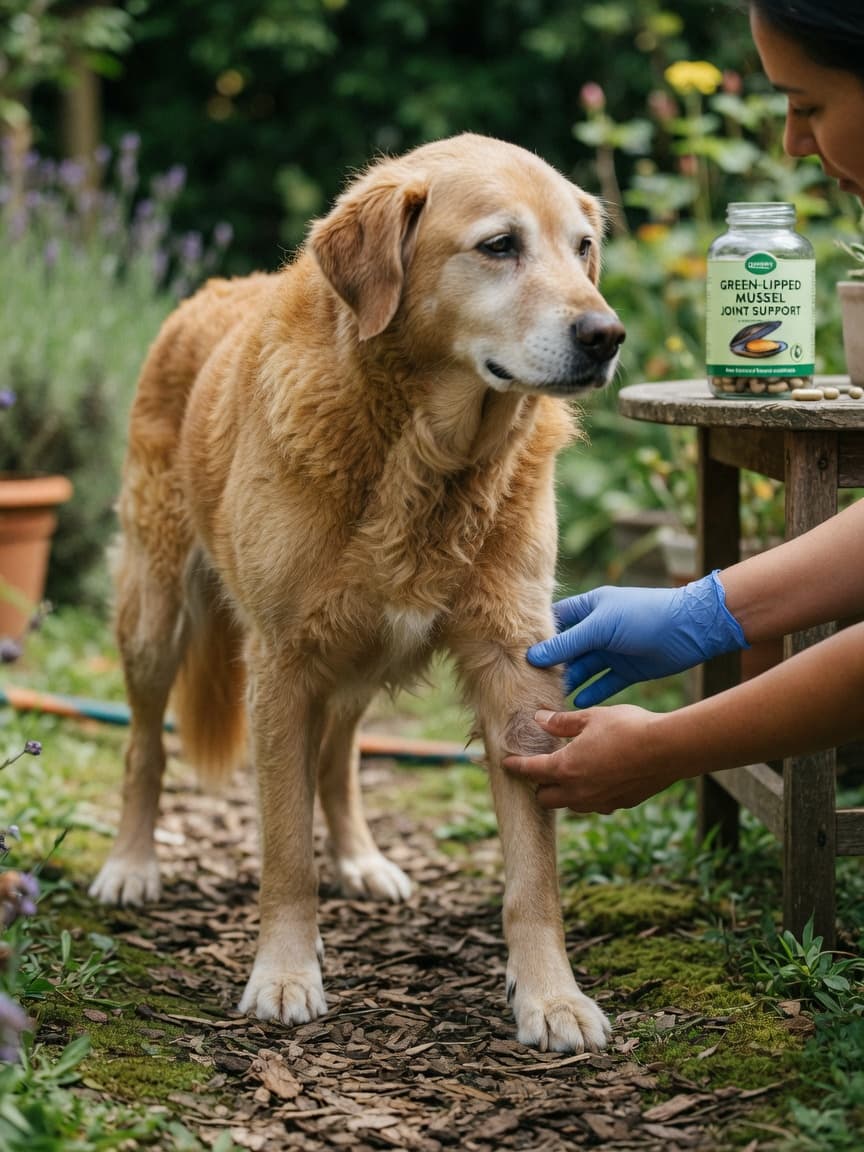
Perna canaliculus, commonly known as the green-lipped mussel, is a bivalve shellfish native to New Zealand. It has been used in traditional Māori medicine for centuries, and since the 1970s has attracted scientific interest for its anti-inflammatory properties. Today it is one of the most widely rec…

It is not unusual for owners to discover a chipped or broken tooth in their dog and assume it is a minor issue — after all, the dog seems fine and is…

Watch a cat settle in for a nap or curl up on your lap, and you'll likely witness one of the most endearing feline behaviors: the slow, rhythmic…

Obesity is now the most commonly diagnosed nutritional disorder in companion animals in Europe and North America. Research published in PLOS ONE…

A broken leg — veterinary fracture — is one of the most common traumatic injuries in dogs, particularly following road traffic accidents, falls from…

A beach day looks idyllic — and for most dogs, it genuinely is. But the coastal environment combines several hazards that do not exist on a typical…

VERDICT: DEPENDS — with important caveats. Small amounts of coconut oil are unlikely to cause acute toxicity in cats. However, coconut oil is almost…

Cat surgery presents its own unique challenges and cost drivers. Cats are physiologically distinct from dogs — they metabolise certain anaesthetic…

Yew trees and shrubs (Taxus spp.) have been associated with death across human history — the ancient Romans and Greeks knew of their lethal properties,…

The Netherlands has a well-deserved reputation as one of the most dog-friendly nations in Europe. With approximately 1.7 million dogs and a culture…

Most cat owners treat litter as a commodity purchase — buy whatever is cheapest or most convenient. But the choice of litter has real implications for…

Vitamin D is a fat-soluble vitamin that functions more like a hormone than a conventional nutrient, regulating gene expression across numerous cell…

No single factor has a greater influence on a dog's lifelong behaviour than the quality of their early socialisation. Dogs that are well socialised as…

Quick Summary: Veterinary specialists are vets who have completed an additional 3–5 years of residency training and passed rigorous board examinations…
Free newsletter
Weekly science-backed advice for dog & cat owners. No spam, unsubscribe anytime.