
Parvovirus in Dogs: Symptoms, Treatment & Survival Rate
What Is Canine Parvovirus?
Canine parvovirus type 2 (CPV-2) is one of the most dangerous and contagious viral diseases affecting dogs worldwide. First identified in the late 1970s, this highly resilient virus has since evolved into multiple strains — CPV-2a, CPV-2b, and CPV-2c — all capable of causing severe, life-threatening illness. The virus attacks the rapidly dividing cells of the body with ruthless efficiency, primarily targeting the gastrointestinal tract and the bone marrow, destroying the very systems a dog needs to fight back.
Parvovirus is not a disease that gives you time. Once clinical symptoms appear, dogs can deteriorate within hours. The mortality rate without veterinary treatment approaches 90% or higher in puppies. With aggressive, prompt hospitalization, survival rates climb to approximately 85–91%. The difference between life and death is almost entirely determined by how quickly an owner recognizes the signs and acts.
Recognizing the Symptoms: What to Watch For
The clinical signs of parvoviral enteritis typically appear 3 to 7 days after exposure and escalate rapidly. Knowing these symptoms is not optional — it is potentially life-saving.
Early warning signs (first 12–24 hours):
- Severe lethargy: Your normally energetic dog suddenly refuses to move, play, or respond normally. This is not tiredness — it is profound weakness.
- Loss of appetite: Complete refusal to eat or drink.
- Fever: Body temperature above 39.5°C (103°F), though some dogs present with abnormally low temperatures as shock sets in.
- Vomiting: Repeated, forceful vomiting — often yellow or white bile — that does not stop.
Advanced symptoms (24–48 hours):
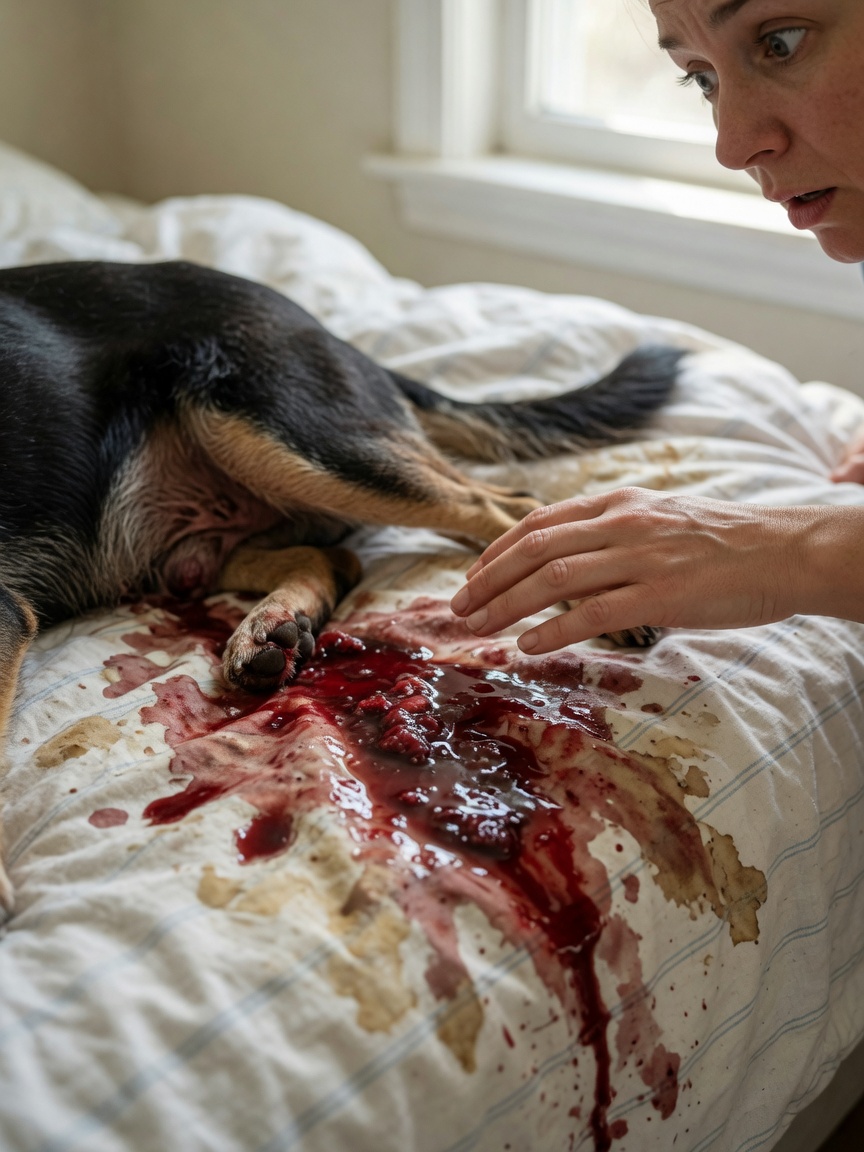
- Bloody diarrhea: The hallmark sign of parvo. The stool becomes liquid, dark red or maroon, and carries a distinctively foul, metallic odor that many owners describe as unlike anything they have smelled before. If you see this, you are in emergency territory.
- Dehydration: The skin loses elasticity (tenting test), the gums become dry and tacky, and the eyes appear sunken.
- Abdominal pain: The dog may whimper when touched on the belly or adopt a hunched, guarded posture.
- Collapse and shock: In severe cases, the dog may become unresponsive, with rapid heart rate and pale or grey gums — a sign that circulatory failure is imminent.
Do not wait to see if things improve. Parvo does not improve on its own.
How Parvovirus Spreads
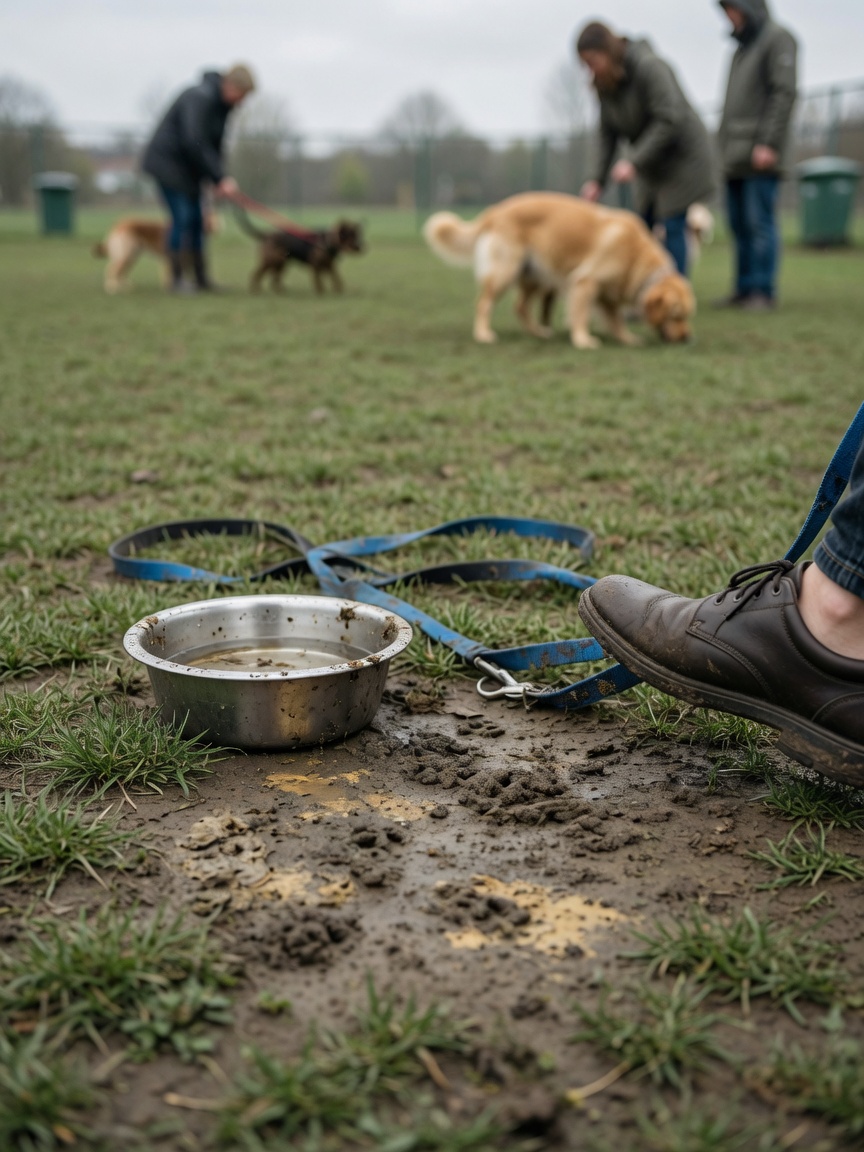
CPV-2 spreads through direct contact with infected feces, and this is where its terrifying resilience becomes apparent. The virus can survive on surfaces, soil, clothing, and objects for 6 months to a year under normal conditions. It resists many common household disinfectants and can be tracked indoors on shoes, hands, or leashes without any visible contamination.
Your puppy does not need to come into contact with a sick dog to become infected. A contaminated patch of grass in a park, a bowl at a doggy daycare, or the floor of a pet store are all potential transmission routes. This is why unvaccinated puppies must be kept away from public areas until their vaccination course is complete.
Who Is Most at Risk?
Unvaccinated puppies between 6 weeks and 6 months of age are by far the most vulnerable population. Their immune systems are still developing, maternal antibody protection begins to wane at around 6–8 weeks, and the window between when maternal immunity drops and when vaccination fully kicks in creates a critical period of vulnerability.
Certain breeds appear to carry a higher genetic risk, including Rottweilers, Doberman Pinschers, American Pit Bull Terriers, Labrador Retrievers, and German Shepherd Dogs. These breeds may have impaired immune responses to CPV and should be considered high-priority for strict vaccination adherence.
Adult dogs that are unvaccinated or have lapsed vaccination schedules are also at risk. Immunocompromised dogs of any age — those on chemotherapy, with chronic illness, or under severe stress — can contract parvo even with partial vaccination histories.
Treatment: What Happens at the Vet
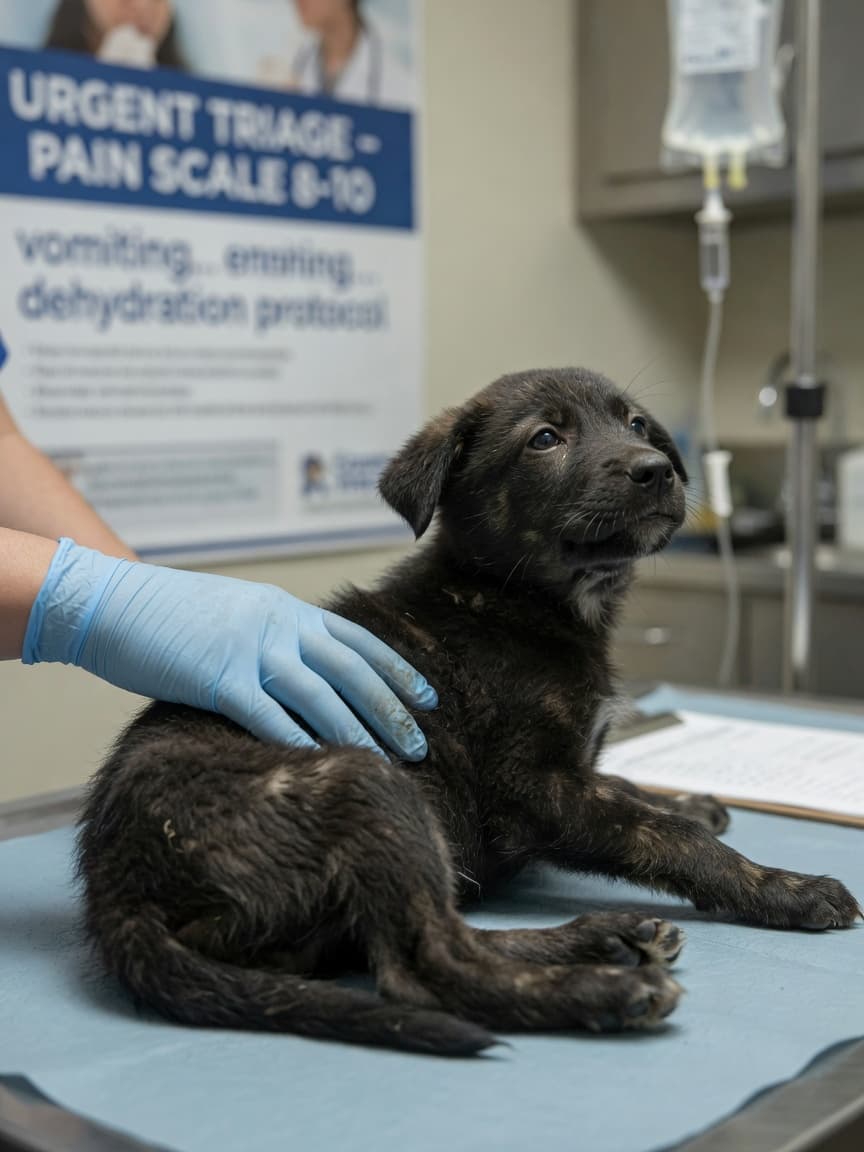
There is no antiviral drug that directly kills parvovirus. Treatment is entirely supportive — keeping the dog alive while its immune system fights the infection — and it requires hospitalization, sometimes for 5 to 7 days.
Standard hospital treatment includes:
- Intravenous fluids: The cornerstone of parvo treatment. IV fluid therapy corrects dehydration and maintains blood pressure, replacing what is lost through relentless vomiting and diarrhea.
- Electrolyte correction: Sodium, potassium, and glucose levels are carefully monitored and supplemented as needed.
- Anti-nausea medications: Drugs such as maropitant (Cerenia) control vomiting, allowing the gut to begin recovering.
- Broad-spectrum antibiotics: Parvo destroys the intestinal lining, allowing gut bacteria to enter the bloodstream. Antibiotics such as ampicillin or enrofloxacin prevent or treat secondary bacterial sepsis, which is a common cause of death in parvo patients.
- Nutritional support: Early enteral nutrition — feeding even small amounts through a tube — has been shown to accelerate intestinal recovery.
- Pain management: Abdominal pain and discomfort are treated with appropriate analgesics.
In severe cases, plasma transfusions or human immunoglobulin therapy may be used to provide passive immune support. Intensive care units that maintain isolation protocols are essential, as CPV is highly contagious to other unvaccinated dogs.
Survival Rates and Prognosis
With prompt, aggressive veterinary care, survival rates in published studies range from 80% to 91%. Without treatment, mortality is near-certain — the virus kills the vast majority of affected puppies. The prognosis worsens considerably if treatment is delayed, if the dog is very young (under 8 weeks), or if secondary sepsis has already developed. Dogs that survive parvo typically recover fully and develop lasting immunity to the strain they were infected with, though reinfection with variant strains remains theoretically possible.
Prevention: Vaccination Is Non-Negotiable
Parvovirus is entirely preventable through vaccination. The standard canine distemper-parvovirus (DHPP) combination vaccine is one of the most effective in veterinary medicine.
The recommended puppy vaccination schedule is:
- First vaccine: 6–8 weeks of age
- Second vaccine: 10–12 weeks of age
- Third vaccine: 14–16 weeks of age
- Booster at 1 year, then every 1–3 years as directed by your veterinarian
Until the puppy series is complete, keep your puppy away from dog parks, pet stores, and any areas where unvaccinated dogs may have been. Even carrying your puppy in your arms reduces ground contact risk.
If you are adopting a dog of unknown vaccination history, treat them as unvaccinated and begin the series immediately. The cost of a vaccine series is a fraction of the cost — financial and emotional — of treating parvo.
Key Takeaways
- Canine parvovirus is a deadly disease that kills near-certainly without treatment — survival requires immediate emergency veterinary care.
- Key symptoms include bloody diarrhea, severe vomiting, lethargy, and rapid dehydration — do not wait to seek help.
- Unvaccinated puppies aged 6 weeks to 6 months are at highest risk, but unvaccinated adult dogs can also contract the disease.
- Treatment is supportive (IV fluids, antibiotics, anti-nausea drugs) and requires several days of hospitalization; survival rates reach 85–91% with prompt care.
- Vaccination on the correct schedule is the only reliable prevention — there is no substitute.
References
- Goddard A, Leisewitz AL. "Canine parvovirus." Vet Clin North Am Small Anim Pract. 2010;40(6):1041-53. PMID: 20933139
- Prittie J. "Canine parvoviral enteritis: a review of diagnosis, management, and prevention." J Vet Emerg Crit Care. 2004;14(3):167-176. PMID: 25586827