
Dogs
Can Dogs Eat Oats? Why Plain Cooked Oats Are a Nutritional Win
Oats have been a trusted grain in canine nutrition for decades, and for good reason. Plain cooked oats are not only safe for dogs — they offer…
Julia WrenfieldJuly 2, 2026

Health guides for dogs of all breeds and ages
Oats have been a trusted grain in canine nutrition for decades, and for good reason. Plain cooked oats are not only safe for dogs — they offer…
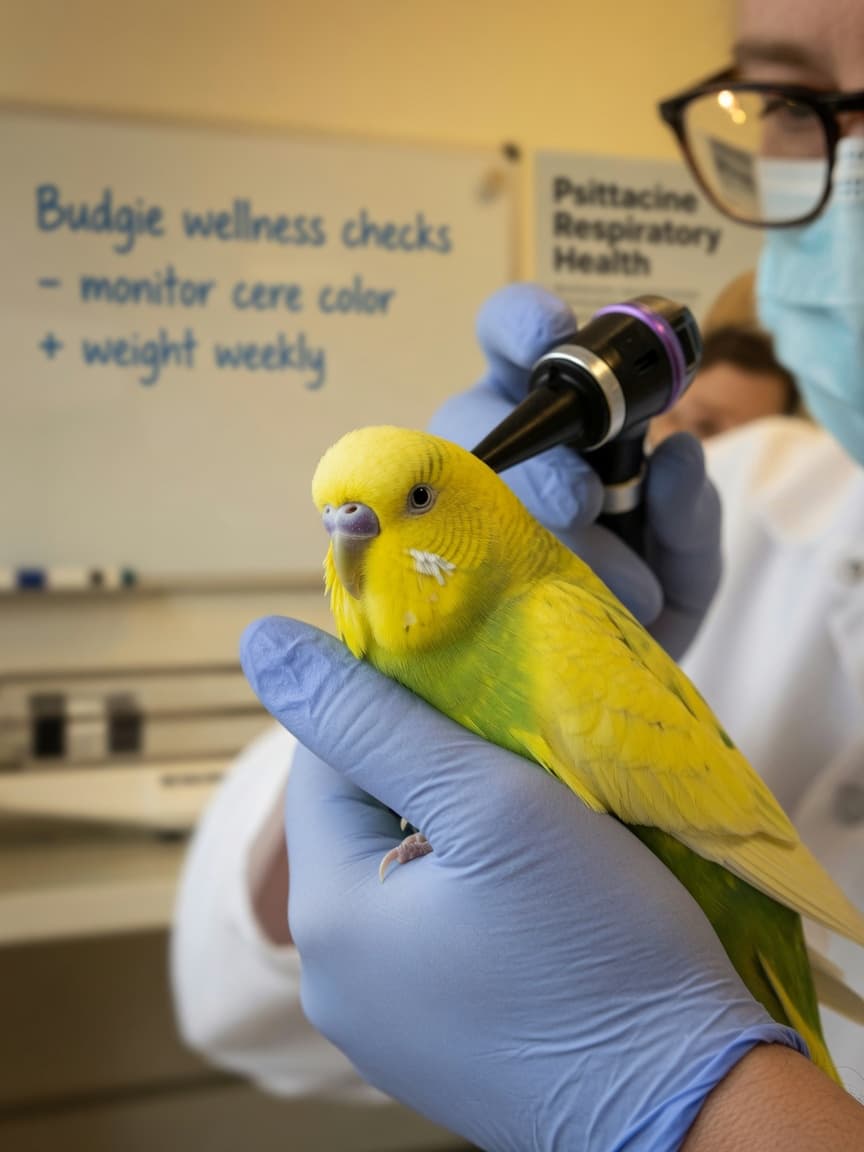
Budgerigars are hardy little birds, but statistics suggest that up to 50% of budgies over the age of five will develop some form of tumour during their…
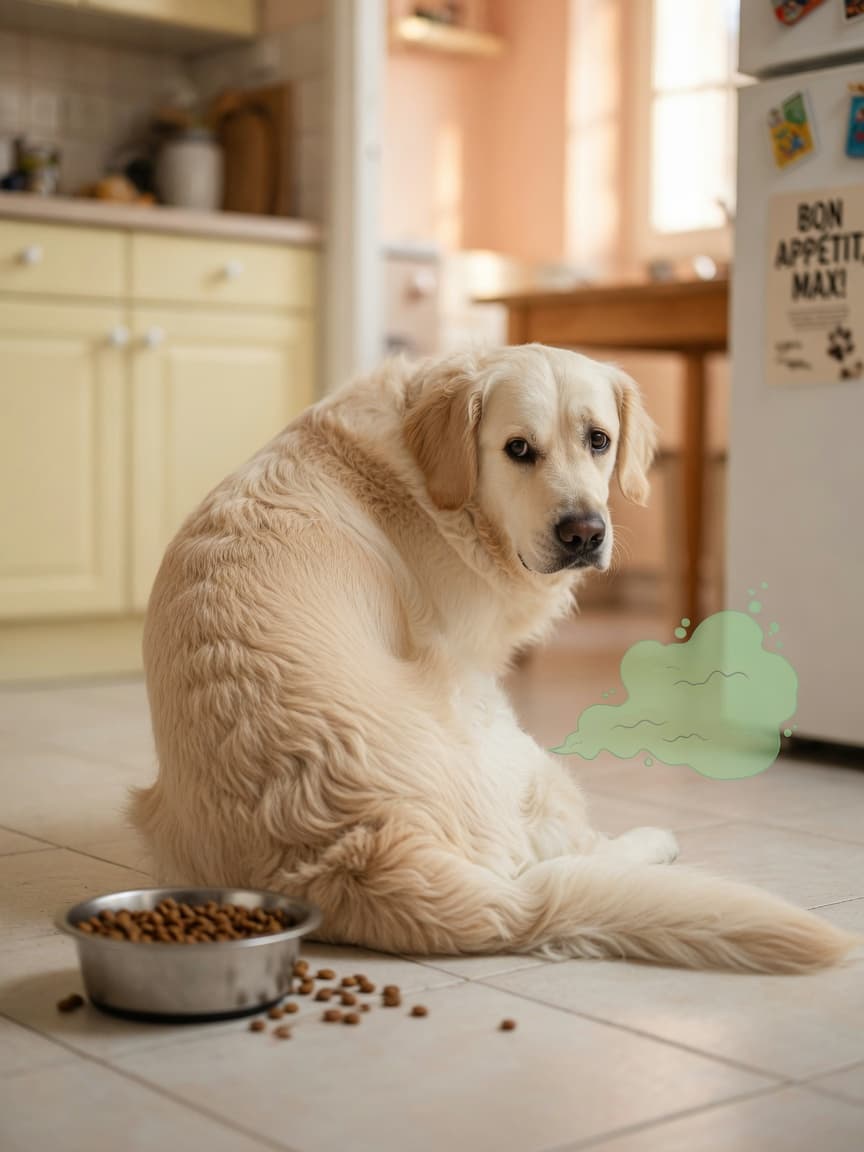
Some degree of flatulence is entirely normal in dogs. Gas is produced as a natural by-product of digestion — bacteria in the large intestine ferment…
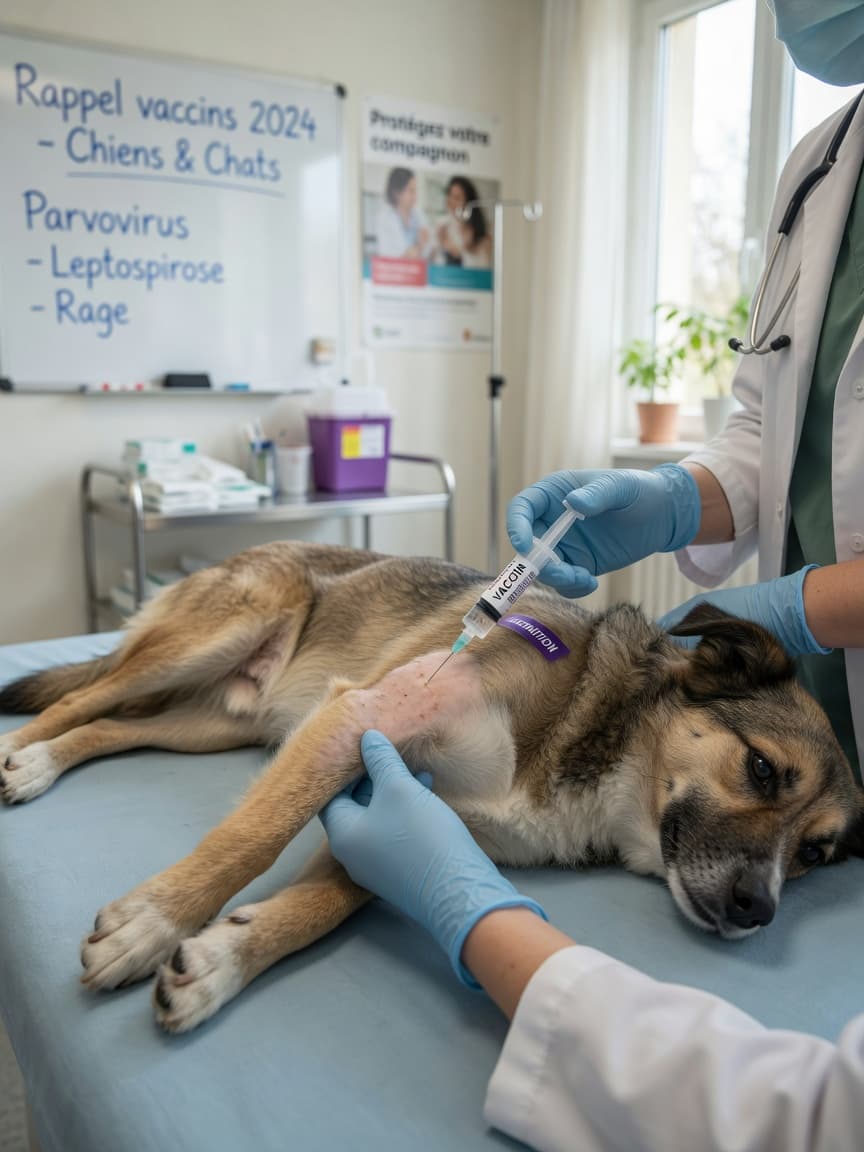
Leptospirosis is caused by bacteria of the genus Leptospira and is one of the most widespread zoonotic diseases in the world — meaning it can pass from…
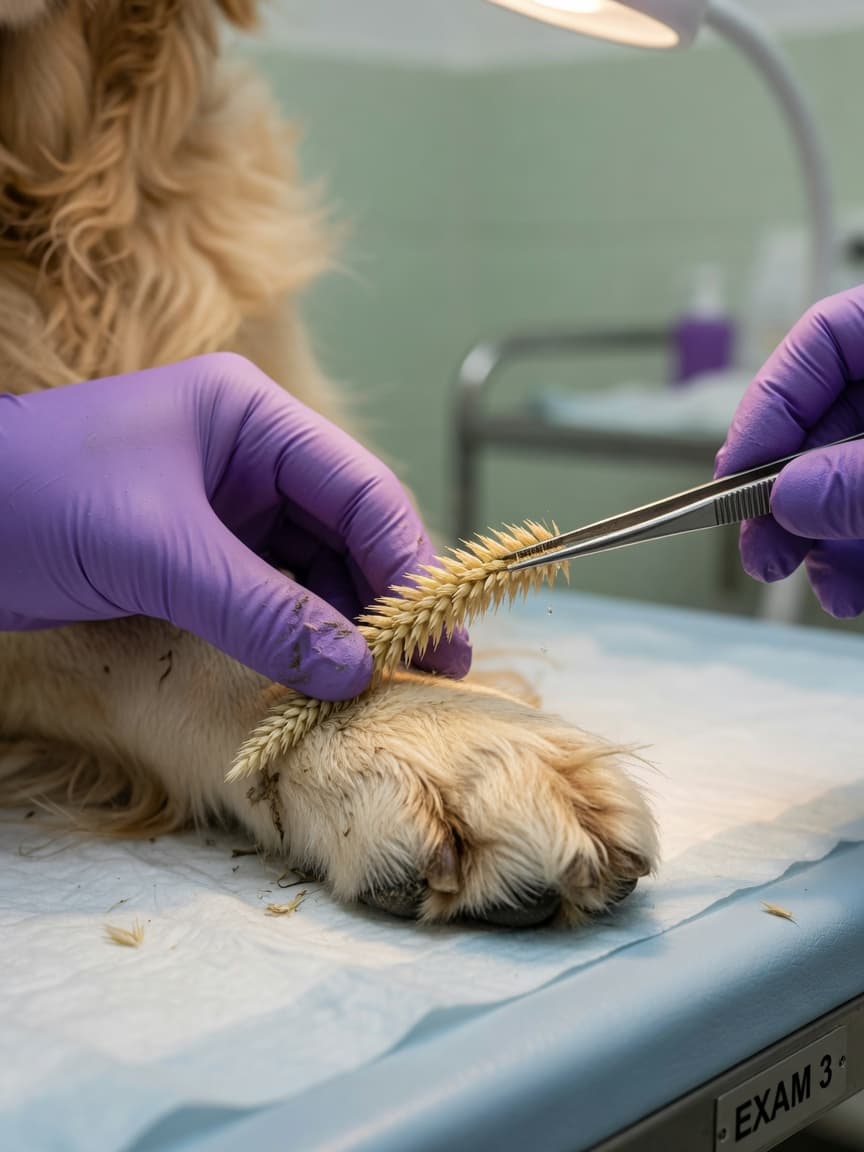
Every summer, thousands of dogs across Europe are treated for injuries caused by grass seeds. What appears to be a minor irritant can, if left…

Cucumber is one of the best vegetables you can offer your dog, and it comes with an enthusiastic yes. It is low in calories, extraordinarily hydrating,…
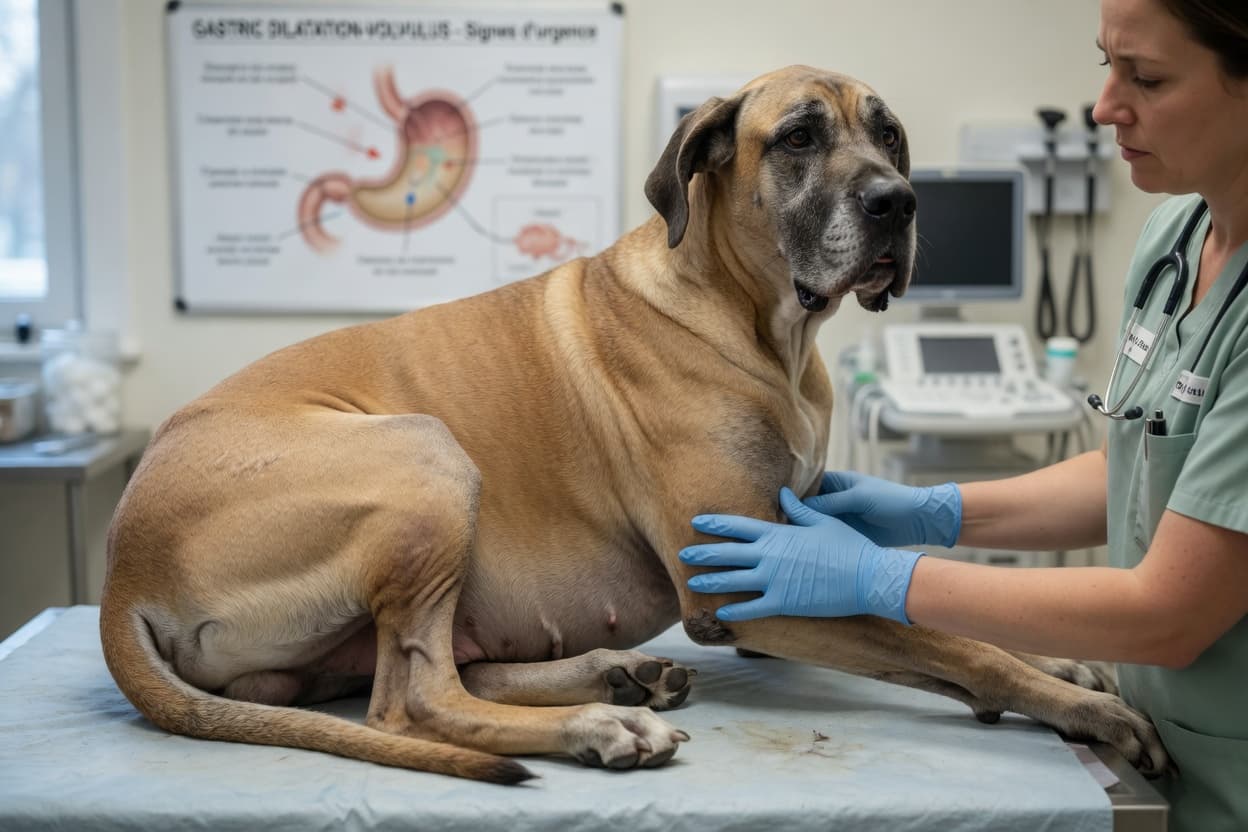
Bloat in dogs refers to a condition called gastric dilatation-volvulus, commonly known as GDV. It begins when the stomach fills with gas, food, or…
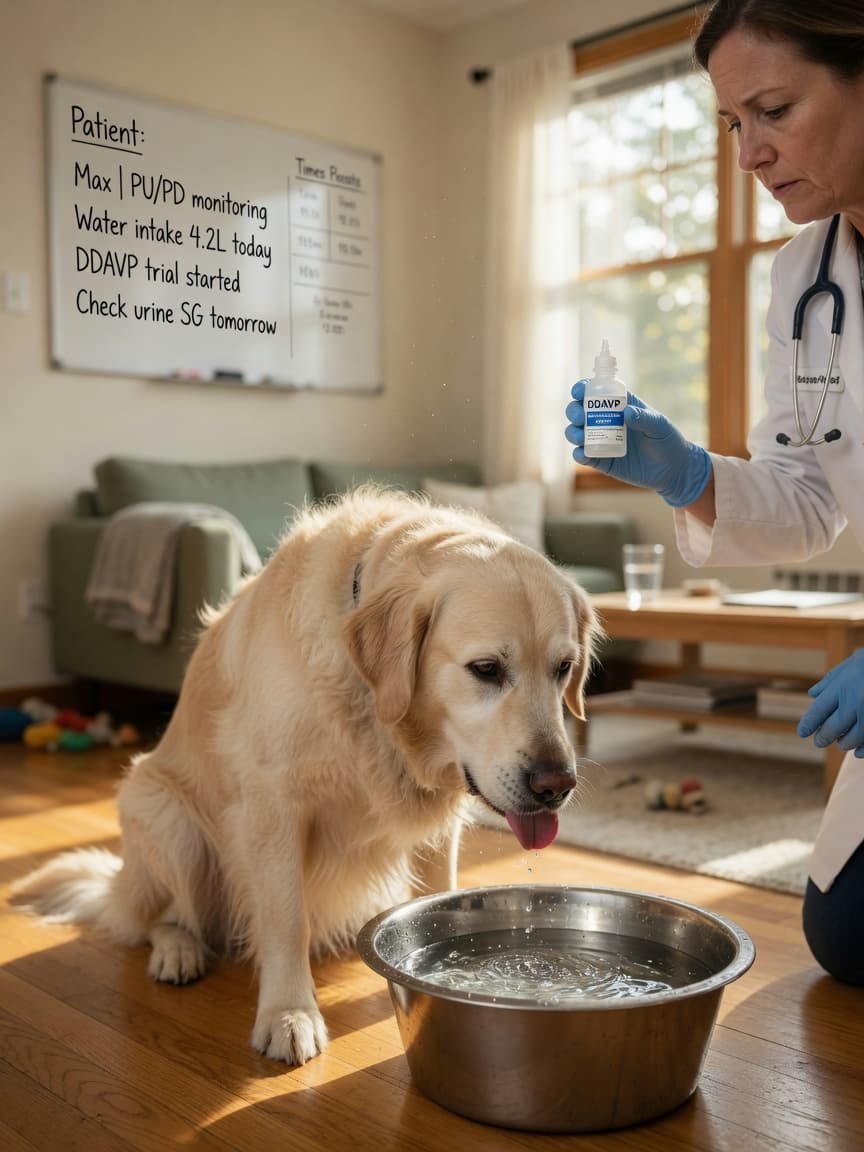
When a dog begins consuming water in staggering quantities — emptying the bowl repeatedly throughout the day and waking at night to drink — and…

Regular grooming reduces the risk of matting, skin infections and parasite infestations, and provides an opportunity to identify lumps, wounds or coat…
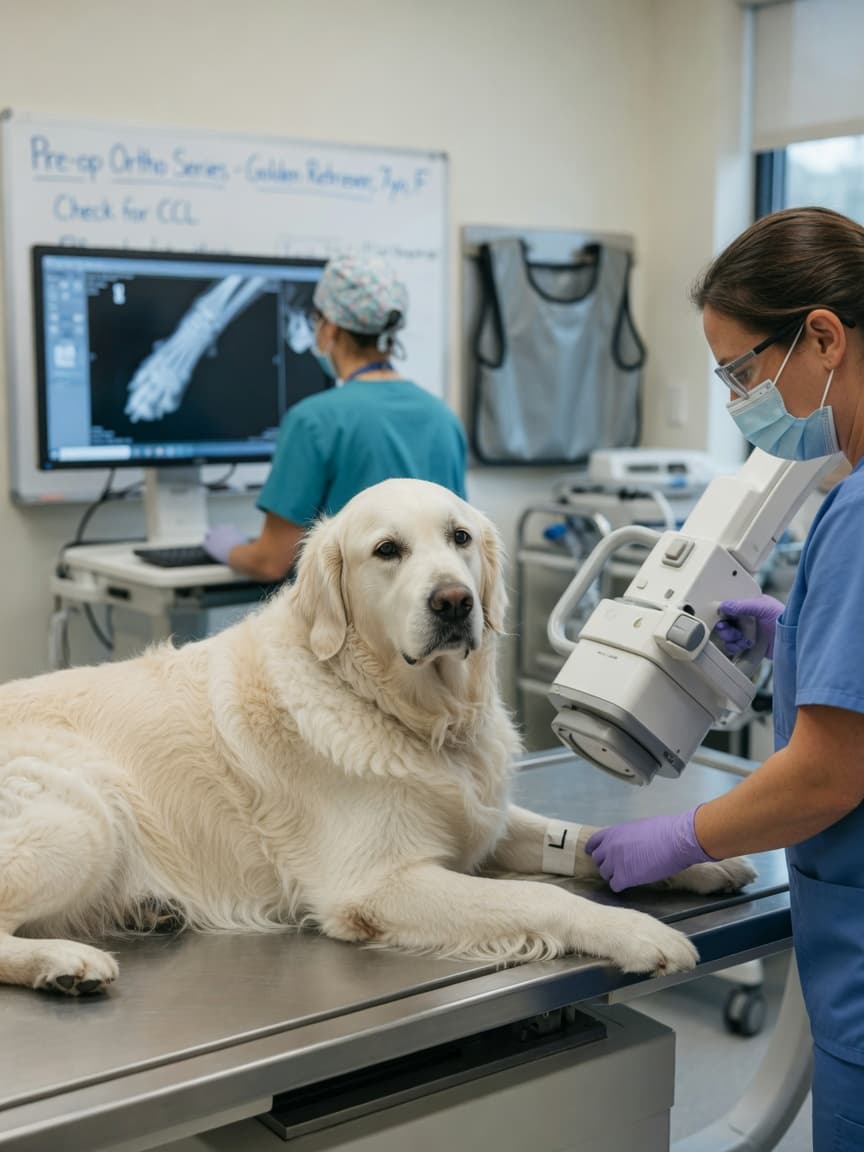
Physical examination is the foundation of veterinary diagnosis, but it has limits. A skilled vet can detect a mass, feel an enlarged organ, or hear a…

The Bernese Mountain Dog is one of four Swiss Sennenhund breeds, classified in FCI Group 2 (Pinscher and Schnauzer type, Molossoid and Swiss Mountain…

Epilepsy is the most common neurological condition diagnosed in dogs, affecting an estimated 0.6 to 0.75 per cent of the canine population. It is…

Studies suggest that the grief experienced after losing a pet can be as intense as that following the death of a close human relative — yet many people…

Walk the pet food aisle of any supermarket and you will find labels boasting 40%, 50%, even 70% protein content. The message is implicit: more protein…
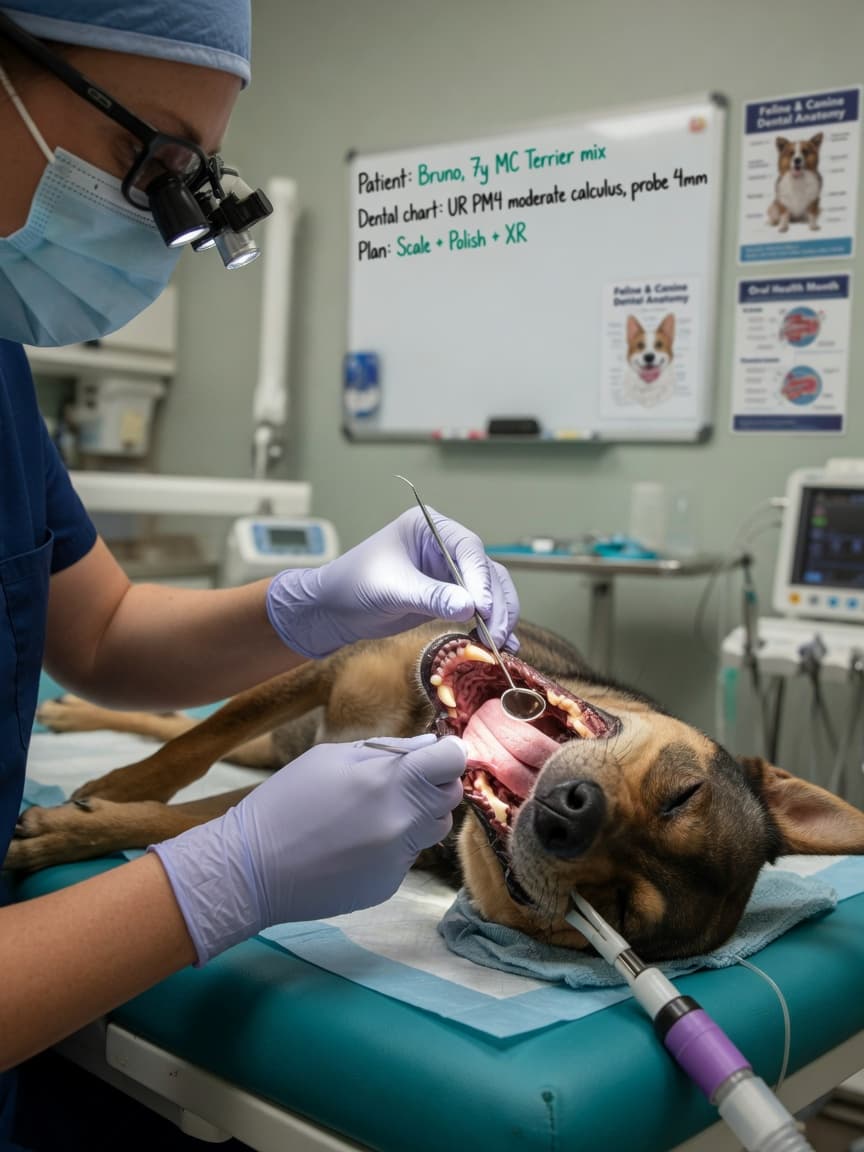
A tooth root abscess — more precisely called a periapical abscess — is a localised bacterial infection that develops at the tip of a tooth's root. The…

Yes — green beans are one of the very best vegetable treats you can offer a dog. They are low in calories, high in dietary fibre, and contain a useful…
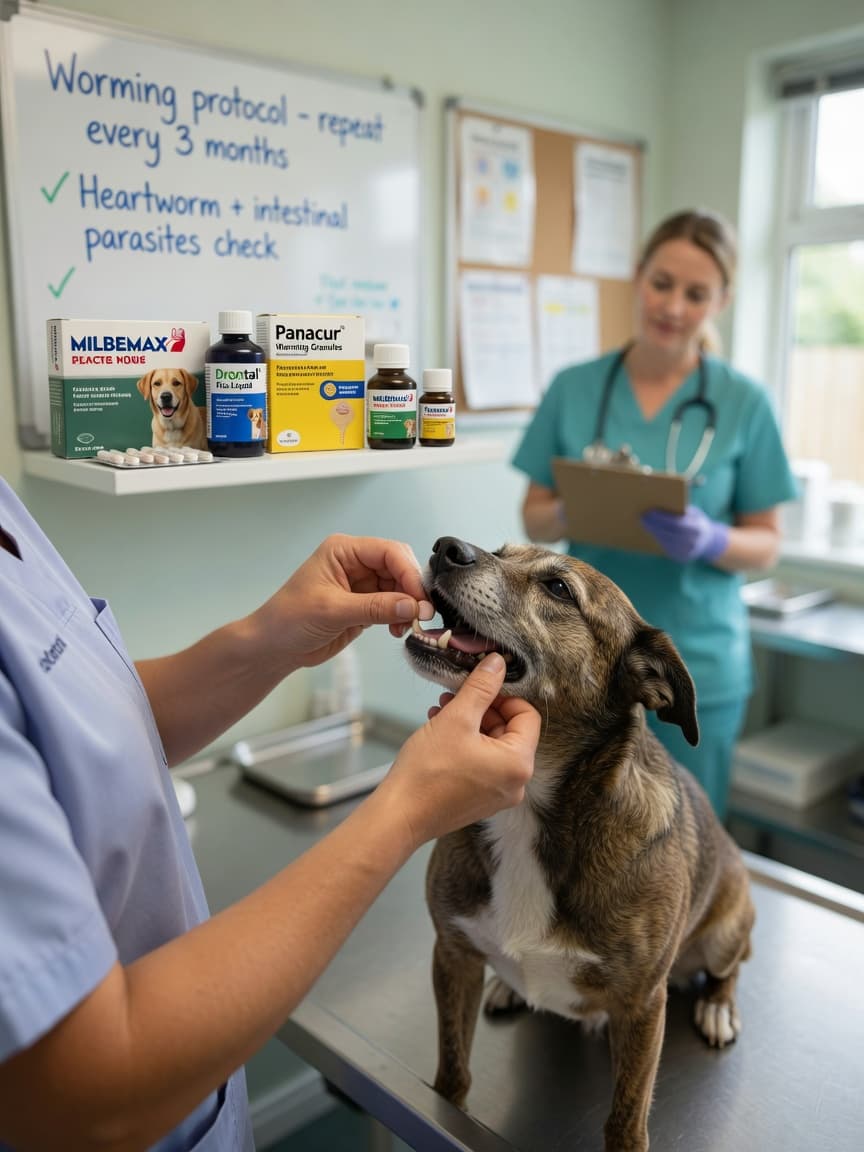
Studies estimating the prevalence of intestinal worms in pet dogs and cats consistently find infection rates ranging from ten to thirty percent in…

The bunny kick is one of the most distinctive behaviours in a cat's repertoire. When a cat wraps their front paws around an object — whether a toy, a…
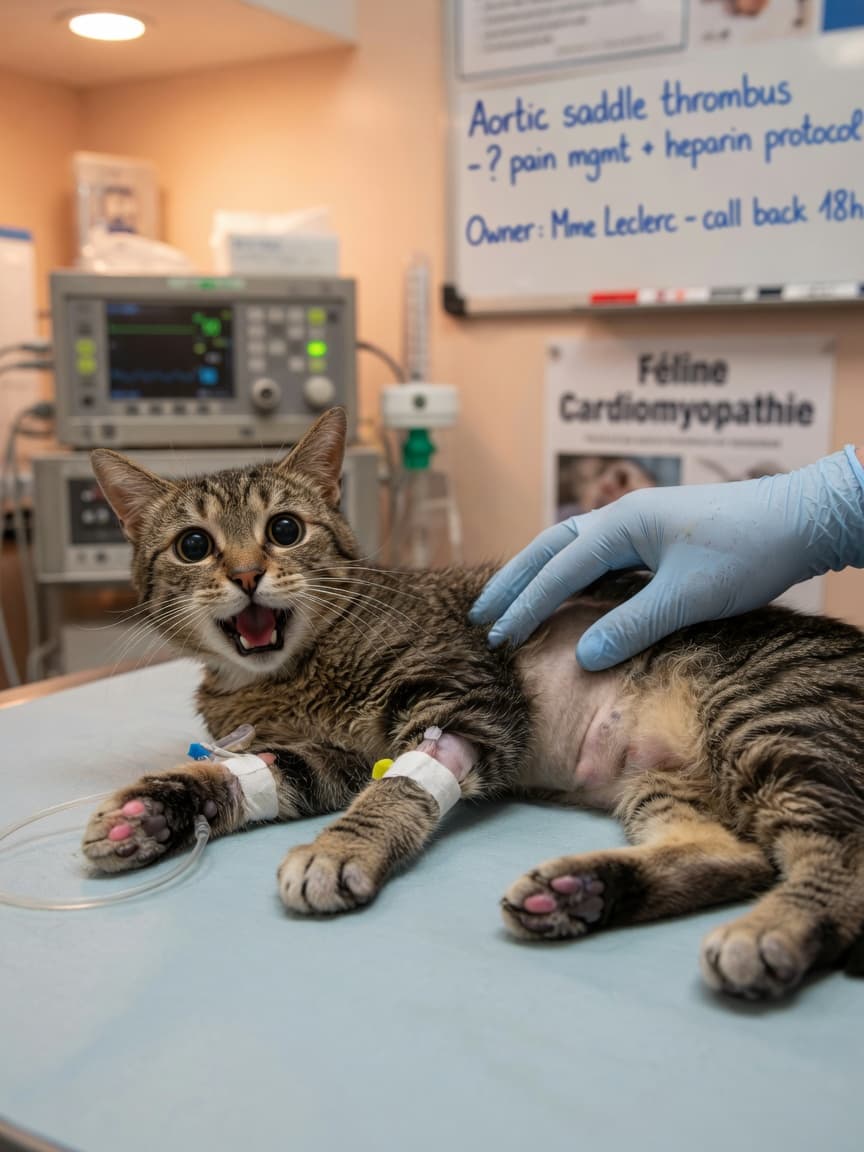
If your cat has suddenly lost the use of its back legs, is crying out in pain, and has cold or discoloured paws, do not wait. This presentation is a…
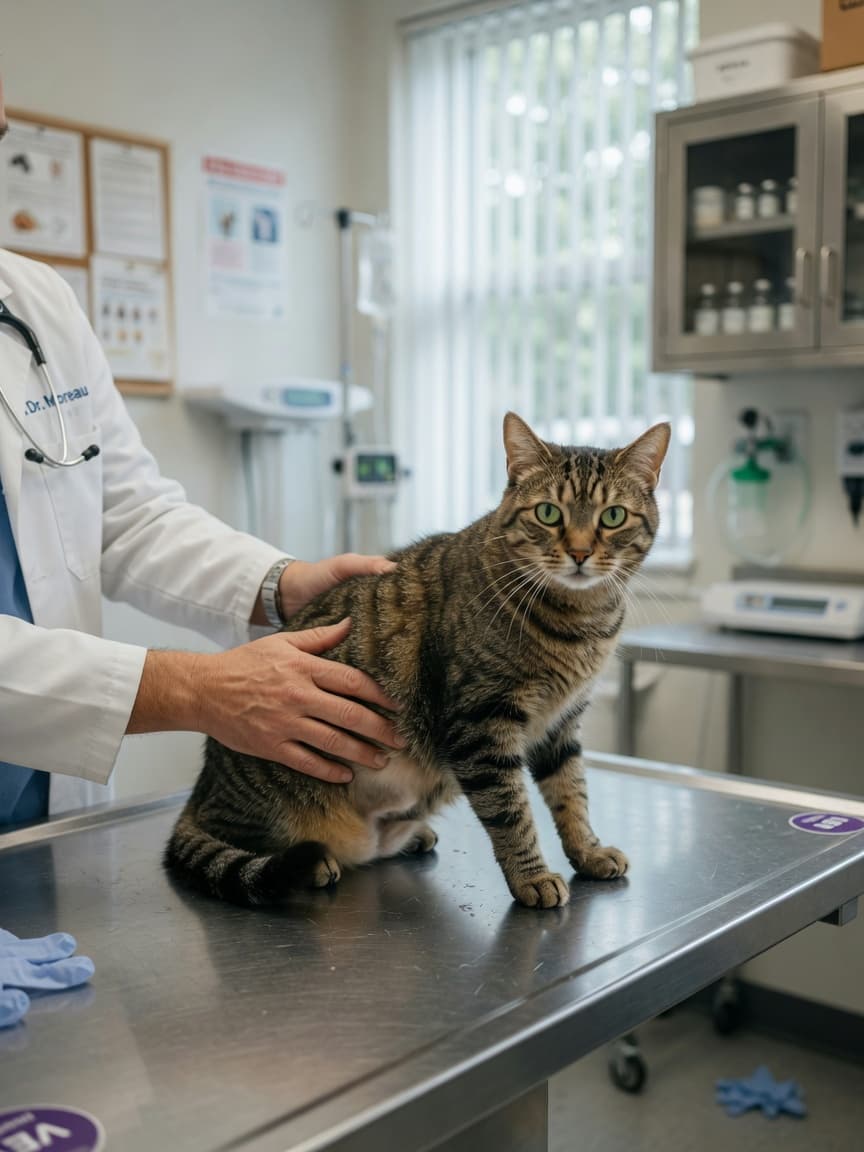
Cats have evolved to conceal vulnerability. In the wild, showing weakness invites predation, and domestic cats retain this instinct strongly. This…

Despite its name, ringworm has nothing to do with worms. It is a fungal infection of the skin, hair and occasionally nails, known medically as…
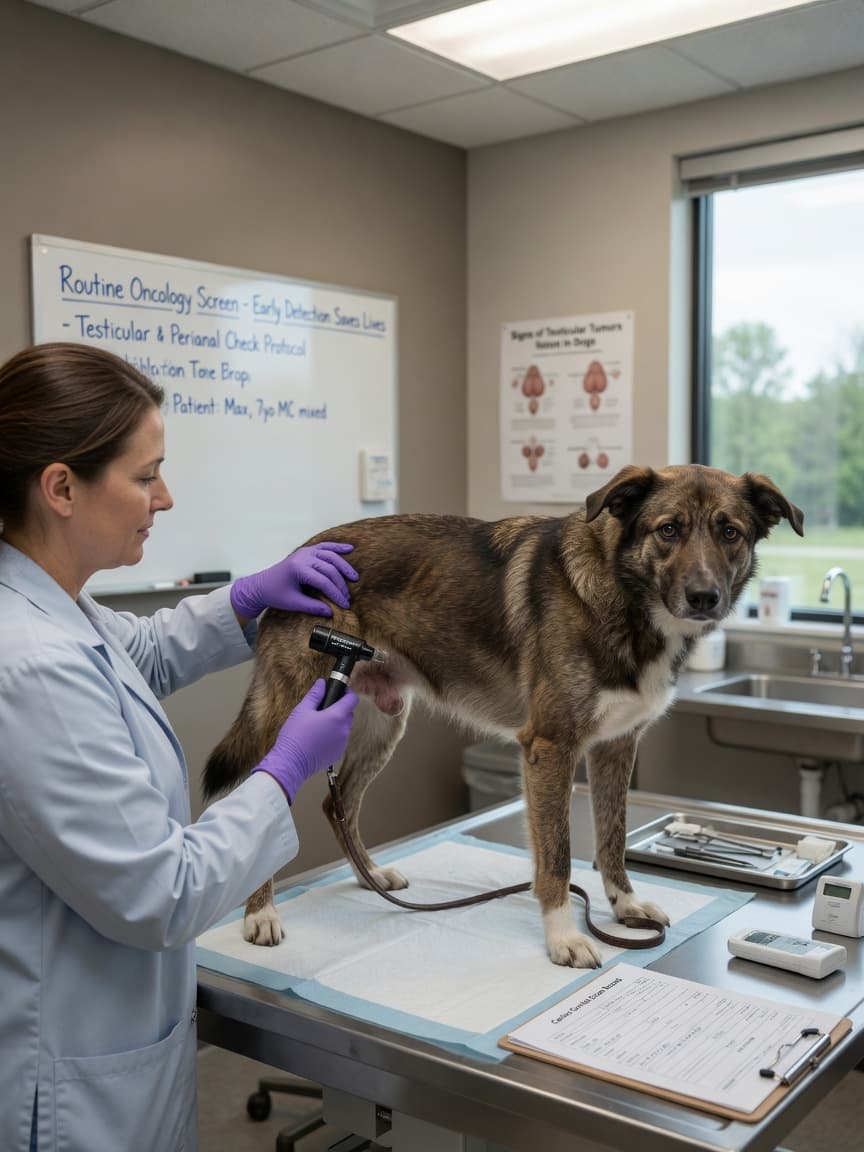
Two types of reproductive tumour in dogs deserve particular attention from owners: transmissible venereal tumour, a unique infectious cancer spread…

The question of how long a dog can be left alone is one of the most commonly searched topics by dog owners, and the answer is more complicated than a…

The English Springer Spaniel is one of Britain's most enduring working and family dogs — energetic, affectionate, and built for endurance. Yet beneath…
Free newsletter
Weekly science-backed advice for dog & cat owners. No spam, unsubscribe anytime.