
What Every Budgie Owner Should Know About Common Health Threats
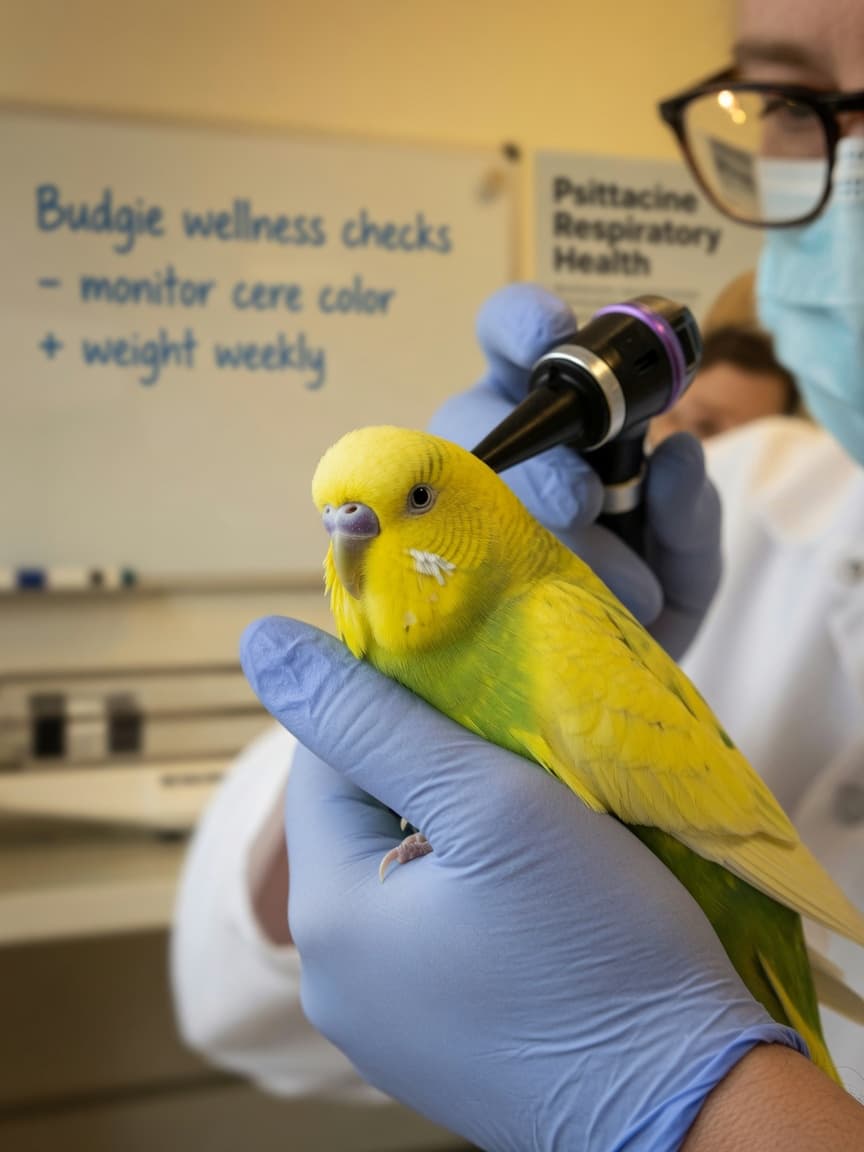
Budgerigars are hardy little birds, but statistics suggest that up to 50% of budgies over the age of five will develop some form of tumour during their lifetime. Add to that a range of parasitic and bacterial conditions that are easy to miss until they become serious, and it becomes clear that knowing the warning signs is one of the most valuable things you can do as an owner. This guide covers three of the most prevalent health concerns in budgerigars: tumours, scaly face mites, and megabacteria.
Tumours in Budgerigars
Neoplasia, the medical term for abnormal tissue growth, is remarkably common in budgerigars compared to most other pet birds. The high incidence is thought to be linked to genetic predisposition, particularly in birds bred from a limited gene pool.
Types of Tumour Commonly Seen
The most frequently diagnosed tumours in budgies include lipomas (benign fatty lumps), kidney tumours, gonadal tumours, and pituitary gland tumours. Kidney and gonadal tumours are of particular concern because they can press on the sciatic nerve, causing lameness in one or both legs — a symptom that owners often mistake for injury.
Pituitary tumours, while internal and invisible, can cause a bird to become lethargic, drink excessively, and gain weight despite a normal diet. Lipomas are visible as soft, yellowish swellings beneath the skin, most often on the chest or abdomen.
What to Do If You Suspect a Tumour
Any unexplained lump, leg weakness, weight change, or behavioural shift warrants a prompt veterinary assessment. An avian vet may recommend radiography or ultrasound to identify internal masses. Surgical removal is possible in some cases, though success depends heavily on tumour location and the bird's overall condition. Consulting a vet early gives the best chance of a positive outcome.
Scaly Face Mites
Scaly face mites, caused by the microscopic parasitic mite Knemidocoptes pilae, are one of the more visually striking conditions a budgie can develop. Despite their alarming appearance, they are treatable — provided they are caught reasonably early.
Recognising the Signs
The mites burrow into the skin around the beak, cere (the fleshy area above the beak), eye rings, and sometimes the legs and feet. This causes a characteristic crusty, honeycomb-like or coral-like overgrowth. The beak itself can become deformed if the condition is left untreated for an extended period. Affected birds may scratch at their face or show visible discomfort, though some carry the mites for months before symptoms become obvious.
Treatment and Prevention
Treatment typically involves a topical antiparasitic medication prescribed by an avian vet, applied directly to the affected areas and repeated at intervals to break the mite life cycle. Do not attempt to scrape off the crusts, as this can cause pain and bleeding. All birds sharing a cage should be examined and treated if necessary. Regular cage hygiene reduces reinfection risk, though mites are primarily spread through direct bird-to-bird contact.
Megabacteria (Avian Gastric Yeast)
Despite its name, megabacteria is not actually a bacterium. It is a fungal organism now classified as Macrorhabdus ornithogaster, and it infects the proventriculus — the glandular stomach — of budgerigars and other small parrots. It is one of the most common causes of chronic wasting in budgies.
Symptoms to Watch For
- Gradual weight loss despite a normal or increased appetite
- Regurgitation of whole or partially digested seeds
- Passage of undigested seed in the droppings
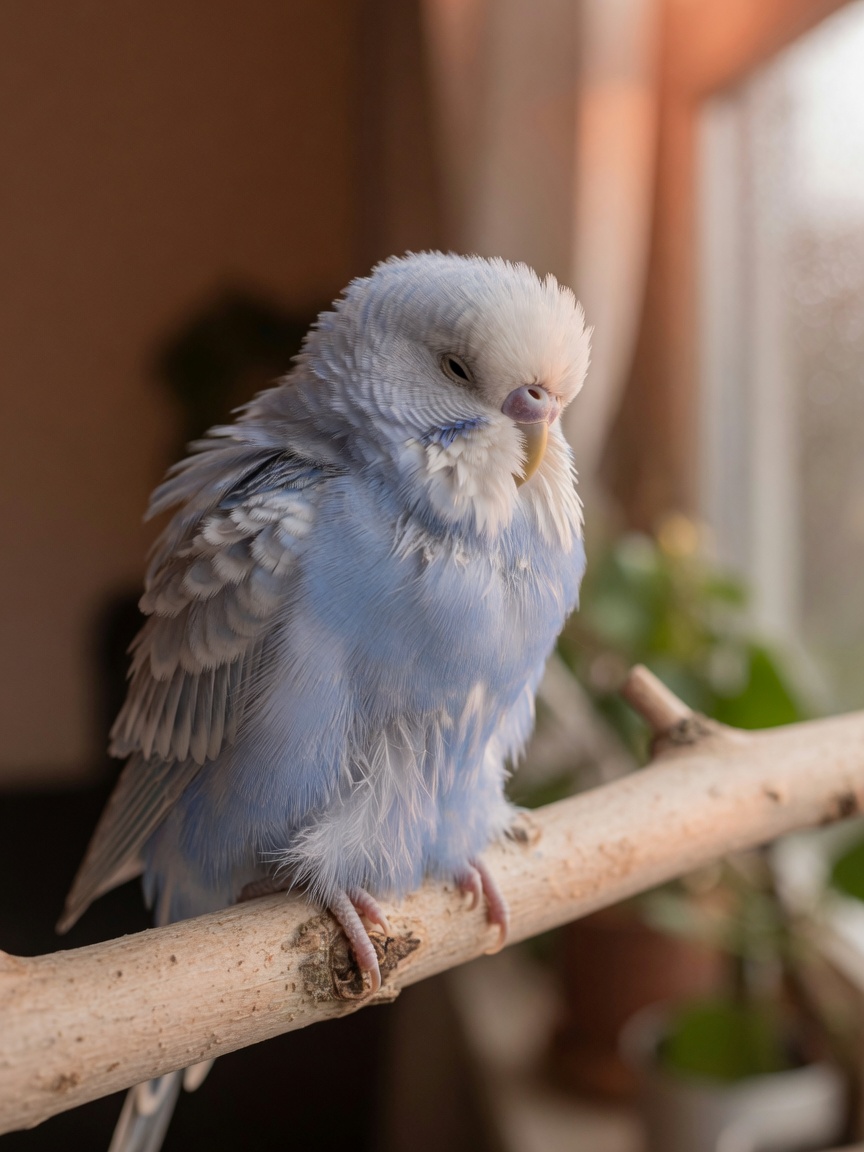
- General lethargy and fluffed feathers
- Sudden death in birds that appeared only mildly unwell
Because the symptoms develop slowly, many owners attribute early signs to normal ageing. A bird losing weight should always be assessed by a vet, as early intervention significantly improves prognosis.
Diagnosis and Treatment
Diagnosis is confirmed through faecal examination or post-mortem analysis. Treatment with antifungal medication — most commonly amphotericin B — can suppress the organism, though complete elimination is difficult and relapse is possible. Reducing dietary stress and ensuring optimal nutrition supports recovery alongside medical treatment.
General Preventive Care for Budgerigars
Many of the conditions above become more serious due to delayed diagnosis. Building a routine of observation makes a genuine difference. Key preventive habits include:
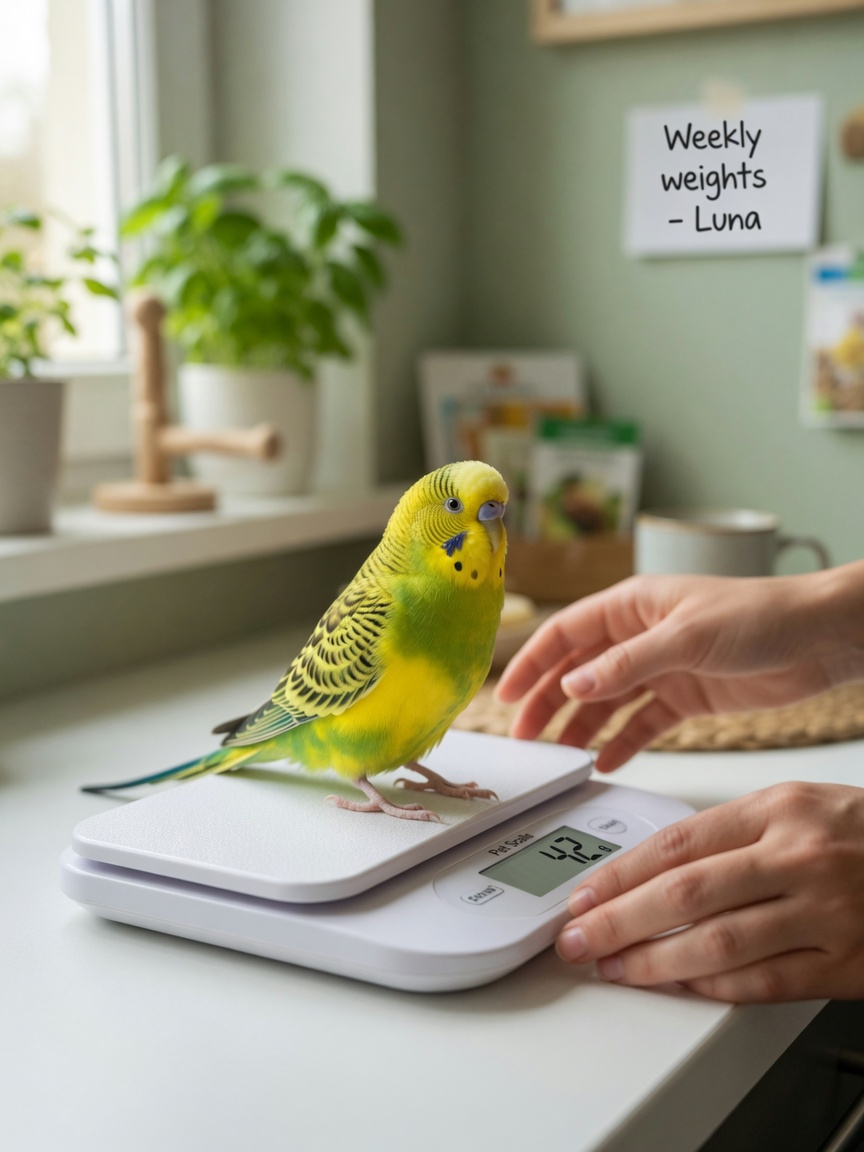
- Weighing your budgie weekly using a small digital scale — weight loss is often the first detectable sign of illness
- Examining the cere, beak, and feathers during regular handling
- Scheduling an annual health check with an avian vet, even when the bird appears well
- Quarantining new birds for at least 30 days before introducing them to resident birds
- Providing a varied, nutritionally complete diet rather than seed alone
Key Takeaways
Budgerigars mask illness well — it is an evolutionary survival strategy that can work against them in a domestic setting. Tumours, scaly face mites, and megabacteria are all manageable conditions when caught early, but they can progress rapidly without treatment. If your bird shows any change in weight, behaviour, droppings, or physical appearance, book an appointment with an avian vet promptly. Being proactive about your budgie's health is the single most effective thing you can do to extend both the length and quality of their life.