
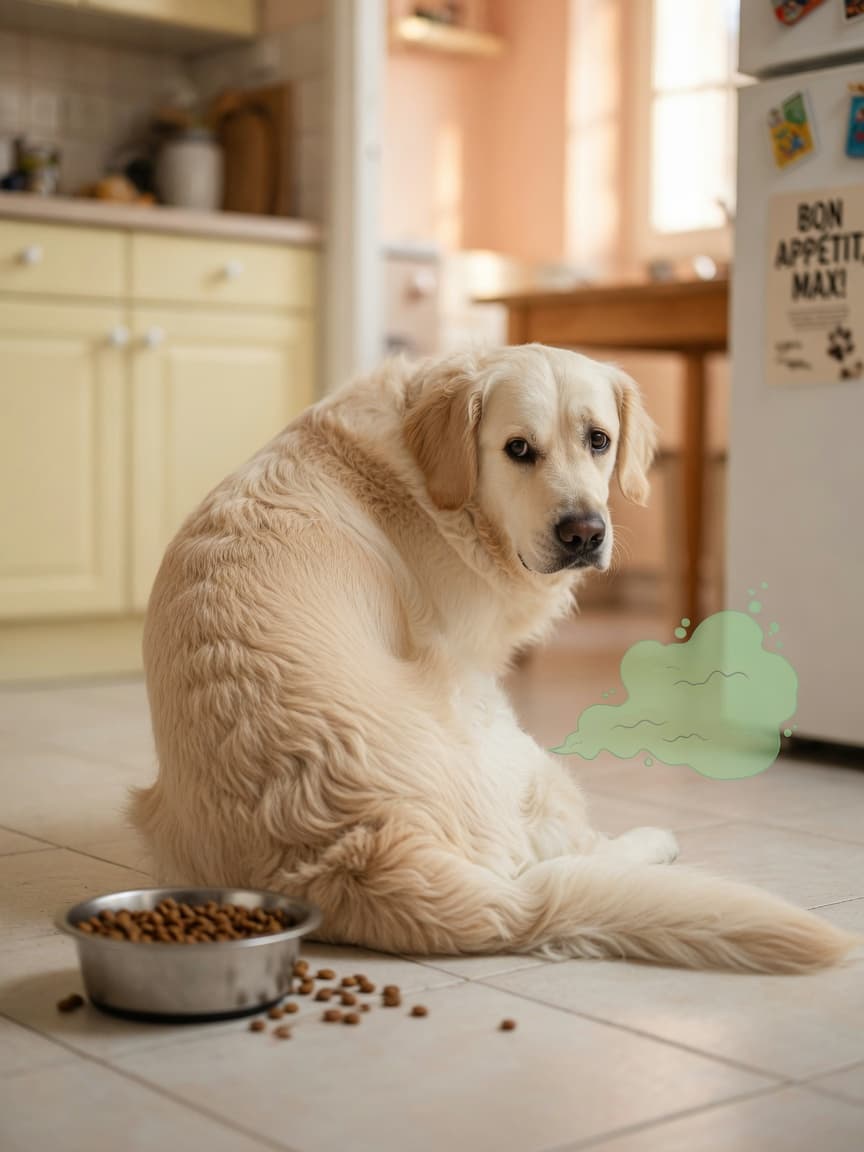
Why Do Dogs Produce Gas?
Some degree of flatulence is entirely normal in dogs. Gas is produced as a natural by-product of digestion — bacteria in the large intestine ferment undigested food particles, releasing gases including hydrogen, methane, and carbon dioxide. Just as with humans, the amount of gas produced depends heavily on what the dog eats, how quickly they eat, and the individual balance of bacteria in their gut. Some breeds are noticeably more prone to flatulence than others.
Brachycephalic Breeds and Aerophagia
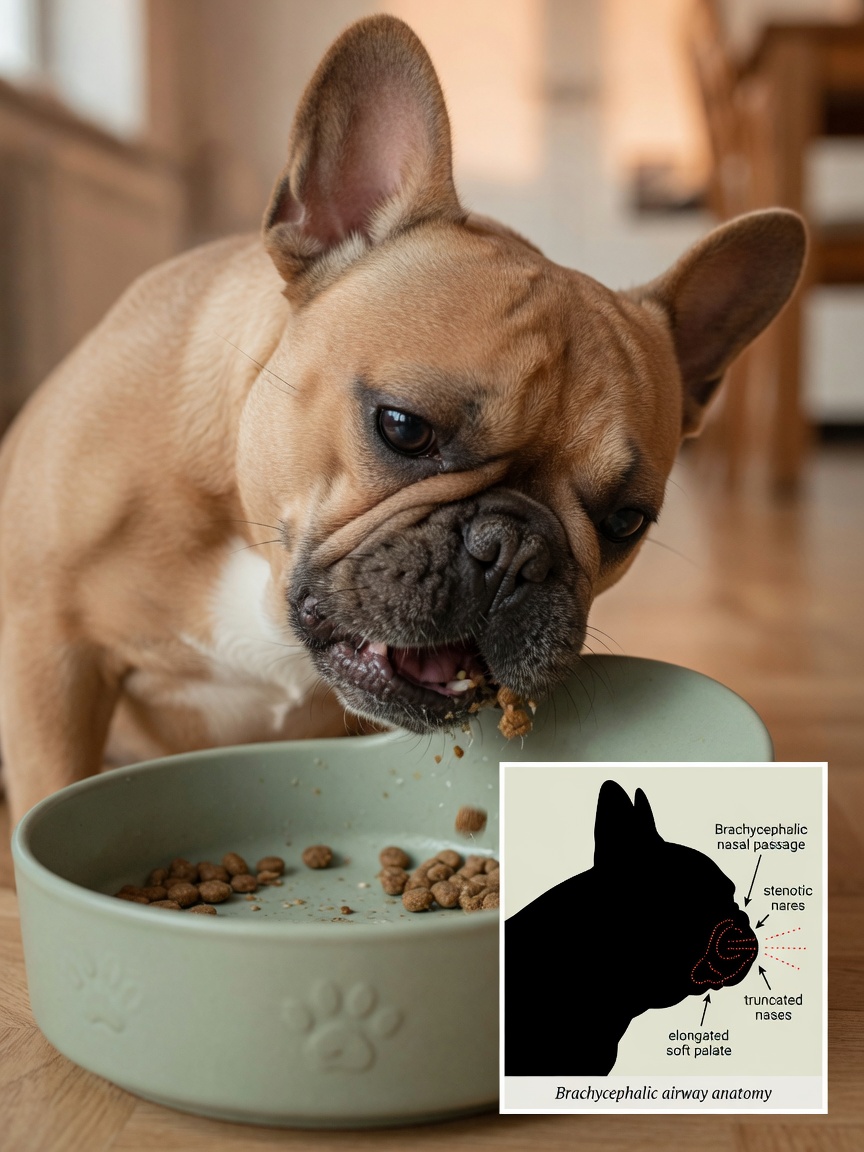
Dogs with flat faces — known as brachycephalic breeds — tend to swallow significantly more air than other dogs when they eat and drink. This swallowing of excess air is called aerophagia, and it leads to increased gassiness. Bulldogs, French Bulldogs, Pugs, Boxers, and Boston Terriers are among the breeds most commonly affected. Because of the anatomy of their shortened muzzles, these dogs cannot create a tight seal around their food bowl, and air is gulped in alongside every mouthful. If you own one of these breeds, some level of flatulence is almost inevitable, though diet adjustments can still help reduce it.
Dietary Causes of Dog Flatulence
Diet is the most significant controllable factor in canine flatulence. Several ingredients and feeding habits are well-known contributors.
- Beans and legumes — ingredients such as peas, lentils, chickpeas, and soya are highly fermentable and produce substantial gas in many dogs. These are increasingly common in grain-free diets.
- Dairy products — most adult dogs have reduced ability to digest lactose. Milk, cheese, and yoghurt can cause fermentation and gas in lactose-intolerant individuals.
- High-fat diets — fatty foods slow gastric emptying, giving gut bacteria more time to ferment the contents and produce gas.
- Sudden diet changes — switching food abruptly disrupts the gut microbiome, leading to a temporary period of increased gas production. All dietary changes should be made gradually over seven to ten days.
- Low-quality ingredients — foods containing large amounts of poorly digestible fillers, artificial additives, and by-products tend to produce more fermentable residue in the colon.
- Table scraps — many human foods are difficult for dogs to digest properly. Onions, spicy foods, cruciferous vegetables such as broccoli and cabbage, and fried foods are particularly problematic.
- Soya protein — a common ingredient in budget pet foods, soya is highly gas-producing in dogs.
Behavioural Causes
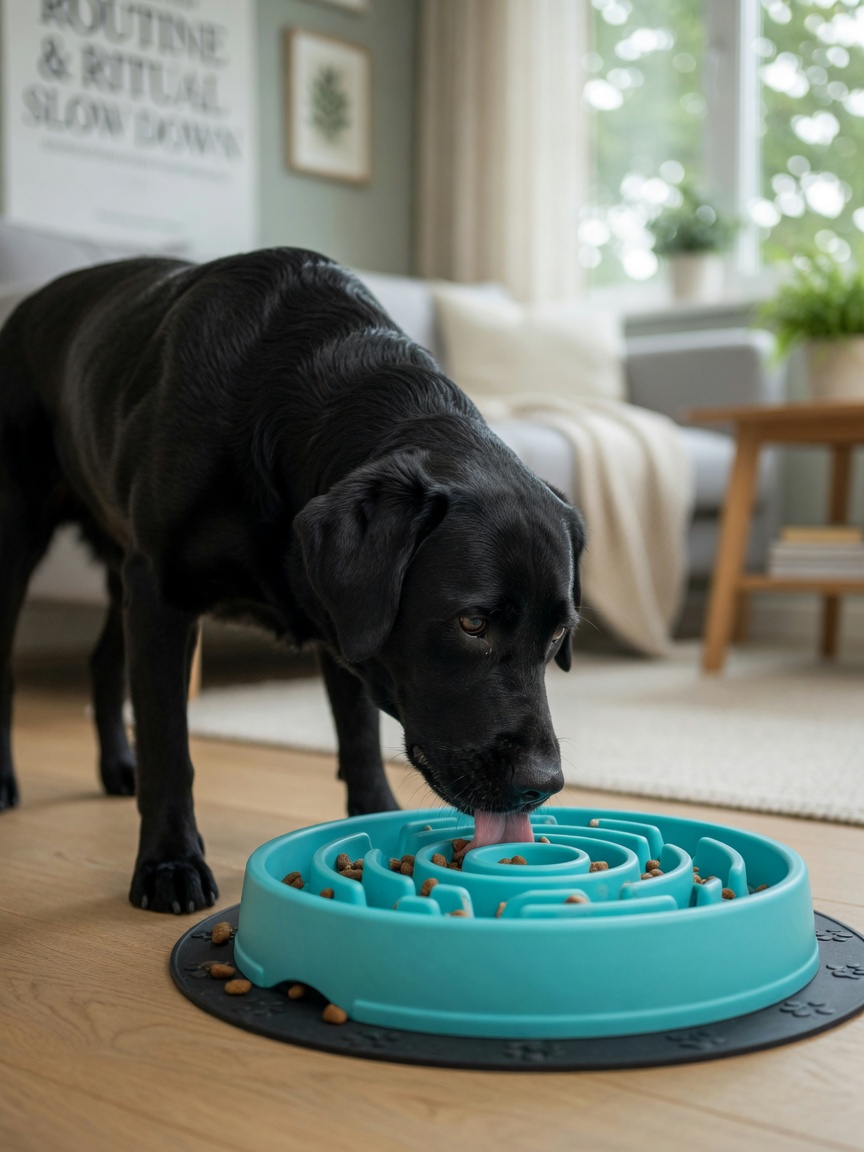
The speed at which a dog eats can have a surprisingly large impact on how gassy they are. Dogs that eat very quickly gulp large volumes of air alongside their food. Using a slow feeder bowl — a bowl designed with ridges and obstacles that force the dog to eat more slowly and methodically — can reduce air intake significantly and has the added benefit of making mealtimes more mentally stimulating.
Vigorous exercise immediately after eating can also disrupt normal digestion and contribute to gas. Where possible, allow at least 30 minutes of calm rest after meals before any energetic activity.
Medical Causes of Excessive Gas
If your dog has always eaten the same diet but suddenly becomes much more flatulent, or if the gas is accompanied by other symptoms, a medical cause should be considered.
- Food intolerance or sensitivity — dogs can develop intolerances to specific proteins or carbohydrates over time, including gluten sensitivity and lactose intolerance
- Inflammatory bowel disease (IBD) — chronic inflammation of the gastrointestinal tract impairs digestion and alters the gut bacterial population
- Malabsorption disorders — conditions that prevent proper nutrient absorption leave more fermentable material for gut bacteria
- Intestinal parasites — worm infestations can disrupt gut flora and digestion
- Small intestinal bacterial overgrowth (SIBO) — an abnormal proliferation of bacteria in the small intestine leads to excess fermentation
Practical Remedies for Dog Flatulence
If you have ruled out a medical cause, the following approaches can make a meaningful difference to your dog's wind production.
- Switch to a premium, highly digestible diet formulated with easily absorbed protein sources and limited fermentable ingredients
- Introduce a canine probiotic supplement — products such as Protexin Pro-Fibre or Purina Pro Plan FortiFlora help restore a healthy gut microbiome and can reduce fermentation. Introduce slowly to avoid an initial increase in gas.
- Use a slow feeder bowl to reduce air swallowing during meals
- Feed smaller, more frequent meals rather than one large meal per day — this reduces the volume of food fermenting in the gut at any one time
- Eliminate gas-producing foods including dairy, legumes, and table scraps entirely
- Ensure your dog rests for at least 30 minutes after each meal before exercise
- Avoid sudden diet changes — always transition between foods gradually
Supplements for Gas Relief
Two supplements are sometimes used to reduce canine flatulence. Yucca schidigera, a plant extract, is believed to reduce faecal and intestinal odour and is included in some commercial dog foods for this reason. Simethicone, the active ingredient in many human wind relief products, can help break up gas bubbles in the gut — some vets recommend small doses for dogs, though you should always check with your vet before using any human preparation. Neither supplement addresses the underlying dietary or medical cause, so they work best alongside diet management.
When to See the Vet
Most flatulence in dogs is a nuisance rather than a health concern, but there are situations where professional advice is warranted. Contact your vet if:
- The flatulence is excessive or has become noticeably worse
- Gas is accompanied by diarrhoea, vomiting, or weight loss
- Your dog's appetite has changed or they seem uncomfortable after meals
- There has been a sudden change in a dog that was previously not particularly gassy
Bloat: Know the Emergency Signs
Gastric dilatation and volvulus (GDV), commonly called bloat, is a life-threatening emergency that should never be confused with ordinary flatulence. If your dog's abdomen becomes visibly distended and they are repeatedly retching or attempting to vomit without bringing anything up, this is not gas — this is a potential GDV. The stomach fills with gas and may twist, cutting off blood supply to vital organs. This condition can be fatal within hours. If you observe these signs, go to an emergency vet immediately without delay.
Large, deep-chested breeds including Great Danes, German Shepherds, Standard Poodles, and Weimaraners are at highest risk of GDV, though it can occur in any breed. If you own a high-risk breed, discuss preventive gastropexy — a surgical procedure that tacks the stomach in place — with your vet.