
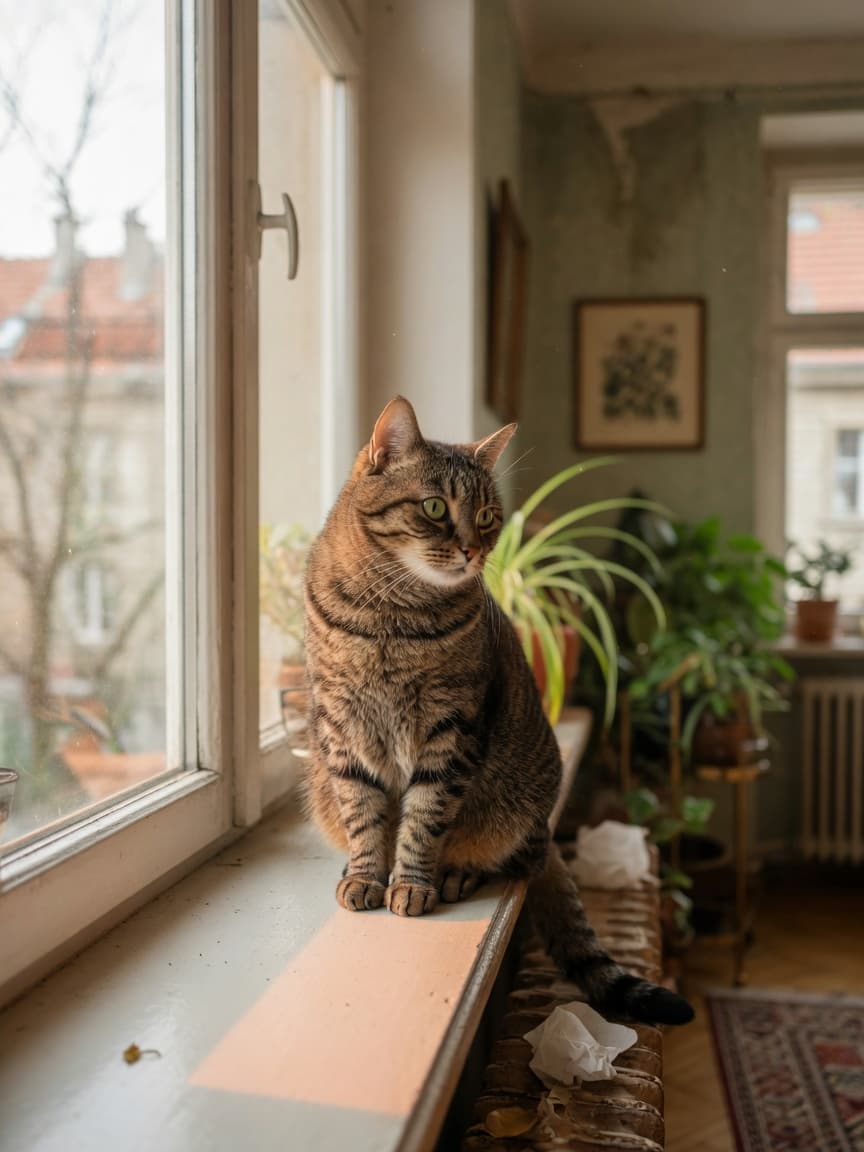
Discovering that your cat has bypassed their litter box can be frustrating and concerning. This common behavioural problem, known as inappropriate elimination, affects many cat owners and can indicate anything from medical issues to environmental stress. Rather than viewing it as wilful misbehaviour, understanding the underlying cause is the first step to resolving the issue and restoring your cat's good habits.
Medical Causes to Rule Out First
Before addressing behavioural factors, it's essential to eliminate medical causes. Gastrointestinal issues are frequently responsible for litter box avoidance.
- Digestive disorders: Diarrhoea, constipation, inflammatory bowel disease, and food sensitivities can make your cat avoid the litter box or become unable to reach it in time
- Intestinal parasites: Worms and other parasites cause digestive upset and urgency, prompting accidents outside the box
- Hyperthyroidism: This common condition in older cats increases appetite and bowel movements, potentially leading to accidents
- Arthritis and mobility issues: Pain or stiffness may prevent your cat from comfortably accessing their litter box
- Anal gland problems: Discomfort in this area can cause avoidance of the litter box entirely
Schedule a veterinary appointment with a stool sample if your cat exhibits any signs of digestive problems. Your vet may recommend dietary changes, medications, or further investigations depending on what they find.
The Litter Box Environment
Cats are fastidious creatures with specific preferences about their toileting facilities. Environmental factors play a significant role in litter box acceptance.
- Box cleanliness: Most cats dislike using soiled boxes. Aim to scoop daily and perform a complete clean weekly
- Box size and type: The box should be 1.5 times your cat's body length. Some cats prefer open boxes, whilst others feel safer in covered ones
- Litter type: Your cat may have developed a preference or aversion to certain litters. Fine-grained, unscented varieties work well for most cats
- Location: The box should be easily accessible, away from food and water bowls, and in a quiet area where your cat won't feel trapped
- Number of boxes: The general rule is one box per cat, plus one extra. Multiple cats benefit from boxes in different locations
Stress and Behavioural Factors
Cats respond sensitively to changes in their environment. Stress is a common trigger for inappropriate elimination.
- Changes to household routines or new family members
- Moving house or rearranging furniture
- Loud noises or construction work
- Conflict with other pets in the home
- Lack of vertical territory or hiding spaces
Creating a calm environment with vertical spaces, hiding spots, and consistent routines helps reduce stress-related toileting problems.
Age-Related Considerations
Kittens and senior cats have different litter box needs. Young kittens are still learning, whilst older cats may experience cognitive decline (feline cognitive dysfunction) that affects their bathroom habits. Ensure boxes are easily accessible for senior cats and placed on each floor of your home.
What To Do Now
- Contact your veterinary surgery to rule out medical causes
- Clean all soiled areas thoroughly with enzymatic cleaners to remove scent markers
- Evaluate your litter box setup—cleanliness, size, type, and location
- Temporarily increase the number of boxes around your home
- Avoid punishing your cat, as this increases stress and worsens the problem
- Consider using a Feliway diffuser to help reduce anxiety
Key Takeaways
Cats don't eliminate outside the litter box to be difficult—they're communicating a problem. Whether it's a medical issue, environmental concern, or stress-related behaviour, identifying the cause is crucial. Work with your vet and adjust your cat's environment accordingly. With patience and systematic troubleshooting, most cats return to using their litter box consistently.