
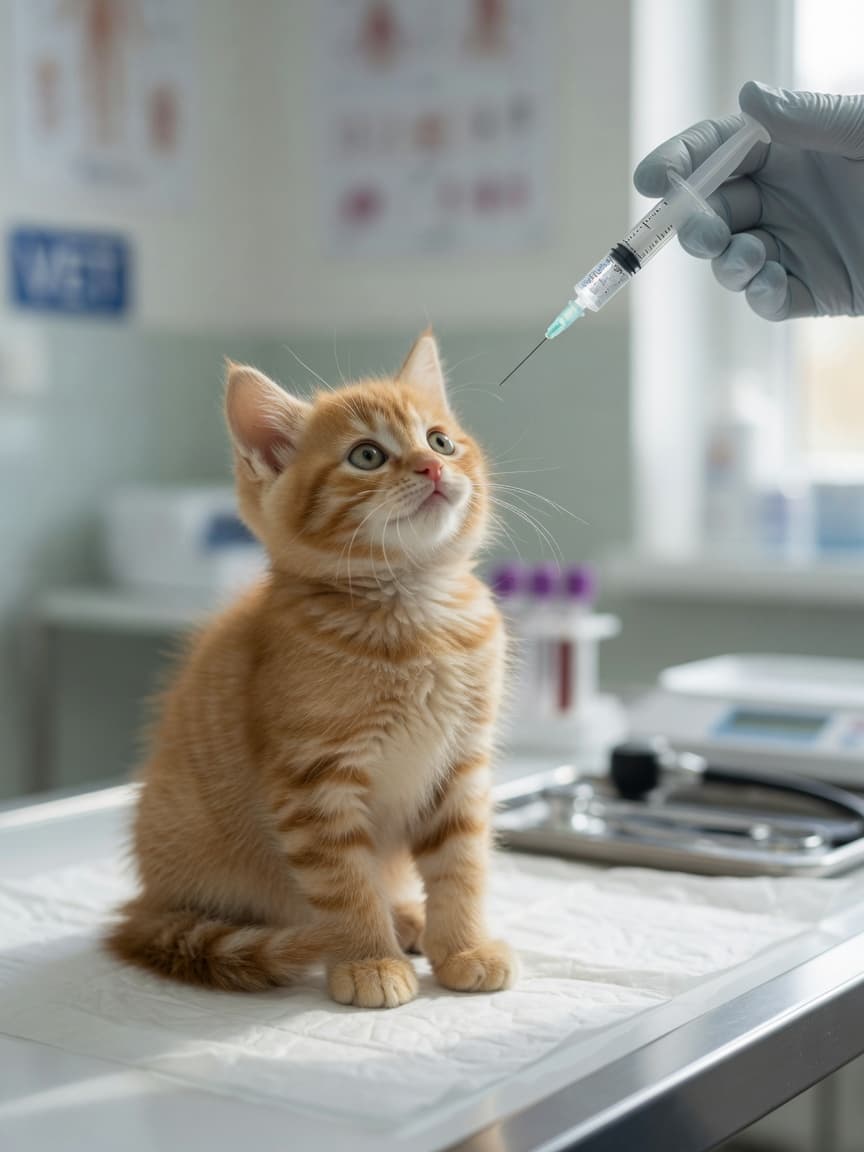
Bringing a new kitten into your home is an exciting time, but it also comes with important responsibilities—and vaccination is one of the most critical decisions you'll make for their health. Kittens are particularly vulnerable to infectious diseases during their early weeks, which is why a proper vaccination schedule is essential. Understanding which vaccines your kitten needs, when they're due, and why they matter will help you give your new companion the best start in life.
Core Vaccinations: The Essential Protections
Core vaccinations are those recommended for every kitten, regardless of lifestyle or location. These protect against diseases that are widespread, potentially fatal, and easily transmitted between cats.
- Feline Panleukopenia (FP): Also called feline parvovirus or cat flu, this highly contagious disease attacks the immune system and can be fatal, especially in young kittens. Vaccination protection is excellent and long-lasting.
- Feline Herpesvirus-1 (FHV-1): This virus causes respiratory disease and can lead to chronic eye problems. Most cats are exposed to it at some point in their lives.
- Feline Calicivirus (FCV): Another respiratory virus that causes sneezing, ulcers in the mouth, and general malaise. Vaccination reduces severity even if infection occurs.
- Rabies: This fatal neurological disease can affect humans and other animals. Rabies vaccination is required by law in many European countries.
Most kittens receive these vaccines combined in a single injection called the "feline triple" or "feline combination vaccine," often abbreviated as FVRCP (Feline Viral Rhinotracheitis, Calicivirus, Panleukopenia).
Non-Core Vaccinations: Individual Risk Assessment
Non-core vaccines are recommended based on your kitten's lifestyle, environment, and risk factors. Discuss these with your vet:
- Feline Leukaemia Virus (FeLV): Highly recommended for outdoor cats or those with outdoor access. Indoor-only cats have minimal risk but may still benefit depending on circumstances.
- Feline Immunodeficiency Virus (FIV): Transmission typically occurs through deep bite wounds, making it more relevant for outdoor or multi-cat households with unknown health histories.
- Feline Infectious Peritonitis (FIP): This vaccine is less commonly recommended and is typically considered only in specific high-risk situations.
The Vaccination Schedule: When to Vaccinate
Timing is crucial for vaccine effectiveness. Here's the typical schedule your vet will follow:
- 6-8 weeks of age: First core vaccination (FVRCP)
- 10-12 weeks of age: Second core vaccination booster
- 16-18 weeks of age: Third core vaccination booster, plus rabies vaccine
- 1 year later: Booster vaccines
- Thereafter: Every 1-3 years depending on vaccine type and your vet's recommendations
Your kitten's mother provides some immunity through nursing, but this protection gradually wanes, which is why multiple doses are needed to ensure full protection as maternal antibodies decrease.
What to Expect After Vaccination
Most kittens tolerate vaccinations well. You might notice mild, temporary side effects such as slight lethargy or a small swelling at the injection site. These typically resolve within 24 hours. Contact your vet if you notice severe reactions like persistent vomiting, difficulty breathing, or facial swelling, though these are rare.
Working With Your Veterinarian
Every kitten is unique, and your vet will tailor a vaccination plan based on your kitten's individual health status, lifestyle, and your location. Indoor kittens have different risks than those with outdoor access. Some regions have higher disease prevalence than others. During your kitten's initial appointment, discuss their likely environment and ask your vet which vaccines they recommend.
Key Takeaways
Vaccinations are one of the most cost-effective investments in your kitten's long-term health. Core vaccines (FVRCP and rabies) are essential for all kittens, whilst non-core vaccines depend on individual circumstances. Start your kitten's vaccination schedule at 6-8 weeks of age and keep booster appointments on track. Maintaining proper vaccination records is important, especially if you travel with your cat or board them. By following your vet's recommendations, you're protecting not only your kitten but also the wider cat community from preventable diseases.