
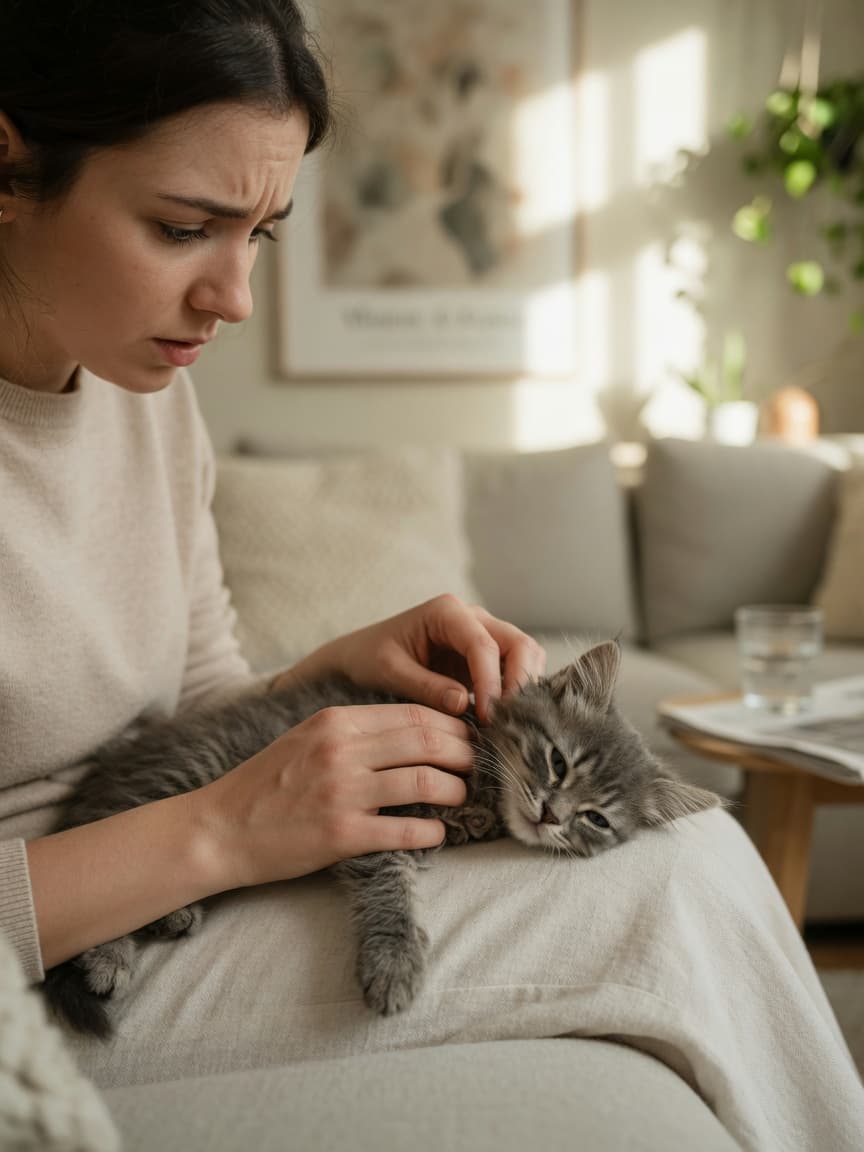
Caring for a sick kitten can be stressful, especially if you're a first-time cat parent. Young kittens are vulnerable to various illnesses, from viral infections to parasites, and recognising the signs early is crucial for their recovery. This guide will help you understand the essentials of kitten care during illness, when to seek veterinary help, and how to support your little one through the healing process.
Recognising the Signs of Illness
Kittens can deteriorate quickly when unwell, so it's important to know what to watch for. Common signs of illness include:
- Loss of appetite or refusing food
- Lethargy and excessive sleeping
- Vomiting or diarrhoea
- Sneezing, coughing, or nasal discharge
- Fever (warm ears and nose)
- Difficulty breathing or rapid breathing
- Excessive thirst or changes in urination
- Weakness or inability to stand
If your kitten displays any of these symptoms, contact your veterinary practice as soon as possible. Young kittens are at higher risk of serious complications, so early intervention is essential.
Creating a Comfortable Recovery Space
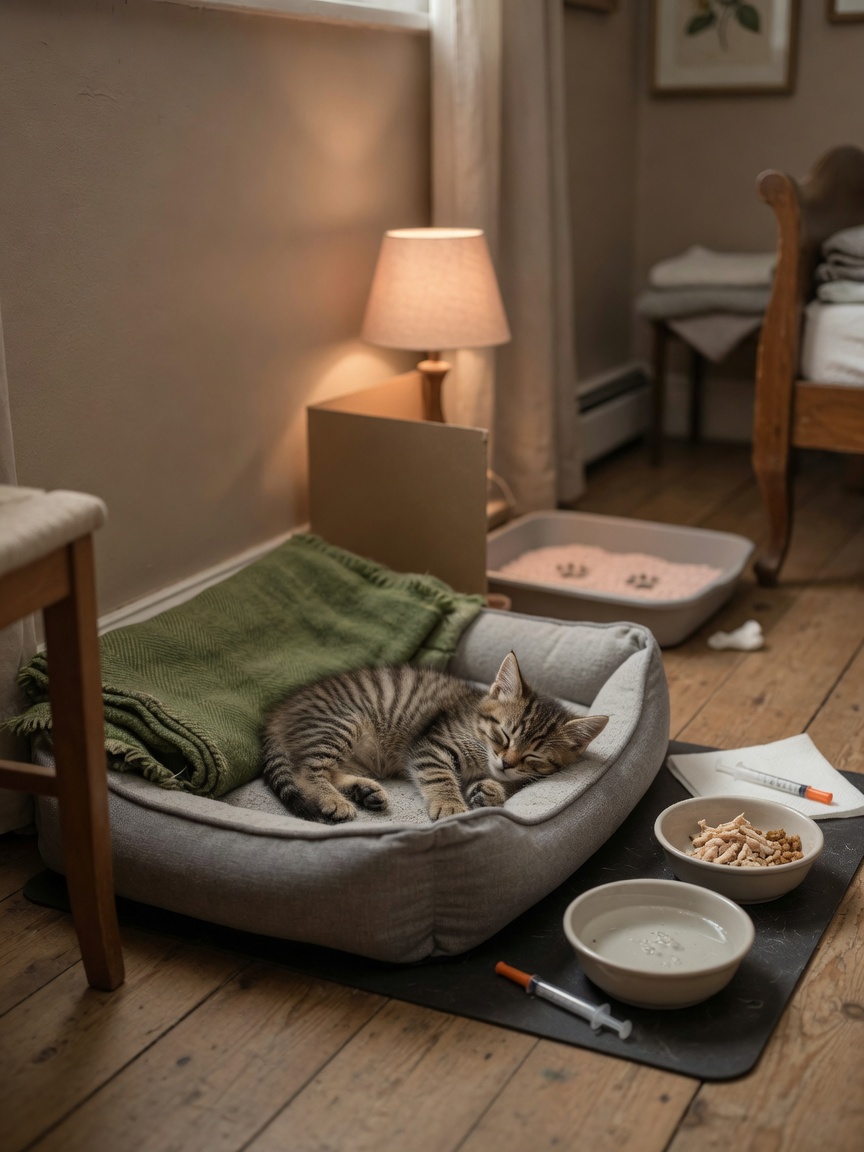
When your kitten is recovering, a quiet, warm, and accessible environment is vital. Set up a dedicated recovery area with:
- A comfortable bed or blanket in a quiet corner, away from household hustle
- Easy access to fresh water and food bowls placed nearby
- A litter tray close at hand—place it separately from food and water
- Dim lighting to reduce stress
- A consistent room temperature between 20-24°C
Keep children and other pets at a distance during this time, as stress can hinder recovery. Your kitten needs rest more than playtime whilst unwell.
Managing Nutrition and Hydration
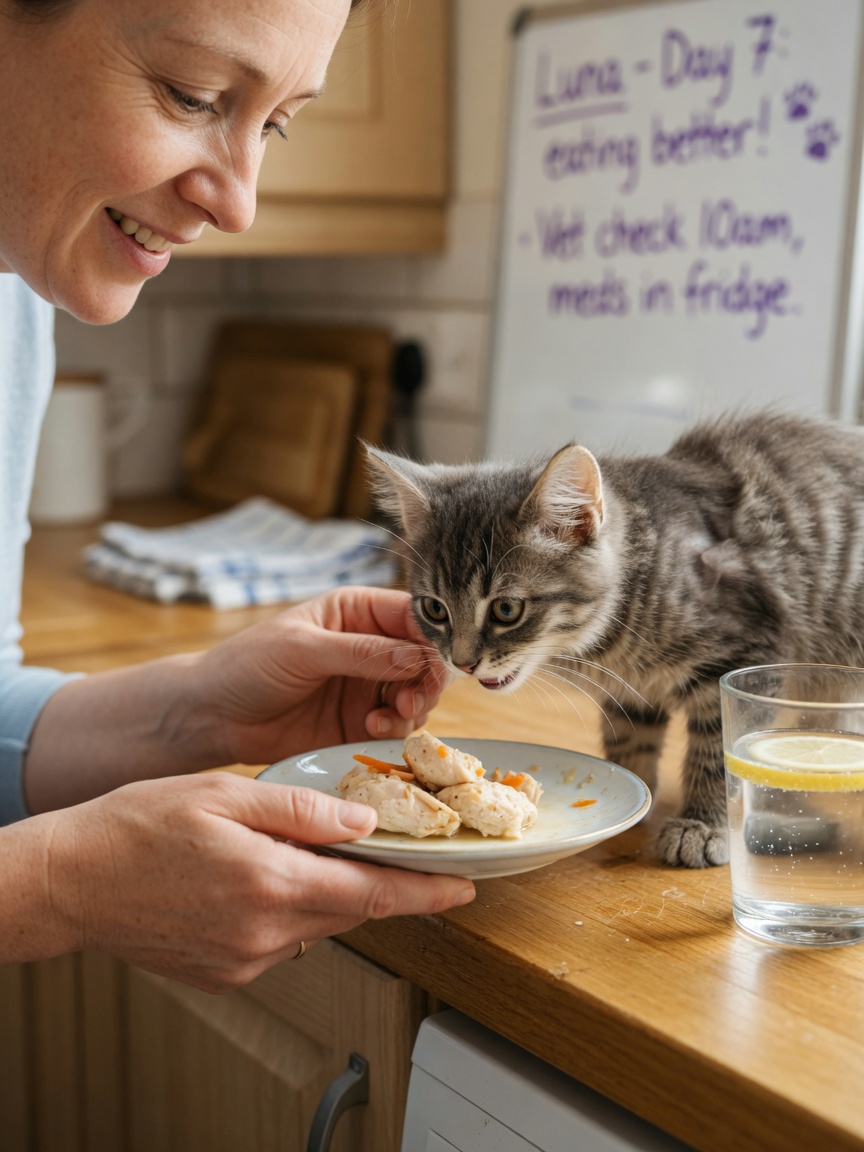
Maintaining proper hydration is critical for a sick kitten. Dehydration can worsen symptoms and complicate recovery. Offer fresh water frequently throughout the day. If your kitten refuses water, ask your vet about electrolyte solutions designed for kittens.
Regarding food, offer small, frequent meals of easily digestible options. Your vet may recommend a bland diet, such as cooked chicken or prescription recovery food. Some kittens refuse food temporarily, which is normal, but alert your veterinarian if appetite loss persists beyond 24 hours or your kitten loses weight rapidly.
Administering Medications Correctly
Follow your vet's dosage instructions precisely. Whether it's antibiotics, antivirals, or other treatments, consistency matters. Set reminders on your phone to administer medications on time. When giving tablets, wrap your kitten gently but firmly, supporting their head. For liquids, use the provided syringe to place medication at the back of their mouth, allowing them to swallow naturally.
Always complete the full course of medication, even if your kitten appears better. Stopping early can lead to relapse or resistance to the treatment.
Monitoring Progress and When to Worry
Keep detailed notes of your kitten's condition: appetite, energy levels, symptoms, and medication times. This information helps your vet assess progress. Most kittens show improvement within 3-5 days of appropriate treatment, though recovery timelines vary depending on the illness.
Contact your vet immediately if your kitten:
- Worsens despite treatment
- Stops eating entirely for more than 24 hours
- Shows signs of severe dehydration (dry mouth, sunken eyes)
- Experiences seizures or collapse
- Develops difficulty breathing
Key Takeaways for Caring for a Sick Kitten
Supporting a sick kitten requires patience, observation, and professional guidance. Prioritise veterinary care, maintain a calm environment, ensure proper hydration, and administer medications consistently. Keep your vet informed of any changes, and remember that with proper care, most kittens recover well. Your attentiveness during this vulnerable time makes all the difference to your kitten's health and wellbeing.