
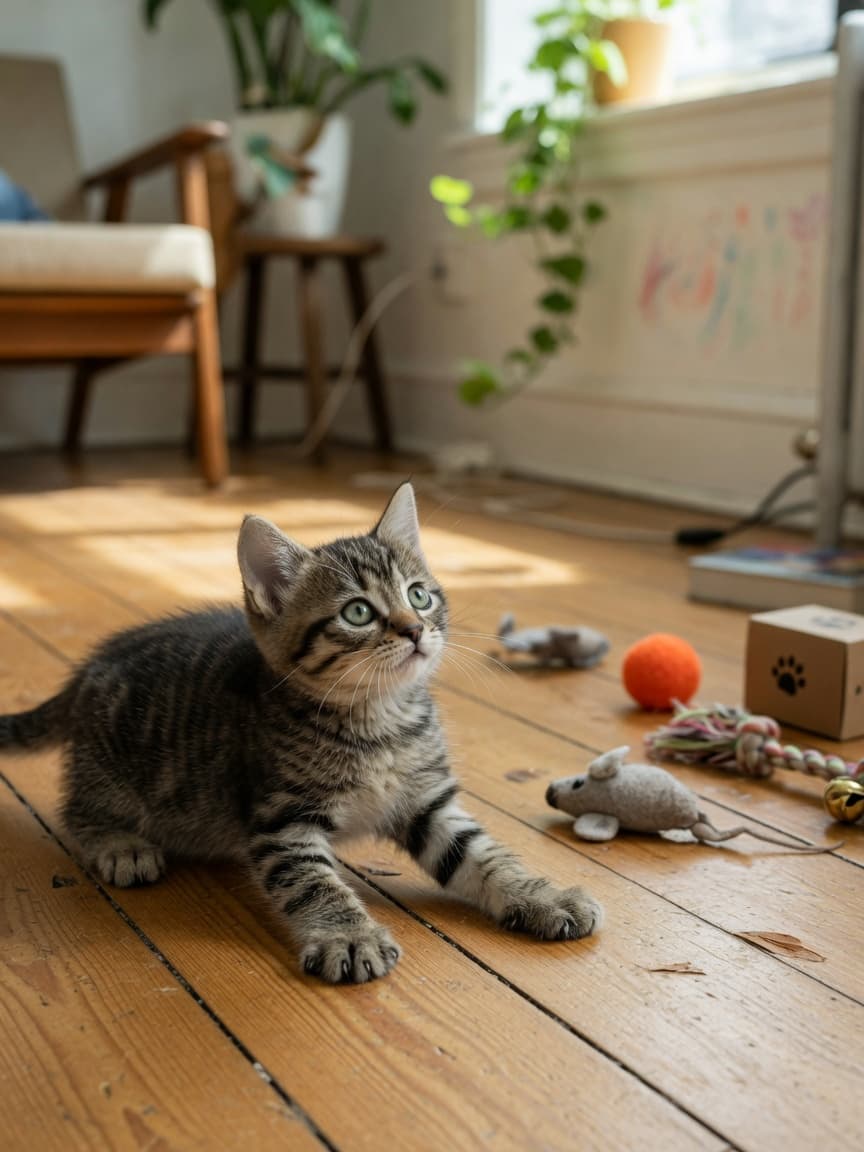
Bringing a new kitten into your home is an exciting time, but it also comes with significant responsibilities. Kittens are naturally curious, energetic, and prone to getting into trouble as they explore their new environment. Unlike adult cats, kittens lack the experience to recognise genuine dangers, making it essential to create a safe space where they can play, learn, and grow without risk of injury. This comprehensive guide will help you kitten-proof your home, ensuring your new furry friend stays out of harm's way whilst developing into a confident, healthy adult cat.
Secure Hazardous Materials and Chemicals
One of the most critical steps in kitten-proofing is removing or securing access to harmful substances. Kittens investigate everything by sniffing, touching, and occasionally tasting, making them vulnerable to poisoning.
- Store cleaning products, pesticides, and gardening chemicals in high cupboards or locked cabinets
- Keep medications (both human and veterinary) out of reach in medicine cabinets
- Remove toxic plants such as lilies, dieffenbachia, philodendron, and ivy from accessible areas
- Store antifreeze and other automotive products safely in a secured shed or garage
- Keep essential oils, perfumes, and household air fresheners away from curious paws
Eliminate Choking Hazards and Small Objects
Kittens have a strong play instinct and will pounce on small moving objects, which can lead to swallowing hazards. Regularly inspect your home for potential dangers:
- Secure or remove loose string, yarn, ribbon, and rubber bands
- Pick up small toys, buttons, coins, and batteries that could be swallowed
- Keep hair ties and elastic bands in closed drawers
- Remove access to plastic bags, which pose a suffocation risk
- Secure loose wiring and cables with protective covers or clips
Create a Safe Sleeping and Play Environment
Designate a specific area where your kitten can rest, play, and feel secure. This space should contain:
- A comfortable bed or blanket in a quiet corner away from household traffic
- Interactive toys that encourage natural hunting behaviours safely
- A scratching post or cat tree to satisfy climbing instincts
- Food and water bowls placed away from the litter tray
- An accessible litter box in a private, quiet location
Protect Furniture and Prevent Falls
Young kittens are still developing coordination and spatial awareness. Make your home safer by:
- Installing window guards or safety nets to prevent falls from height
- Using furniture pads to prevent pieces from toppling if your kitten climbs
- Closing off access to narrow spaces where kittens might become trapped
- Using baby gates to restrict access to stairs until your kitten is more coordinated
- Securing tall furniture to walls to prevent it falling during climbing adventures
Manage Temperature and Ventilation
Kittens are sensitive to extreme temperatures. Maintain a comfortable environment by:
- Keeping your home between 18-24°C (the ideal range for feline comfort)
- Ensuring adequate ventilation to prevent overheating
- Keeping heating sources like fireplaces, radiators, and heaters safely out of reach
- Providing shaded areas during warm weather
Key Takeaways
Kitten-proofing your home requires a combination of hazard removal, environmental modifications, and vigilant supervision. By securing chemicals and medications, eliminating choking hazards, creating safe play areas, protecting furniture, and maintaining appropriate temperature control, you'll provide an environment where your kitten can explore safely. Remember that kittens grow quickly—what poses a challenge at eight weeks may be manageable at six months—so reassess your home regularly as your kitten develops. When in doubt, consult your veterinary surgeon for specific guidance about your home environment. A well-prepared home sets the foundation for your kitten's long, healthy, and happy life.