
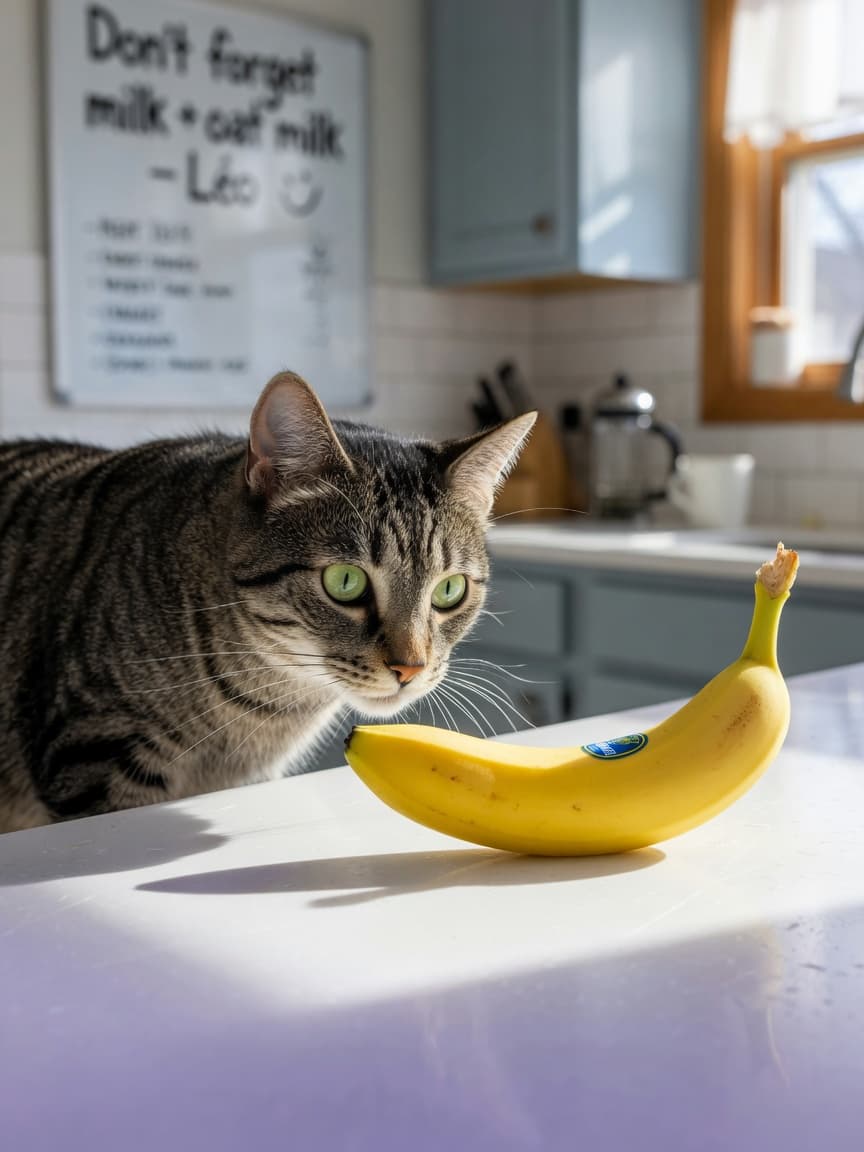
Can Cats Eat Banana? The Verdict
Bananas are not toxic to cats. They do not contain compounds known to cause acute poisoning in felines, which places them in a different category from grapes, onions, or xylitol-containing foods. However, "not toxic" is a low bar, and it should not be confused with "safe" or "beneficial." As obligate carnivores, cats have no biological requirement for fruit of any kind. The high sugar content of bananas can disrupt digestive function and blood sugar regulation, and cats cannot even taste the sweetness that makes bananas appealing to humans and many other mammals. The overall verdict is caution: a tiny piece on rare occasion is unlikely to harm a healthy adult cat, but bananas have no place as a regular food or treat.
The Biology of the Obligate Carnivore
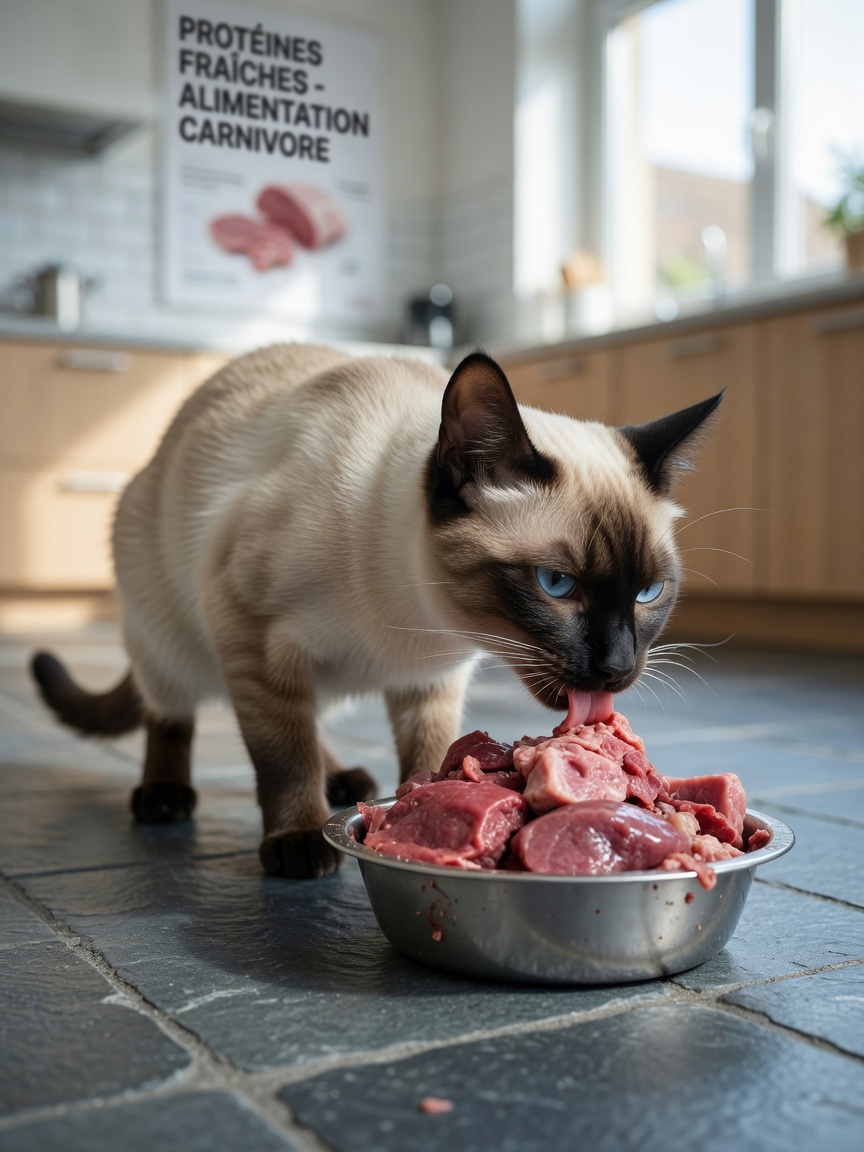
Understanding why bananas are nutritionally irrelevant to cats requires a brief look at feline biology. Cats evolved as strict meat eaters and their metabolic machinery reflects this completely. Their digestive systems are shorter than those of omnivores, adapted for rapid processing of animal protein and fat rather than the slower fermentation of plant carbohydrates. Their livers lack certain enzymes that allow omnivores to process plant compounds efficiently, and their kidneys are optimised to handle a high-protein, low-carbohydrate diet.
Crucially, cats carry a non-functional version of the Tas1r2 gene, which in most mammals encodes part of the sweet taste receptor. This mutation is shared by all wild and domestic cats and means that felines are entirely unable to detect sweetness. A banana tastes no different from any other mildly flavoured food to a cat — the appealing sweetness that characterises the fruit for humans simply does not register in feline sensory perception. If a cat shows curiosity about a banana, it is responding to the texture or the amino acid compounds in the fruit, not to any sweetness.
Sugar Content and Digestive Risk
Bananas are one of the higher-sugar fruits, with a medium banana containing approximately 14 grams of sugar, predominantly fructose, glucose, and sucrose. Cats have a very limited ability to handle dietary sugar efficiently. Unlike omnivores, they have low levels of intestinal sucrase and other carbohydrate-digesting enzymes, so excess simple sugars can pass through the gut incompletely digested and ferment in the large intestine. The result is often diarrhoea, bloating, or abdominal discomfort.
Beyond immediate digestive upset, regular consumption of sugar-containing foods in cats contributes to unnecessary caloric load. Cats that are fed inappropriate foods including sweet fruits are at higher risk of weight gain and the metabolic problems that accompany it.
Blood Sugar and Diabetic Cats
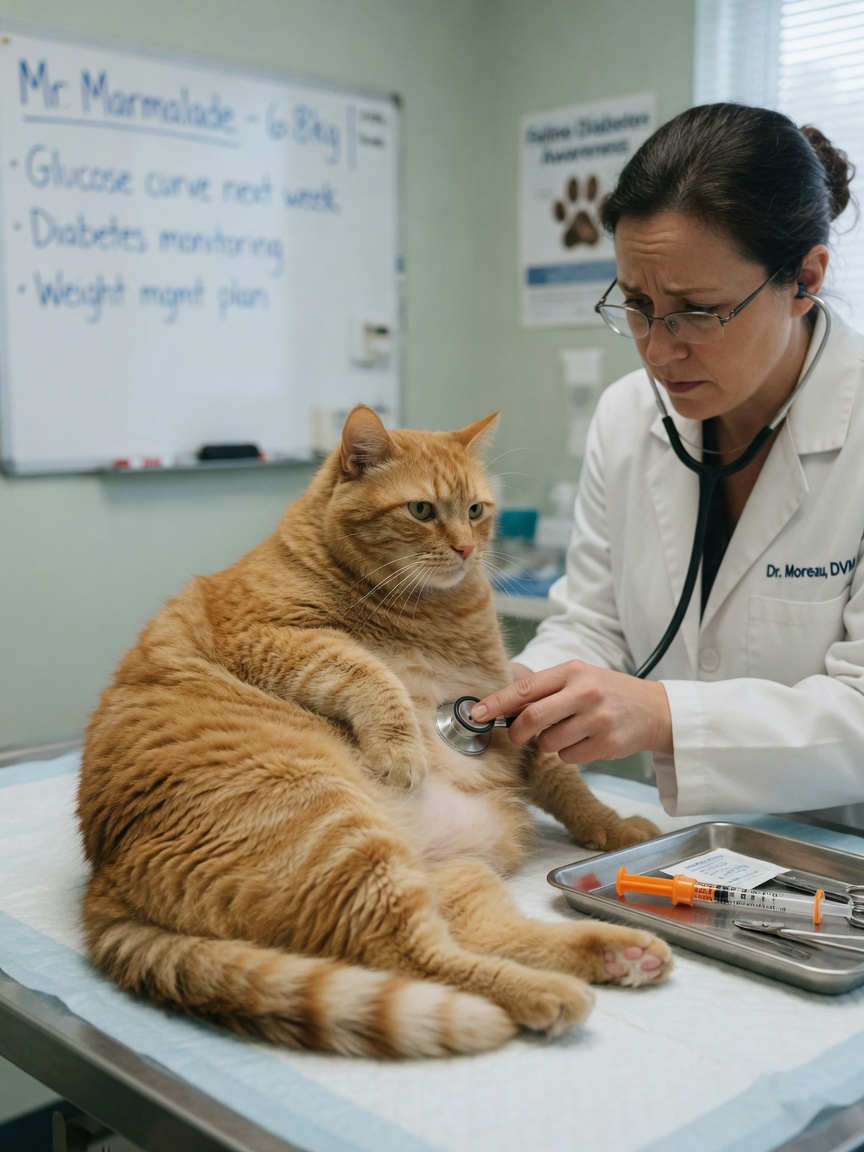
Feline diabetes mellitus is increasingly common, particularly in neutered male cats and overweight cats fed high-carbohydrate diets. Even a small amount of banana — rich in rapidly absorbed sugars — can cause a spike in blood glucose in a diabetic or pre-diabetic cat. For cats already on insulin therapy, any unplanned carbohydrate intake can disrupt glucose regulation and make dosing more difficult to manage.
Veterinary nutritionists routinely recommend very low carbohydrate diets for diabetic cats, and fruit is entirely incompatible with this approach. If your cat has been diagnosed with diabetes or is considered at risk, bananas and all sweet fruits should be excluded from their diet entirely.
Potassium — Not a Useful Argument
Some sources suggest bananas are beneficial because of their potassium content. This argument does not hold up under scrutiny for cats. Potassium requirements in cats are met by a nutritionally complete, meat-based cat food. A cat eating an appropriate commercial diet does not need supplementation from fruit. Moreover, in cats with certain forms of kidney disease, excess potassium can actually be harmful rather than beneficial. The potassium argument is a case of incorrectly applying human nutritional thinking to an animal with entirely different physiology.
The Peel: A Physical and Chemical Hazard
Banana peel should never be offered to cats. Beyond being indigestible and a potential choking or obstruction hazard, banana peels may carry pesticide residues. While EFSA (the European Food Safety Authority) sets maximum residue levels (MRLs) for pesticides on banana skins with human consumption in mind, these limits are not calibrated for the much smaller body weight of a cat. Non-organic banana peels are routinely among the produce items with the highest pesticide residue loads in EU market surveillance data. The peel offers no nutritional value and adds unnecessary risk.
When Cats Must Not Eat Banana
- Diabetic cats or cats with suspected insulin resistance, due to the high sugar content
- Overweight or obese cats, as the additional sugar and calories are counterproductive
- Cats with inflammatory bowel disease (IBD), where any novel or high-fibre food can trigger flare-ups
- Cats with chronic kidney disease, where potassium and sugar intake both require careful monitoring
- Kittens, whose digestive systems are not suited to processing plant carbohydrates
Safe Amounts for Healthy Adult Cats
If a healthy adult cat shows interest in banana and you want to allow a tiny taste, the general guidance is no more than a small cube (roughly one centimetre square) on an infrequent basis — no more than once per week at most. This amount is unlikely to cause harm but also provides zero nutritional benefit. The treat is entirely for the cat's curiosity, not for their health.
Always remove the peel before any exposure and never offer banana as a substitute for a proper meat-based treat.
What to Feed Instead
A cat's treat calories are best spent on animal protein. Small amounts of plain cooked chicken, turkey, or salmon are far more appropriate. If you prefer to buy ready-made treats, Zooplus offers a broad selection of meat-based cat treats across Europe, with clear ingredient labelling that makes it easy to avoid unnecessary additives. Treats formulated specifically for cats deliver what an obligate carnivore's body is designed to process, without the sugar and carbohydrate load that comes with fruit.
Summary
- Bananas are not toxic to cats but offer no nutritional benefit for obligate carnivores
- Cats cannot taste sweetness due to the non-functional Tas1r2 gene — they gain no enjoyment from the fruit's sweetness
- High sugar content can cause digestive upset and is dangerous for diabetic cats
- Banana peel carries pesticide residue risk and is a physical hazard
- Cats with diabetes, obesity, IBD, or kidney disease should not eat banana
- Meat-based treats are always the correct choice for a feline