
Why Cats and Water Have a Complicated Relationship
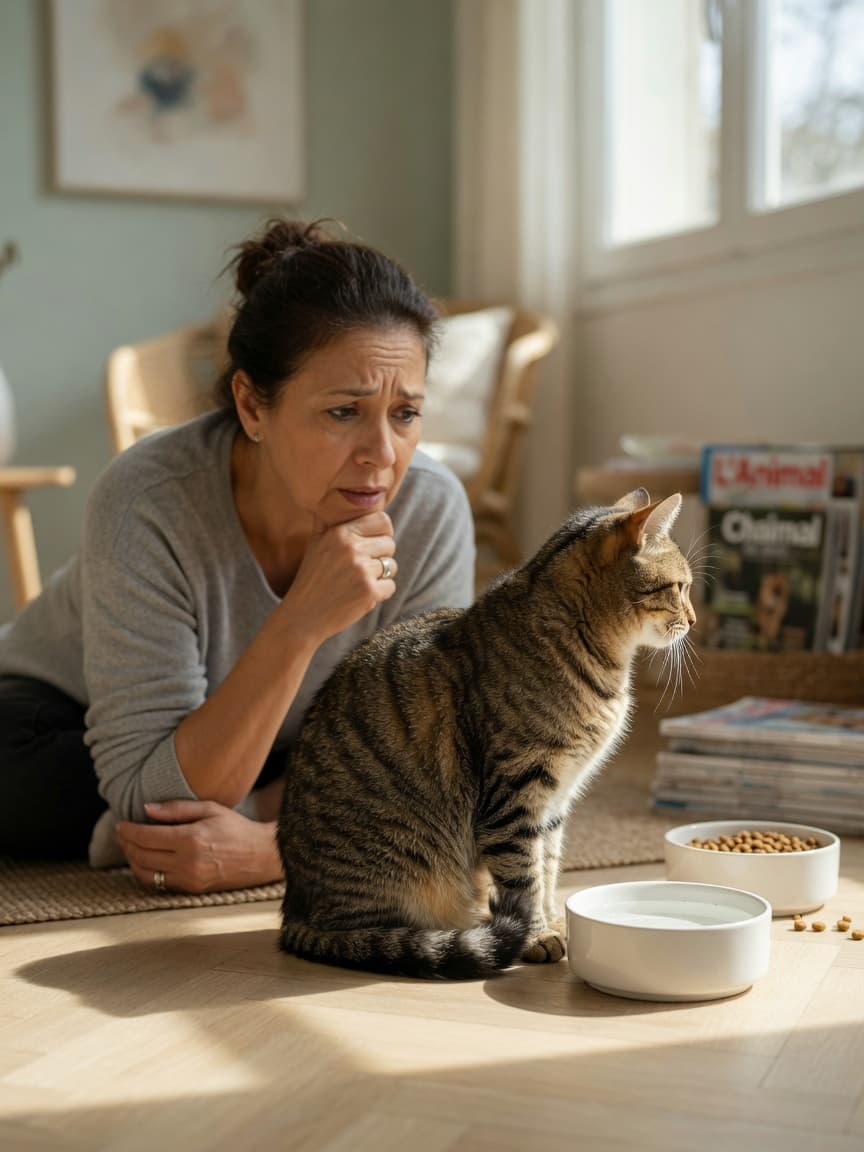
If you have ever placed a fresh bowl of water next to your cat's food only to watch them walk past it with total indifference, you are not alone. Cats as a species have a notoriously low thirst drive — a trait inherited from their desert-dwelling ancestors who obtained most of their moisture from prey. Domestication has not changed this biology much, which means getting a cat to drink enough water requires a little more thought than simply filling a bowl.
But there is a difference between a cat who drinks moderately because their diet provides enough moisture, and a cat who is genuinely not drinking enough and may be heading towards dehydration or chronic kidney issues. Understanding the distinction matters.
How Much Should a Cat Actually Drink?
The general veterinary guideline is around 50 ml of water per kilogram of body weight per day. A typical 4 kg adult cat should therefore consume roughly 200 ml of fluids daily. Crucially, this includes moisture from food — not just what they drink from a bowl. A cat eating wet food (which is 70–80% water) may appear to barely touch their water bowl and still be perfectly well hydrated. A cat eating exclusively dry kibble needs to make up that moisture deficit through drinking, and many simply do not do so adequately.
Common Reasons a Cat Avoids Their Water Bowl
The bowl is too close to the food
In the wild, cats instinctively avoid water sources near their kill, as decomposing prey can contaminate water. This instinct persists in domestic cats. Placing the water bowl in a completely separate location from the food bowl often makes a surprising difference.
The bowl is too deep or too narrow
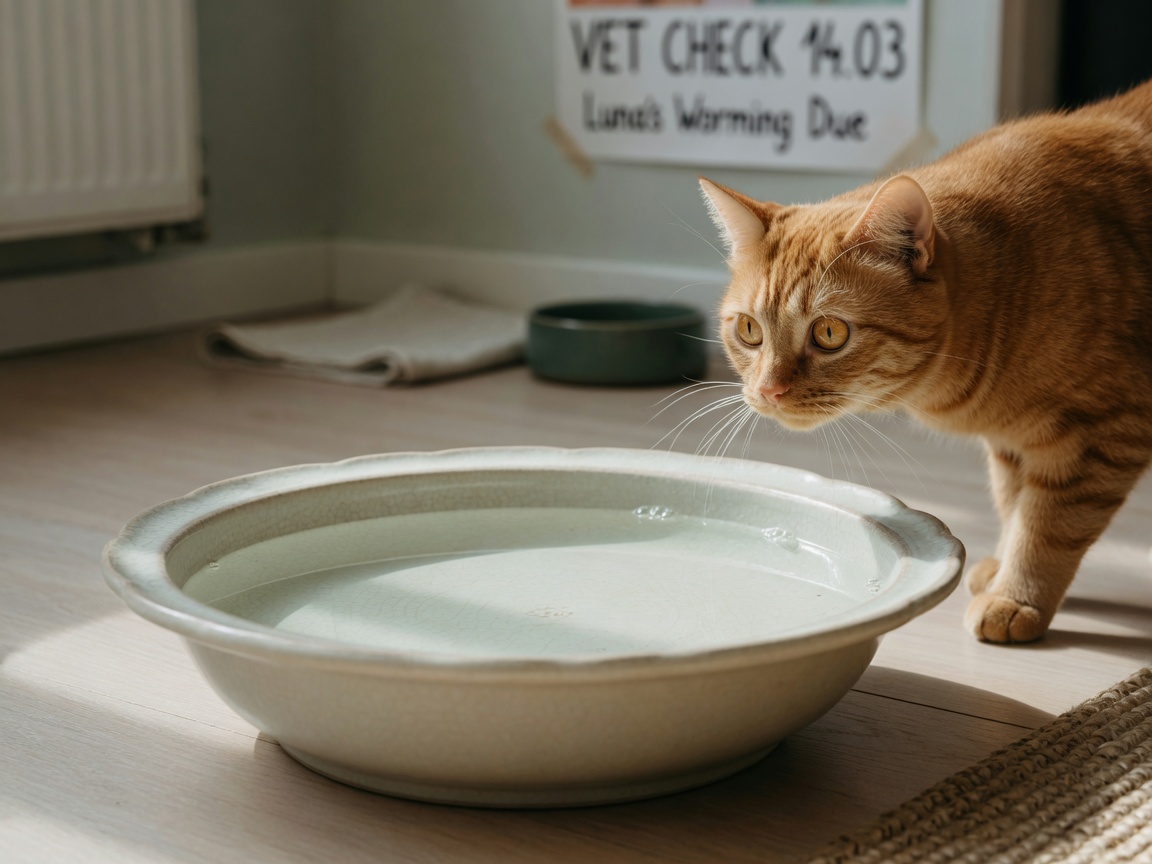
Cats are sensitive about their whiskers making contact with the sides of a bowl — a phenomenon sometimes called whisker fatigue. A wide, shallow dish is better tolerated than a tall narrow cup. Many cats also prefer ceramic or glass over plastic, which can harbour bacteria and carry an off-putting smell to a cat's sensitive nose.
The water is stale or has an odour
Cats prefer fresh, clean water. A bowl that has been sitting for more than 24 hours may smell of dust, chlorine evaporation, or airborne particles. Changing the water at least once daily — and washing the bowl thoroughly — can encourage reluctant drinkers.
The location feels unsafe
Cats will not drink if they feel exposed or threatened at the water source. Placing a bowl in a busy corridor, near a noisy appliance, or in a spot where a dog or another cat can sneak up on them will discourage drinking. Choose quiet, low-traffic spots with good visibility.
Medical Reasons a Cat Stops Drinking
If your cat has previously been a reliable drinker and has suddenly reduced their intake, this warrants closer attention. Several medical conditions can cause reduced interest in water:
- Dental pain or oral ulcers — drinking can be uncomfortable when the mouth is sore
- Nausea — from kidney disease, pancreatitis, or gastrointestinal issues
- Respiratory illness — a congested cat cannot smell food or water properly
- Neurological conditions that affect awareness or interest in the environment
- Severe dehydration itself — paradoxically, a very dehydrated cat may stop feeling thirst
A cat who has not drunk anything for more than 24 hours, is lethargic, has a dry mouth, or has sunken eyes needs veterinary assessment without delay. Cats are particularly vulnerable to hepatic lipidosis (fatty liver disease) when they stop eating or drinking, and the condition can develop within days.
How to Encourage Your Cat to Drink More
Switch to wet food or add moisture to meals
This is the single most effective change you can make. Transitioning from dry to wet food — even partially — significantly increases overall fluid intake without requiring the cat to change any behaviour. Adding a small amount of warm water or low-sodium chicken broth to wet food can make it even more appealing.
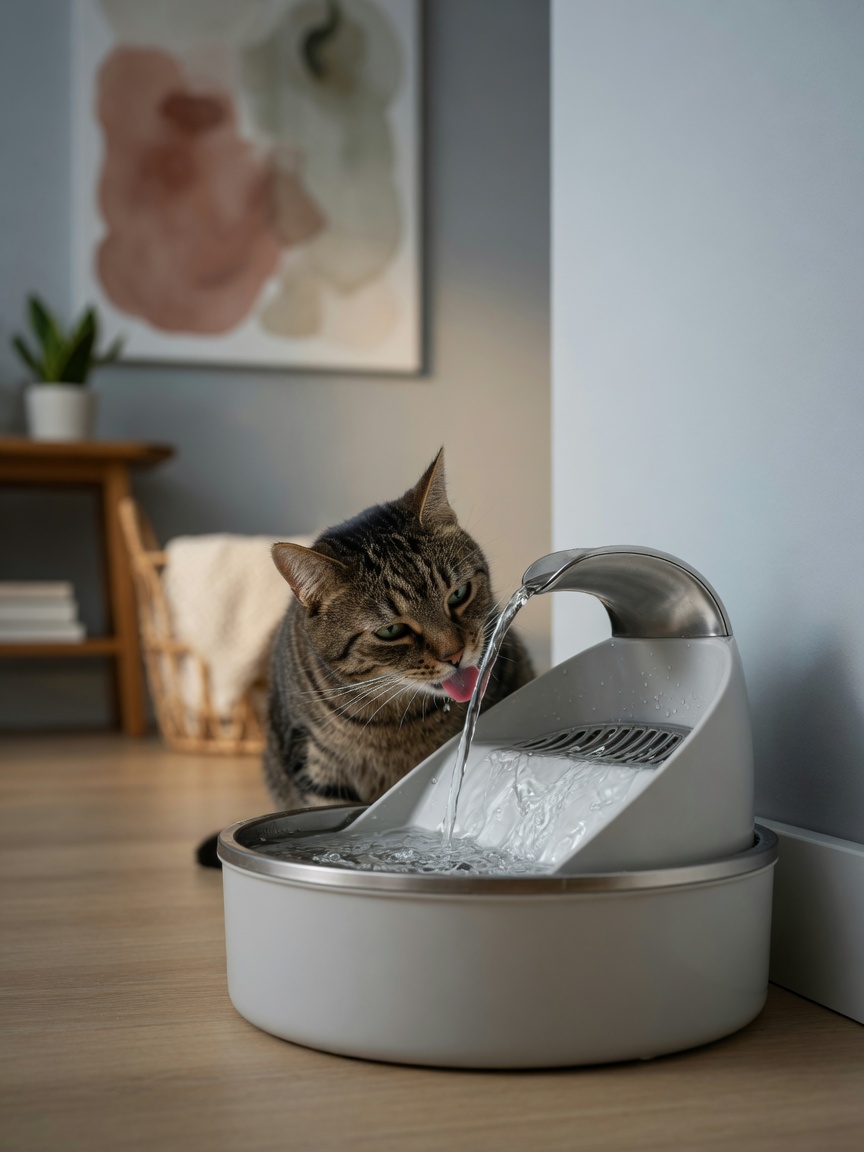
Try a pet water fountain
Many cats are strongly attracted to moving water. Pet water fountains keep water circulating, which keeps it oxygenated and cool, and mimics the kind of running water cats would seek in the wild. Studies and widespread anecdotal reports from veterinary clinics support their effectiveness, particularly in cats with a history of urinary tract issues.
Offer multiple water stations
Place three or four small water sources around the home — one in each room the cat frequently uses. Variety increases the chance of the cat drinking opportunistically throughout the day.
Experiment with water type
Some cats have preferences. Try filtered water, bottled still water, or water that has been left to sit for a few hours so the chlorine off-gasses. Note whether your cat shows any preference and stick with what works.
Try different bowl materials and shapes
Ceramic and stainless steel bowls are easiest to keep clean and have no odour. Wide, shallow dishes accommodate whiskers comfortably. A small experiment with bowl type costs very little and can have a noticeable effect.
Long-Term Consequences of Inadequate Hydration in Cats
Chronic mild dehydration is strongly associated with feline lower urinary tract disease (FLUTD), urinary crystals, bladder stones, and chronic kidney disease — the latter being one of the most common conditions in cats over 10 years old. Ensuring adequate hydration throughout your cat's life is genuinely preventative healthcare, not simply comfort management.
If you have made changes to your cat's environment and diet and are still concerned about their fluid intake, a simple urine specific gravity test at the vet can objectively tell you whether your cat is well hydrated. It is a cheap, non-invasive test and well worth requesting at a routine check-up.