
Feline Hyperaldosteronism: The Adrenal Condition Often Missed
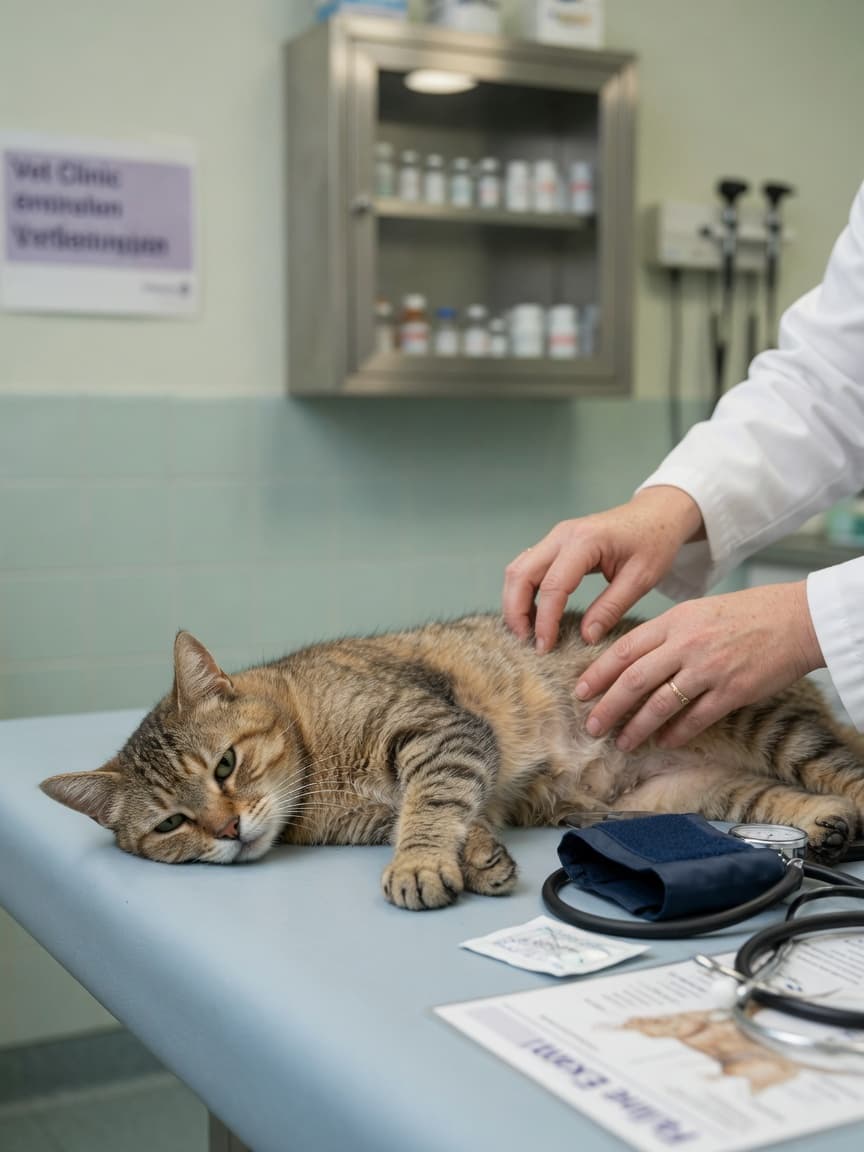
When a cat comes in with high blood pressure or unexplained muscle weakness, most owners and even some vets reach first for kidney disease or hyperthyroidism. Both are reasonable suspects. But there is a third condition that shares many of the same signs yet gets far less attention: primary hyperaldosteronism, sometimes called Conn's syndrome in cats. Understanding this disorder could make the difference between a missed diagnosis and a cat who gets proper treatment.
What Is Hyperaldosteronism?
Aldosterone is a hormone produced by the adrenal glands, the small paired structures that sit just above the kidneys. Its main job is to regulate sodium and potassium balance in the body. Under normal circumstances, aldosterone release is tightly controlled. In primary hyperaldosteronism, one or both adrenal glands produce excessive aldosterone regardless of the body's actual needs.
The result is a cascade of problems. Too much aldosterone causes the kidneys to retain sodium and excrete potassium at an abnormally high rate. Potassium depletion — a condition called hypokalaemia — leads to muscle weakness, and the sodium retention drives blood pressure upward. Left unchecked, both consequences cause serious and sometimes irreversible organ damage.
Why It Gets Missed So Often
The signs of feline hyperaldosteronism overlap heavily with more common conditions. Hypertension is frequently attributed to chronic kidney disease or hyperthyroidism. Muscle weakness and a characteristic lowered head posture caused by neck muscle involvement can look like general aging or arthritis. Many cats are older when diagnosed, typically over ten years of age, and owners may interpret their declining energy as normal ageing.
The condition is also genuinely underdiagnosed because aldosterone testing is not part of standard blood panels. Unless a vet specifically requests it, the hormonal culprit stays hidden while other diagnoses are explored and treated without full resolution of symptoms.
What to Watch For
Because the signs can be subtle at first, it helps to know what combination of symptoms warrants further investigation. Common presentations include:
- Persistent high blood pressure that does not respond well to standard antihypertensive medication
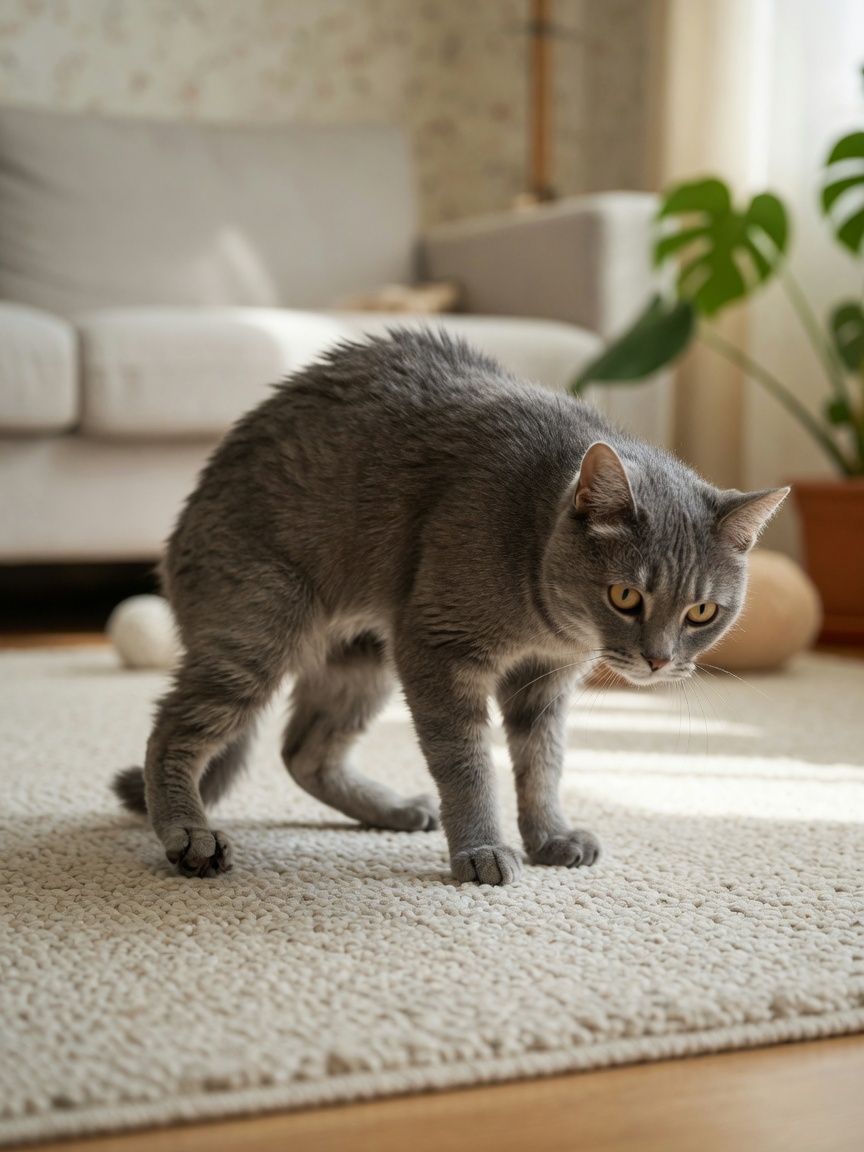
- Muscle weakness, particularly in the hindlimbs, sometimes causing a plantigrade stance where the cat walks on its hocks
- Ventroflexion of the neck, where the cat holds its head unusually low due to weak neck muscles
- Increased thirst and urination
- Sudden blindness caused by hypertensive retinal detachment
- General lethargy and reduced activity
The neck and limb weakness is particularly telling. When a cat's potassium levels drop low enough, the muscles simply cannot function properly. Owners sometimes describe their cats as suddenly becoming wobbly, reluctant to jump, or collapsing briefly when trying to walk.
How the Diagnosis Is Made
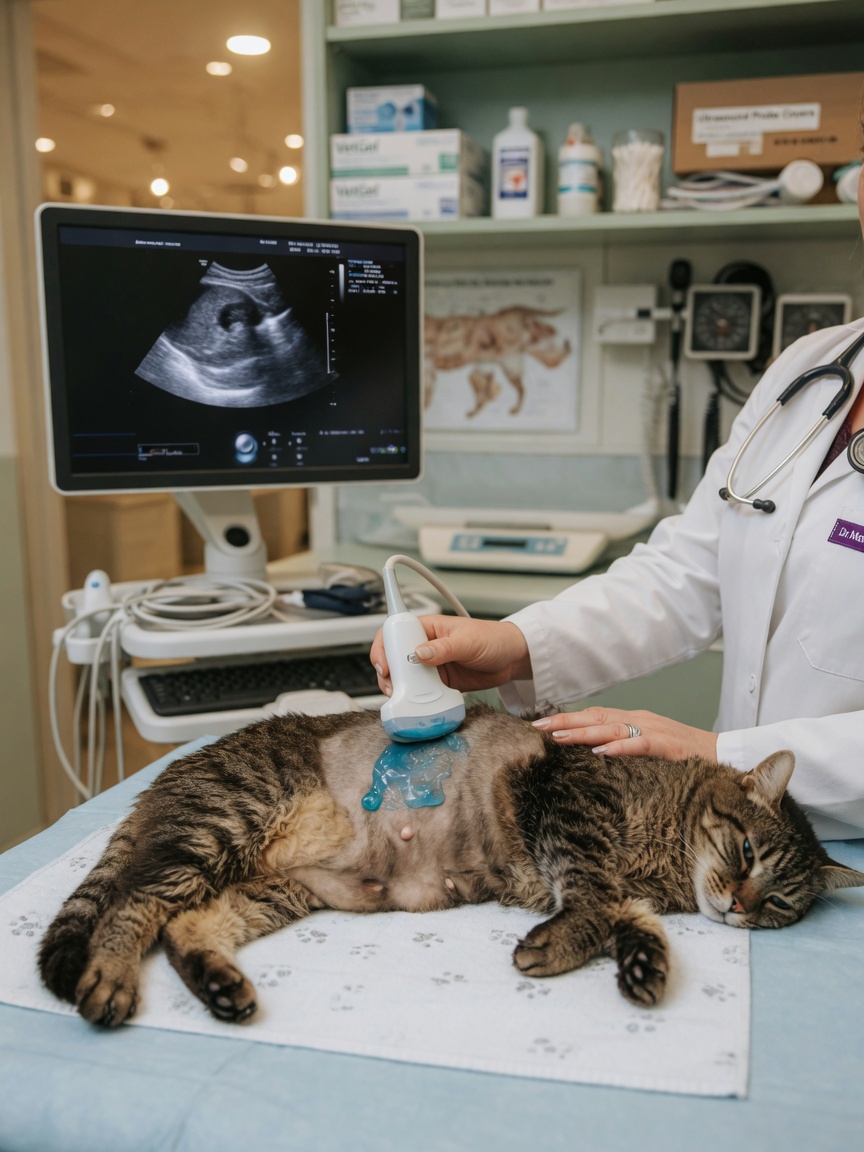
Diagnosing hyperaldosteronism requires a combination of blood tests, urine analysis, blood pressure measurement, and imaging. Blood tests typically reveal low potassium levels and may show elevated sodium. Crucially, aldosterone concentration in the blood should be measured. An elevated aldosterone level alongside low potassium and high blood pressure forms a strong diagnostic picture.
Imaging — usually ultrasound — is used to examine the adrenal glands. In many cats, the cause is a benign adrenocortical adenoma on one gland. In others, bilateral hyperplasia affects both glands, and in rarer cases an adrenocortical carcinoma may be responsible. Identifying whether one or both glands are involved matters because it affects treatment decisions.
Underlying Causes
In most feline cases, the excessive aldosterone production comes from an adrenal tumour. The good news is that the majority of these tumours are benign adenomas rather than malignant carcinomas. Bilateral adrenal hyperplasia, where both glands are overactive without a discrete tumour, is also seen. The underlying trigger for bilateral hyperplasia is less well understood than the tumour-driven form.
Researchers have noted that the condition appears more common in middle-aged to older cats with no strong breed predisposition, though some studies suggest a possible higher frequency in domestic shorthairs.
Treatment Options
Treatment depends on whether one or both adrenal glands are affected and on the cat's overall health. Two main approaches exist.
Surgical Removal
When a single adrenal adenoma is identified, surgical removal — adrenalectomy — offers the best chance of full resolution. In cats with unilateral disease who are otherwise healthy enough for surgery, the outcome is often excellent. Blood pressure normalises, potassium levels recover, and muscle strength returns. The surgery carries risks and requires careful anaesthetic management, so it is typically performed by a specialist surgical team.
Medical Management
Cats who are not surgical candidates, or those with bilateral disease, can be managed medically. Spironolactone, an aldosterone antagonist, is the cornerstone drug. It blocks the effects of excess aldosterone at the kidney, helping to normalise potassium levels and reduce blood pressure. Potassium supplementation may also be needed initially. Blood pressure control using amlodipine is commonly required alongside hormonal management.
Regular monitoring is essential in medically managed cats. Blood potassium, blood pressure, kidney values, and aldosterone levels should be rechecked at intervals to ensure the treatment plan is working and to catch any progression.
Prognosis
With appropriate treatment, many cats with hyperaldosteronism do well for months to years. Cats who undergo successful surgery for a unilateral adenoma often experience the most dramatic recovery. Those managed medically can also achieve good quality of life, provided the condition is identified and treated before severe or permanent damage occurs.
The greatest threat to long-term outcome is delayed diagnosis. By the time a cat presents with hypertensive blindness or severe muscle weakness, damage may already have occurred. Early detection through awareness of the condition and targeted testing when the signs are present genuinely saves cats from unnecessary suffering.
If your cat is on medication for high blood pressure but not responding as expected, or if you notice any unexplained weakness particularly in the hindquarters or neck, ask your vet whether aldosterone testing has been considered. It is a simple addition to a blood panel that could change everything.