
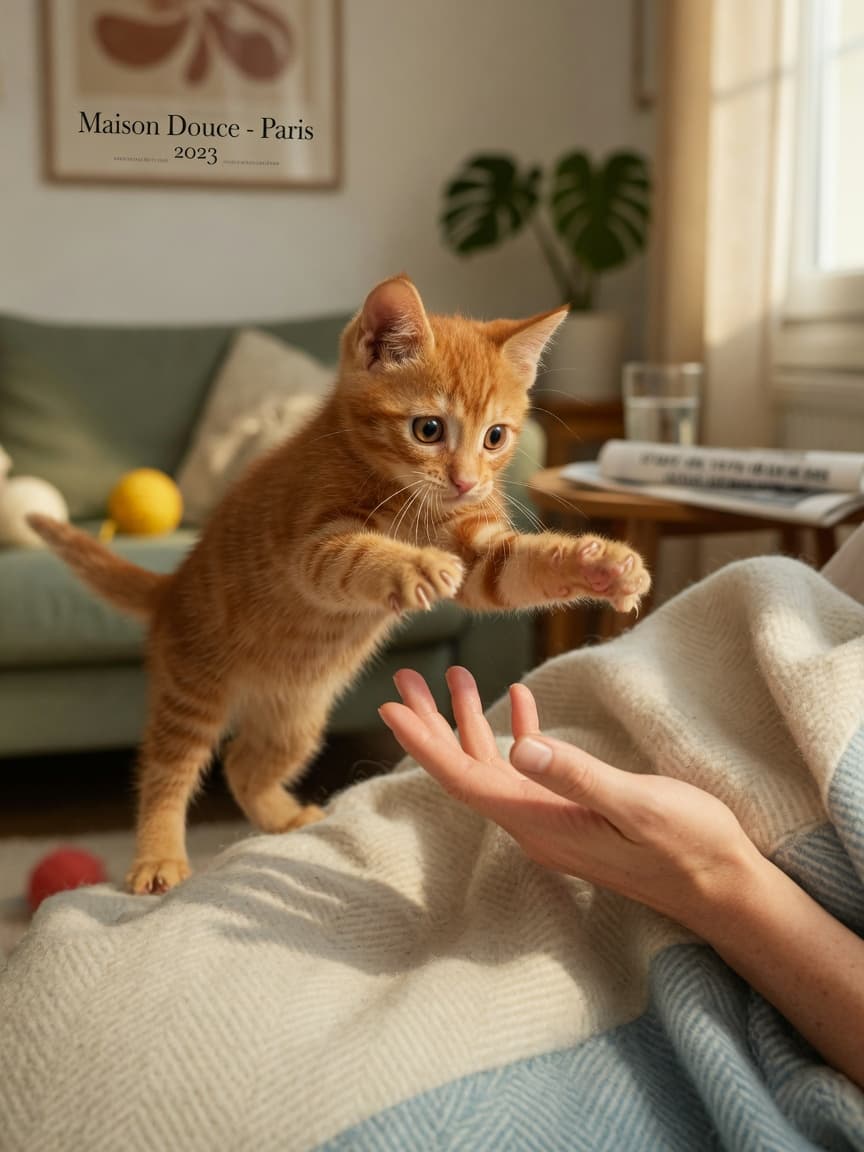
If you've recently welcomed a kitten into your home, you've likely experienced the chaos they can create—scratching furniture, pouncing on your feet at 3 AM, or knocking items off shelves with apparent glee. Rather than viewing these behaviours as naughtiness, it's important to understand that kittens misbehave for legitimate developmental reasons. By recognising the root causes and responding with patience and appropriate guidance, you can help your kitten grow into a well-adjusted adult cat whilst protecting your home and sanity.
Understanding Why Kittens Misbehave
Kitten misbehaviour isn't personal—it's developmental. Young cats are exploring their environment, building muscle strength, and establishing their place in the household hierarchy. Between 8 weeks and 6 months old, kittens are particularly energetic and curious, with limited impulse control.
- Natural hunting instincts: Pouncing, stalking, and attacking your hands or feet are normal predatory behaviours, not aggression
- Energy levels: Kittens can have bursts of intense energy lasting 15-30 minutes, followed by sleep
- Teething: Biting during teething (3-6 months) provides relief and exploration
- Boundary testing: Kittens don't inherently understand household rules without guidance
- Socialisation period: Kittens learn appropriate behaviour from their mother and littermates until 12 weeks old
Effective Discipline Techniques That Actually Work
Traditional punishment is ineffective and can damage your relationship with your kitten. Instead, use these evidence-based approaches:
Positive Reinforcement
Reward desired behaviours immediately with praise, treats, or play. When your kitten uses the scratching post rather than your sofa, offer enthusiastic encouragement. This teaches them what you want far more effectively than punishment.
Environmental Management
Remove temptation before misbehaviour occurs. Cover furniture with protective materials, store small objects safely, and provide appropriate outlets for natural behaviours:
- Multiple scratching posts and pads placed strategically throughout your home
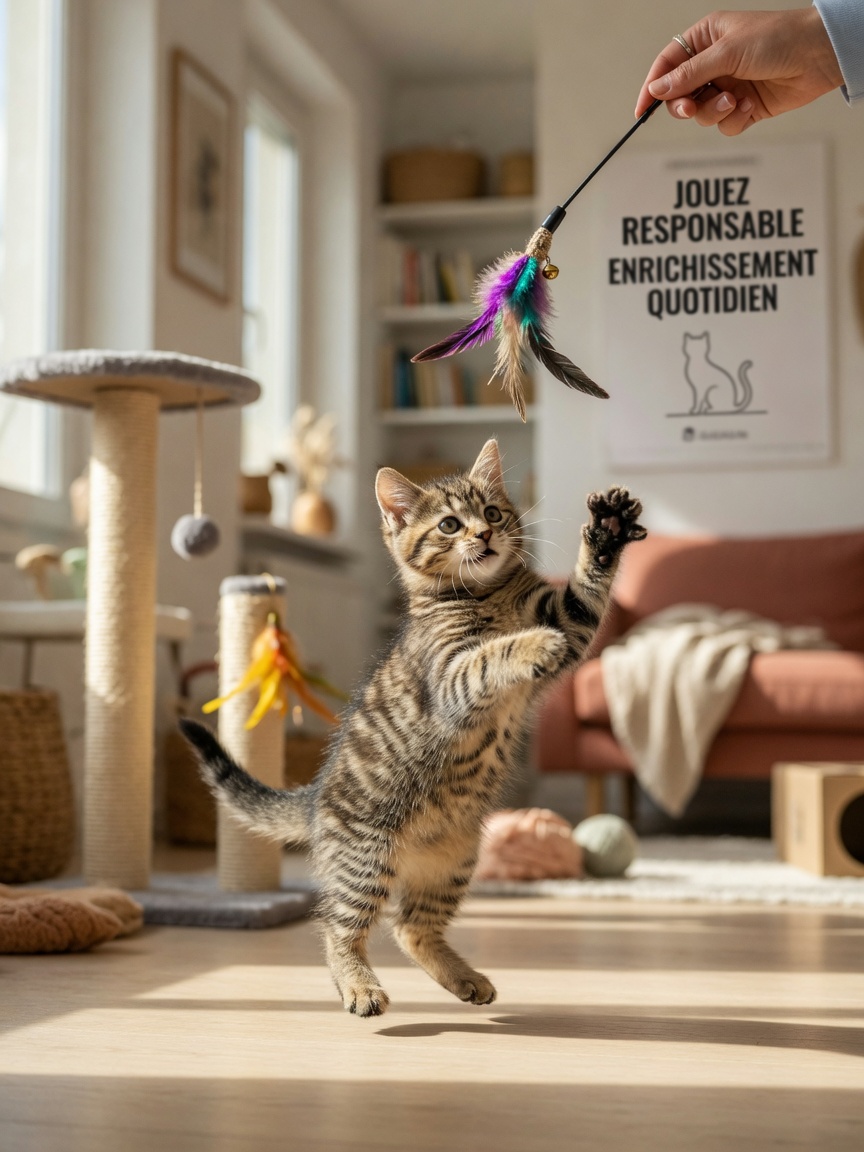
- Interactive toys for hunting instincts
- Safe climbing structures
- Secure hiding spots where they feel secure
Redirecting Behaviour
When your kitten attacks your hand, calmly withdraw it and immediately offer a toy instead. Consistency is crucial—redirect every time to establish the pattern.
The "Ignore" Technique
For attention-seeking misbehaviour, complete withdrawal of attention is surprisingly effective. Stop all interaction, including eye contact and speech, until the behaviour stops. Resume engagement only when they settle.
What NOT to Do When Disciplining Kittens
- Never use physical punishment: Hitting, flicking, or rough handling causes fear and aggression
- Avoid yelling excessively: Loud voices can frighten rather than educate
- Don't punish after the fact: Kittens won't connect delayed consequences to their actions
- Steer clear of water spray bottles: This teaches avoidance when you're present, not genuine behaviour change
Creating the Right Environment
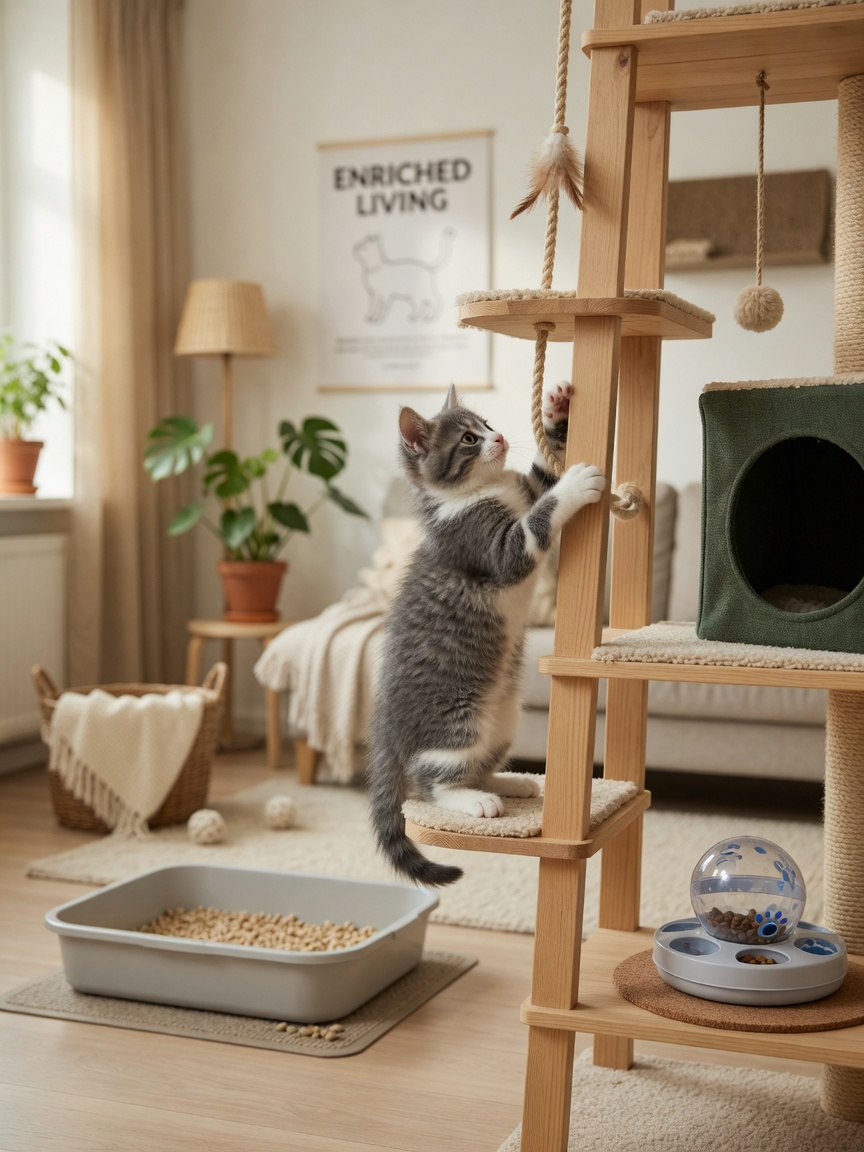
Prevention is more effective than discipline. Set up your home to encourage good behaviour:
- Provide adequate play sessions (15-30 minutes, twice daily minimum)
- Establish a routine to create predictability and security
- Use puzzle feeders to stimulate natural foraging instincts
- Ensure litter boxes are easily accessible and kept clean
- Create vertical spaces for safe exploration
Key Takeaways
Remember that kitten misbehaviour is normal development, not defiance. By understanding the reasons behind their actions and responding with patience, consistency, and appropriate redirection, you'll guide your kitten towards becoming a confident, well-behaved companion. The investment in proper training during these early months pays dividends throughout your cat's lifetime. Focus on rewarding good behaviour, providing appropriate outlets for natural instincts, and maintaining a calm, predictable environment. Most importantly, cherish these chaotic months—they pass quickly, and your kitten will soon settle into their role as your beloved feline family member.