
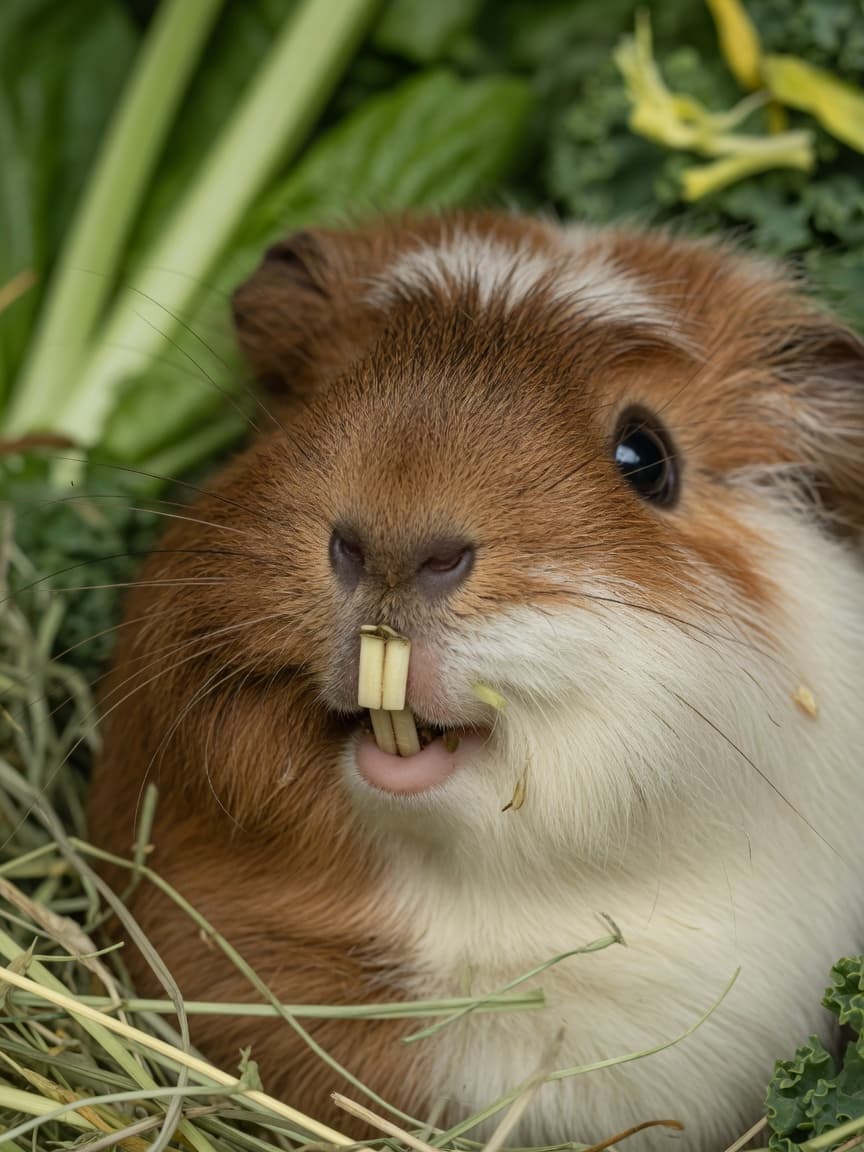
If you've ever heard your guinea pig making a rapid clicking or grinding sound with their teeth, you've likely witnessed tooth chattering—a behaviour that can range from completely normal to a sign that something needs attention. As guinea pig owners, understanding what this behaviour means is essential for keeping your pets happy and healthy. This comprehensive guide will help you decode your guinea pig's tooth chattering and know when to seek veterinary advice.
What Is Guinea Pig Tooth Chattering?
Tooth chattering is a rapid grinding or clicking noise that guinea pigs produce by moving their teeth back and forth quickly. The sound is quite distinctive and impossible to miss once you've heard it. This behaviour can last anywhere from a few seconds to several minutes, and it's one of the most common vocalisations guinea pigs make to communicate their emotional state.
Normal Reasons for Tooth Chattering
In most cases, tooth chattering is a sign of contentment and relaxation. Here are the primary normal reasons your guinea pig might chatter their teeth:
- Happiness and contentment: Guinea pigs often chatter when being petted, stroked, or receiving attention from their owners. This is particularly common when you're gently rubbing their head or back.
- During grooming: Your guinea pig may chatter whilst grooming themselves or their cage mates, which is a sign of relaxation and well-being.
- When settling down: Some guinea pigs chatter softly before falling asleep, similar to a cat's purring.
- Social bonding: Guinea pigs may chatter when interacting positively with their companions or humans.
When Tooth Chattering Is a Warning Sign
Whilst tooth chattering is usually benign, there are circumstances where it warrants investigation. Aggressive or persistent tooth chattering combined with other behaviours can indicate a problem:
- Dental disease: If your guinea pig has overgrown teeth, abscesses, or other dental issues, they may chatter excessively. Look for additional signs such as drooling, reduced appetite, or swollen cheeks.
- Stress or anxiety: Loud, rapid chattering accompanied by other stressed behaviours (hiding, hair loss, or aggression) may indicate your guinea pig feels threatened or anxious.
- Territorial aggression: Two guinea pigs may chatter aggressively at each other as a warning before a fight. This is usually accompanied by raised fur and aggressive posturing.
- Pain or illness: Excessive tooth chattering combined with lethargy, appetite loss, or behavioural changes could signal an underlying health issue.
How to Tell the Difference
Context is crucial when interpreting your guinea pig's tooth chattering. A contented guinea pig chattering whilst being stroked will have relaxed body language, closed or half-closed eyes, and a calm demeanour. In contrast, a stressed guinea pig will show signs of tension: rigid posture, raised fur, alert eyes, and possibly backing away from the interaction.
What You Should Do
Monitor the frequency, duration, and circumstances of your guinea pig's tooth chattering. Keep a simple log noting when it occurs and what's happening at the time. If you notice:
- Sudden changes in tooth chattering patterns
- Loss of appetite or reduced water intake
- Visible facial swelling or drooling
- Aggressive behaviour towards cage mates
- Signs of pain or discomfort
Contact your veterinary surgeon promptly. A vet experienced with guinea pigs can examine their teeth and overall health to rule out dental disease or other conditions.
Key Takeaways
In most instances, tooth chattering is simply your guinea pig's way of expressing happiness and contentment. However, responsible pet ownership means recognising when this behaviour changes or occurs alongside concerning symptoms. By observing your guinea pig's body language and overall behaviour, you'll quickly become skilled at distinguishing between the cheerful chatter of a content pet and a potential health concern. When in doubt, your vet is always your best resource for peace of mind and your guinea pig's wellbeing.