
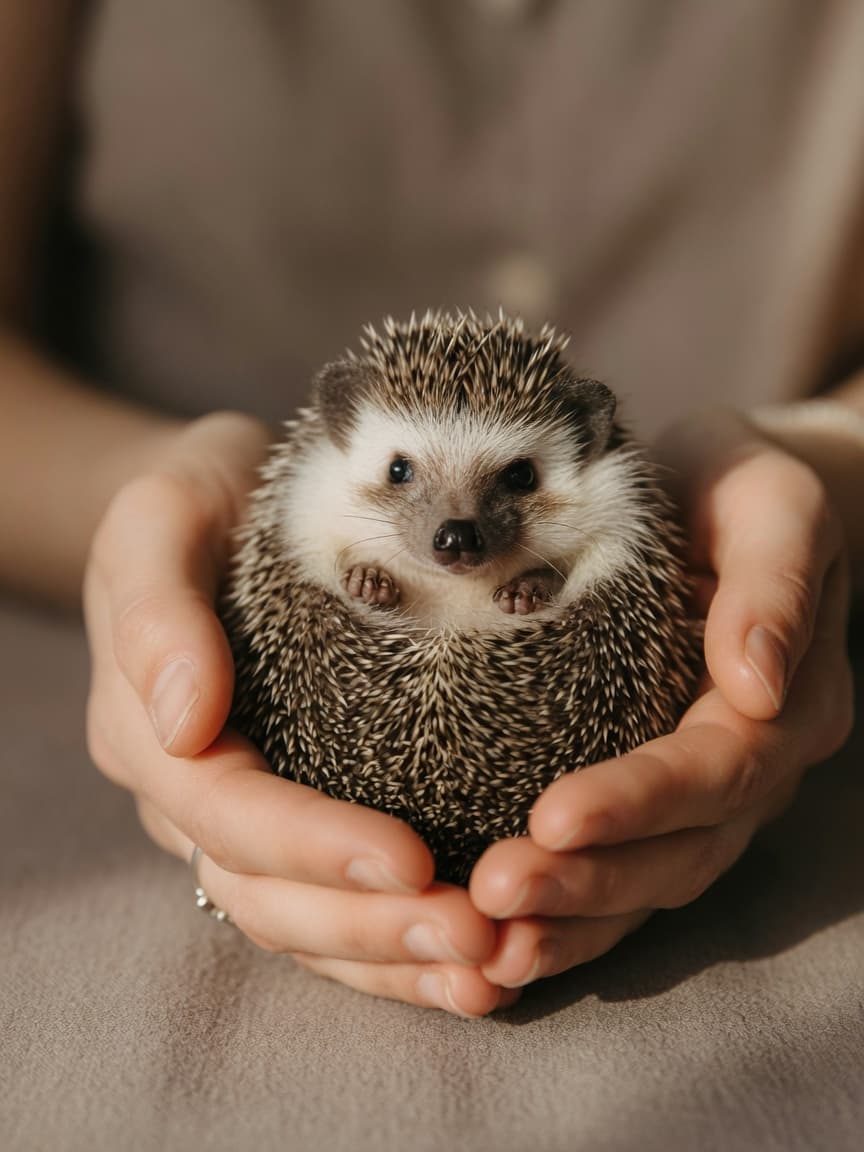
Hedgehogs have become increasingly popular as exotic pets across Europe, and it's easy to see why. With their endearing appearance, curious nature, and relatively compact size, they seem like the perfect addition to many households. However, before bringing one of these spiky companions home, it's important to understand what hedgehog ownership genuinely entails. These little creatures have specific needs that differ significantly from traditional pets like dogs and cats, and whether they're right for you depends on your lifestyle, living situation, and commitment level.
The Appeal: Why Hedgehogs Attract Pet Owners
Hedgehogs possess several characteristics that make them appealing to potential pet owners. They're solitary animals that don't require constant social interaction, they produce minimal noise compared to other pets, and they occupy surprisingly little space. For flat dwellers or those with quieter lifestyles, hedgehogs offer companionship without the demands of high-energy pets. Their inquisitive personality and gentle nature can be quite entertaining and endearing to observe.
Housing and Environment Requirements
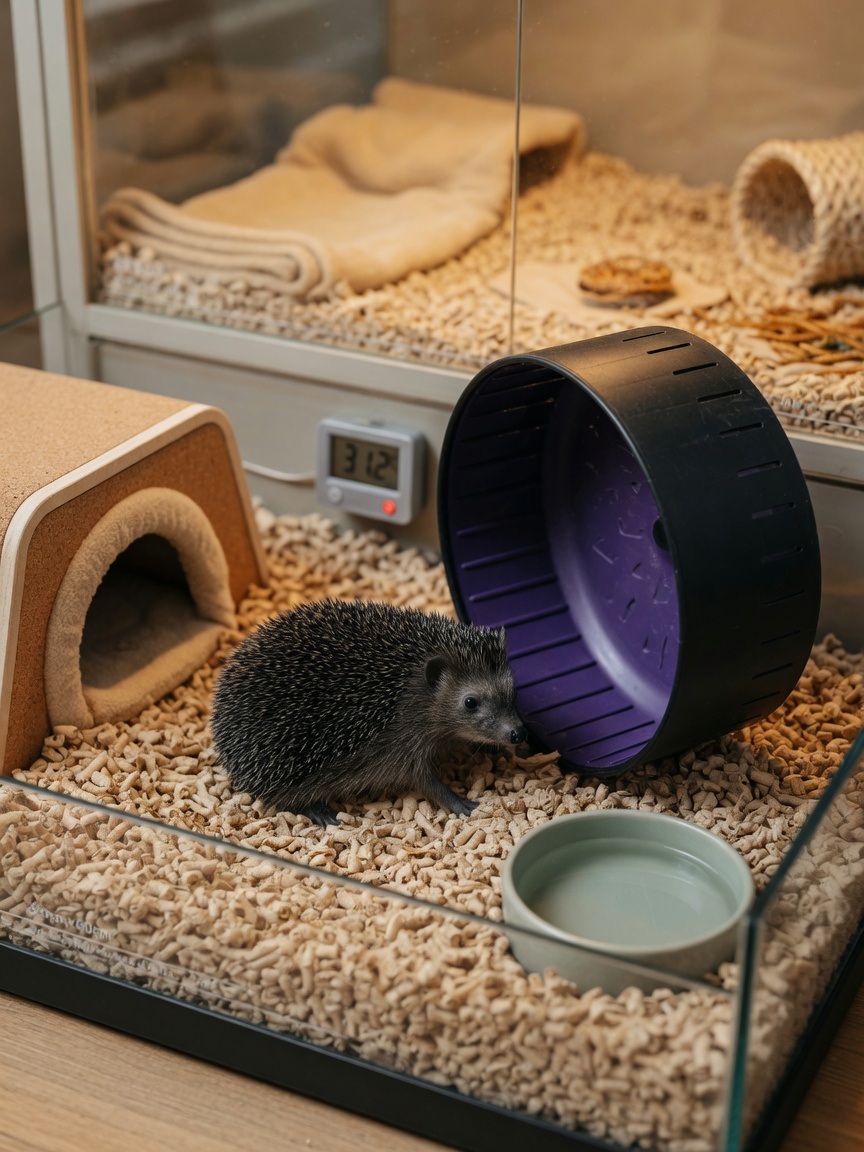
One of the most critical factors in hedgehog ownership is providing appropriate accommodation. Despite their small size, hedgehogs need considerably more space than many people realise.
- A minimum enclosure of 120 centimetres by 60 centimetres provides adequate room for movement
- The cage must be escape-proof, as hedgehogs are surprisingly good at squeezing through small gaps
- A solid exercise wheel (minimum 25 centimetres diameter) is essential for preventing obesity
- Temperature control is crucial—hedgehogs require 21–24°C and suffer during hibernation without proper heating
- Substrate should be dust-free and safe, such as aspen shavings or paper-based bedding
Unlike outdoor hedgehogs that hibernate seasonally, domesticated African pygmy hedgehogs need consistent warmth year-round. Without proper temperature maintenance, they can enter torpor, a dangerous hibernation-like state that can prove fatal.
Dietary Needs and Health Considerations
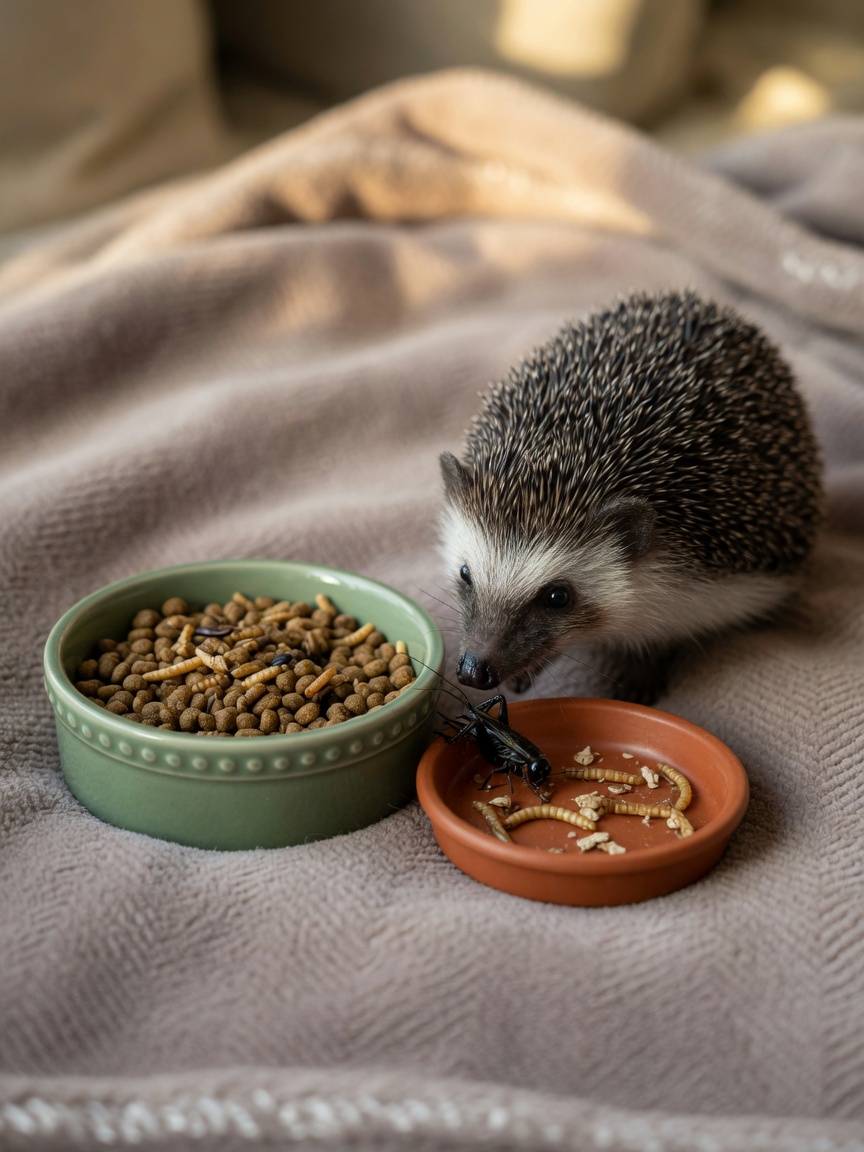
Hedgehogs are insectivores with specialised dietary requirements that differ from many other small pets. Their diet should consist primarily of high-quality commercial hedgehog food supplemented with appropriate insects such as crickets and mealworms. A balanced diet is critical for preventing common health issues including obesity and malnutrition.
Health concerns in captive hedgehogs include:
- Respiratory infections
- Mites and skin conditions
- Dental disease
- Obesity-related complications
- Tumours (increasingly common with age)
Finding a veterinarian experienced with exotic pets is essential before acquiring a hedgehog. Not all standard vets possess the specialist knowledge required for hedgehog care.
Time, Handling, and Social Demands
Whilst hedgehogs are independent creatures, they still require regular interaction and handling to remain socialised. However, they're not naturally cuddly animals. Many hedgehogs tolerate rather than enjoy handling, especially when young. They're primarily nocturnal, meaning they're most active during evening hours when many owners prefer to sleep. This mismatch in natural rhythms can create friction in shared households.
Lifespan and Long-Term Commitment
Hedgehogs typically live 4–6 years in captivity, with some reaching 7–8 years with exceptional care. This represents a genuine, long-term commitment that often gets underestimated. Many hedgehogs end up in rescue centres when owners realise the reality of their needs.
Is a Hedgehog Right for You?
Hedgehogs make good pets for specific individuals and families. They're ideal for people seeking a low-noise, compact companion with lower social demands than traditional pets. However, they're not suitable for households wanting an interactive, cuddly pet, those unable to maintain precise temperature control, or those unwilling to source specialist veterinary care.
Before committing, consider whether you can provide consistent warmth, specialist food, appropriate space, and expert veterinary support. Research thoroughly and, if possible, connect with experienced hedgehog owners. With proper care, hedgehogs can be rewarding pets, but they require dedication and genuine understanding of their unique needs.