
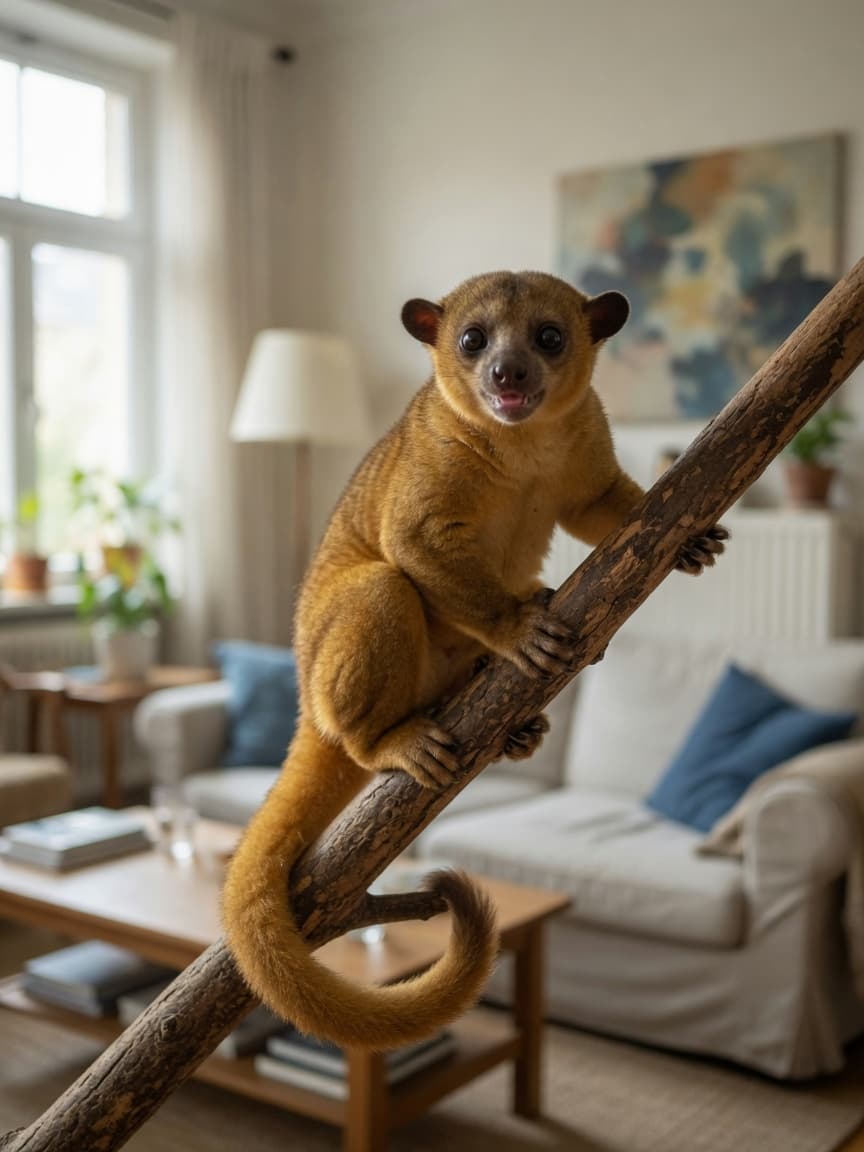
Kinkajous, with their adorable appearance and seemingly cuddly nature, have captured the hearts of exotic pet enthusiasts across Europe. These small, golden-furred creatures native to Central and South America might seem like the perfect companion, but the reality of kinkajou ownership is far more complex than their endearing looks suggest. Before considering bringing one into your home, it's essential to understand what's genuinely involved in their care, the legal implications, and whether you're truly prepared for the challenges ahead.
Understanding Kinkajou Behaviour and Temperament
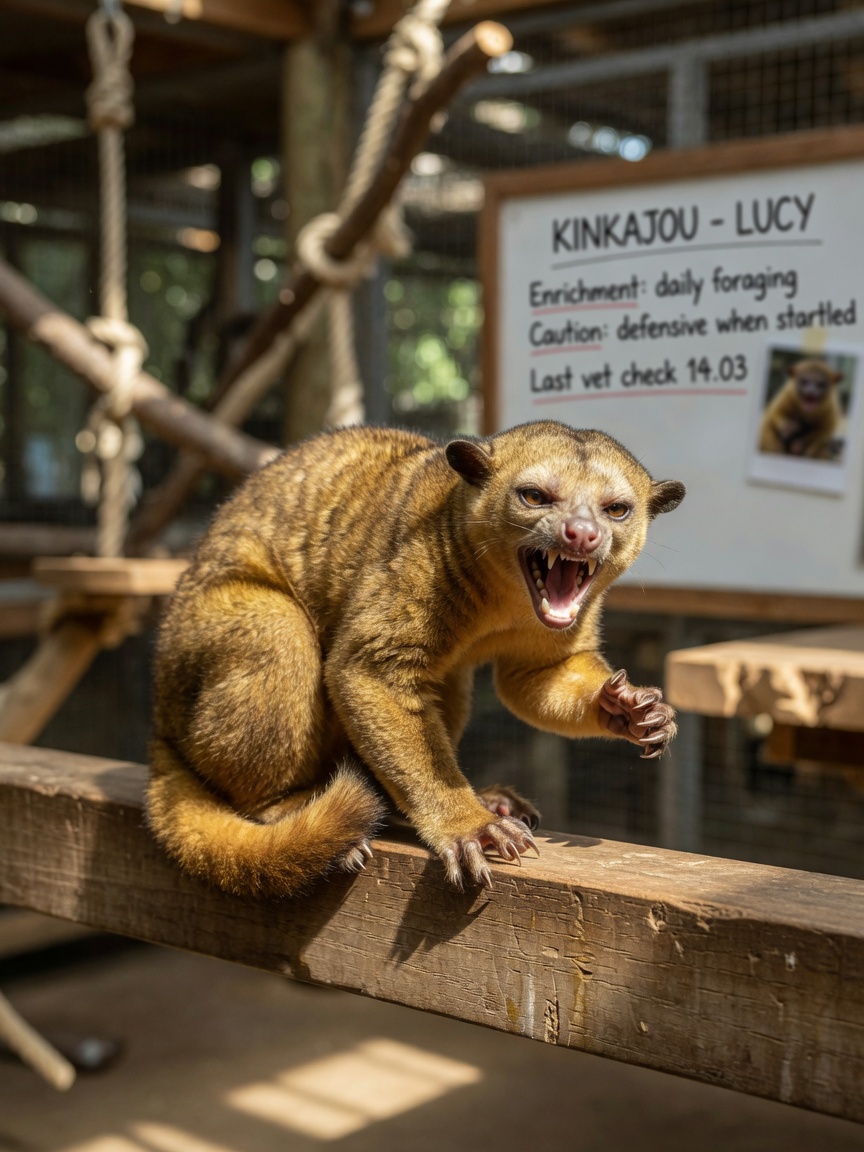
Kinkajous are wild animals, not domesticated pets. Despite their cute appearance, they possess strong predatory instincts and can become aggressive, particularly during mating season or when they reach sexual maturity. Unlike domesticated animals that have evolved alongside humans for thousands of years, kinkajous retain all their wild instincts.
- They can bite severely, causing deep puncture wounds and infections
- They're nocturnal creatures, meaning they're most active at night when you're trying to sleep
- They require extensive climbing space and constant mental stimulation
- Socialisation with humans during youth doesn't guarantee a tame adult animal
Many owners report that their kinkajous become increasingly unpredictable and territorial as they mature, often resulting in animals being surrendered to sanctuaries.
Legal Status and Restrictions
Before purchasing a kinkajou, research your local and national regulations thoroughly. The legal status of kinkajou ownership varies significantly across Europe:
- Some countries classify them as prohibited wild animals requiring special permits
- Others demand CITES (Convention on International Trade in Endangered Species) documentation
- Certain regions prohibit ownership entirely
- Local council regulations may impose additional restrictions
Purchasing an illegally-held animal supports unethical wildlife trafficking and leaves you vulnerable to hefty fines and legal action.
Specialised Housing and Environmental Needs
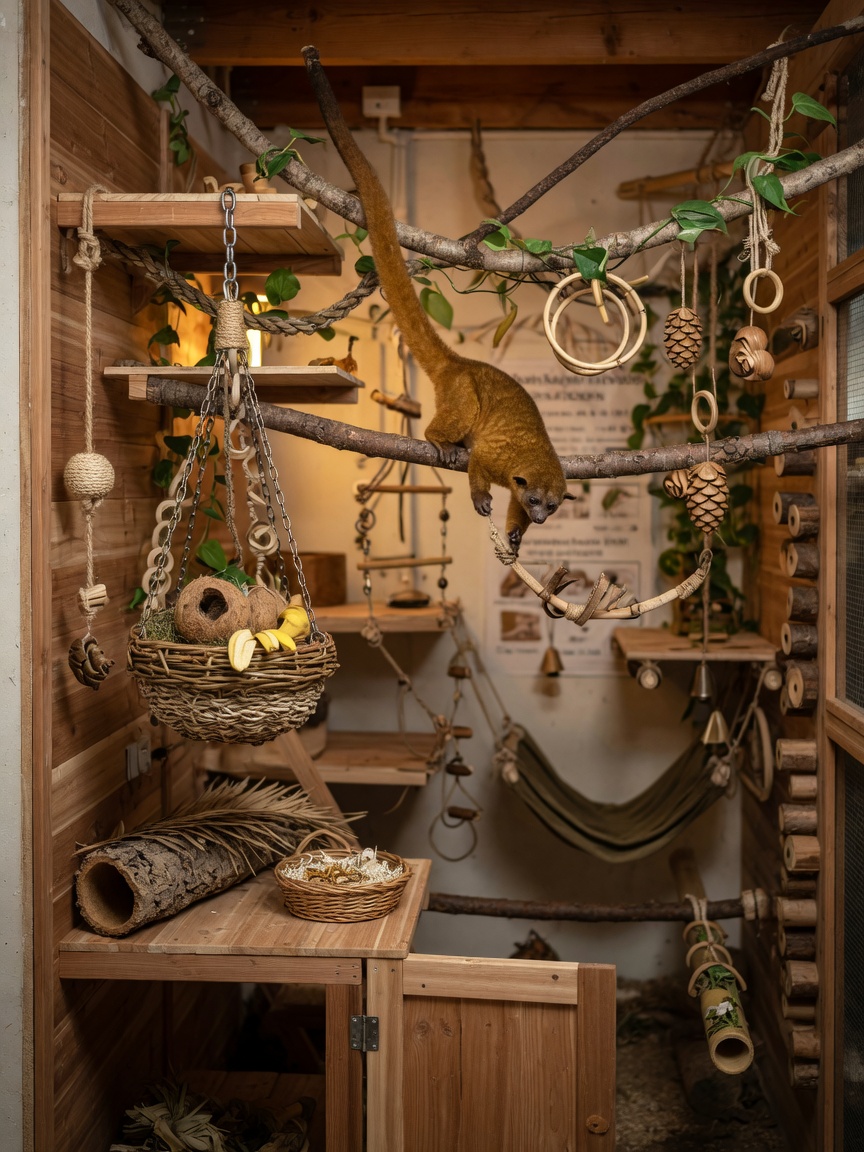
Kinkajous require extensive, purpose-built enclosures that most domestic homes cannot accommodate. These animals are arboreal, spending their lives in trees, and need vertical space with climbing structures, platforms, and branches.
Your home must provide:
- A temperature range between 20-25°C consistently
- High humidity levels (60-80%)
- Extensive climbing apparatus and enrichment
- Secure outdoor enclosure access if possible
- Multiple hiding spots for security
These environmental requirements demand significant investment and ongoing maintenance.
Complex Dietary and Health Requirements
Kinkajous have specialised dietary needs that veterinarians in Europe often struggle to address properly. They require a varied diet of fruits, insects, and occasionally small animals—a combination challenging to replicate in captivity.
Finding an exotic vet experienced with kinkajous can prove extremely difficult. Veterinary emergencies specific to this species may require travel considerable distances, and treatment costs are typically extremely high.
Long-Term Commitment and Welfare Concerns
Kinkajous can live 20+ years in captivity. This represents a substantial, long-term commitment that few owners anticipate. Many animals end up in sanctuaries when owners realise they cannot meet their needs.
Ethical considerations are paramount. Keeping a wild animal in captivity, regardless of legal status, raises genuine animal welfare concerns that responsible pet owners should carefully contemplate.
Key Takeaways: Is a Kinkajou Right for You?
A kinkajou is not suitable as a traditional pet for most European households. They're wild animals with complex needs, legal complications, and unpredictable temperaments. If you're drawn to exotic animals, consider supporting wildlife sanctuaries instead, or explore legally and ethically appropriate pet options. Your home, your lifestyle, and your expertise must genuinely align with these animals' requirements before even considering ownership. When in doubt, admiring kinkajous in their natural habitat or reputable sanctuaries remains the most responsible choice for both your wellbeing and theirs.