
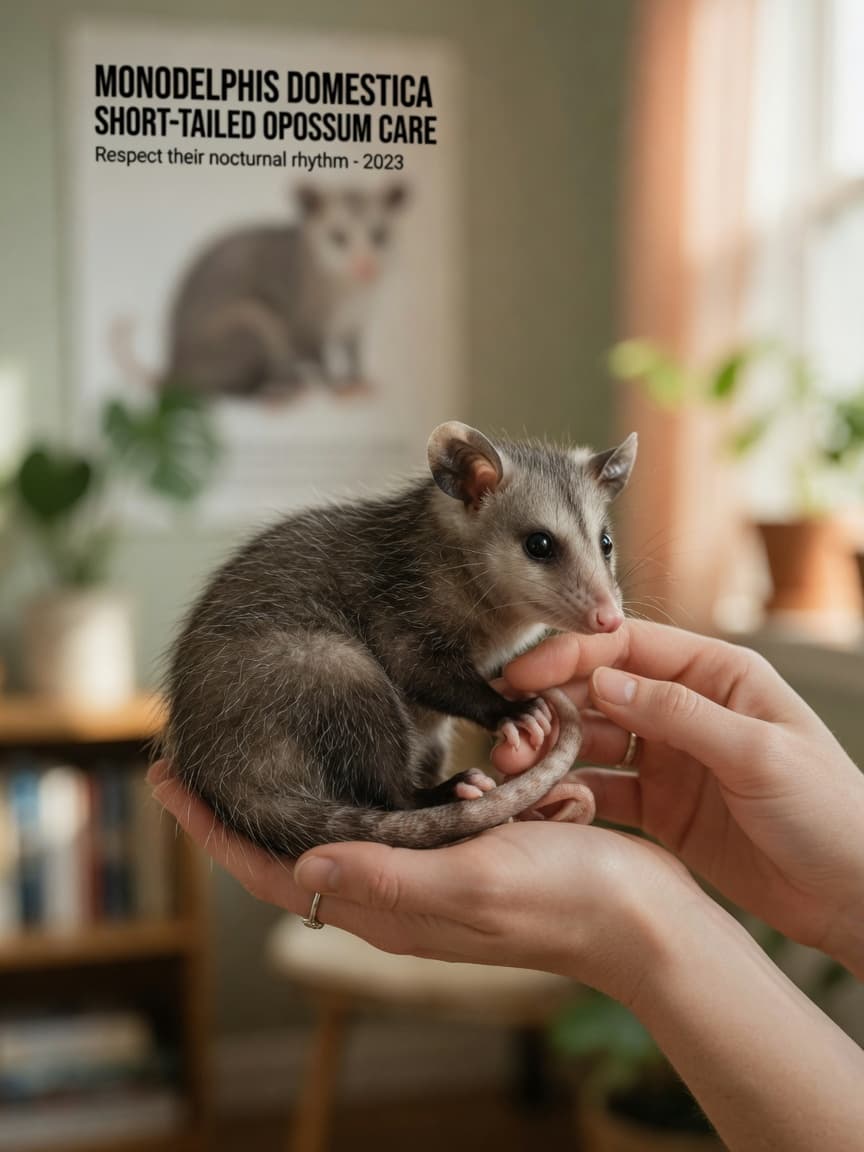
Short-tailed opossums are fascinating exotic pets that have gained popularity amongst adventurous pet owners across Europe. These small, mouse-like marsupials from South America might seem like intriguing companions, but before you consider bringing one home, it's crucial to understand their specific needs, legal requirements, and whether they're truly suitable for your lifestyle. In this comprehensive guide, we'll explore everything you need to know about keeping short-tailed opossums as pets.
Understanding Short-Tailed Opossums
Short-tailed opossums are small marsupials weighing between 200 and 700 grams, with distinctive features including pointed snouts, large ears, and hairless tails. Unlike their larger American cousins, these creatures are native to Central and South America and are primarily nocturnal omnivores. They're known for their quick movements and curious nature, which can make them entertaining to observe.
These marsupials are relatively long-lived for small exotic pets, typically surviving 4 to 6 years in captivity with proper care. Their size and activity levels make them suitable for smaller living spaces, but they require careful environmental management.
Legal Considerations and Licensing
Before acquiring a short-tailed opossum, you must verify your local and national regulations. Legal requirements vary significantly across European countries and even within regions:
- Many European nations classify short-tailed opossums as exotic animals requiring special permits or licences
- Some countries prohibit ownership entirely without proper authorisation
- Your local wildlife department or veterinary authority can provide definitive guidance
- Reputable breeders will always discuss legal requirements with potential owners
Failing to comply with these regulations can result in confiscation of your pet and significant fines.
Housing and Environmental Needs
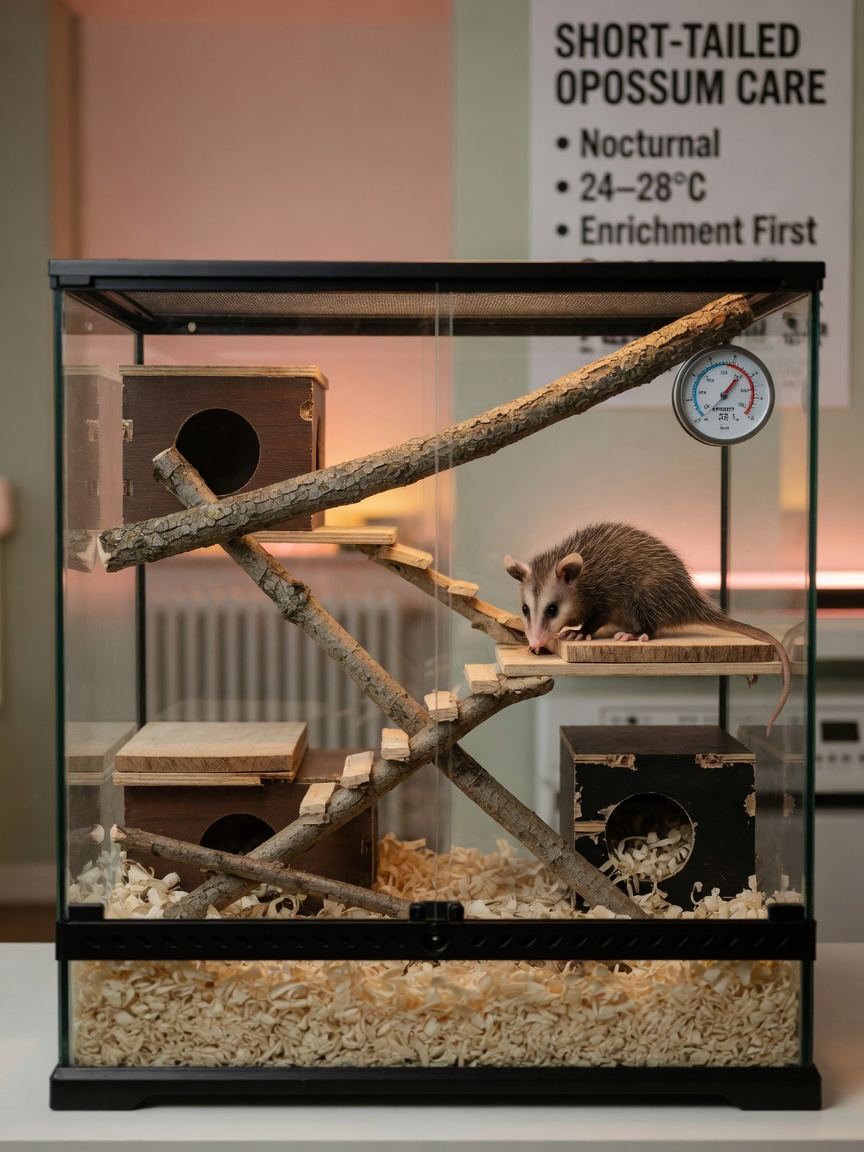
Short-tailed opossums require specialised housing to thrive. Minimum requirements include:
- A large, multi-level enclosure measuring at least 90cm x 60cm x 60cm (larger is always better)
- Multiple hiding spots and nesting boxes to reduce stress
- Climbing structures and branches, as they're semi-arboreal
- A temperature range of 20-24°C with humidity between 50-70%
- A 12-hour light and dark cycle to support their nocturnal nature
- Regular substrate changes for hygiene (aspen shavings or coconut husk work well)
Unlike conventional pets, opossums are sensitive to temperature fluctuations and require consistent environmental conditions year-round.
Diet and Nutritional Requirements
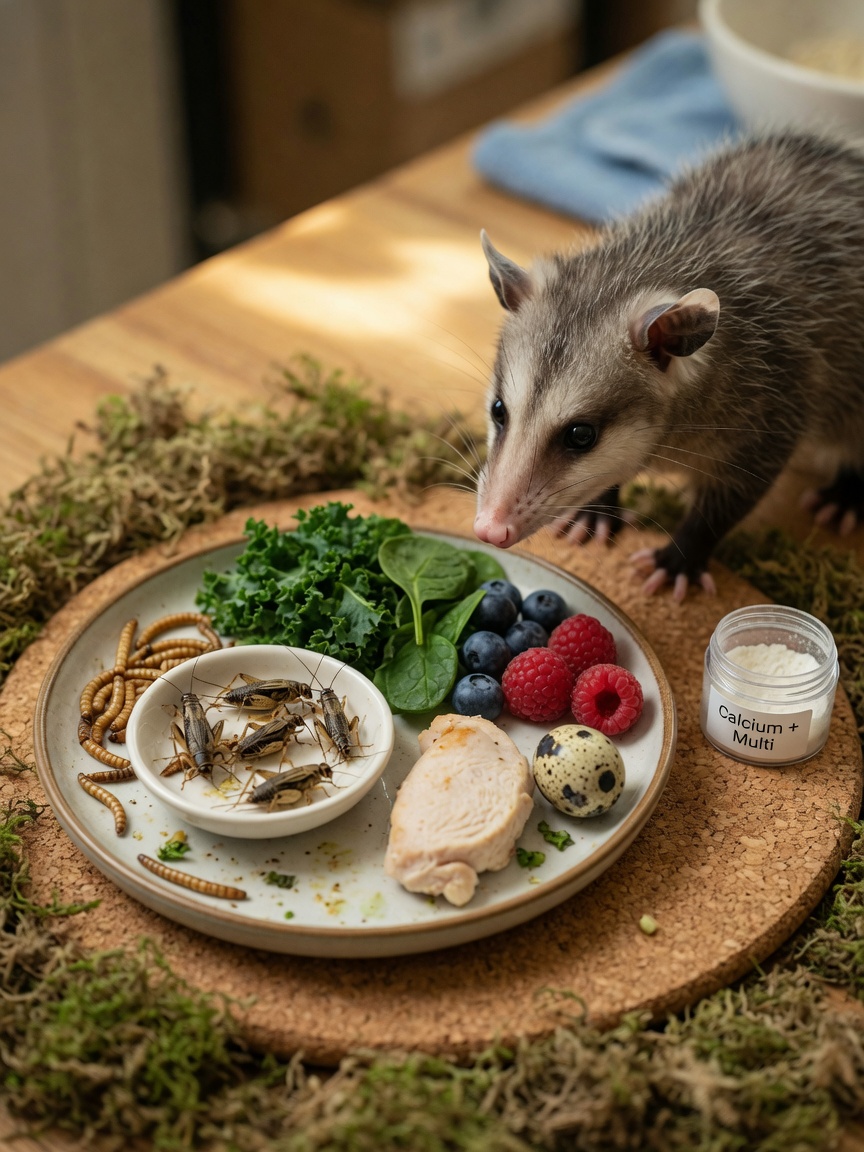
Short-tailed opossums are omnivorous and require a varied diet to maintain optimal health. Their nutritional needs include:
- High-quality protein sources such as insects (crickets, mealworms), lean meats, and eggs
- Fresh fruits and vegetables, including leafy greens and berries
- Calcium and vitamin supplements to prevent metabolic issues
- Regular feeding of live insects to encourage natural foraging behaviour
Improper nutrition is a common cause of health problems in captive opossums. Consulting with a veterinarian experienced in exotic pets is essential to developing an appropriate feeding plan.
Temperament and Handling
Short-tailed opossums can become relatively tame with consistent, gentle handling from a young age, but they're not cuddly companions in the traditional sense. They may bite if frightened or improperly handled, and they produce a distinctive odour when stressed. These animals are best suited to owners interested in observation rather than active interaction.
Veterinary Care Challenges
Finding qualified veterinary care for short-tailed opossums can be challenging. Few general practitioners have experience with these exotic marsupials, and specialised care may require travelling significant distances. Common health issues include nutritional deficiencies, obesity, and parasitic infections. Veterinary costs for exotic pets are typically higher than for conventional pets.
Is a Short-Tailed Opossum Right for You?
Short-tailed opossums are suitable only for experienced exotic pet owners who can commit to their specialised care requirements. Consider this pet if you:
- Have experience caring for exotic animals
- Can provide consistent environmental conditions
- Have access to specialist veterinary care
- Enjoy observation-based pet ownership
- Have confirmed legal permission in your area
If you're seeking a traditional, interactive pet or lack experience with exotic animals, conventional pets like rats or hamsters may be more appropriate choices.
Key Takeaways
Short-tailed opossums can make rewarding pets for the right owner, but they require extensive research, proper licensing, and specialised care. Their nocturnal nature, specific environmental needs, and challenging dietary requirements demand dedication and expertise. Before making a decision, thoroughly research your local regulations, locate a qualified exotic veterinarian, and honestly assess whether you can meet these demanding animals' needs. When properly cared for, these remarkable marsupials can provide years of fascinating observation, but they're certainly not pets for everyone.