
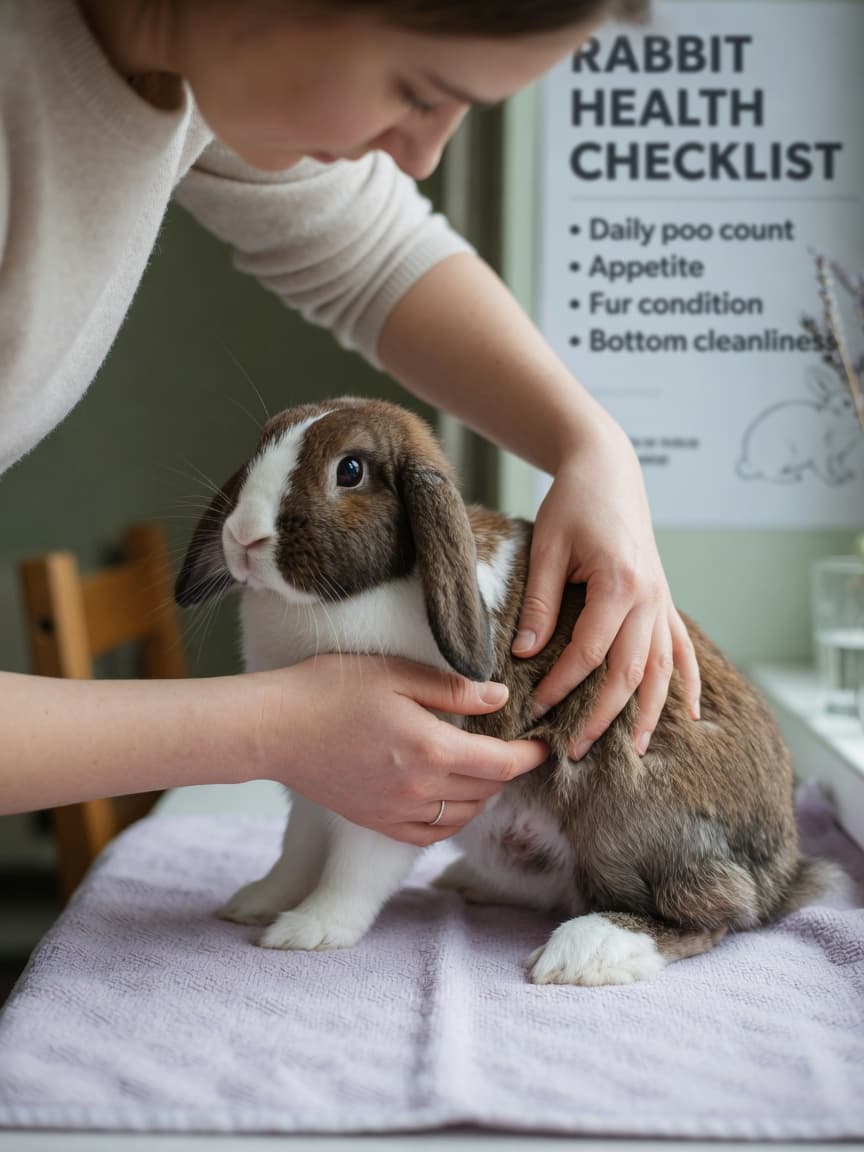
Understanding Rabbit Health: Why Early Detection Matters
Rabbits are prey animals with a deeply ingrained instinct to conceal illness. By the time a rabbit shows obvious signs of being unwell, the condition may already be advanced. As a rabbit owner in the UK or EU, understanding the most common health problems — and recognising their early warning signs — is one of the most important things you can do for your pet. Several rabbit conditions are genuine emergencies that can become fatal within 24 to 48 hours without treatment.
GI Stasis: The Most Common Rabbit Emergency
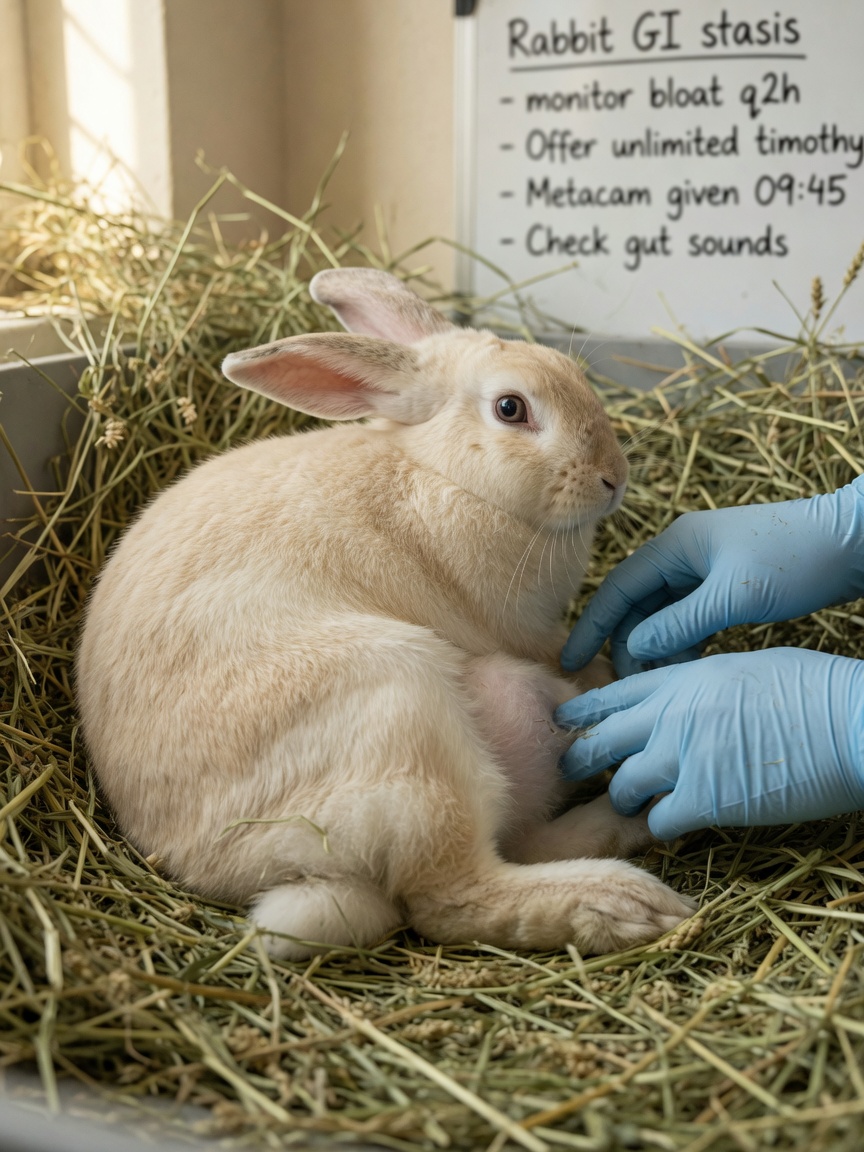
Gastrointestinal stasis, often called GI stasis, occurs when the normal movement of food through the digestive tract slows dramatically or stops altogether. It is the single most frequent life-threatening emergency in pet rabbits. Without prompt veterinary treatment, a rabbit in full GI stasis can die within 24 to 48 hours.
The condition is typically triggered by insufficient fibre intake, stress, dehydration, or pain from another underlying problem. A rabbit's gut relies on continuous movement to function — when this stops, gas accumulates, the gut lining suffers, and the rabbit quickly becomes critically ill.
- Warning signs: reduced or absent droppings, bloated abdomen, hunched posture, teeth grinding, refusal to eat or drink
- Treatment involves gut motility drugs, pain relief, IV fluids, and syringe feeding — always administered by a vet
- Prevention centres on unlimited high-quality hay, which provides the fibre essential for healthy gut motility
Dental Disease: A Lifelong Concern
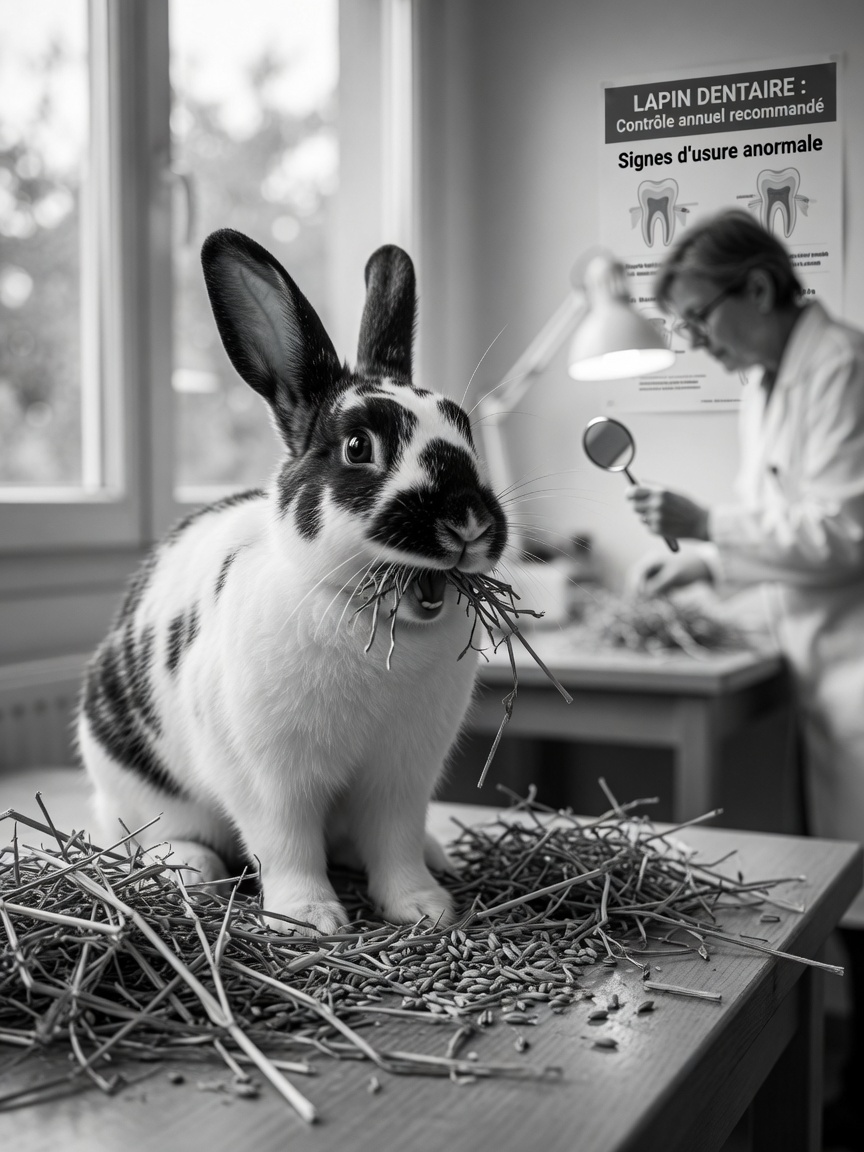
Unlike human teeth, a rabbit's teeth grow continuously throughout its life — at a rate of approximately 2 to 3 mm per week. This means dental problems are extremely common, particularly in house rabbits fed diets lacking adequate hay. When teeth are not worn down naturally through chewing fibrous material, they can overgrow, develop sharp spurs, and misalign, causing pain, difficulty eating, and secondary problems such as facial abscesses and eye infections.
Early signs of dental disease include drooling, dropping food, weight loss, and reluctance to eat. Dental disease in rabbits requires specialist treatment — general-practice vets may refer severe cases to an exotic animal specialist. Regular dental checks every 6 to 12 months are advisable.
Myxomatosis and Viral Haemorrhagic Disease (VHD/RHDV2)
Myxomatosis and Viral Haemorrhagic Disease are two devastating viral infections for which vaccination is strongly recommended — and in many European countries, considered essential. In the UK, a combined vaccine called Nobivac Myxo-RHD Plus provides protection against myxomatosis, classic VHD (RHDV1), and the newer RHDV2 strain. This single injection is given annually and represents one of the most important preventive health measures for any UK rabbit owner.
- Myxomatosis: spread by biting insects including mosquitoes and fleas; causes severe swelling, discharge, and skin lesions; often fatal
- VHD/RHDV2: highly contagious haemorrhagic disease; RHDV2 can infect vaccinated rabbits if the combined booster is not kept up to date; often kills without warning signs
- Indoor rabbits are not fully protected — insects can still enter the home; vaccination remains essential
In some EU member states, only one of the two vaccines may be licensed. Speak to your vet about which products are available in your country and how to maintain adequate protection.
Encephalitozoon cuniculi (E. cuniculi)
E. cuniculi is a microscopic parasitic organism that can cause serious neurological disease in rabbits. It is estimated that a significant proportion of pet rabbits carry the organism without showing symptoms, but when disease does manifest, the consequences can be severe. Common presentations include sudden head tilt, rolling, loss of balance, and in some cases, hind limb paralysis or cataracts. It is also transmissible to immunocompromised humans, though this is rare.
Diagnosis involves blood tests to detect antibodies, although a positive result does not always confirm active disease. Treatment with fenbendazole over 28 days is the standard approach and can reduce the severity of an episode. Many rabbits recover well with appropriate supportive care, though some neurological signs may persist.
Flystrike: A Seasonal Danger
Flystrike — known medically as myiasis — is a harrowing condition in which the blowfly Lucilia sericata lays eggs on a rabbit's skin, particularly in soiled or damp areas around the hindquarters. The eggs hatch into maggots within hours and begin feeding on the rabbit's flesh. Flystrike is a genuine emergency and can be fatal within 24 hours if not treated immediately.
It is most common in the UK between April and October. Risk factors include obesity (preventing rabbits from grooming their hindquarters), dental disease (leading to poor grooming), diarrhoea, and dirty living conditions. Daily checks of your rabbit's rear end during warm weather are essential. Preventive products such as Rearguard (difluoron) are available from vets and are applied to the hindquarters to prevent maggot development.
Uterine Cancer in Unspayed Does
Uterine adenocarcinoma is one of the most common cancers in female rabbits. Research suggests that up to 80% of unspayed does may develop uterine cancer by the age of five, making this a highly significant welfare concern. Early stages are often silent; by the time signs appear — bloody discharge, behavioural changes, reduced appetite — the disease may have already spread. Spaying female rabbits, ideally between four and six months of age, is strongly recommended and eliminates this risk entirely.
When to See a Vet
Seek veterinary attention promptly if your rabbit shows any of the following:
- No droppings for more than 12 hours, or droppings that are very small or misshapen
- Refusal to eat or drink for more than a few hours
- Bloated or painful-looking abdomen
- Head tilt, loss of balance, or seizure-like behaviour
- Maggots visible on the skin or signs of flystrike
- Breathing difficulties, nasal or eye discharge
- Any sudden change in behaviour or activity level
Finding a Specialist Vet
Rabbits are classified as exotic companion animals and benefit enormously from being seen by a vet with specialist experience. The European College of Zoological Medicine (ECZM) certifies vets across Europe who have completed advanced training in exotic animal species, including rabbits. In the UK, the British Small Animal Veterinary Association (BSAVA) Exotic Species Group connects owners with practitioners experienced in small mammal and exotic animal care. When registering your rabbit, ask your local practice whether they have an exotics-experienced vet on staff, or request a referral to a specialist clinic when needed.
Everyday Care and Supplies
High-quality Timothy hay should form the vast majority of your rabbit's diet and is available in large, economical bags from Zooplus, which stocks a wide range of rabbit-appropriate hays, pellets, and enrichment products. Ensuring your rabbit always has access to unlimited fresh hay is the single most effective preventive health measure you can take. Combined with annual vaccination, regular vet checks, and daily observation, most common rabbit health problems can either be prevented or caught early enough for successful treatment.