
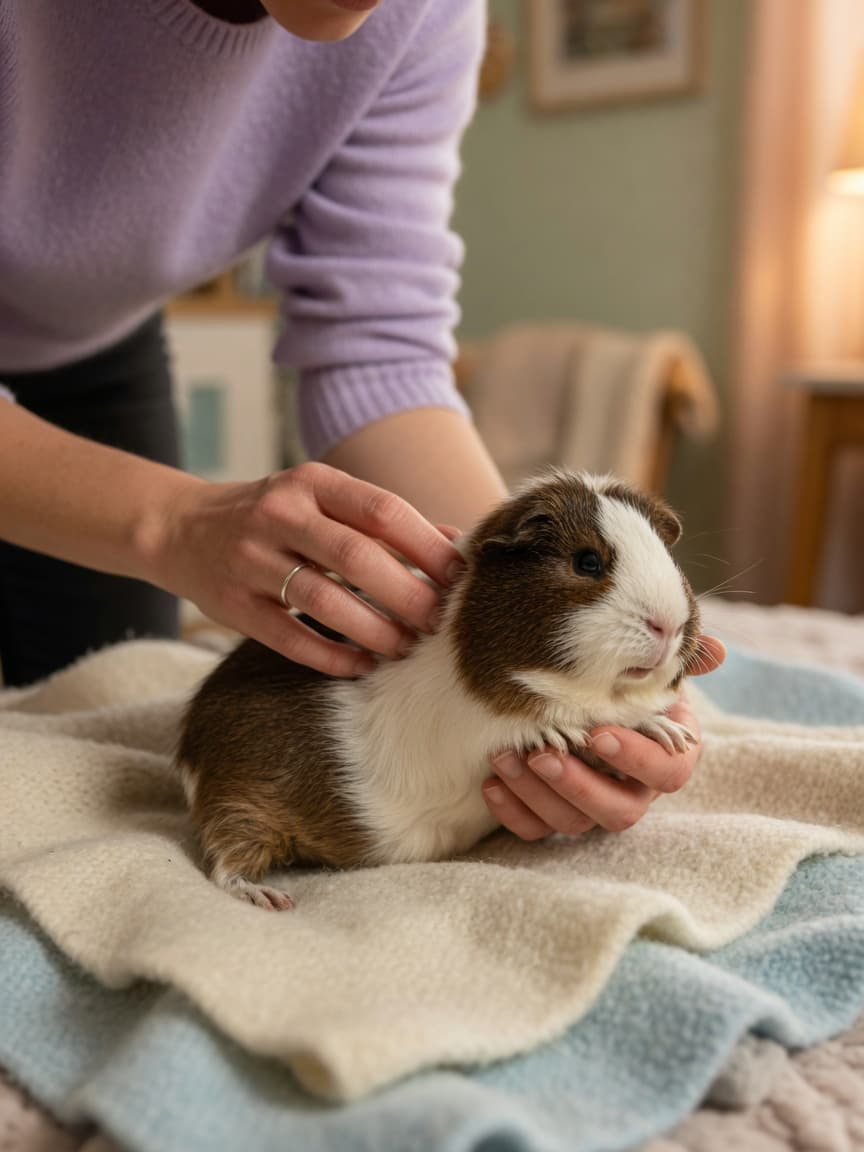
A Serious Threat That Demands Urgent Action
Respiratory infections are one of the most dangerous conditions guinea pigs can develop, and they demand a very different response from owners than they might in other pets. While a sneezing cat or dog might reasonably be monitored at home for a day or two, a guinea pig showing signs of respiratory illness can deteriorate catastrophically fast. In severe cases, respiratory infections in guinea pigs can prove fatal within 24 to 48 hours of the first symptoms appearing. This is not a condition where a wait-and-see approach is appropriate.
Understanding the causes, recognising the warning signs early, knowing when to treat a symptom as an emergency, and taking practical steps to prevent infection from spreading are all essential knowledge for any guinea pig owner.
What Causes Respiratory Infections in Guinea Pigs?
Several different pathogens can cause respiratory disease in guinea pigs, and in some cases more than one may be involved at the same time.
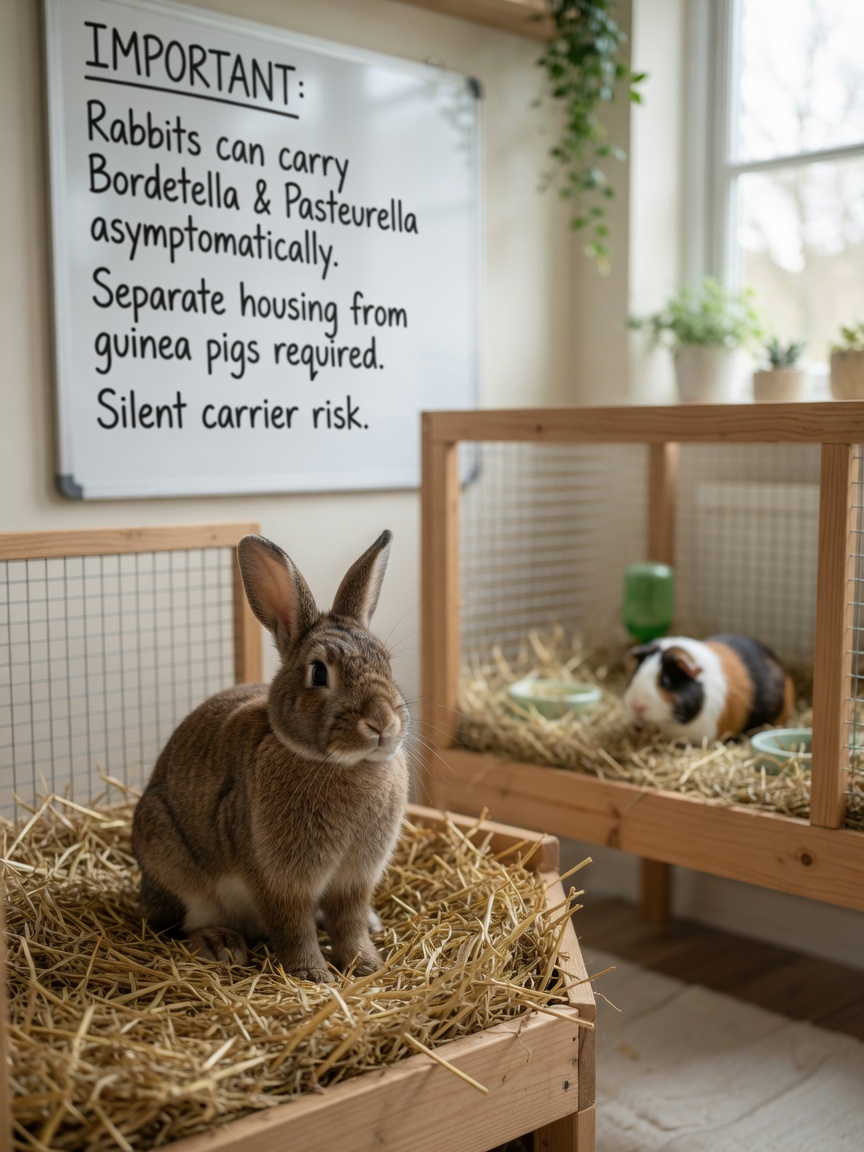
- Bordetella bronchiseptica is the most commonly identified cause of respiratory infection in guinea pigs. This bacterium can be carried and shed by apparently healthy rabbits, meaning that housing guinea pigs alongside rabbits — even when the rabbits appear perfectly well — can put the guinea pigs at serious risk. Bordetella spreads through direct contact and through aerosol droplets in the air.
- Streptococcus pneumoniae can cause severe pneumonia in guinea pigs and is associated with a high mortality rate. This bacterium is also a common cause of disease in humans, though the strains affecting guinea pigs are typically different from those causing disease in people.
- Pasteurella multocida is another bacterial pathogen that can affect the respiratory tract, though it is more commonly associated with disease in rabbits.
- Adenovirus can cause respiratory illness in guinea pigs, particularly in younger animals, and may predispose them to secondary bacterial infections.
Stressful living conditions, overcrowding, poor ventilation, draughts, and sudden changes in temperature can all reduce a guinea pig's resistance to infection and make existing disease worse. Newly acquired guinea pigs that are carrying an infection may not yet be showing signs, which is why quarantine is so important.
Recognising the Signs
Because respiratory infections progress so rapidly in guinea pigs, learning to spot early warning signs is critical. Any of the following should prompt you to contact a vet with exotic animal experience as soon as possible — do not wait overnight.
- Sneezing, particularly frequent or persistent sneezing
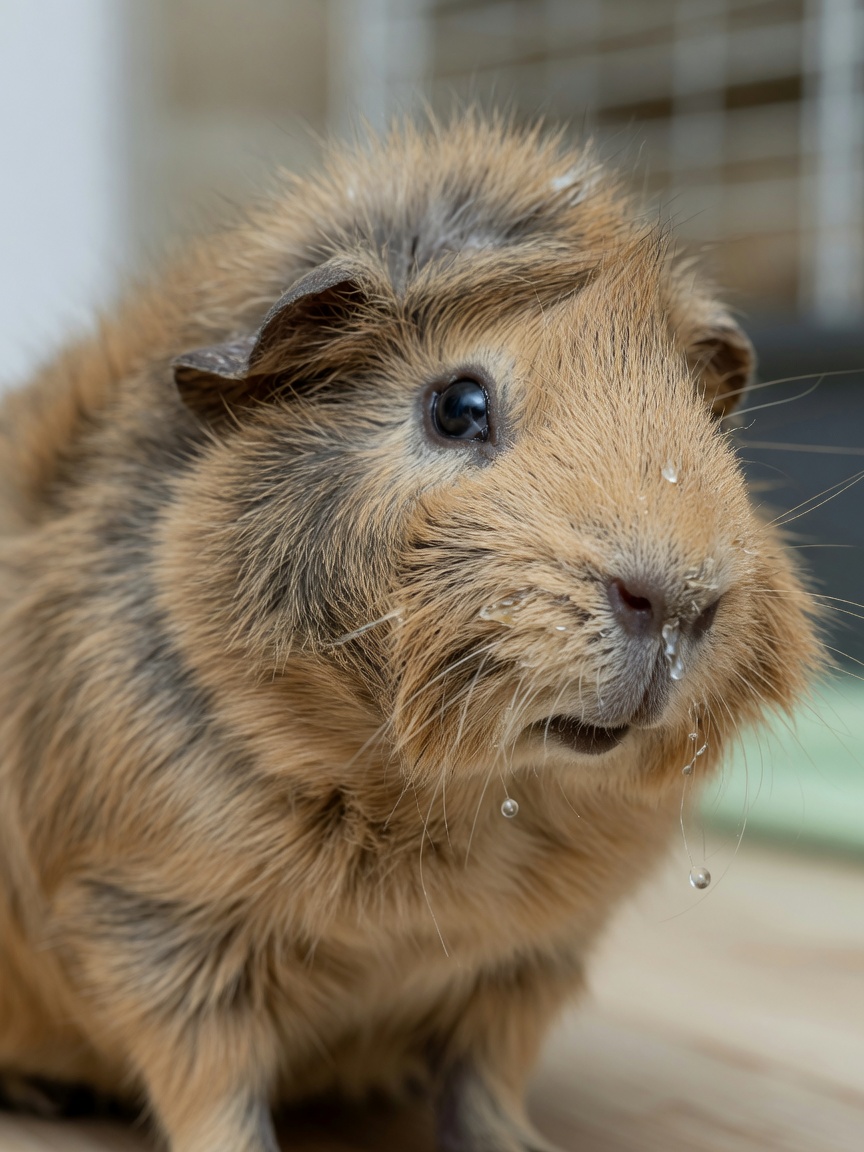
- Nasal discharge — clear, white, or coloured mucus from one or both nostrils
- Laboured or noisy breathing — you may notice the chest or flanks moving visibly, or hear crackling, clicking, or wheezing sounds
- Rapid breathing or open-mouth breathing — these are signs of serious respiratory compromise
- Lethargy and reduced movement
- Loss of appetite or reluctance to eat
- Crusty or weeping eyes, which can accompany upper respiratory infection
- A hunched posture or fluffed-up coat, indicating the animal is unwell and trying to conserve heat
The presence of any breathing difficulty — laboured respiration, open-mouth breathing, or obvious distress — must be treated as an emergency. Do not delay in seeking veterinary care. Call ahead to your exotic vet or an emergency practice and explain that you have a guinea pig with breathing problems so they can prepare to see the animal immediately.
The Zoonotic Risk: What Owners Need to Know
Bordetella bronchiseptica, the most common cause of respiratory infection in guinea pigs, has some zoonotic potential — meaning it can, in rare circumstances, be transmitted to humans. For healthy adults, the risk of serious illness from contact with an infected guinea pig is considered low. However, certain groups should take particular care.
Immunocompromised individuals — including those on immunosuppressive medication, people undergoing chemotherapy, and anyone with a condition affecting their immune system — face a higher risk of serious illness from Bordetella. Young children, who may be less careful about hygiene, should also be supervised during contact with guinea pigs showing respiratory signs. Standard hygiene measures such as thorough hand-washing after handling sick animals and avoiding face-to-face contact are sensible precautions for everyone.
Perhaps more critically for animal welfare, guinea pig owners must understand that healthy rabbits can silently carry and shed Bordetella. A rabbit that looks perfectly well and shows no signs of illness at all can transmit the infection to guinea pigs housed in the same room or run. For this reason, keeping guinea pigs and rabbits together — a once-common recommendation that is now strongly discouraged — poses a real disease risk. If you have both species, house them separately with no shared airspace where possible.
Diagnosis and Veterinary Assessment
A vet suspecting respiratory infection in a guinea pig will begin with a clinical examination, listening to the chest with a stethoscope and assessing the animal's breathing effort and overall condition. Further investigation typically includes chest radiography (X-rays) to assess the lungs and identify pneumonia or fluid accumulation. Bacterial culture from nasal swabs or samples obtained during examination can help identify the specific organism involved and guide antibiotic selection, though starting treatment promptly without waiting for culture results is often necessary given how quickly guinea pigs can decline.
Blood tests may be taken to assess the animal's overall condition and organ function, particularly if the guinea pig is very unwell. In a hospital or referral setting, more detailed imaging and sampling may be possible.
Treatment
Treating respiratory infections in guinea pigs requires prompt intervention and careful supportive care alongside antibiotic therapy.
- Antibiotics are the cornerstone of treatment for bacterial respiratory infections. Trimethoprim-sulphamethoxazole (co-trimoxazole) is commonly used in guinea pigs and is generally safe for this species. Enrofloxacin is another antibiotic sometimes used, particularly where Bordetella is suspected. It is essential to note that many commonly used antibiotics — including penicillin, amoxicillin, and clindamycin — are dangerous or potentially fatal in guinea pigs due to disruption of their gut flora. Never use antibiotics intended for other pets or humans without specific veterinary guidance.
- Supportive warmth is important, as sick guinea pigs become chilled easily. A temperature of around 20 to 22 degrees Celsius is appropriate. Avoid draughts and keep the animal away from other guinea pigs to reduce stress and prevent spread.
- Syringe feeding with a recovery food such as Oxbow Critical Care or Supreme Science Recovery is essential if the guinea pig has stopped eating. Gut stasis can develop rapidly in an animal that is not consuming adequate fibre, compounding the original problem.
- Nebulisation — delivering medication or saline in a fine mist that the animal breathes in — is used in more severe cases, particularly in a veterinary hospital setting, to help loosen secretions and deliver medication directly to the respiratory tract.
- Pain relief and anti-inflammatory medication may be prescribed alongside antibiotics.
The prognosis depends heavily on how quickly treatment is started. Guinea pigs seen by a vet at the first signs of illness have a much better chance of recovery than those that have been ill for 24 hours or more before help is sought.
Prevention
Preventing respiratory infection requires attention to housing, hygiene, and the introduction of new animals.
- Quarantine all newly acquired guinea pigs for two to three weeks before allowing any contact with your existing animals. During this period, house them in a separate room and use different equipment for their care.
- Ensure housing is well ventilated but free from direct draughts. Stagnant air allows airborne pathogens to accumulate, but cold draughts compromise immunity.
- Never house guinea pigs with rabbits or allow them to share the same air space.
- Clean housing regularly to reduce bacterial load and ammonia build-up.
- Minimise stress, which weakens the immune response. Guinea pigs are social animals and should be kept in compatible pairs or small groups with adequate space.
- If one guinea pig in a group becomes ill, separate it immediately and monitor all others closely for signs of illness.
Vaccination against Bordetella bronchiseptica is available for rabbits in the UK and is often recommended for rabbits that live near guinea pigs, though it does not eliminate the risk of shedding entirely. There is currently no licensed Bordetella vaccine for guinea pigs in the UK.