
Pet Travel Checklist: Everything You Need Before You Go
Why a Checklist Matters
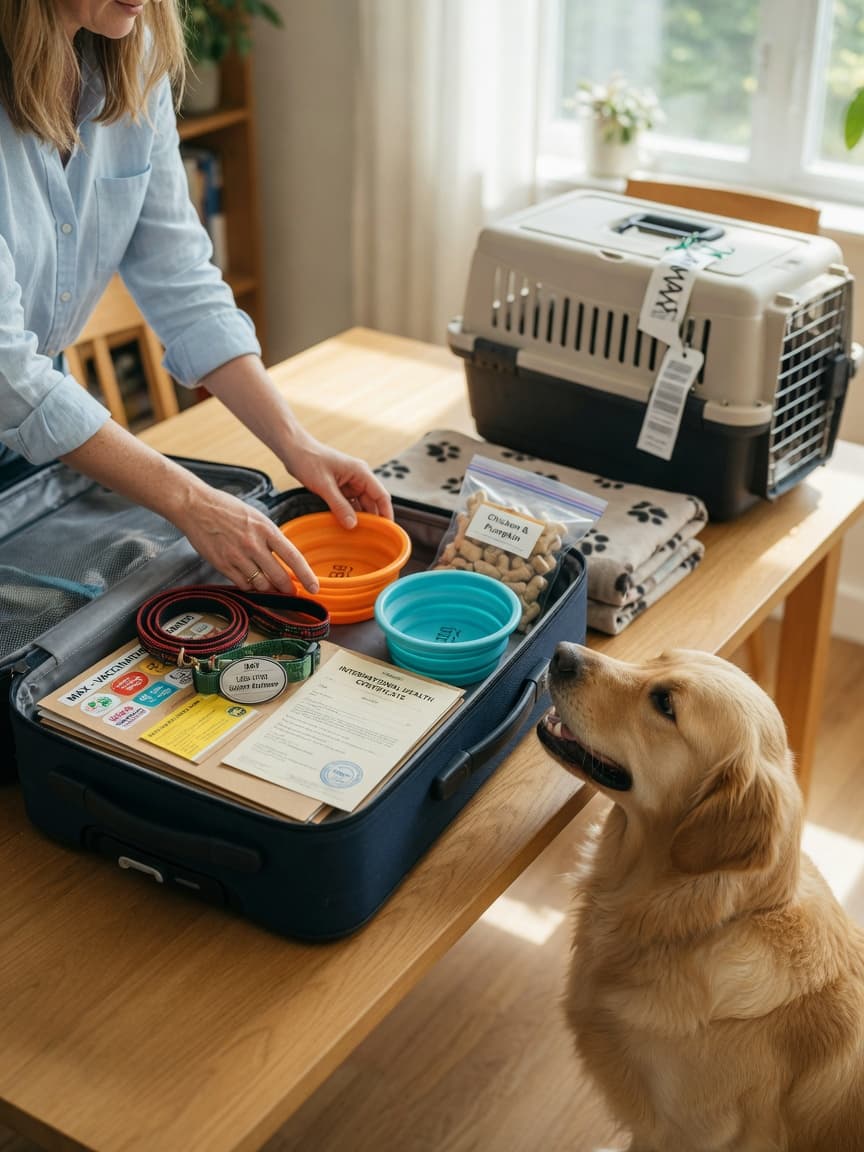
Traveling with a pet — whether it is a weekend road trip with your dog or an international flight with your cat — involves a level of logistics that catches many pet owners off guard. Beyond the basics of food and a leash, there are health documentation requirements, safety gear considerations, comfort items, and destination-specific rules to navigate. A structured checklist prevents the kind of oversight that turns a fun trip into an emergency: a forgotten medication, a carrier that does not meet airline requirements, or a missing rabies certificate at a border crossing.
This checklist is organised by category and covers both dogs and cats. Tick off what applies to your specific trip and adapt as needed.
Pre-Trip Vet Visit Checklist
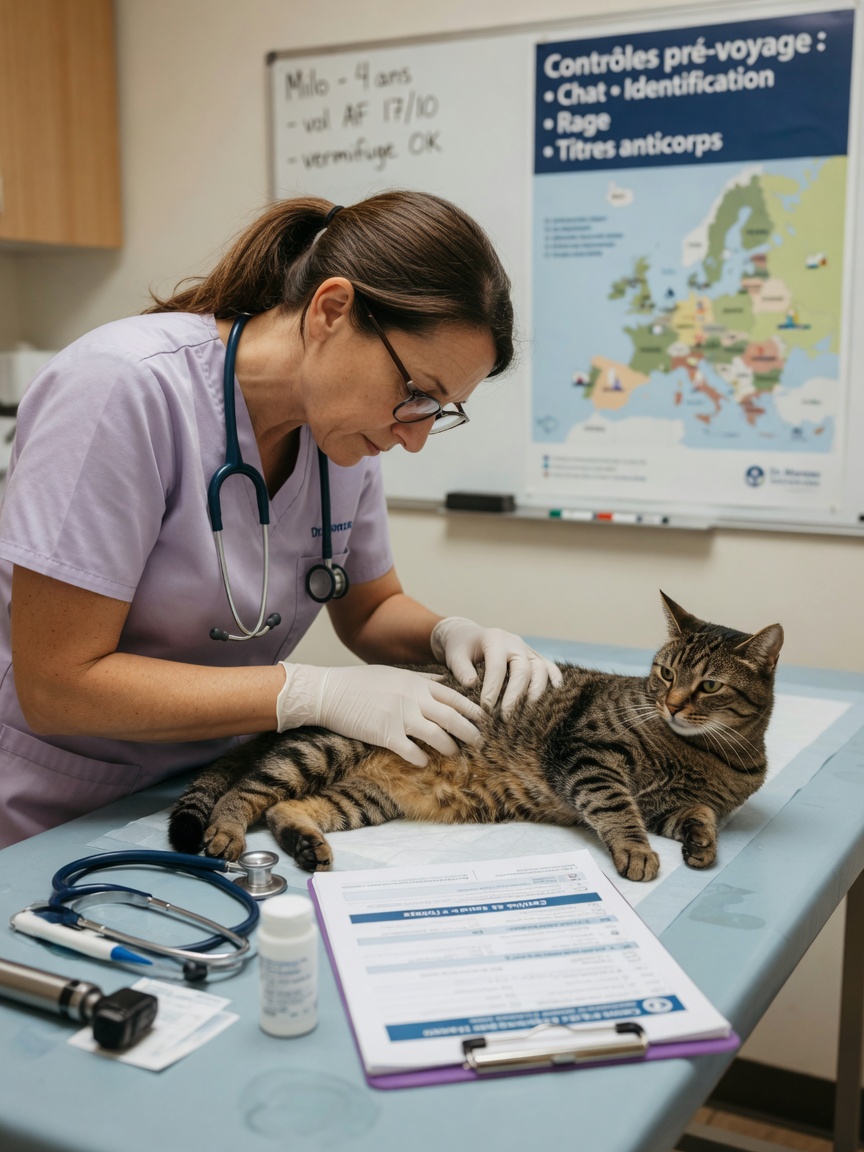
Schedule a vet appointment at least two weeks before departure — earlier for international travel. Ask your vet to address:
- General health check to confirm your pet is fit to travel
- Up-to-date vaccinations (rabies is required for most travel; kennel cough for dogs visiting kennels or dog-friendly hotels)
- Flea and tick preventative treatment — particularly important for camping or rural destinations
- Intestinal parasite check and treatment if needed
- Microchip check — confirm the chip is readable and registration details (address, phone) are current
- Health certificate (USDA-accredited certificate required for most air travel and international crossings) — note that health certificates for air travel are typically only valid for 10 days
- Prescription medications for travel anxiety or motion sickness if your pet has a history of travel distress
- For EU/UK travel: EU Pet Passport or Animal Health Certificate, rabies titre test if required by destination
- Heartworm prevention if travelling to endemic regions
- Copy of complete medical records to carry with you
Health Docs & ID — Pack These
- Vaccination records (physical copy and photograph on your phone)
- Health certificate (original, signed by accredited vet)
- EU Pet Passport or equivalent travel documentation
- Microchip number noted separately from the pet's collar
- Pet insurance policy details and 24-hour claims number
- Contact details for your regular vet and an emergency vet at the destination
- Recent clear photograph of your pet — essential if they go missing
- List of current medications with dosing instructions
Food & Water Supplies
- Enough of your pet's regular food for the entire trip plus two extra days (sudden diet changes during travel worsen digestive upset)
- Portable, collapsible food and water bowls
- Bottled water from home for the first few days — municipal water at the destination may taste different enough to discourage drinking
- Treats (for reassurance, reward, and medication administration)
- Manual can opener if feeding wet food
- Feeding mat or newspaper to protect hotel/accommodation surfaces
- For cats: food warmer or thermos for heating wet food (stress often suppresses appetite; warm food is more aromatic and enticing)
Everything your pet needs for travel, in one place. Zooplus stocks collapsible travel bowls, portable water bottles, travel-sized treat pouches, and airline-approved carriers — with competitive pricing and reliable delivery. Build your travel kit before your next trip.
Shop pet travel accessories at Zooplus →Safety & Containment
For Dogs
- Crash-tested travel harness or secured crate for car travel (never travel with a loose dog in a vehicle)
- Standard leash plus a slip lead as backup
- Collar with ID tag showing current mobile number (engrave ahead of travel)
- Long line (5–10 m) for rest stops in open areas without fencing
- Portable fence or exercise pen if staying somewhere without a secured garden
- Poop bags (pack more than you think you need)
For Cats
- Hard-sided, well-ventilated carrier with secure latches
- Harness and leash if your cat is harness-trained (never rely on a collar for containment)
- Feliway spray for the carrier
- Carrier cover (breathable fabric) to reduce visual stimuli
- Travel litter tray and portable litter supply for journeys over three hours
- Disposable litter tray liners
Comfort & Wellbeing Items
- Pet's own bed, blanket, or sleeping mat — unwashed, carrying familiar scent
- Favourite toy (one or two, not the whole collection)
- For dogs: a chew or long-lasting treat to occupy during travel or settling into new accommodation
- For cats: a worn item of your clothing to place in the carrier or sleeping area
- Calming supplement or calming chews if your pet is prone to anxiety (start the day before travel)
- Pheromone diffuser plug-in if staying in self-catering accommodation for more than a few days
First Aid Kit
A basic pet first aid kit should accompany any trip of more than a day. Include:
- Digital rectal thermometer (normal dog temp: 38–39°C / 101–102.5°F; cat: 38–39.2°C)
- Sterile saline solution for wound flushing
- Non-stick wound dressings and self-adhesive bandage (Vetrap)
- Antiseptic wipes
- Tweezers for tick removal
- Tick remover hook
- Latex gloves
- Diphenhydramine (Benadryl) — ask your vet about appropriate dosing for insect stings and allergic reactions
- All regular prescription medications with at least a week's extra supply
The AVMA's traveling with pets guide and the ASPCA pet travel safety page offer additional vet-reviewed checklists and country-specific travel requirements.
Destination Prep
- Research pet policies at accommodation before booking — confirm weight limits, breed restrictions, and fees
- Identify the nearest 24-hour emergency vet to your destination
- Check local leash laws, beach pet policies, and park restrictions
- Research toxic plants or wildlife specific to the destination region
- For international travel: check quarantine requirements for return to your home country
Key Takeaways
- Start travel preparations at least two weeks before departure — health certificates and international documents take time.
- A pre-trip vet visit should cover health check, vaccinations, microchip verification, and any required travel documentation.
- Pack enough regular food for the full trip plus two days' buffer; sudden diet changes worsen travel digestive upset.
- Dogs need crash-tested restraint in cars; cats need a hard-sided, secured carrier with Feliway inside.
- Carry physical and digital copies of all health documentation — vaccination records, health certificate, microchip number.
- A basic pet first aid kit should accompany any trip longer than a day.
- Research pet policies, local emergency vets, and destination-specific rules before you leave home.
References
- Paterson S. "Skin diseases and the role of the dermatologist in pet travel." Veterinary Dermatology. 2018;29(3):196–203. PubMed 29508505
- Kelman M, Ward MP, Barrs VR, Norris JM. "International travelling cats: mapping for risk of exotic infectious disease exposure." Parasites & Vectors. 2020;13(1):129. PubMed 32164759