
What Is Ozone Therapy?
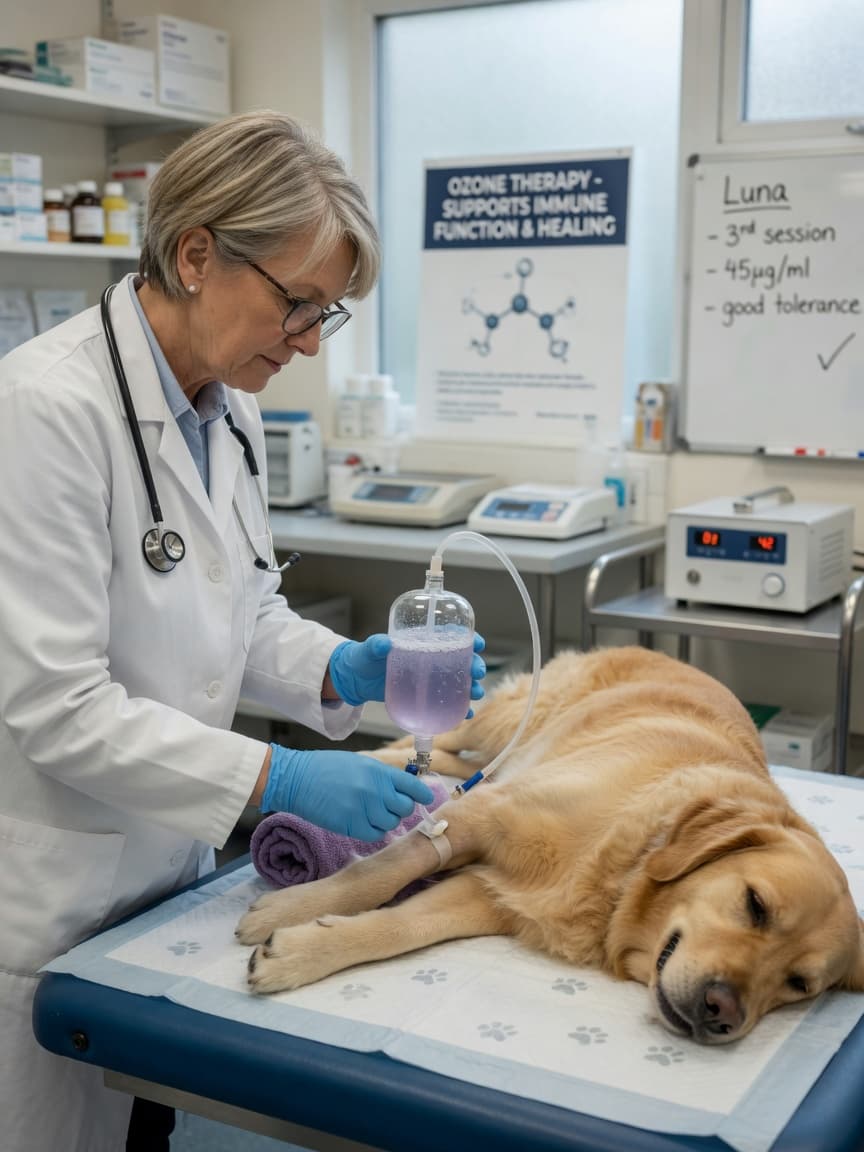
Ozone therapy involves the medical use of ozone gas — a molecule consisting of three oxygen atoms (O3) — applied to the body with the aim of treating disease. In veterinary contexts, it is used as an antimicrobial agent, an immune modulator, and an anti-inflammatory treatment. Practitioners apply ozone in several ways: insufflation (introducing ozone gas into body cavities), ozone water or oil applied topically, rectal or ear insufflation, and, in some settings, intravenous or intra-articular injection of ozone-infused solutions.
Interest in veterinary ozone therapy has grown steadily over the past decade, and it is now offered by a number of integrative and holistic veterinary practices. Like many modalities sitting at the intersection of conventional and complementary medicine, it deserves careful scrutiny rather than either uncritical acceptance or reflexive dismissal.
The Proposed Mechanisms
Ozone is a potent oxidant. When introduced into biological tissue, it reacts rapidly with lipids, proteins, and other molecules to produce reactive oxygen species and lipid oxidation products. These secondary messengers are thought to trigger a cascade of beneficial effects:
- Stimulation of antioxidant enzyme systems (superoxide dismutase, glutathione peroxidase)
- Increased production of ATP through enhanced oxygen utilisation
- Modulation of inflammatory cytokines
- Direct antimicrobial action against bacteria, fungi, and viruses
- Improved microcirculation
These mechanisms are biologically plausible and partially supported by in vitro and animal research. The challenge lies in demonstrating that these effects translate into clinically meaningful outcomes in living patients under controlled conditions.
Current Veterinary Applications
In practice, veterinary ozone therapy is most commonly used for the following:
- Wound management, including infected or poorly healing wounds
- Dental disease — ozonated water is used in some veterinary dentistry practices as an adjunct to cleaning
- Ear infections, particularly recurrent otitis
- Musculoskeletal pain and joint disease, via intra-articular ozone injection
- Dermatological conditions, including pyoderma and Malassezia overgrowth
- Supportive care in cancer patients, claimed to improve quality of life and potentially modulate tumour microenvironment
Practitioners also promote ozone therapy for a broad range of systemic conditions, sometimes making claims that extend well beyond what the available evidence supports.
What the Research Actually Shows
Here is where transparency is essential. The evidence base for ozone therapy in veterinary medicine is limited, and much of what exists is of low methodological quality. Most studies are small, uncontrolled, or conducted in rodent models rather than companion animals. Publication bias — the tendency for positive results to be published more readily than negative ones — is also a significant concern in this literature.
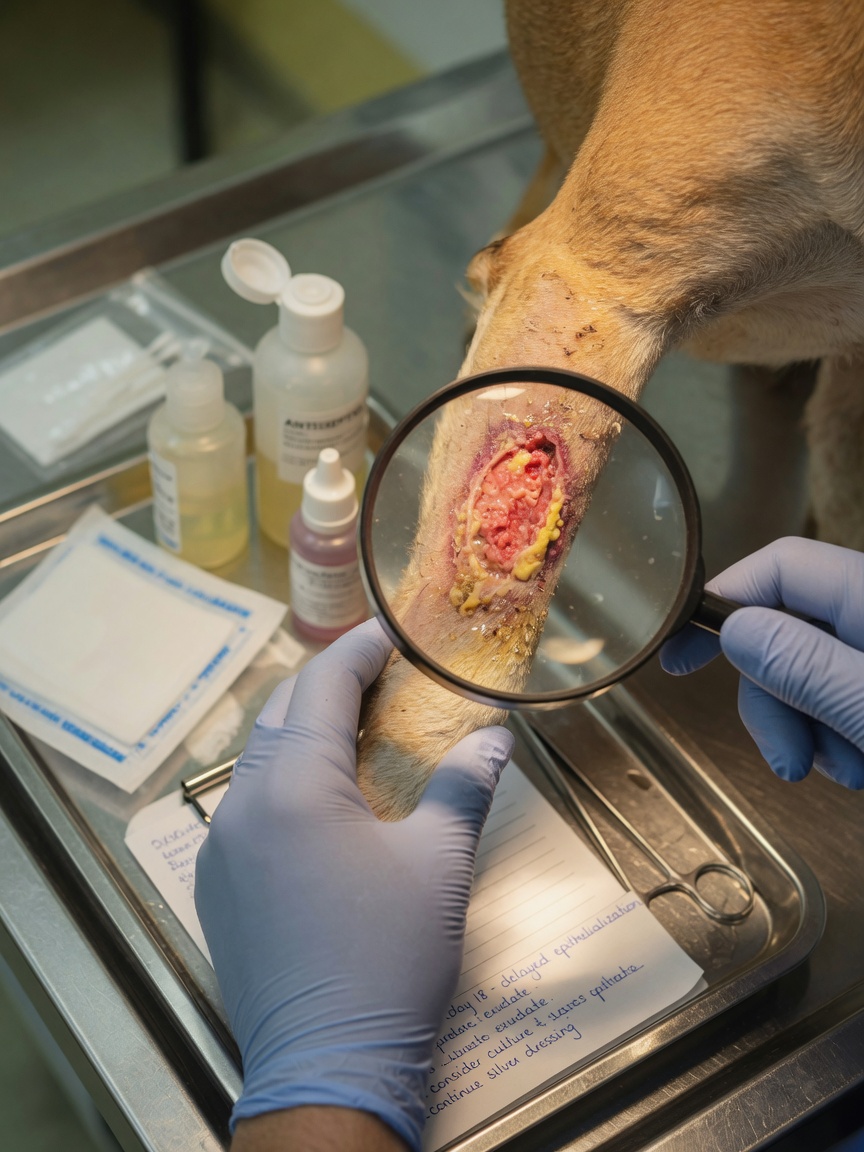
For wound healing, there are several small studies and case series suggesting that ozonated oil or ozone water applied topically can reduce bacterial load and promote healing in skin wounds and post-surgical sites. This application is perhaps the best-supported use of ozone in veterinary contexts, and the antimicrobial properties of ozone are well established in laboratory settings.
For joint disease, some human studies — primarily from Eastern European and Spanish research groups — suggest that intra-articular ozone injection can reduce pain in osteoarthritis patients. A handful of veterinary case series report similar findings in dogs, but randomised controlled trials with adequate sample sizes do not yet exist in this population.
Claims about ozone therapy modulating cancer or significantly altering immune function in ways that improve outcomes for systemic disease are, at present, not supported by clinical trial evidence in companion animals.
Safety Considerations
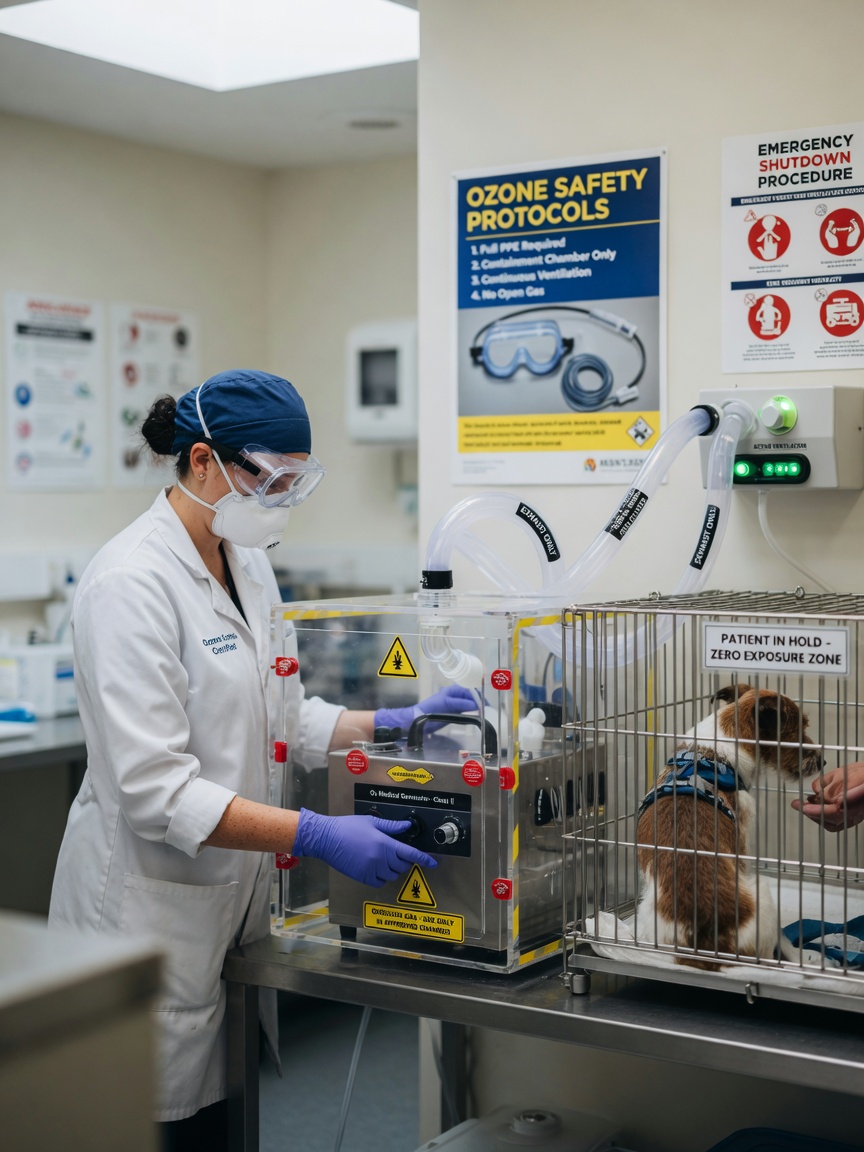
Ozone is a respiratory irritant and is toxic when inhaled. Inhalation of ozone at therapeutic concentrations can cause pulmonary inflammation and damage, and this risk is not trivial. Practitioners using ozone must take precautions to ensure neither the animal nor staff inhale the gas during administration.
Intravenous ozone therapy carries risk of gas embolism if ozone gas enters the bloodstream directly rather than in an ozonated solution, and this has been associated with fatalities in human patients receiving improperly administered intravenous ozone. This risk should be clearly acknowledged by any practitioner offering this route of administration.
Topical and rectal ozone applications, when performed correctly by trained practitioners, have a more favourable safety profile. However, the phrase "when performed correctly" is doing significant work in that sentence — the competence and training of the individual practitioner matters greatly.
Regulatory Context in the UK
In the UK, ozone therapy in animals must be performed by a veterinary surgeon or under their direct supervision. No specific regulatory framework governs ozone therapy as a modality, meaning that credentialling and training standards vary. Some practitioners have undertaken courses offered by international ozone therapy associations, but these are not standardised or independently regulated in the UK context.
The Veterinary Medicines Directorate would not classify ozone as a licensed veterinary medicine, which means its use sits in a grey area. This is worth understanding if you are considering this treatment for your pet.
How to Approach Ozone Therapy for Your Pet
If your vet proposes ozone therapy, or if you are considering seeking it from an integrative practice, a few questions are worth asking:
- What specific condition is being treated, and what evidence supports ozone therapy for that condition?
- Which route of administration is being proposed, and what are the associated risks?
- How will response to treatment be assessed, and over what time frame?
- How does this fit alongside any conventional treatment your pet is already receiving?
Ozone therapy is not without potential merit, particularly for localised applications such as wound care. But the current evidence does not justify the broad claims sometimes made on its behalf, and the safety considerations — especially for systemic routes of administration — warrant careful thought. An honest practitioner will acknowledge both the potential and the limitations.