
The Supplement Industry and Your Pet
The global pet supplement market is worth billions of pounds annually and grows each year. Supplements are marketed for everything from joint health to cognitive function, coat quality to anxiety. Many pet owners reach for a supplement instinctively when they notice a change in their animal. The problem is that the regulatory framework governing pet supplements is considerably weaker than the one governing veterinary medicines, which means products can be sold with very limited evidence of efficacy. This guide sorts through the most commonly recommended supplements and examines what the science actually supports.
Joint Supplements: The Most Studied Category

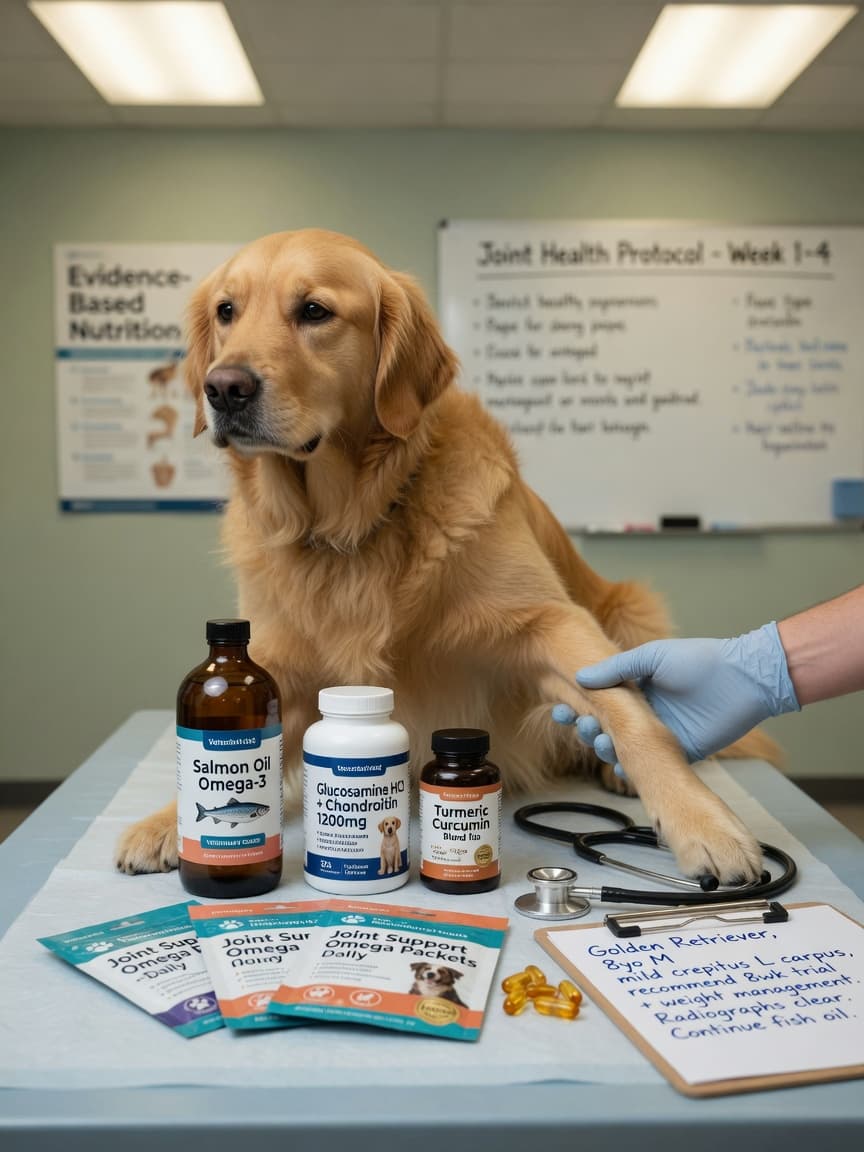
Glucosamine and chondroitin are the most widely used supplements in veterinary practice and have the most substantial evidence base of any over-the-counter category. They are structural components of cartilage and have been proposed to support joint health both directly and through anti-inflammatory mechanisms.
What the Evidence Shows
The results from clinical trials in dogs are genuinely mixed. Some well-designed studies show modest improvements in gait and reduced pain scores in dogs with osteoarthritis. Others show no statistically significant benefit over placebo. A 2007 Cochrane-style review published in the Journal of the American Veterinary Medical Association found insufficient evidence to support glucosamine and chondroitin as reliable treatments for canine osteoarthritis.
Despite this, many veterinary professionals continue to recommend them in conjunction with conventional pain management, partly because they are low-risk and some animals do appear to respond. They are likely more useful as part of a broader management programme than as standalone treatments.
Green-Lipped Mussel
New Zealand green-lipped mussel (Perna canaliculus) has a more promising evidence base than glucosamine or chondroitin. It contains omega-3 fatty acids, glycosaminoglycans, and unique furan fatty acids with anti-inflammatory properties. Several controlled trials in dogs have shown meaningful reductions in lameness scores and joint stiffness. It is one of the supplements I consider genuinely worth trying for early-to-moderate osteoarthritis.
Omega-3 Fatty Acids: Strong Evidence
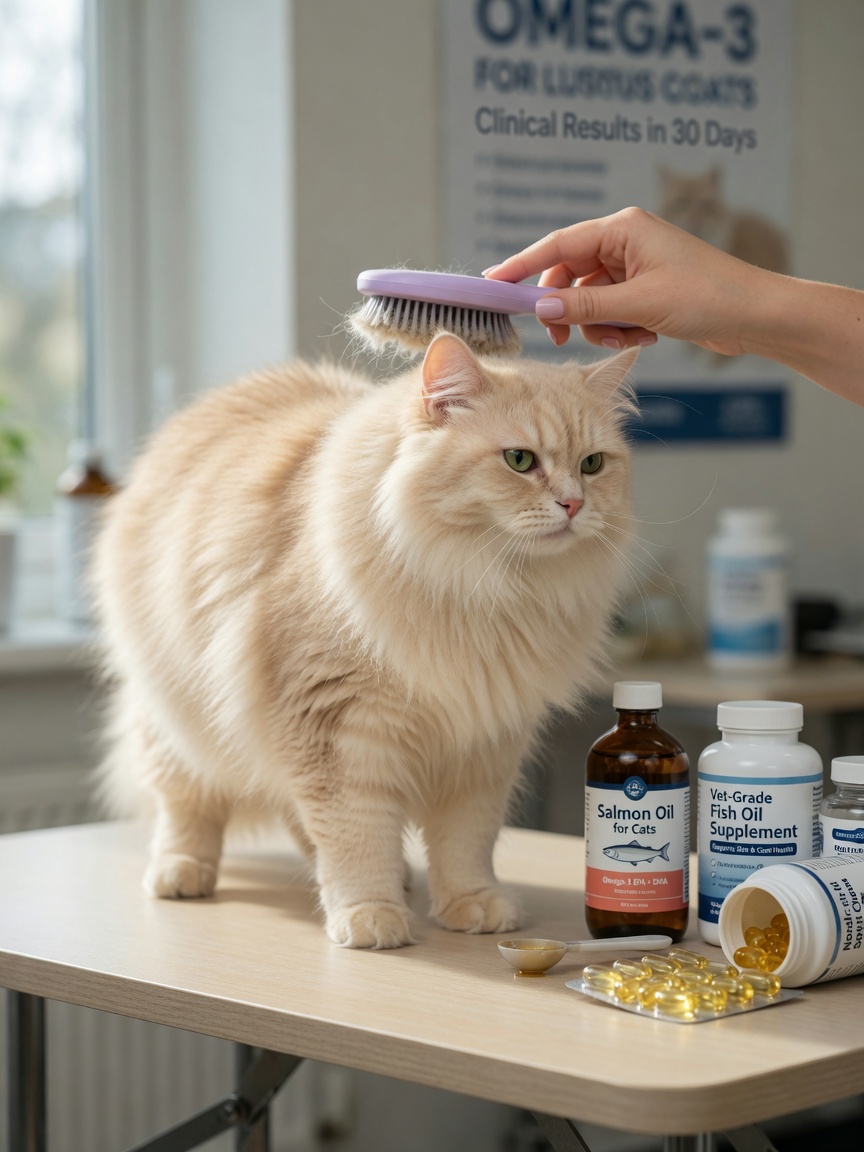
Marine-derived omega-3 fatty acids — specifically EPA (eicosapentaenoic acid) and DHA (docosahexaenoic acid) — have the strongest evidence base of any supplement category in veterinary medicine. They have demonstrated anti-inflammatory effects relevant to skin disease, osteoarthritis, cardiac conditions, and kidney disease. EPA and DHA from fish oil or algae-based sources are bioavailable; plant-derived omega-3s (ALA from flaxseed) are not efficiently converted to EPA and DHA in dogs or cats and are not a suitable substitute.
Dosing matters significantly. The therapeutic doses used in clinical trials are often considerably higher than those provided in standard supplement products. If you are using omega-3s therapeutically rather than as a general supplement, discuss appropriate dosing with your vet.
Probiotics: Promising but Product-Dependent
The gut microbiome plays a central role in immune function, digestion, and even neurological health. Probiotic supplements — live bacterial cultures — have a plausible mechanism for supporting gut health, and there is clinical evidence supporting their use in specific conditions including acute diarrhoea, antibiotic-associated diarrhoea, and certain inflammatory bowel conditions.
The significant caveat is that most commercial pet probiotics have not been independently tested to verify that the strains listed on the label are present in the quantities stated, or that they survive gut transit. A 2019 review found that many products contained fewer viable organisms than claimed. If using probiotics, look for products that have undergone third-party testing or have published efficacy data for the specific strains they contain.
Supplements with Weak or No Evidence
Vitamin C
Dogs and cats synthesise their own vitamin C and do not require dietary supplementation under normal circumstances. Supplementing a healthy animal provides no demonstrated benefit and very high doses may contribute to calcium oxalate urinary stones in susceptible individuals.
Biotin and General Coat Supplements
Coat supplement blends are widely marketed but rarely evaluated in controlled trials. Poor coat quality is almost always a symptom of an underlying issue — nutritional imbalance, parasites, skin disease, or thyroid dysfunction — rather than a primary biotin deficiency. Addressing the root cause is more productive than adding a supplement.
Herbal Anxiolytics
Products containing valerian, chamomile, or passionflower are frequently marketed for anxious pets. The evidence in companion animals is largely anecdotal. Where controlled trials exist, effect sizes are typically small and not reliably reproducible. For genuine anxiety disorders in pets, behavioural intervention combined with veterinary assessment is considerably more effective.
CBD: Emerging Evidence, Significant Caveats
Cannabidiol (CBD) has attracted substantial interest as a pet supplement. Preclinical data and a small number of clinical trials suggest potential applications in pain management and epilepsy in dogs. A Cornell University study published in 2018 found that CBD oil appeared to reduce pain and improve mobility in dogs with osteoarthritis. However, the evidence base remains limited, product quality varies enormously, and the legal status of CBD products for pets differs between jurisdictions. It is a space worth watching but not one where confident recommendations can yet be made.
How to Evaluate Any Supplement
- Ask whether there are peer-reviewed studies in the target species, not just in vitro or rodent data
- Check whether the product has undergone third-party testing for label accuracy and contamination
- Be sceptical of testimonials and before-and-after photos as primary evidence
- Consider whether the claimed benefit addresses a specific, identifiable need in your animal
- Discuss with your vet before adding supplements to a pet with existing health conditions or who is taking medication
Supplements are not a substitute for a well-formulated diet, appropriate veterinary care, and a healthy lifestyle. The ones with the best evidence — omega-3 fatty acids, targeted probiotics, and green-lipped mussel for joint conditions — can be genuinely useful adjuncts. The majority, however, are supported more by marketing spend than by clinical science.