

Why Parasite Prevention Is Non-Negotiable in Europe
Fleas and ticks are among the most common health threats facing dogs across Europe, yet they are also among the most preventable. Far from being a minor nuisance, these parasites can transmit a range of diseases — some of which are serious and potentially fatal. As milder winters increasingly allow parasite populations to survive year-round, the old idea that prevention is only needed in summer is no longer sufficient for much of the continent.
Whether your dog lives in a city apartment or roams rural countryside, understanding the risks and the prevention options available to you is one of the most practical things you can do to safeguard their health.
ESCCAP Guidelines: A Risk-Based Approach

ESCCAP — the European Scientific Counsel Companion Animal Parasites — is the leading authority on parasite prevention guidance for pets in Europe. ESCCAP recommends a risk-based, year-round approach to flea and tick prevention, tailored to each dog's lifestyle, geographic location, and local parasite pressure. Their guidelines are widely followed by veterinary practices across the continent and serve as the foundation for responsible parasite control.
The core principle of ESCCAP's approach is that prevention is always preferable to treatment. Waiting for a flea infestation or tick-borne disease to appear before acting is costlier, more stressful, and potentially far more dangerous than maintaining consistent preventative treatment.
Tick Species in Europe and the Diseases They Carry
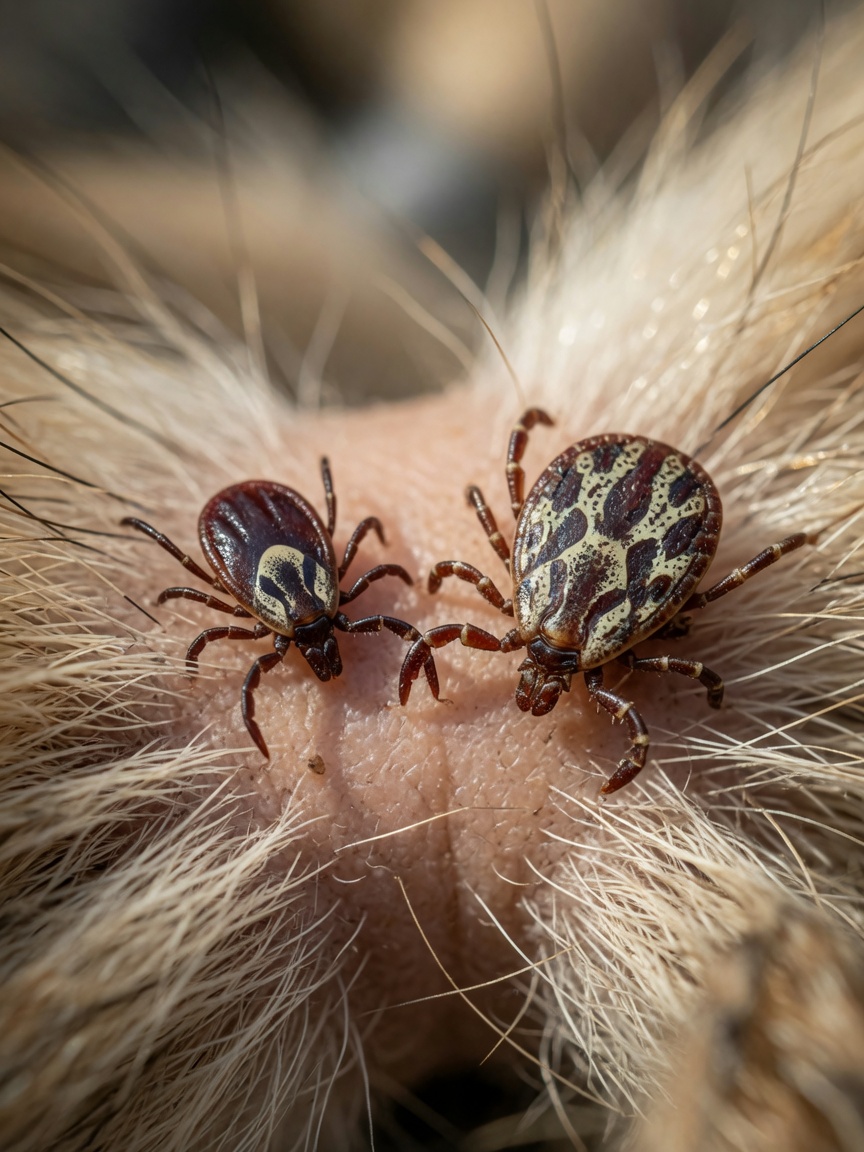
Europe is home to several tick species of veterinary importance, each with a distinct geographic range and associated disease risk.
Ixodes ricinus — The Castor Bean Tick
Ixodes ricinus is the most widespread tick species in Europe, found from Ireland to western Russia and from Scandinavia to the Mediterranean. It is the primary vector of Lyme disease (caused by Borrelia burgdorferi), which can cause joint pain, lameness, fever, and in some cases serious kidney disease in dogs. It also transmits Anaplasma phagocytophilum, the causative agent of granulocytic anaplasmosis, which presents with fever, lethargy, and painful joints. Ixodes ricinus is active from early spring through to late autumn across most of its range, and increasingly active in winter in milder coastal and southern areas.
Dermacentor reticulatus — The Ornate Dog Tick
Dermacentor reticulatus is a significant concern across central and eastern Europe, as well as parts of France, northern Spain, and other western European areas. It is the primary vector of Babesia canis, the parasite responsible for babesiosis — a potentially fatal disease in which the parasite destroys red blood cells, causing anaemia, jaundice, and organ failure. Dermacentor reticulatus is active in early spring and autumn, often when temperatures are still relatively cool, making it a risk even when owners are not thinking about ticks.
Tick-Borne Diseases: What Owners Need to Know
The diseases transmitted by ticks in Europe range in severity, but several can be life-threatening without prompt treatment:
- Lyme disease (Borrelia burgdorferi): one of the most common tick-borne diseases across Europe. Dogs with Lyme disease may show shifting lameness, joint swelling, fever, and fatigue. A small proportion develop serious kidney disease (Lyme nephritis).
- Babesiosis (Babesia canis): causes destruction of red blood cells, leading to anaemia, weakness, pale gums, and jaundice. Without urgent veterinary treatment, babesiosis can be fatal. It is particularly prevalent in central and eastern Europe, parts of France, and the Iberian Peninsula.
- Ehrlichiosis (Ehrlichia canis): more commonly found in Mediterranean regions, including Spain, Italy, and Greece. It causes fever, weight loss, bleeding tendencies, and immune suppression.
- Anaplasmosis (Anaplasma phagocytophilum): causes fever, joint pain, reduced appetite, and lethargy. It is widely distributed across Europe wherever Ixodes ricinus ticks are found.
If you find a tick on your dog, remove it promptly using a tick hook (never squeeze the tick's body), and monitor your dog for any signs of illness in the weeks that follow. Consult your vet if you have concerns.
Fleas: The Most Common External Parasite
The cat flea, Ctenocephalides felis, is paradoxically the most common flea species found on dogs as well as cats. Fleas cause intense itching and skin irritation, can trigger flea allergy dermatitis (FAD) in sensitive dogs, and act as intermediate hosts for the tapeworm Dipylidium caninum. In severe infestations, particularly in puppies or smaller dogs, fleas can cause significant blood loss.
Understanding the flea lifecycle is key to effective control. Adult fleas represent only about five per cent of the total infestation — the remaining 95 per cent exists as eggs, larvae, and pupae in the dog's environment: in carpets, upholstery, bedding, and floorboard crevices. This means that treating only the dog, without addressing the environment, will never resolve a flea problem.
Prevention Products: What Is Available
The range of effective flea and tick prevention products has expanded significantly in recent years, offering owners excellent choices across different formats and activity spectra:
- Spot-on treatments: applied to the skin between the shoulder blades, these have long been a mainstay of parasite control. Products containing fipronil, imidacloprid, or selamectin provide effective flea control, though efficacy against ticks varies between products and species.
- Oral isoxazoline tablets: this newer class of products — including afoxolaner (NexGard), fluralaner (Bravecto), and sarolaner (Simparica) — provides highly effective protection against both fleas and a broad range of tick species. They work systemically, killing parasites that bite the treated dog. Fluralaner (Bravecto) is notable for providing up to 12 weeks of protection from a single dose. These products require a veterinary prescription in most European countries.
- Collars: long-acting collars such as those containing imidacloprid and flumethrin provide sustained protection against fleas and ticks for several months. They can be particularly useful for dogs in high-exposure environments.
Zooplus is a convenient source of a wide range of vet-recommended flea and tick prevention products for dogs across Europe, offering a broad selection of treatments to suit different needs, lifestyles, and budgets. Always check that any product you choose is appropriate for your dog's weight and age, and follow the dosing instructions carefully.
Seasonal and Regional Risk Variation
The level of flea and tick risk varies considerably across Europe. In Mediterranean countries — including Spain, Portugal, Italy, southern France, and Greece — warm temperatures mean that fleas remain active year-round and tick activity persists through winter. Year-round prevention is strongly advised in these regions. In northern and central Europe, including Germany, the Netherlands, and Scandinavia, peak tick activity runs from early spring through late autumn, though increasingly mild winters are extending the active season.
Dogs that travel between countries, hike in forested or grassland areas, or live near woodland and water are at significantly higher risk and should be protected consistently.
Environmental Treatment
When fleas are present, treating the dog alone is never sufficient. Vacuum thoroughly and frequently — including under furniture, along skirting boards, and in any area where the dog rests. Wash the dog's bedding at 60 degrees Celsius or above. Apply a household insecticide spray containing an insect growth regulator to carpets, upholstery, and other soft surfaces to break the flea lifecycle. Remember that flea pupae are highly resistant to insecticides and may survive for months, meaning that adult fleas can continue to emerge even after treatment.
With consistent, well-chosen prevention and prompt attention to any infestation, fleas and ticks need never become a serious problem for your dog.