
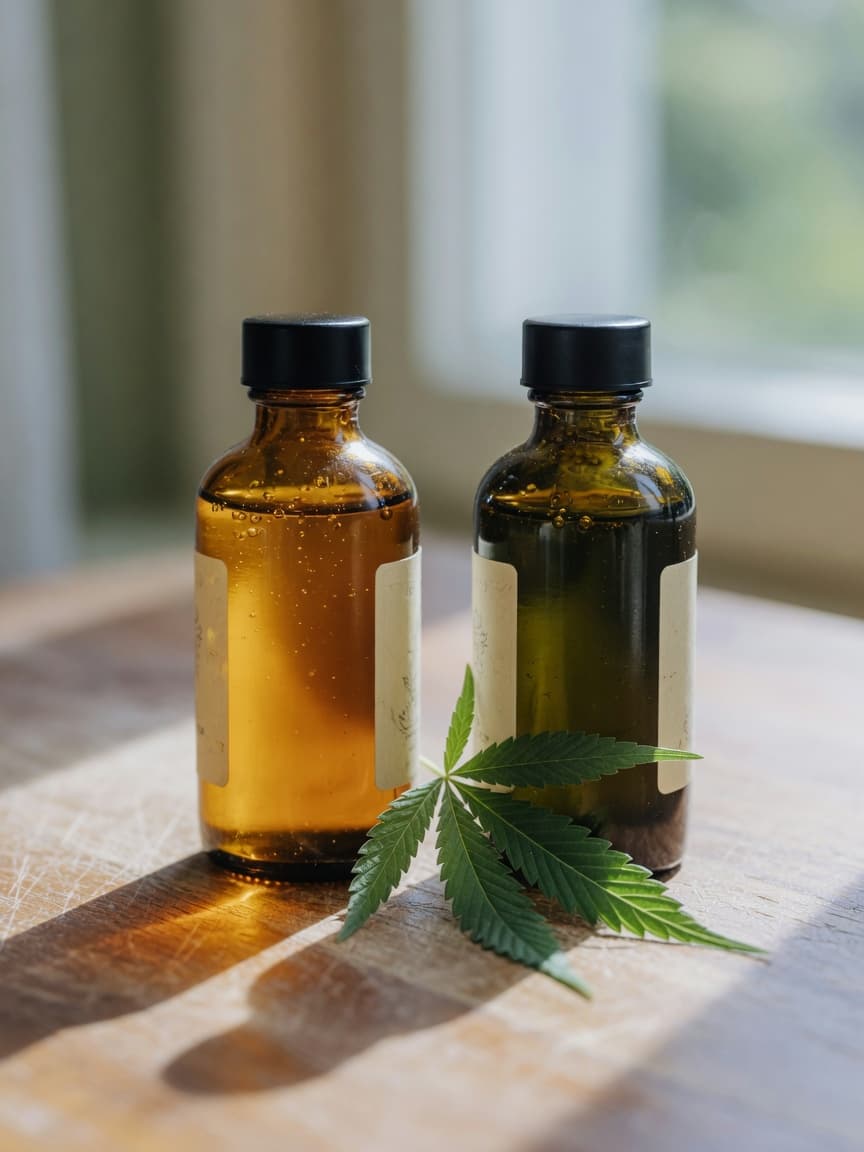
If you've been browsing pet health supplements recently, you've likely encountered both hemp seed oil and CBD oil mentioned in the same breath. Whilst these products come from the same plant, they are fundamentally different compounds with distinct properties and effects on your pet's health. Understanding these differences is crucial before deciding which—if either—might benefit your furry friend. This guide will help you navigate the confusion and make an informed decision based on science and practical considerations.
Understanding the Source: Hemp vs Cannabis
Both hemp seed oil and CBD oil come from the hemp plant (Cannabis sativa), but this is where the similarities largely end. The key distinction lies in what part of the plant is used and what compounds are extracted. Hemp is a variety of cannabis plant specifically cultivated to contain minimal levels of THC (tetrahydrocannabinol)—the psychoactive compound responsible for the "high" associated with cannabis. This legal distinction is important for pet owners across Europe, where hemp-derived products with low THC content are generally permitted.
Hemp Seed Oil: A Nutritional Powerhouse

Hemp seed oil is extracted from the seeds of the hemp plant and is essentially a nutritional supplement rather than a medicinal compound. These seeds contain no cannabinoids—neither CBD nor THC—which means hemp seed oil won't produce any psychoactive effects on your pet.
Instead, hemp seed oil is rich in:
- Omega-3 and omega-6 fatty acids in an ideal 1:3 ratio
- Gamma-linolenic acid (GLA), an anti-inflammatory compound
- Vitamin E and other antioxidants
- Minerals including magnesium, phosphorus, and potassium
Pet owners often use hemp seed oil to support skin health, reduce inflammation associated with arthritis, and promote a glossy coat. It's particularly beneficial for dogs and cats with dry skin or coat conditions. Since it's a food product rather than a supplement, it's generally considered safe and has minimal side effects.
CBD Oil: A Therapeutic Compound

CBD (cannabidiol) oil is extracted from the flowers, leaves, and stems of the hemp plant and contains concentrated levels of cannabidiol—a non-intoxicating cannabinoid. Unlike hemp seed oil, CBD is a bioactive compound that interacts with your pet's endocannabinoid system.
Research suggests CBD may help with:
- Anxiety and stress-related behaviours
- Chronic pain management
- Seizure disorders (particularly in dogs)
- Inflammation from various conditions
- Sleep disturbances
However, the evidence base for pet use is still developing. Whilst some studies show promising results, particularly for anxiety and seizures in dogs, more research is needed to establish optimal dosing and long-term safety profiles for our pets.
Key Differences at a Glance
| Aspect | Hemp Seed Oil | CBD Oil |
| Plant Part Used | Seeds | Flowers, leaves, stems |
| Contains Cannabinoids | No | Yes (CBD) |
| Primary Use | Nutritional supplement | Therapeutic support |
| Regulatory Status | Food product | Less clearly regulated |
Which Should You Choose for Your Pet?
The choice depends entirely on your pet's needs. If your dog or cat has dry skin, a dull coat, or mild inflammation from arthritis, hemp seed oil is a safe, well-established nutritional option you can feel confident about. It's a food product with a strong nutritional profile and minimal risk of side effects.
If you're considering CBD oil for anxiety, pain, or seizures, consult your veterinarian first. They can assess whether CBD might be appropriate for your pet and help you navigate the unregulated supplement market to find quality products. Quality matters significantly with CBD, as testing standards vary considerably.
Key Takeaways
- Hemp seed oil is a nutritional supplement derived from seeds; CBD oil is a therapeutic extract from flowers and leaves
- Hemp seed oil contains no cannabinoids and is purely nutritional; CBD oil contains the compound cannabidiol with potential therapeutic effects
- Hemp seed oil is suitable for general health, skin, and coat support
- CBD oil requires veterinary consultation before use for specific health conditions
- Always verify product quality and choose reputable sources for either product