ForPetsHealthcare
Natural Remedies

Does CBD Get You High?

By Julia WrenfieldUpdated August 4, 20264 min read
Evidence-based · Sources checked
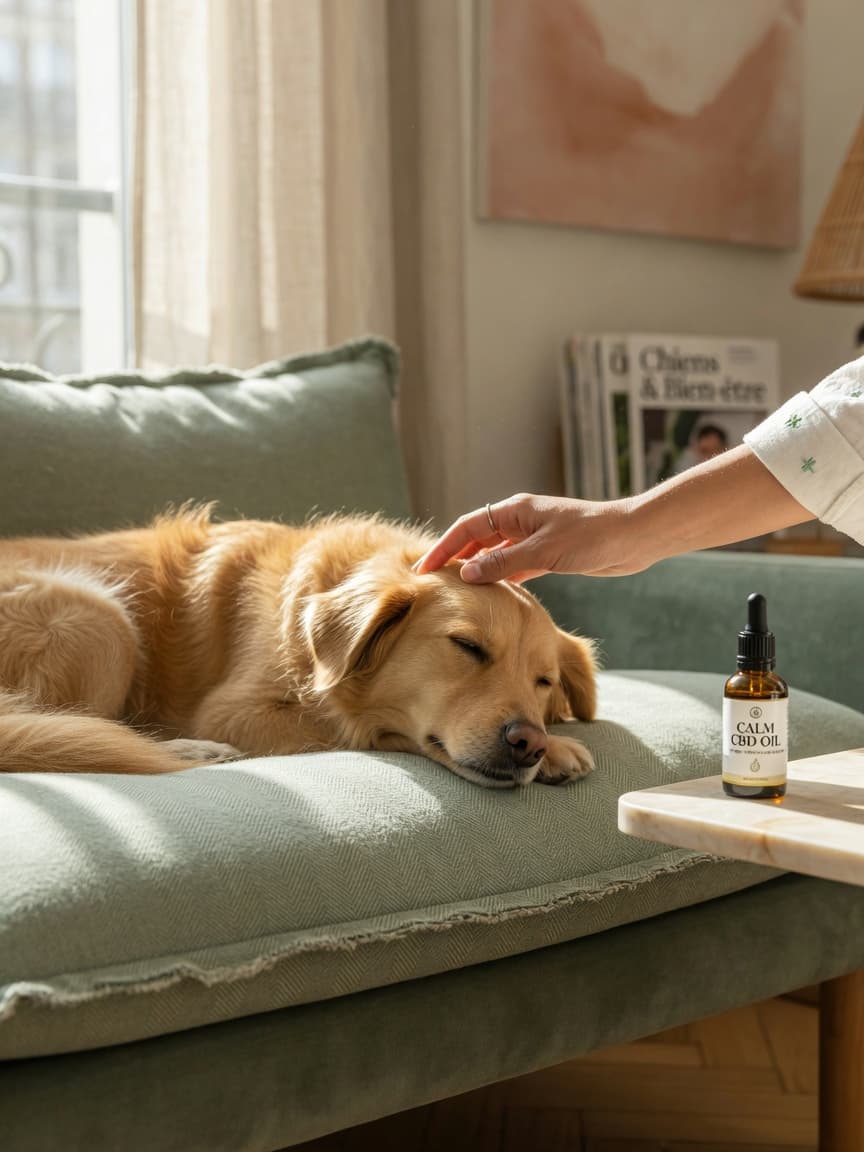
{"en": "Calm dog and cat resting together, representing safe CBD wellness for pets without psychoactive effects", "es": "Perro y gato tranquilos descansando juntos, representando el bienestar seguro del CBD para mascotas", "fr": "Chien et chat calmes se reposant ensemble, repr\u00e9sentant le bien-\u00eatre s\u00fbr du CBD pour animaux", "de": "Ruhiger Hund und Katze ruhen zusammen und repr\u00e4sentieren sichere CBD-Wellness f\u00fcr Haustiere", "nl": "Rustige hond en kat rusten samen, representeren veilig CBD-welzijn voor huisdieren", "pt": "Cachorro e gato calmos descansando juntos, representando o bem-estar seguro do CBD para animais", "it": "Cane e gatto tranquilli che riposano insieme, rappresentando il benessere sicuro del CBD per animali domestici"}

If you've been researching CBD for your pet, you've likely encountered the question: "Will it make my dog or cat high?" It's one of the most common concerns pet owners express when considering cannabidiol (CBD) as a wellness supplement. The short answer is no—CBD won't get your pet high. However, understanding the science behind this distinction is crucial for making informed decisions about your pet's health and wellbeing.

Understanding the Difference Between CBD and THC

The confusion around CBD stems largely from its association with cannabis and hemp plants. Both cannabidiol (CBD) and tetrahydrocannabinol (THC) are cannabinoids found in these plants, but they work very differently in the body.

  • THC is the psychoactive compound responsible for the "high" sensation in cannabis users. It binds directly to CB1 receptors in the brain and central nervous system.
  • CBD does not produce psychoactive effects. Instead, it interacts with the endocannabinoid system in a more subtle way, without triggering the same brain receptors that create intoxication.

Pet CBD products derived from hemp contain minimal to negligible THC levels (typically less than 0.2% in the UK and EU). This trace amount is far too low to produce any intoxicating effects in your furry friend.

How CBD Actually Works in Pets
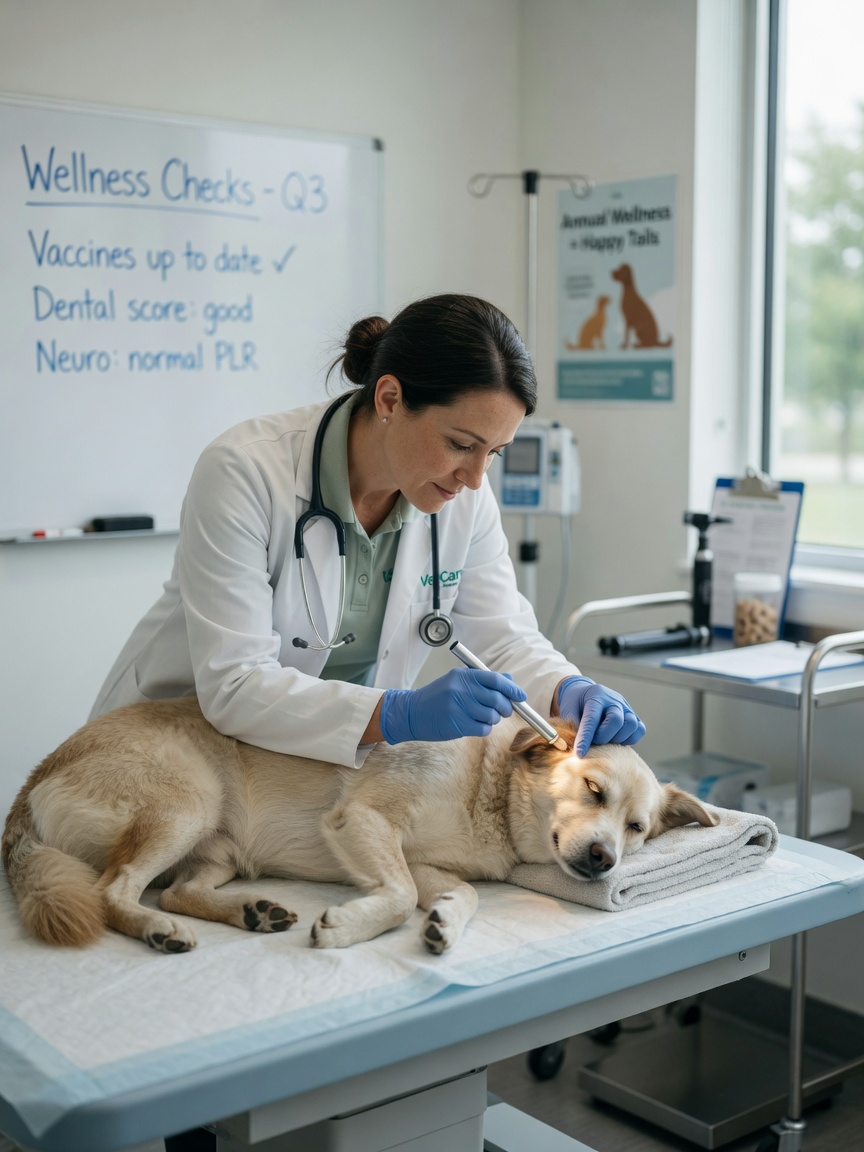
A veterinarian examining a calm, settled dog on an examination table with a penlight during a wellness assessment

Rather than creating a "high," CBD works by supporting your pet's natural endocannabinoid system—a complex network of receptors throughout the body involved in regulating various functions including mood, pain perception, inflammation, and immune response.

When administered to pets, CBD may help promote relaxation, support joint comfort, and contribute to overall wellness. These effects are calming rather than intoxicating. Your pet won't experience euphoria or altered consciousness; instead, they might simply seem more settled or comfortable.

Potential Side Effects to Know About

While CBD won't get your pet high, it's worth understanding what mild effects may occasionally occur:

  • Drowsiness or increased relaxation (the desired effect for anxious pets)
  • Mild digestive changes
  • Dry mouth, leading to increased thirst
  • Temporary appetite changes

These effects are generally mild and temporary. However, always discuss CBD introduction with your veterinary surgeon, particularly if your pet is taking other medications.

Quality and Safety Considerations

The most important factor in ensuring your pet's safety isn't whether CBD gets them high—it's ensuring you're purchasing a quality product from a reputable source.

  • Look for third-party testing certificates showing THC content below legal limits
  • Choose products specifically formulated for pets, not human products
  • Verify the CBD concentration per dose
  • Check for clear ingredient lists and no harmful additives

Discussing CBD with Your Veterinary Surgeon

Before starting your pet on CBD, have a conversation with your vet. They can provide guidance on appropriate dosing for your pet's specific situation and monitor for any interactions with existing medications. Your vet may also help identify whether CBD is appropriate for your pet's particular health concerns.

Key Takeaways

CBD won't get your pet high because it lacks the psychoactive properties of THC and works differently in the body. Properly formulated pet CBD products contain only trace amounts of THC—far below levels that could cause intoxication. If you're considering CBD for your pet, focus your attention on product quality, proper dosing, and veterinary guidance rather than worrying about psychoactive effects. Your pet can safely explore the potential wellness benefits of CBD under professional supervision.

#does cbd get you high#forpetshealthcare

Sources & further reading

This article is based on peer-reviewed veterinary research and reputable animal-health sources. Explore the underlying science in our Research Library.

Related articles

What is the Difference Between Hemp Seed Oil and CBD Oil?

If you've been browsing pet health supplements recently, you've likely encountered both hemp seed oil and CBD oil mentioned in the same breath. Whilst these products come from the same plant, they are fundamentally different compounds with distinct properties and effects on your pet's health. Unders…

Read more →

What is CBD Extraction, and Why Does it Matter?

If you've been exploring CBD products for your pets, you've likely encountered the term "extraction method" without fully understanding what it means or why it matters. The truth is, how CBD is extracted from the hemp plant directly affects the quality, purity, and safety of the product your dog or …

Read more →

Does CBD Oil Need to Be Refrigerated? Quick Storage Guide

If you're giving your dog or cat CBD oil as part of their wellness routine, you've likely wondered about the best way to store it. Unlike some supplements, CBD oil's shelf life and potency depend heavily on how you keep it—and temperature plays a crucial role. In this guide, I'll walk you through ev…

Read more →

Can Humans Take Pet CBD Oil? Safety, Differences, and Risks Explained

You've probably noticed the explosion of CBD products on the market—from pet supplements for your dog's anxiety to wellness oils for your own health. But if you're eyeing that bottle of CBD oil sitting on your shelf meant for your pet, you might be wondering: could you take it safely? The answer is …

Read more →

How Can CBD + CBDA Help with Joint Discomfort in Dogs?

If your dog struggles with stiffness, limping, or reluctance to jump and play, joint discomfort could be affecting their quality of life. Whilst traditional pain management options exist, many pet owners are exploring cannabidiol (CBD) and cannabidiolic acid (CBDA)—two compounds derived from hemp pl…

Read more →

What Do Fleas Look Like on Dogs?

Fleas are among the most common parasites affecting dogs across Europe, yet many pet owners struggle to identify them. Whether you're dealing with an active infestation or simply want to spot the early warning signs, knowing what fleas actually look like is crucial for protecting your dog's health a…

Read more →
Disclaimer:This article is for informational purposes only and does not constitute veterinary advice. Always consult a qualified veterinarian for your pet's health concerns.

Free newsletter

Pet health tips, straight to your inbox

Weekly science-backed advice for dog & cat owners. No spam, unsubscribe anytime.