

Foods Toxic to Parrots: The Complete Danger List
By Julia Wrenfield, Pet Wellness Researcher
Parrots are among the most metabolically sensitive pets kept in captivity. Their rapid heart rate, high metabolic turnover, and efficient respiratory system — which makes them excellent at absorbing airborne oxygen — also makes them extraordinarily vulnerable to toxins. What causes mild discomfort in a dog can kill a parrot within hours. This list is not exhaustive, but it covers the most common and most deadly hazards.
Avocado: Fatal in Any Amount
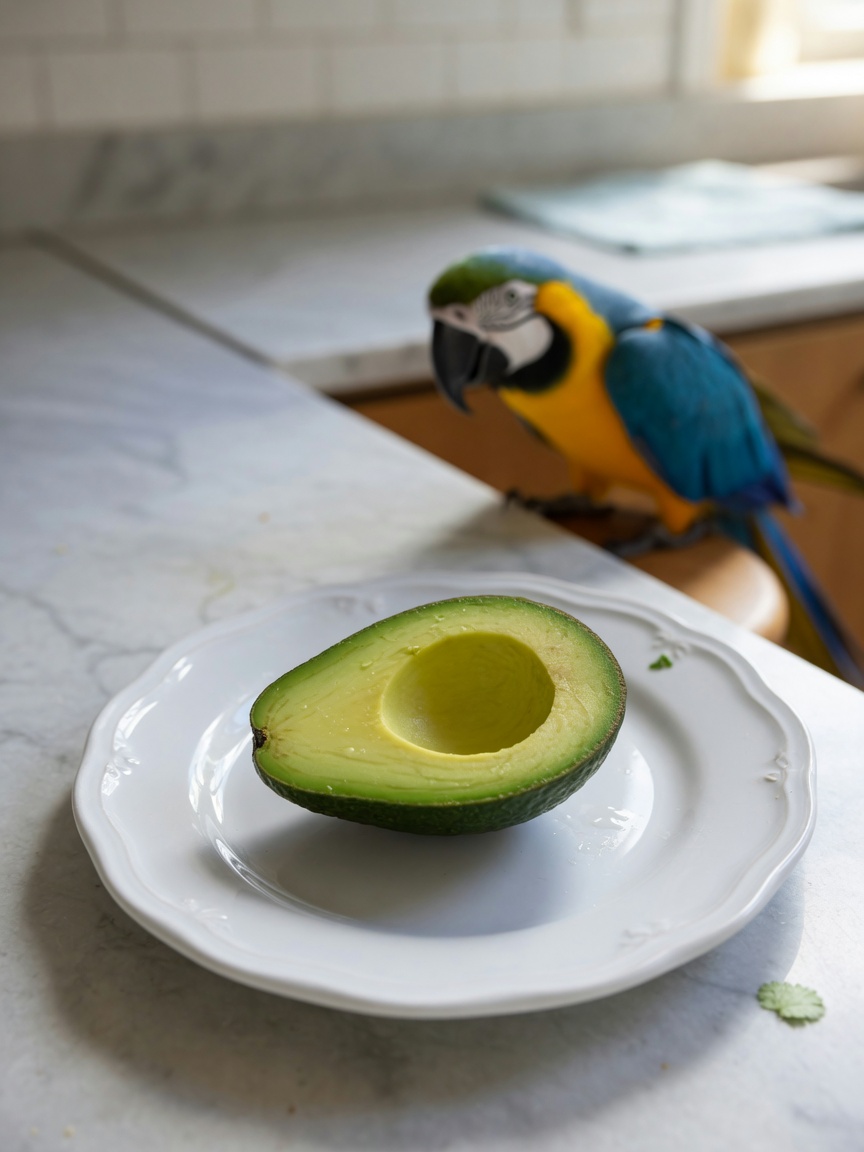
Avocado contains persin, a fungicidal toxin found in the flesh, skin, pit, and leaves of the fruit. In birds, persin causes myocardial necrosis — essentially, it kills heart muscle cells. Even a small bite of avocado can induce respiratory distress, weakness, and cardiac arrest within 24-48 hours. There is no safe amount of avocado for a parrot. This includes guacamole, avocado oil, and any dish containing avocado as an ingredient.
Chocolate and Caffeine
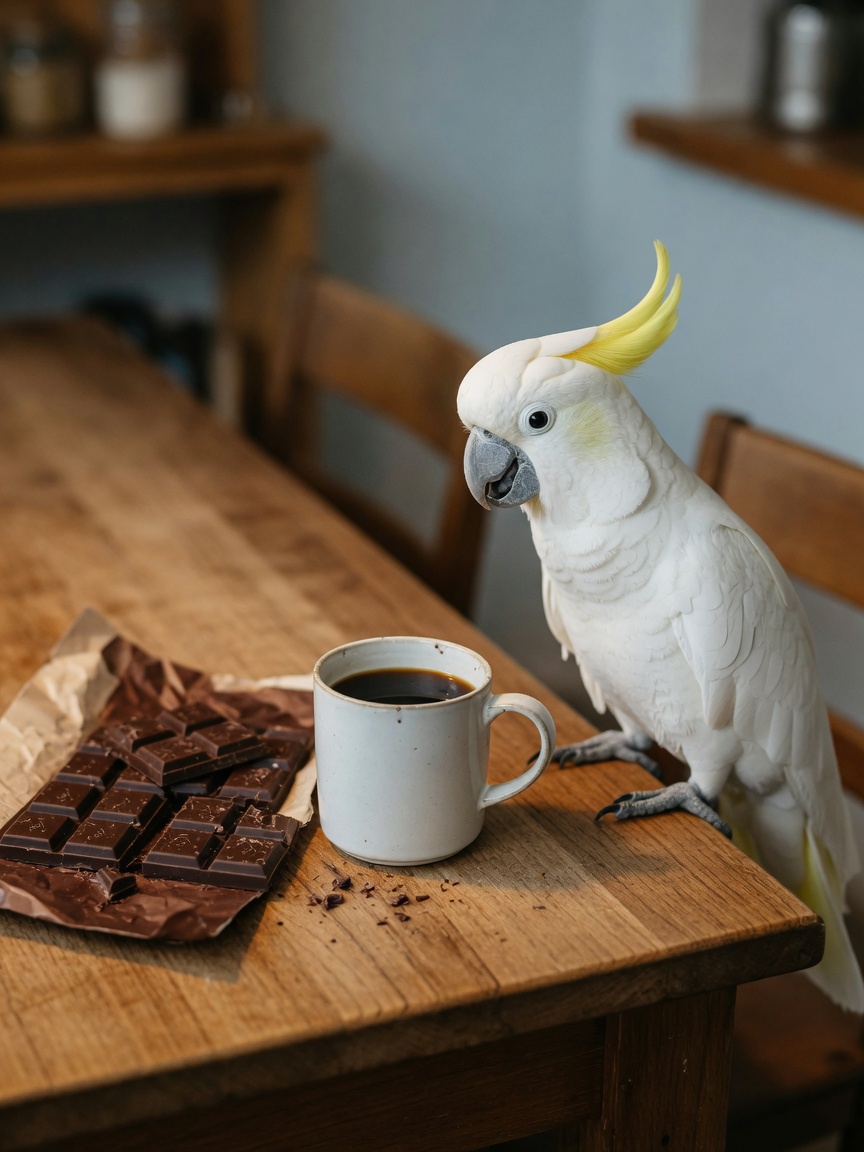
Chocolate contains theobromine and caffeine — both methylxanthines that birds cannot metabolize. Effects include hyperactivity, tremors, seizures, and cardiac arrhythmia. Dark chocolate is more dangerous than milk chocolate due to higher theobromine concentration, but all chocolate is toxic. Caffeine from coffee, tea, energy drinks, or soda produces similar effects. Even a sip of coffee can cause cardiac dysrhythmia in a small parrot.
Onion, Garlic, and the Allium Family
Onions, garlic, leeks, chives, and shallots contain thiosulfate compounds that cause hemolytic anemia in birds. Red blood cells rupture faster than the body can replace them, leading to weakness, lethargy, labored breathing, and eventually death from anemia. Cooked forms are no safer — thiosulfates are heat-stable. This includes garlic powder and onion powder used in seasonings, which are highly concentrated and particularly dangerous.
Apple Seeds and Stone Fruit Pits
Apple flesh is safe for parrots. Apple seeds are not. They contain amygdalin, which converts to hydrogen cyanide when metabolized. The same applies to cherry pits, peach pits, apricot kernels, and plum pits. Always core apples and remove all seeds before offering them. Stone fruits should be pitted entirely.
Alcohol
Birds lack the enzymatic capacity to metabolize ethanol. Even a tiny amount — a drop of wine, a sip of beer — can cause profound CNS depression, respiratory failure, and death. Alcohol exposure should be treated as an emergency.
Salt and Salty Foods
Sodium disrupts fluid balance and nerve function in birds at much lower thresholds than in mammals. Chips, crackers, pretzels, cured meats, cheese, and salted nuts are all dangerous. A parrot that eats a salty snack can develop excessive thirst, kidney stress, and in severe cases, neurological symptoms.
Xylitol
Xylitol is an artificial sweetener found in sugar-free gum, some peanut butters, baked goods, and dental products. In dogs it causes dangerous hypoglycemia; in birds, the mechanism is less well-studied but cases of severe toxicity have been reported. Avoid any food product containing xylitol around parrots.
Mushrooms
Wild or foraged mushrooms should never be offered to parrots. Even some "edible" mushroom species contain hepatotoxic compounds. While common store-bought white button mushrooms are not acutely toxic, they offer negligible nutritional value and mushrooms as a category carry unnecessary risk. Avoid entirely.
Rhubarb
Rhubarb leaves and stalks contain extremely high levels of oxalic acid. In birds, oxalate toxicosis damages the kidneys rapidly and can cause respiratory distress. Rhubarb should never enter a parrot's diet in any form.
Raw Potato and Tomato Leaves
Raw potatoes, green potatoes, and potato eyes contain solanine, a glycoalkaloid toxic to birds. Cooked potato without skin is generally considered safe in small amounts. The leaves and stems of tomato plants also contain solanine — ripe tomato flesh is acceptable occasionally, but plant matter is toxic.
Airborne Toxins: Beyond the Food Bowl
The respiratory sensitivity that makes parrots vulnerable to PTFE fumes extends to other airborne hazards. Scented candles, plug-in air fresheners, aerosol sprays (hairspray, perfume, cleaning products), cigarette smoke, and incense all release volatile compounds that can cause acute respiratory failure. Birds in homes where these products are used regularly show higher rates of chronic respiratory disease and shortened lifespans. Ventilate all bird areas thoroughly and eliminate aerosol use in any shared space.
For bird-safe cage liners, stainless steel food dishes, and foraging toys that eliminate contamination risk, Zooplus stocks a wide range of parrot accessories designed with avian safety in mind.
Toxic Foods at a Glance
| Food / Substance | Toxic Component | Primary Risk |
|---|---|---|
| Avocado | Persin | Cardiac arrest — FATAL |
| Chocolate | Theobromine, caffeine | Seizures, arrhythmia |
| Onion / Garlic | Thiosulfate | Hemolytic anemia |
| Apple seeds / Stone pits | Amygdalin (cyanide) | Cyanide poisoning |
| Alcohol | Ethanol | CNS / respiratory failure |
| Xylitol | Xylitol | Severe toxicity |
| Rhubarb | Oxalic acid | Kidney failure |
| PTFE fumes | Polytetrafluoroethylene | Death within minutes |
| Raw potato | Solanine | Neurological damage |
| Salty foods | Sodium | Kidney stress, seizures |
What to Do in a Poisoning Emergency
If you suspect your parrot has ingested a toxic substance, act immediately: do not induce vomiting (birds cannot vomit safely), do not wait for symptoms to develop, and do not call a general vet first. Contact an avian emergency specialist. If you do not have one on file, the ASPCA Animal Poison Control Center (888-426-4435 in the USA) has avian toxicology support. Time is the single most critical factor in avian poisoning — birds deteriorate faster than any common pet mammal.
Key Takeaways
- Avocado is universally fatal to parrots — no safe dose exists. Remove it from the home.
- PTFE non-stick cookware fumes kill birds instantly — replace all such cookware with stainless steel or cast iron.
- Onion and garlic cause hemolytic anemia; chocolate and caffeine cause cardiac events.
- Apple seeds and stone fruit pits release cyanide — always remove before feeding.
- Airborne toxins (candles, sprays, smoke) are as dangerous as food toxins for birds.
- In any suspected poisoning: call an avian exotic vet immediately, do not wait for symptoms.
References
- Shropshire, C.M., Stauber, E., & Arai, M. (1992). Evaluation of selected plants for acute toxicosis in budgerigars. Journal of the American Veterinary Medical Association, 200(7), 936-939. PMID: 1577620
- Lightfoot, T.L. & Yeager, J.M. (2008). Pet bird toxicology. Veterinary Clinics of North America: Exotic Animal Practice, 11(2), 299-314. PMID: 18406366