
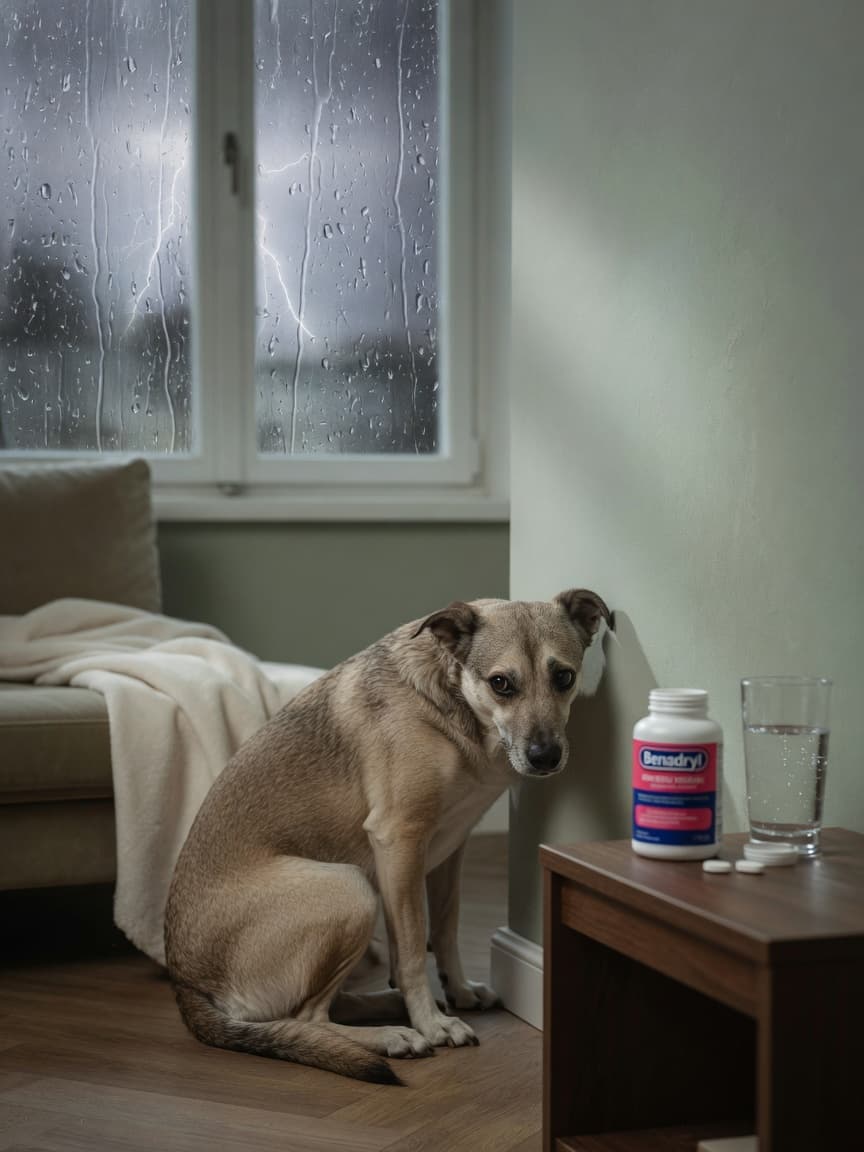
If your dog suffers from anxiety—whether it's triggered by thunderstorms, fireworks, or separation—you've likely considered various treatment options. Benadryl (diphenhydramine) is a common over-the-counter antihistamine that pet owners frequently ask about, often wondering whether it can help calm anxious dogs. Whilst some vets do prescribe it off-label for anxiety, the reality is more complex than a simple yes or no. Understanding how this medication works, its limitations, and safer alternatives is essential for making informed decisions about your dog's wellbeing.
What Is Benadryl and How Does It Work?
Benadryl is a first-generation antihistamine primarily designed to treat allergies and allergic reactions in both humans and dogs. It works by blocking histamine receptors, which reduces allergic symptoms like itching and swelling. However, it also crosses the blood-brain barrier, causing drowsiness as a side effect in many users.
Some veterinarians prescribe Benadryl off-label for anxiety, banking on this sedative effect. The theory is simple: if the drug makes your dog drowsy, they may be calmer and less reactive to anxiety triggers. However, sedation is not the same as treating anxiety itself.
Does It Actually Help with Anxiety?
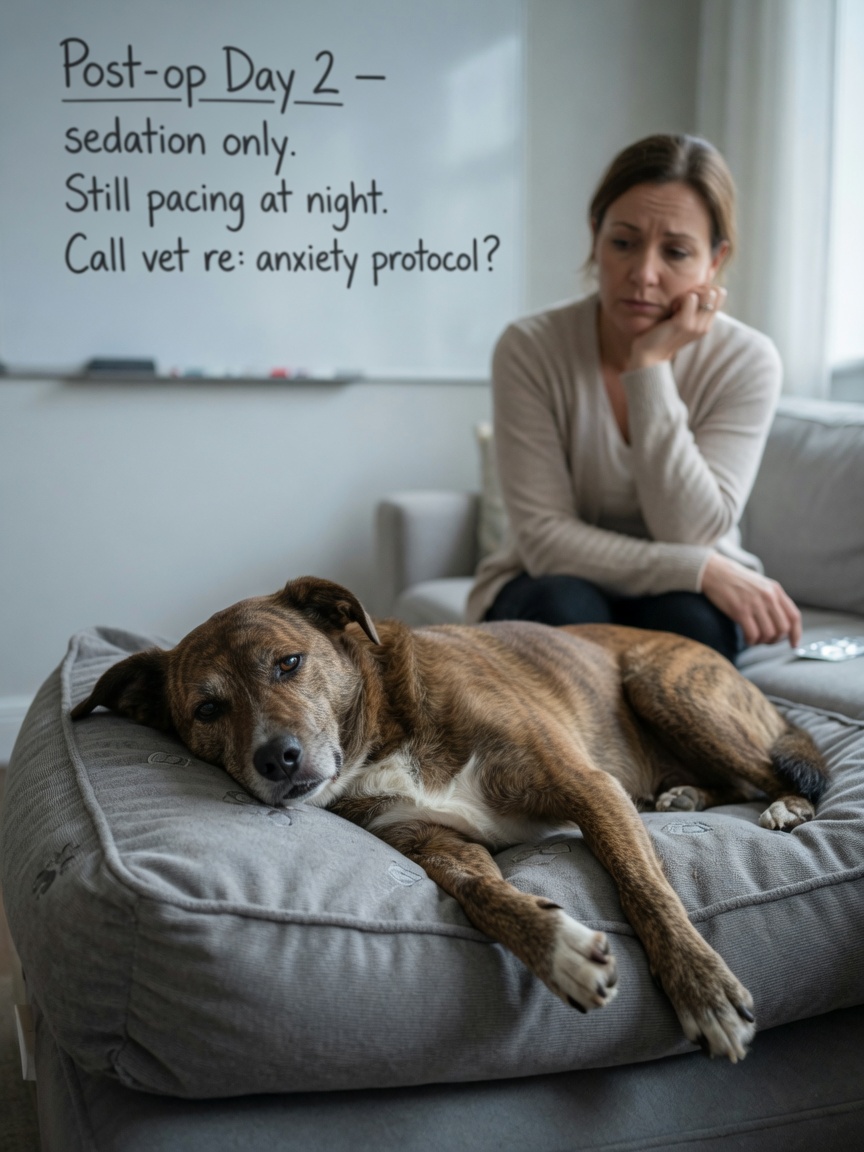
The short answer is: not reliably, and the evidence is limited. Here's why:
- It sedates, but doesn't address root causes — Benadryl may make your dog sleepy, but it doesn't tackle the underlying anxiety or teach coping mechanisms
- Effectiveness varies significantly — Some dogs show mild drowsiness; others experience minimal effect or become paradoxically hyperactive
- Tolerance develops quickly — Dogs may become accustomed to the medication within days or weeks, reducing its calming effects
- It's not specifically designed for anxiety — Unlike prescription anxiolytics, Benadryl has no proven clinical efficacy for canine anxiety disorders
Potential Risks and Considerations
Before giving your dog Benadryl, be aware of these concerns:
- Overdose risk from incorrect dosing
- Potential interactions with other medications
- Drowsiness may mask underlying health issues
- Not suitable for dogs with certain conditions (glaucoma, urinary retention, heart disease)
- Some formulations contain xylitol, which is toxic to dogs
Always consult your vet before administering any medication, even over-the-counter options.
Better Alternatives for Dog Anxiety
There are more effective, evidence-backed approaches to managing canine anxiety:
- Prescription anxiolytics — Medications specifically designed for anxiety (such as SSRIs) work more effectively than sedatives
- Behaviour modification training — Professional trainers can teach desensitisation techniques that address anxiety triggers
- Environmental management — Creating safe spaces, using white noise, and reducing exposure to triggers
- Calming supplements — L-theanine and other natural compounds have modest evidence for anxiety relief
- Thundershirts and anxiety wraps — Non-pharmaceutical options that provide gentle pressure
- Pheromone diffusers — Adaptil products can help reduce stress in some dogs
When to Speak with Your Vet
If your dog is experiencing anxiety, booking an appointment with your veterinarian is the best first step. They can:
- Rule out medical causes of anxiety (pain, thyroid issues, etc.)
- Recommend appropriate pharmacological treatments
- Refer you to a certified animal behaviourist
- Create a tailored management plan for your individual dog
Key Takeaways
Whilst Benadryl may produce drowsiness in some dogs, it's not a reliable or recommended treatment for anxiety. Its sedative effect doesn't address the underlying cause of stress, and tolerance develops quickly. Instead, work with your veterinarian to explore prescription anxiolytics, behaviour modification, environmental adjustments, and evidence-backed supplements. Your dog deserves a comprehensive, individualised approach to anxiety management—not a quick fix that merely masks the problem. By taking the time to address anxiety properly, you'll help your furry companion live a calmer, happier life.