
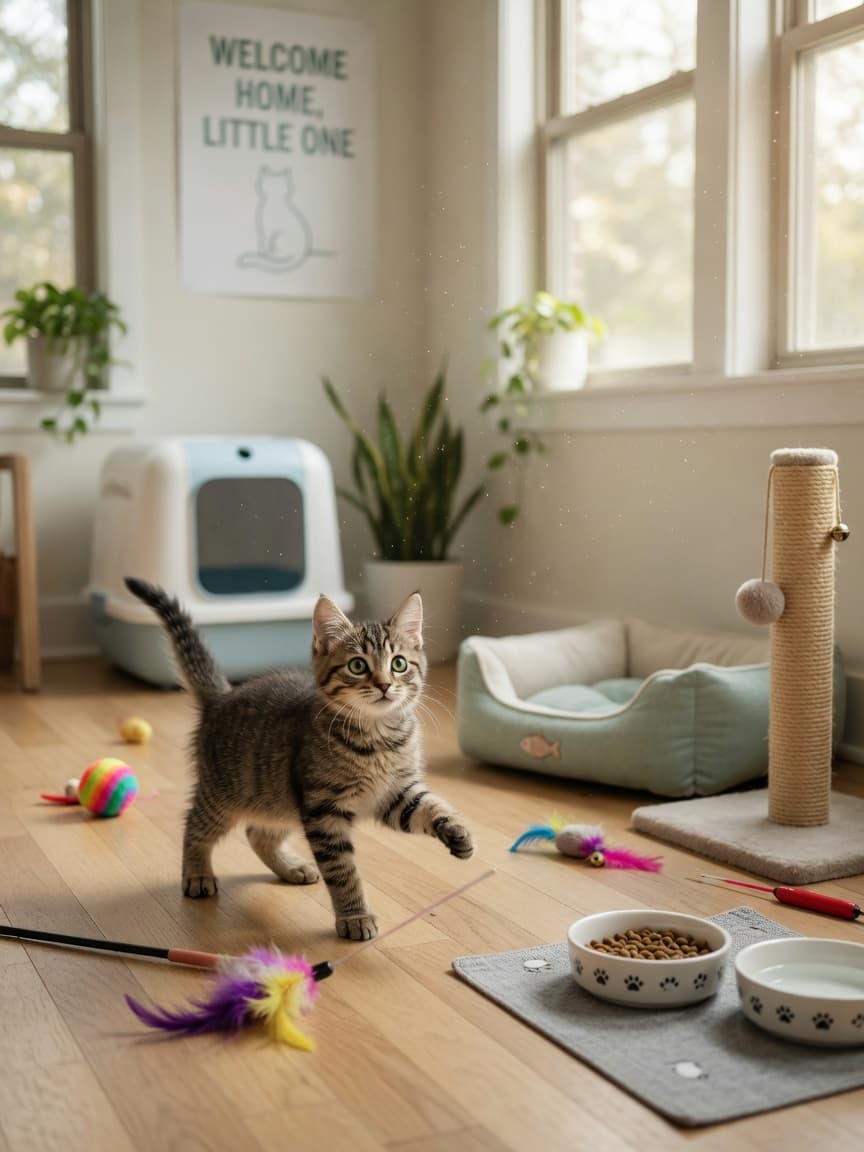
Bringing a new kitten into your home is an exciting and joyful experience, but it requires thoughtful preparation to ensure your little furball settles in smoothly and safely. Whether you're a first-time cat owner or adding to your existing feline family, the weeks before your kitten's arrival are crucial for creating a nurturing environment. In this guide, I'll walk you through the essential steps to prepare your home, gather the right supplies, and set yourself up for a successful transition.
Safety-Proof Your Home
Kittens are naturally curious and energetic, making them prone to accidents. Before bringing your new pet home, conduct a thorough safety audit of your living space.
- Secure loose electrical cables and hide them behind furniture or cable covers
- Remove toxic houseplants such as lilies, poinsettias, and philodendrons
- Store cleaning products, medications, and chemicals in closed cupboards
- Block access to small spaces where kittens could become trapped
- Install safety gates to restrict access to dangerous areas like kitchens or upper-level balconies
- Ensure windows are secure and cannot be opened wide enough for escape
Gather Essential Supplies
Having the right equipment ready before your kitten arrives makes the transition much smoother. Here's what you'll need:
- Litter box: Choose one that's 1.5 times the length of your kitten's body. Provide multiple boxes if you have multiple kittens.
- Food and water bowls: Opt for stainless steel or ceramic to prevent bacterial growth
- Age-appropriate kitten food: Ask your veterinarian or the kitten's previous carer which brand and type they've been eating
- Scratching posts and pads: Essential for natural behaviour and protecting your furniture
- Toys: Interactive toys, balls, and feather wands stimulate play and exercise
- Comfortable bedding: Provide a cosy bed or blanket in a quiet area
- Cat carrier: Necessary for veterinary visits and safe transport
Arrange Veterinary Care
Schedule a veterinary appointment within the first week of bringing your kitten home. Your vet will conduct a health check, discuss vaccination schedules, and advise on parasite prevention. Kittens typically require initial vaccinations at 8-9 weeks, with booster shots at 12 and 16 weeks. Additionally, discuss the timeline for neutering or spaying, which is typically performed around four months of age.
Create a Designated Safe Space
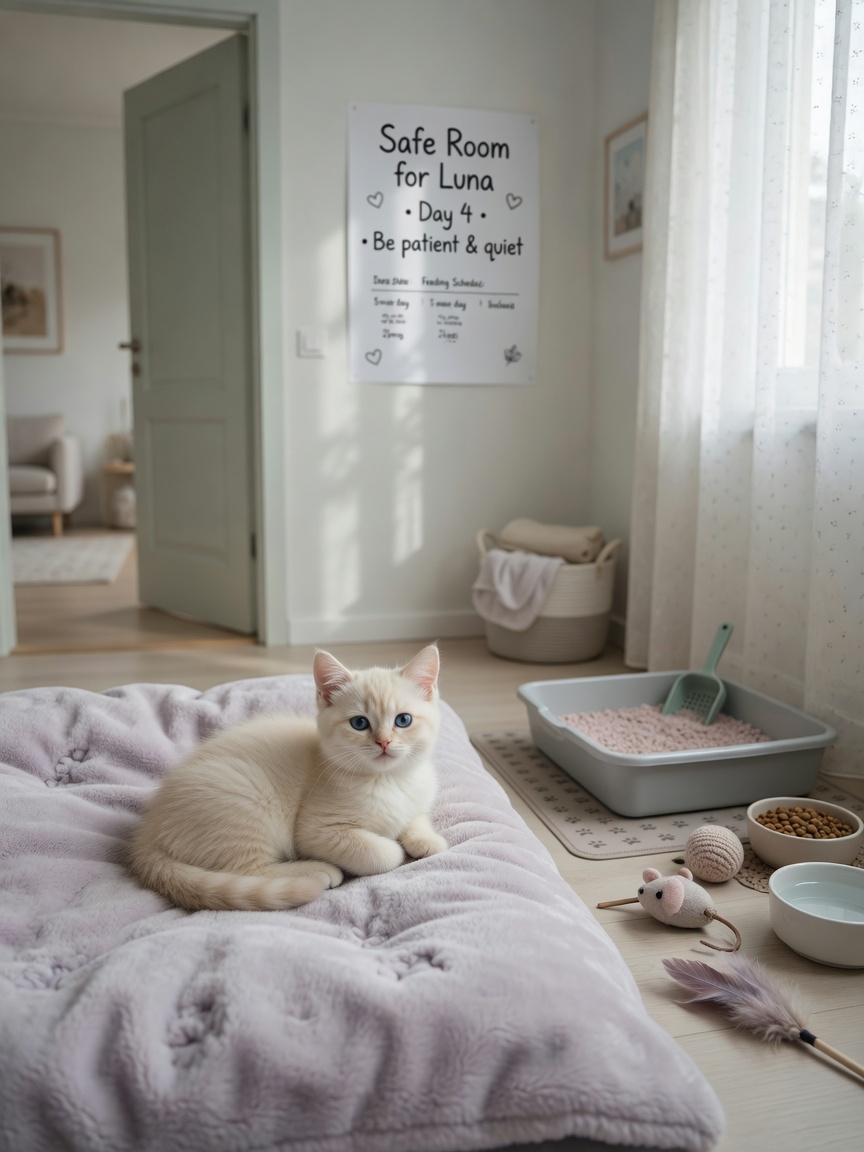
Rather than overwhelming your kitten with immediate access to your entire home, establish a small, quiet sanctuary room. This might be a spare bedroom or bathroom equipped with their litter box, food and water bowls, toys, and a comfortable bed. Allow your kitten to spend the first few days in this space, gradually expanding their territory as they gain confidence. This approach reduces stress and helps with litter box training.
Plan for Introduction to Other Pets
If you already have cats or dogs at home, introduce them gradually. Keep your new kitten separate initially, allowing them to smell each other under doors and through barriers. After a few days, supervise short, controlled meetings in neutral spaces. Reward calm behaviour with treats and praise to create positive associations.
Prepare Yourself for the Transition
Bringing home a kitten is a commitment to training, attention, and care. Plan to take time off work if possible during the first few days. Kittens require frequent feeding (typically three to four times daily until four months old), regular playtime, and consistent litter box management. Invest in learning about feline behaviour and nutrition to give your new companion the best possible start.
Key Takeaways
Successful kitten preparation involves securing your home, stocking necessary supplies, arranging veterinary care, and creating a calm transition space. By taking these steps before your kitten arrives, you're investing in their health, happiness, and long-term wellbeing. Remember, patience and consistency during these early weeks establish the foundation for a harmonious relationship with your new feline friend.