
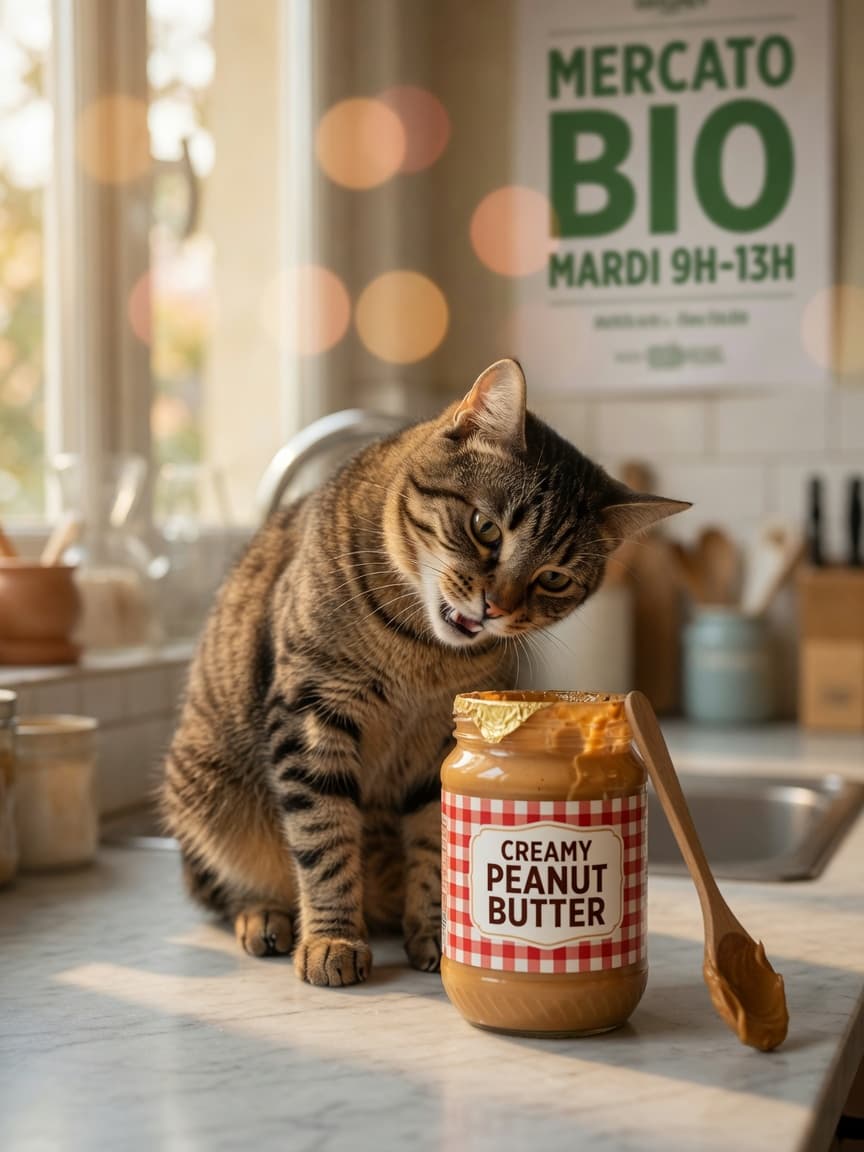
Peanut Butter and Cats: Less Straightforward Than You Might Think
Peanut butter enjoys an almost legendary status as a pet treat, and most dog owners will be familiar with using it as a pill disguiser or enrichment tool. Cats, however, are a different matter — and the question of whether peanut butter is safe for them deserves a more careful look than a simple yes or no.
Is Peanut Butter Toxic to Cats?
Peanuts themselves are not toxic to cats. They are not on the ASPCA's list of plants toxic to felines, and a small amount of plain peanut butter is unlikely to cause acute harm in a healthy adult cat. So in the strictest sense, peanut butter is not poisonous to cats — but that framing misses several important concerns.
The Xylitol Problem
This is the most urgent issue and the one that pet owners absolutely must understand. Xylitol is an artificial sweetener used in a growing number of food products, including certain brands of peanut butter. In dogs, xylitol causes a rapid, dangerous drop in blood sugar (hypoglycaemia) and can lead to liver failure — sometimes fatally.
The research on xylitol's specific effects in cats is less extensive than in dogs, but the biochemistry of the concern is similar enough that caution is strongly warranted. Many veterinary authorities advise treating xylitol as potentially dangerous to cats until more definitive evidence exists. Given that the risk in dogs is so severe, and that cats have similarly specialised metabolic pathways, avoiding any product containing xylitol is the responsible approach.
Xylitol may appear on ingredient labels under various names, including birch sugar or E967. It is particularly common in "natural" or "reduced sugar" peanut butter products. Always read the ingredient list in full before offering any peanut butter to a pet.
Why Peanut Butter Is Poorly Suited to Cats
Even setting aside xylitol, several characteristics of peanut butter make it a poor choice for cats:
Cats Are Obligate Carnivores
Cats lack the metabolic machinery to derive meaningful nutrition from plant-based foods. Peanuts are legumes — plant foods — and the protein they contain is not the same as animal protein in terms of amino acid profile or bioavailability for felines. A cat eating peanut butter is not gaining nutritional benefit in any meaningful sense; they are simply consuming calories without useful nourishment.
Fat and Calorie Density
Peanut butter is extremely calorie-dense, with most varieties containing around 90 to 100 calories per tablespoon. For a small animal like a cat, this is a significant caloric load. Regular consumption could easily contribute to weight gain, which in cats is associated with diabetes, joint disease, and hepatic lipidosis (fatty liver disease).
Salt Content
Most commercially available peanut butter contains added salt. Cats have a very low tolerance for dietary sodium compared with humans, and high-salt foods put strain on the kidneys. Cats already prone to renal issues — a common condition in older cats — are particularly vulnerable.
Sugar and Additives
Many peanut butter products contain added sugar, palm oil, and various emulsifiers or preservatives. None of these have any place in a cat's diet, and some (notably certain preservatives) may cause digestive upset.
Choking and Texture Risk
The thick, sticky texture of peanut butter can be difficult for cats to manage and poses a choking or aspiration risk, particularly in older cats or those with any swallowing difficulty.
Do Cats Even Like Peanut Butter?
This is worth addressing, because unlike dogs — who often go wild for peanut butter — many cats are completely indifferent to it. Cats lack the sweet taste receptor that detects sweetness, meaning the palatability drivers that make peanut butter appealing to many mammals simply do not apply. Some cats may be attracted to the fat content or novelty, but a lack of interest from your cat is biologically normal and not something to override with persistence.
Safer Alternatives for Pill Disguising and Treats
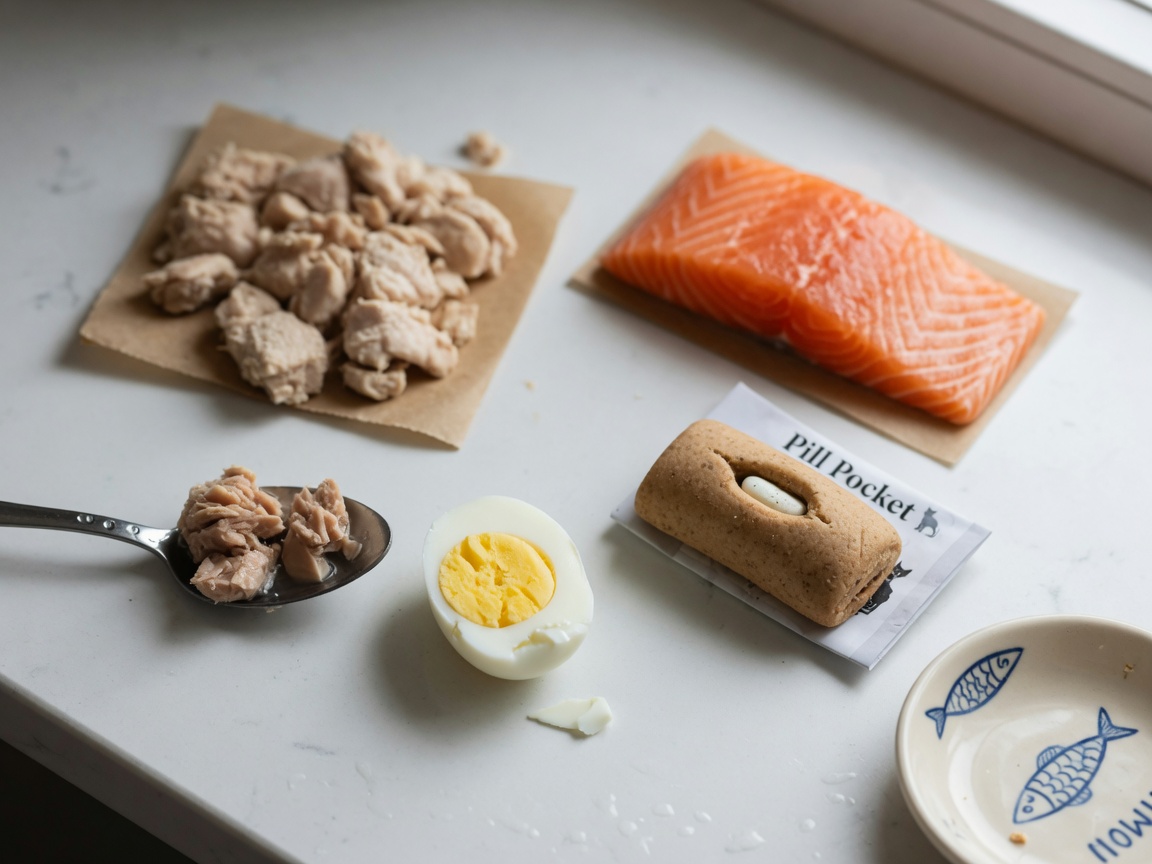
If you are looking for something to disguise medication or provide a high-value treat, there are options much better suited to feline biology:
- Plain cooked chicken or turkey: high protein, low fat, highly palatable to most cats
- Plain cooked salmon or white fish: rich in omega-3s and typically very appealing
- Commercial feline pill pockets or treats: formulated specifically for cat anatomy and metabolism
- A small amount of plain, unseasoned tuna in spring water: useful occasionally for pill administration
- Plain cooked egg: easily mashed around a tablet and nutritionally appropriate
- Commercial cat-safe meat pastes: increasingly available in pet shops and designed for exactly this purpose
All of these options provide actual nutritional value to an obligate carnivore, rather than empty plant-based calories.
What to Do If Your Cat Has Already Eaten Peanut Butter
If your cat has eaten a small amount of plain peanut butter with no xylitol, and they appear well, the most likely outcome is that nothing serious will happen. Monitor for digestive upset — vomiting or loose stools — and ensure they have access to water.
If the peanut butter contained xylitol, or you are unsure of the ingredients, contact your vet or a veterinary poison control line immediately. Do not wait for symptoms to develop.
- Check the full ingredient list of any peanut butter before it reaches your cat
- Treat any product containing xylitol as an emergency risk and seek veterinary advice promptly
- Keep peanut butter off the regular treat rotation — there are far better options available
- If you need to disguise medication, speak to your vet about appropriate carriers
Peanut butter is one of those foods that is technically not classified as toxic to cats in its plain form, but offers essentially no benefit and carries several meaningful risks. For a species that evolved to eat meat, there are simply far better choices — and plenty of them.