
What Is Sweet Itch?
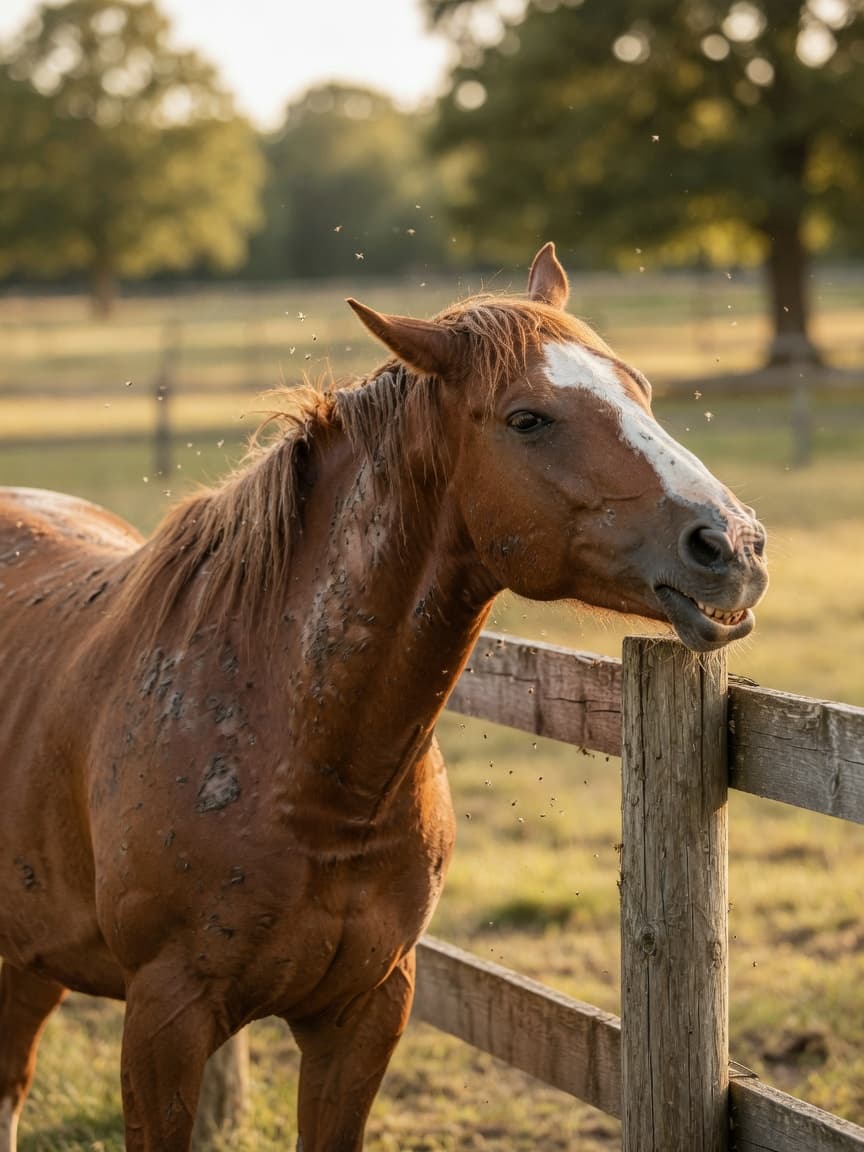
Sweet itch — known clinically as Culicoides hypersensitivity or summer seasonal recurrent dermatitis — is an allergic skin condition triggered by hypersensitivity to the saliva of Culicoides midges. It is one of the most common and frustrating conditions affecting horses across Europe, with particularly high prevalence in the UK, Ireland, France, Spain, and Scandinavia. Affected horses mount an exaggerated immune response to midge bites, leading to intense, chronic itching that can severely impact quality of life.
The condition typically follows a seasonal pattern, worsening in spring and summer when midge populations peak, and improving or resolving in winter. However, in milder climates such as parts of Spain and southern France, midges may be active for a much longer part of the year.
Signs and Diagnosis
Sweet itch presents as intense pruritus (itching) concentrated along the mane, tail head, ventral midline (belly), and face. Affected horses rub, bite, and scratch constantly, leading to hair loss, skin thickening, scaling, open sores, and in severe cases secondary bacterial infection. Over successive seasons, the skin may become leathery and scarred, particularly along the dorsal midline.
Diagnosis is primarily clinical, based on the characteristic distribution of lesions, the seasonal pattern, and the owner's history of midge exposure. Intradermal allergy testing or serological blood tests for Culicoides-specific IgE antibodies can confirm hypersensitivity and are particularly useful when considering immunotherapy. Your vet may also rule out other causes of pruritus such as lice, chorioptic mange, ringworm, or contact allergies.
The ESCCAP equine parasitology guidelines recommend that owners and vets distinguish between parasitic causes of pruritus (such as mite or louse infestations) and allergic causes before committing to a management plan, as treatments differ significantly.
Physical Barrier Management: Rugs and Fly Sheets
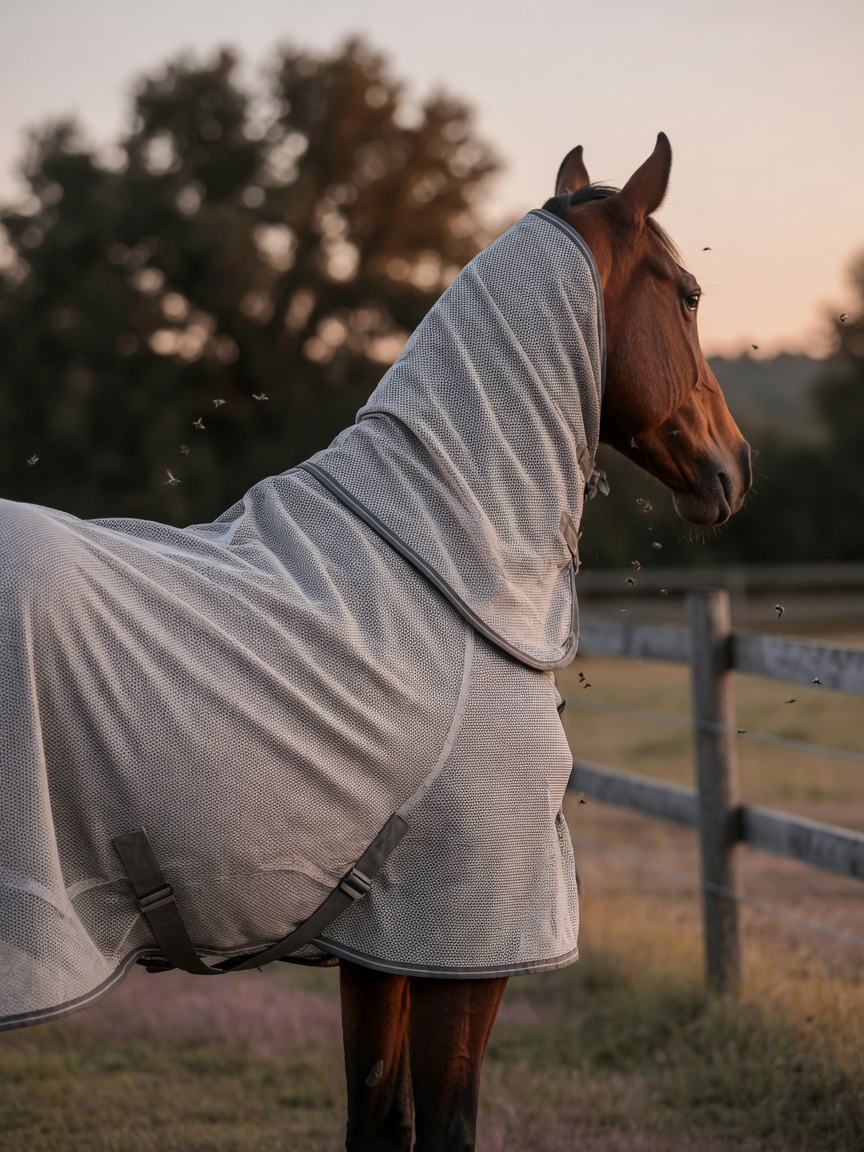
Physical protection from midges is the single most effective non-pharmacological tool available. The Boett rug is specifically designed for sweet itch management and covers the entire body including the belly, neck, and head to protect the areas most vulnerable to midge attack. It is made from a fine mesh that Culicoides midges cannot penetrate whilst still allowing air flow. Many horses with moderate sweet itch can be managed successfully with a Boett rug alone, provided it is worn correctly during peak midge activity periods (dusk and dawn).
Standard fly sheets and fly masks also provide meaningful protection and can be used when a full Boett rug is not practical. Ensuring an excellent fit is critical, as gaps around the belly and mane allow midges access to the most sensitive areas.
EU-Licensed Insecticides: Deosect and Cypermethrin
Deosect (containing Cypermethrin) is an EU-licensed topical insecticide widely used across Europe for the control of Culicoides midges on horses. It is applied directly to the coat and acts as a contact insecticide, repelling and killing midges before they can bite. Deosect is effective and practical, though it requires regular reapplication — particularly after rain or sweating. It should be applied as directed on the product label and kept away from the eyes, mucous membranes, and water sources.
Always check the current FEI prohibited substances list before using any insecticide or topical product on a competition horse, as some compounds may be prohibited or subject to withdrawal periods depending on the competition level and governing body.
Veterinary Treatments: Dexamethasone for Acute Flares
During acute flares of severe sweet itch, veterinary-prescribed corticosteroids such as Dexamethasone may be used to rapidly reduce inflammation and break the itch-scratch cycle. Dexamethasone is a potent glucocorticoid that suppresses the allergic inflammatory response and can provide significant short-term relief. It is a prescription medicine and should only be used under veterinary supervision, as long-term use carries risks including laminitis in predisposed horses.
Dexamethasone is listed on the FEI prohibited substances list and has defined detection thresholds and withdrawal periods. Competition owners must plan veterinary treatment carefully around their competition schedule.
Immunotherapy: Desensitisation for Long-Term Control
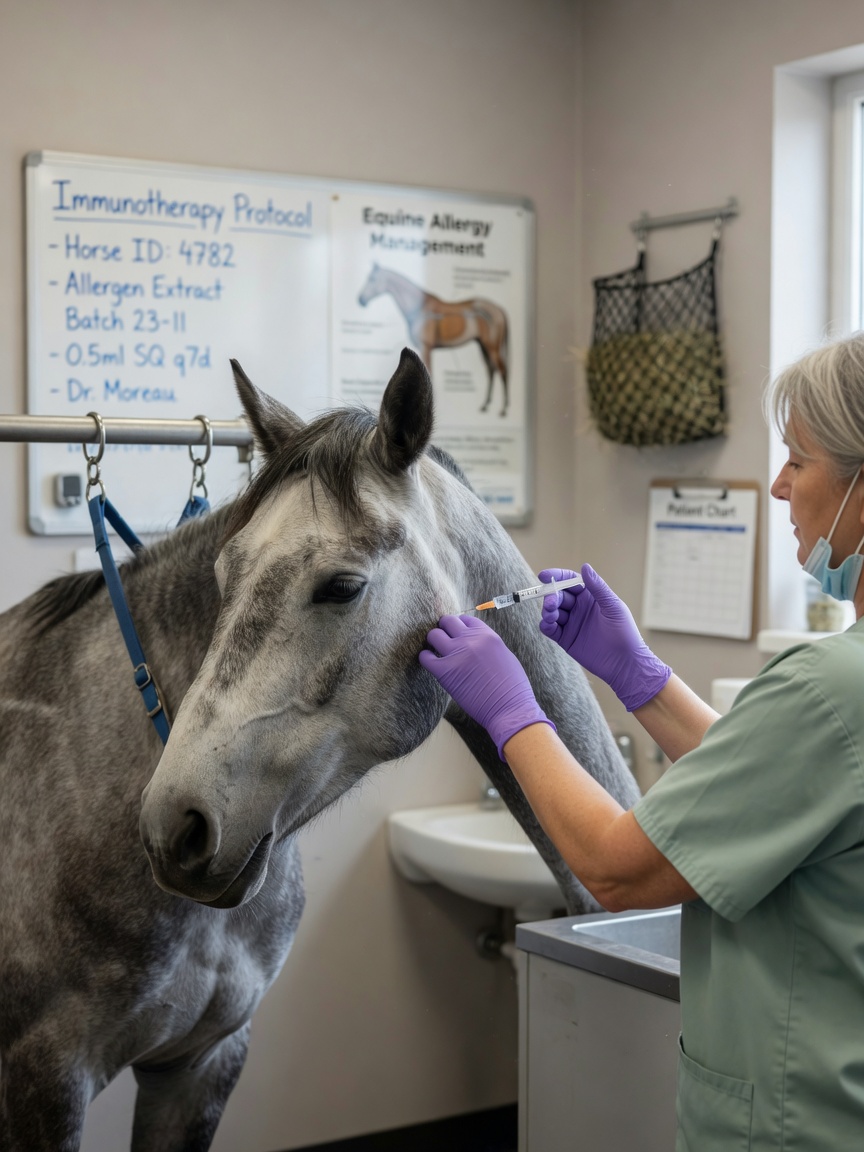
Allergen-specific immunotherapy (desensitisation) offers a long-term solution for horses with confirmed Culicoides hypersensitivity. Following allergy testing to identify the specific Culicoides species and allergens involved, a bespoke vaccine is formulated and administered via a series of injections over several months. The goal is to gradually desensitise the immune system so that the horse mounts a less severe response to midge bites.
Immunotherapy requires commitment over one to two years and is not universally effective, but in horses that do respond, it can produce sustained improvement that persists beyond the treatment period. It is available through specialist equine dermatology referral centres in the UK and across Europe.
Supplements: Omega-3 and Quercetin
Nutritional support can complement physical and medical management. Omega-3 fatty acids from sources such as linseed (flaxseed) oil help modulate the inflammatory response and support skin barrier function. Quercetin, a natural bioflavonoid found in plant foods, has mild antihistamine and anti-inflammatory properties and is included in several equine sweet itch supplement blends available in the EU. Whilst neither replaces veterinary treatment in severely affected horses, both are safe for long-term use and may reduce the overall severity of symptoms when used consistently.
Midge Management: Stable Timing and Environmental Control
Reducing midge exposure through environmental management is an essential component of any sweet itch control programme. Culicoides midges are most active at dawn and dusk and tend to breed in moist, boggy ground near water. Practical steps to reduce exposure include:
- Stabling affected horses at dawn and dusk during peak midge season
- Fitting fine-mesh screens to stable windows and doors to prevent midges entering
- Using large fans in stables — midges cannot fly in strong air currents
- Removing horses from fields near water, woodland edges, or boggy areas during high-risk periods
- Keeping the stable yard clean and reducing manure and organic matter that may attract midges
A combined approach — physical barriers, insecticide application, environmental management, and appropriate veterinary treatment — offers the best chance of meaningful relief for horses with sweet itch. Early intervention each season, before symptoms escalate, gives the best outcome.