
Dog Blood Tests: What Each Panel Measures & What Results Mean
Quick Summary: Routine blood tests are the single most informative diagnostic tool in veterinary medicine. A standard panel combines a Complete Blood Count (CBC) — measuring red cells, white cells, and platelets — with a Biochemistry Profile that assesses organ function, electrolytes, and glucose. Results are usually available within hours in-clinic or next day via external laboratory. Understanding what each marker means helps you have better conversations with your vet and make more informed decisions about your dog's care.
Why Do Vets Order Blood Tests?

Blood provides a snapshot of almost every organ system simultaneously. A single tube of blood can reveal anaemia, infection, diabetes, kidney disease, liver dysfunction, Addison's disease, and thyroid imbalance — conditions that can look identical on the outside but require very different treatments. Blood tests are ordered for sick dogs to find the cause of illness, for apparently healthy senior dogs as part of a wellness check, before anaesthesia to assess risk, and during long-term medication use (phenobarbitone, NSAIDs) to monitor for side effects.
The American Veterinary Medical Association (AVMA) recommends annual bloodwork for dogs over seven years and twice-yearly screening for dogs over ten, even when they appear healthy. Diseases like chronic kidney disease and early diabetes are far easier to manage when caught before clinical signs appear.
The Complete Blood Count (CBC) — What Each Value Means
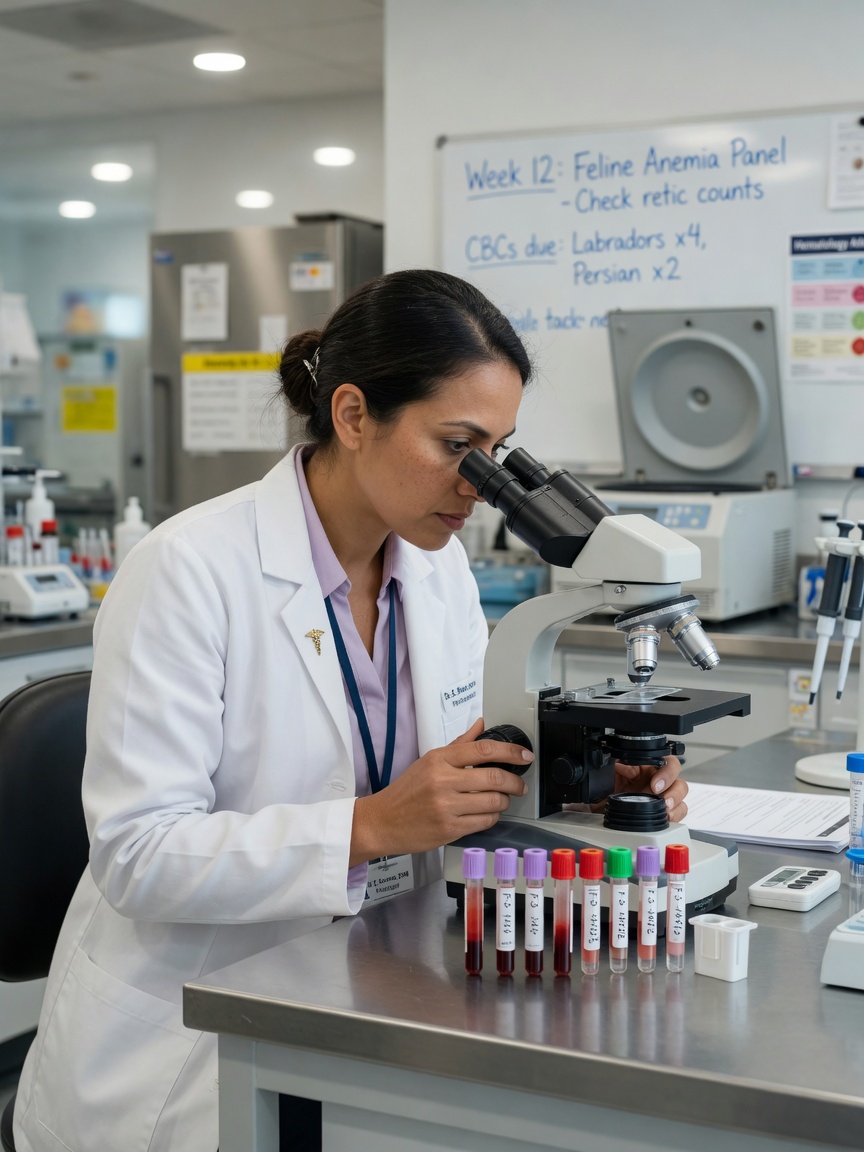
The CBC analyses the cellular components of blood:
- Red Blood Cells (RBC) and Haematocrit (PCV/HCT): Low values indicate anaemia (blood loss, destruction, or inadequate production). High values (polycythaemia) suggest dehydration or, rarely, a bone-marrow disorder.
- Haemoglobin (Hb): The oxygen-carrying protein inside red cells. Parallels HCT changes.
- White Blood Cells (WBC): A raised total WBC (leucocytosis) suggests infection, inflammation, or stress. A very low count (leucopenia) raises concern for parvovirus, bone-marrow disease, or certain drugs.
- Neutrophils: The frontline infection fighters. A high neutrophil count with a "left shift" (immature cells) signals severe bacterial infection or pyometra.
- Lymphocytes: Elevated in some viral infections and lymphoma; suppressed by steroids.
- Eosinophils: Raised in allergic conditions, parasitic infestations, and some GI disorders.
- Platelets: Low platelets (thrombocytopenia) cause bleeding and bruising. Common causes include immune-mediated destruction, tick-borne disease, and certain cancers.
The Biochemistry Profile — Organ by Organ
Liver markers:
- ALT (Alanine Aminotransferase): The most specific liver enzyme in dogs. Elevated when liver cells are damaged or leaking. Causes range from fatty liver and toxins to hepatitis and tumour.
- ALP (Alkaline Phosphatase): Raised in liver disease, Cushing's syndrome, and bone disease, and by steroid medication. Must be interpreted alongside other values.
- GGT (Gamma-Glutamyl Transferase): More specific for bile-duct obstruction and liver disease than ALP alone.
- Bilirubin: A breakdown product of red cells processed by the liver. High bilirubin causes jaundice (yellow tinge to eyes or gums).
Kidney markers:
- BUN (Blood Urea Nitrogen) / Urea: Rises with kidney disease, dehydration, or high-protein diet. Also elevated with internal bleeding into the GI tract.
- Creatinine: A more reliable kidney marker than urea. Elevated once roughly 75% of kidney function is lost — meaning disease is already advanced by the time it rises.
- SDMA (Symmetric Dimethylarginine): A newer, more sensitive kidney marker that rises when only 25–40% of kidney function is lost, enabling earlier intervention. A 2019 study in the Journal of Veterinary Internal Medicine confirmed SDMA's superiority for early CKD detection. PubMed PMID 31241221.
- Phosphorus: Elevated in kidney disease and hyperparathyroidism. Dietary phosphorus restriction is a key management strategy for chronic kidney disease (CKD).
Other key markers:
- Glucose: Persistently high blood glucose confirms diabetes mellitus. Low glucose (hypoglycaemia) occurs with insulinoma, Addison's disease, or starvation in small breeds.
- Total Protein and Albumin: Low albumin causes fluid accumulation (oedema, ascites) and suggests liver disease, protein-losing enteropathy, or kidney disease.
- Electrolytes (Sodium, Potassium, Chloride): Abnormal electrolytes indicate Addison's disease (low sodium, high potassium), vomiting disorders, or urinary obstruction.
- Total T4 (Thyroxine): Low in hypothyroidism — a common cause of weight gain, lethargy, and skin problems in middle-aged to older dogs.
- Cortisol / ACTH stimulation / Low-dose dexamethasone suppression: Specific tests for Cushing's disease (hyperadrenocorticism), not part of the routine panel but ordered when ALP is markedly elevated alongside clinical signs.
How to Read Your Dog's Blood Test Report
Laboratory reports list each value alongside a reference interval (RI) — the range expected in healthy dogs. Values outside the RI are flagged H (high) or L (low). It is important to know that a single mildly abnormal result may have no clinical significance; context matters enormously. A dog on long-term steroids will have a predictably elevated ALP — that is an expected drug effect, not liver disease. Your vet interprets results alongside the clinical history, physical exam, and any other test results, which is why phoning the lab directly for an interpretation is rarely helpful without that context.
ScienceDaily covered research in 2024 showing that AI-assisted interpretation of veterinary blood panels can help flag patterns that human eyes might miss — technology increasingly available in larger referral centres.
Preparing Your Dog for Blood Tests
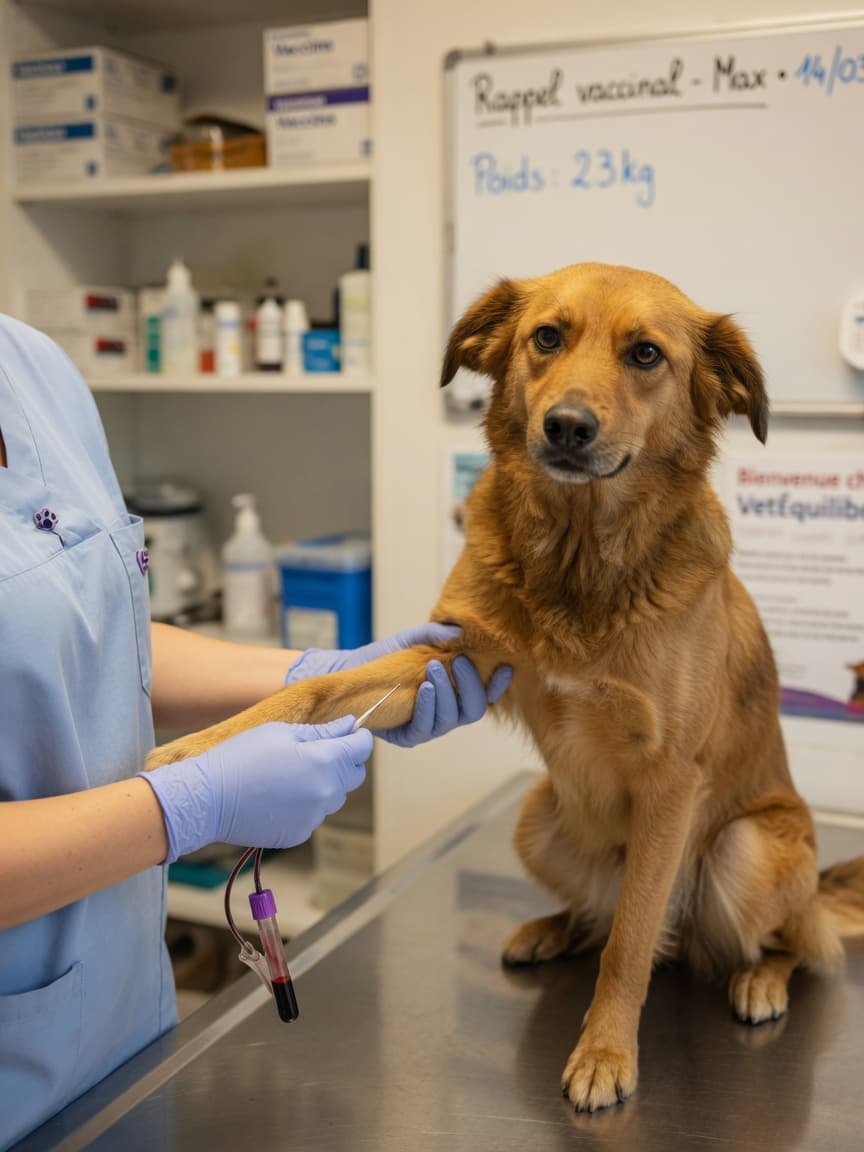
Most routine panels require a 4–8 hour fast beforehand, since a recent fatty meal can cause lipaemia (milky blood) that interferes with several assays, particularly triglycerides, lipase, and some enzyme measurements. Water should always be available. The blood draw itself is quick — a needle into the jugular vein or cephalic (foreleg) vein, usually done in under 60 seconds in cooperative dogs.
If your dog is on any medications — including supplements — tell your vet before the test. Fish oil can mildly lower platelet aggregation; certain herbal supplements interfere with liver enzymes. Supporting your dog's liver and kidney health between checks is worthwhile: Zooplus stocks a broad range of veterinary-quality vitamins and organ-support supplements for dogs at every life stage.
How Much Do Dog Blood Tests Cost?
In the UK, a routine pre-anaesthetic panel (CBC + basic biochemistry) runs £80–£150 at most practices. A full senior wellness panel including SDMA, thyroid, and electrolytes ranges from £120 to £250. In the US, expect $80–$200 for a basic panel and $150–$400 for a comprehensive senior screen. Most pet insurance policies do not cover wellness blood tests, but many cover diagnostic panels ordered for a clinical problem.
Key Takeaways
- A CBC plus biochemistry profile assesses red cells, white cells, liver, kidneys, electrolytes, and glucose in one sample.
- SDMA detects kidney disease much earlier than creatinine — ask your vet whether it is included in your dog's panel.
- ALT is the most specific liver marker in dogs; ALP rises for many reasons including steroid use.
- Mild abnormalities are common and often contextual — always discuss results with your vet rather than interpreting them in isolation.
- Annual bloodwork is recommended from age 7; twice-yearly from age 10.
- Fast your dog for 4–8 hours before most blood tests; never withhold water.
Early blood test abnormalities — particularly elevated liver enzymes or borderline kidney markers — are often managed with targeted nutritional support. HolistaPet offers hemp-based wellness supplements that may support organ health as part of a vet-guided plan. Always confirm with your veterinarian before starting any new supplement regime.
References
- Hall JA, et al. "Symmetric dimethylarginine (SDMA) concentrations as a surrogate marker for glomerular filtration rate in cats and dogs." Journal of Veterinary Internal Medicine. 2019;33(6):2437–2450. PubMed PMID 31241221
- Stockham SL, Scott MA. Fundamentals of Veterinary Clinical Pathology. 2nd ed. Ames, IA: Blackwell; 2008. Referenced in: Villiers E, Blackwood L (eds). BSAVA Manual of Canine and Feline Clinical Pathology. 3rd ed. 2016. Summary available via PubMed PMID 27479780