
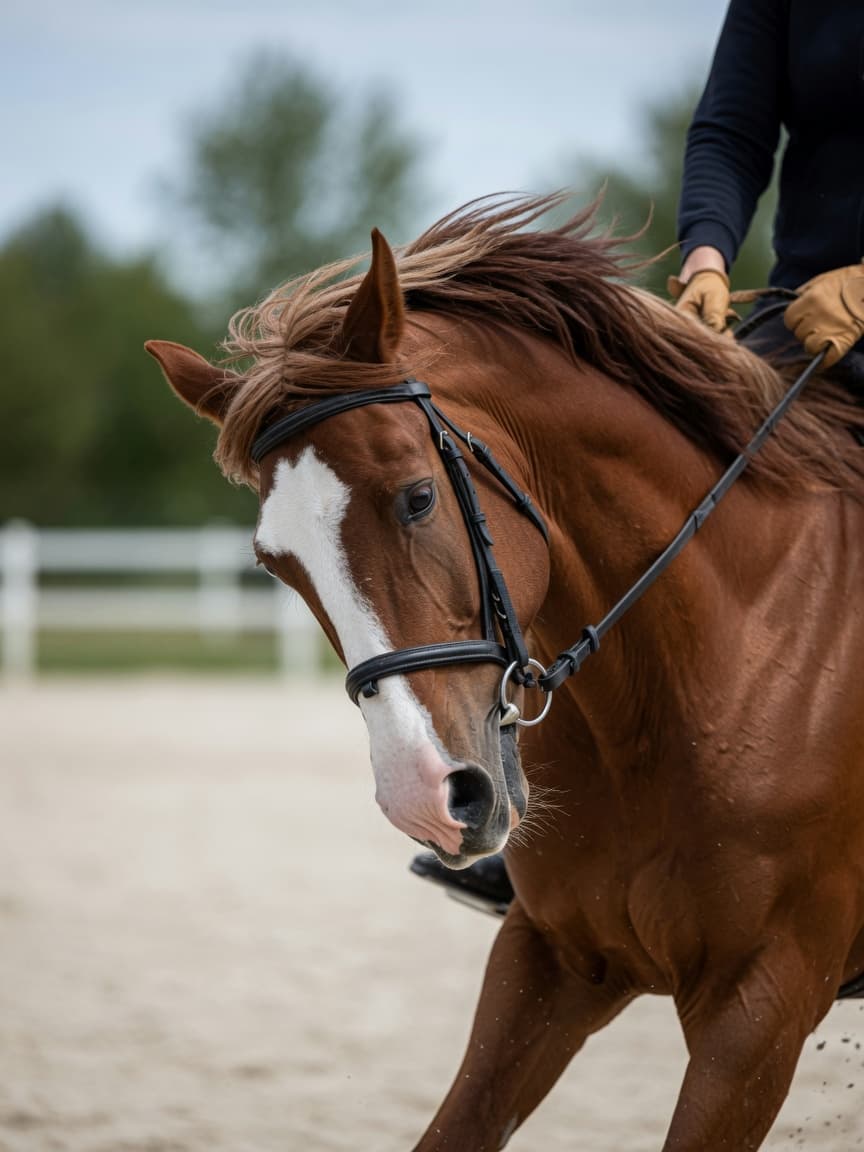
Head tossing in horses is one of the most frustrating behaviours owners encounter, often leaving riders wondering whether their horse is simply being difficult or if something more serious is amiss. The truth is, excessive head tossing is almost always a sign that your horse is trying to communicate discomfort—whether physical pain, irritation, or behavioural distress. Understanding the root cause is essential for addressing the problem effectively and ensuring your horse's wellbeing.
Physical Causes of Head Tossing
Before assuming behavioural issues, it's crucial to rule out medical problems. Physical discomfort is the most common reason horses toss their heads.
- Bit-related issues: An ill-fitting bit, mouth sores, or dental problems can cause significant pain when pressure is applied. Sharp edges on teeth or wolf teeth may also trigger head tossing.
- Ear infections or mites: Infections in the ear canal or ear mites create intense itching, prompting repetitive head movements.
- Skin conditions: Sweet itch (caused by midge bites) and other allergic reactions lead to head and neck itching.
- Eye problems: Conjunctivitis, corneal ulcers, or light sensitivity can cause head tossing as an evasive response.
- Neurological issues: Rarely, conditions affecting the nervous system may manifest as head tossing.
Dental and Oral Health Concerns
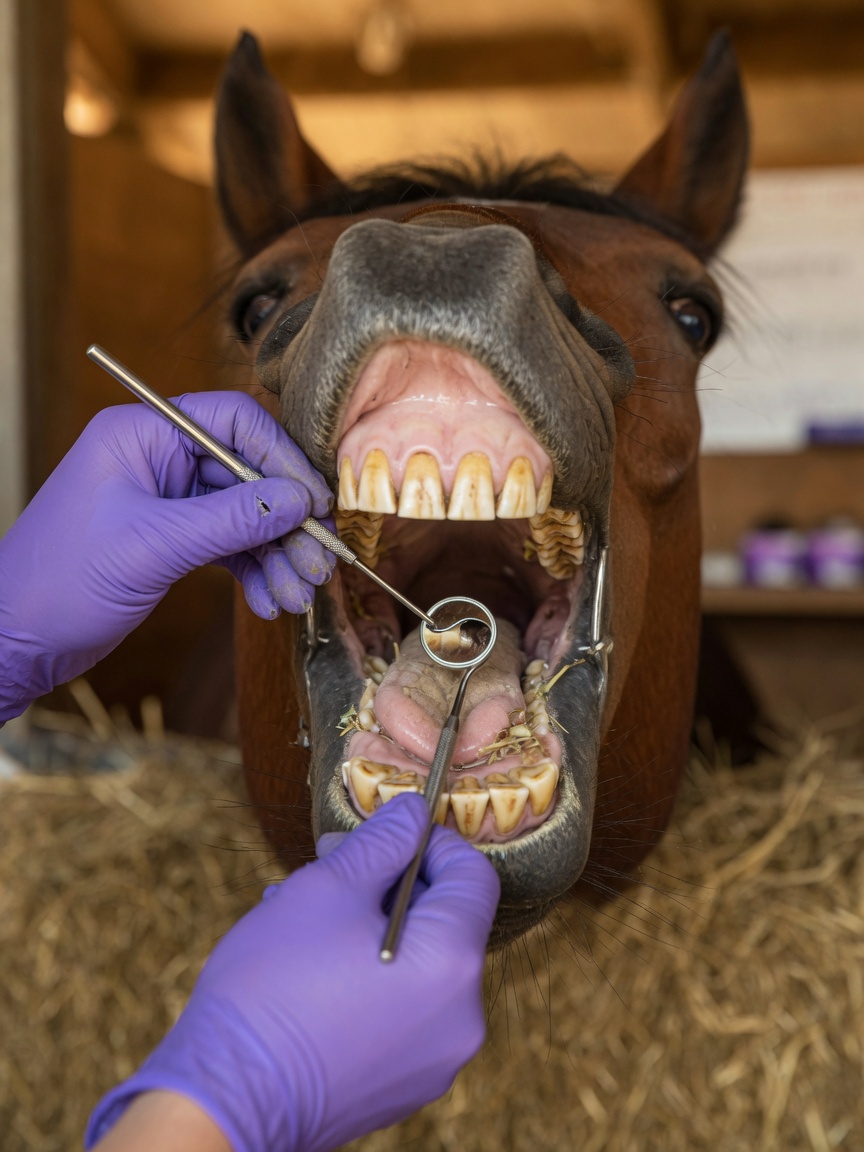
Dental problems are particularly common culprits. Horses' teeth continue growing throughout their lives, and uneven wear can create sharp points that catch the cheek or tongue. A qualified equine dentist should examine your horse at least annually—more frequently if tossing develops suddenly.
Look for additional signs such as difficulty eating, dropping feed, or favouring one side of the mouth. These indicate your horse may need dental intervention urgently.
Tack and Fit Assessment
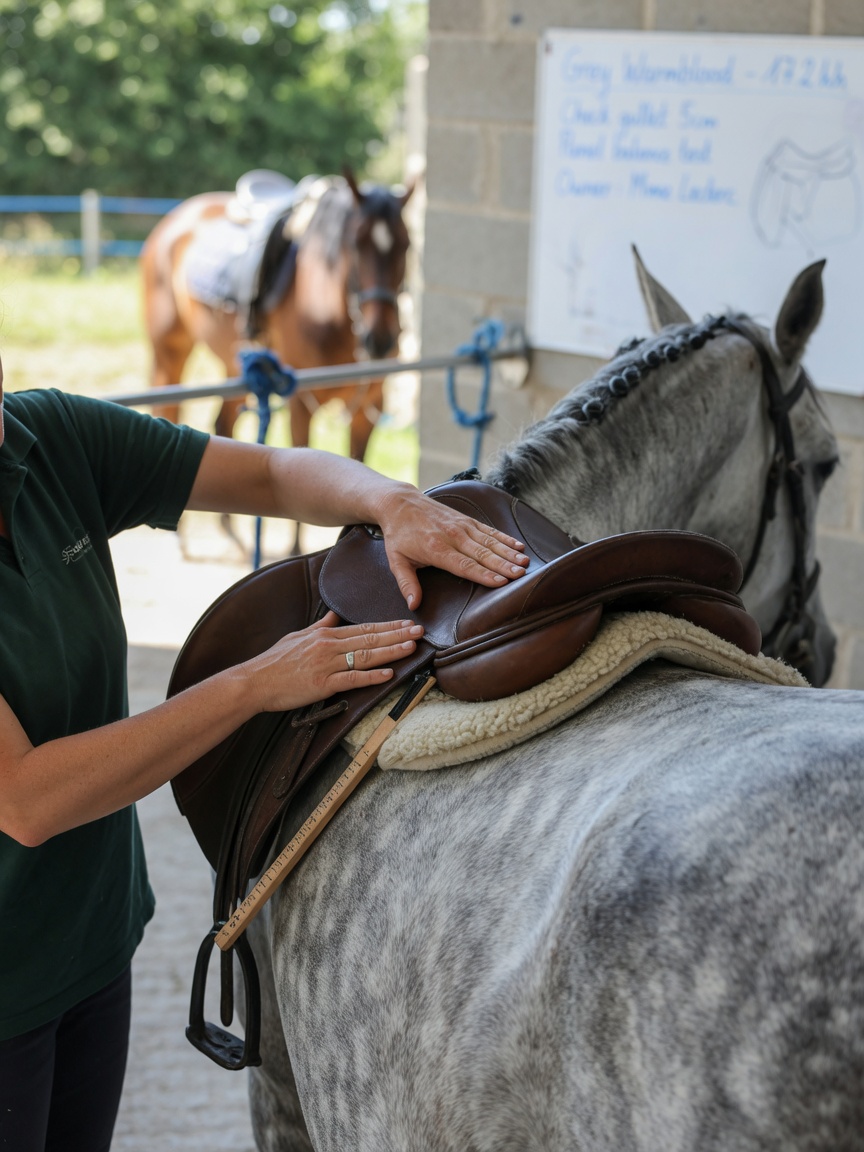
Even slightly incorrect tack fit can escalate into problematic behaviours. Consider these factors:
- Have a saddle fitter assess your saddle for proper weight distribution and clearance
- Evaluate your bridle fit—the bit should sit comfortably in the mouth without pinching the corners
- Check that your noseband isn't too tight; you should fit two fingers underneath
- Ensure the bit is appropriate for your horse's mouth anatomy and training level
Sometimes switching to a different bit style or having tack professionally refitted resolves head tossing entirely.
Parasites and Skin Issues
External parasites, particularly midge larvae causing sweet itch, are a genuine cause of head tossing in summer months. If your horse's behaviour worsens during warm seasons, investigate parasitic causes. Regular parasite control, appropriate fly protection, and keeping your horse away from damp areas where midges breed can significantly reduce this problem.
Behavioural and Environmental Factors
Once medical issues are excluded, behavioural causes may include:
- Frustration or tension during work
- Insufficient exercise or turnout
- Response to excessive pressure from the rider
- Anxiety or spooking tendencies
Horses that toss their heads from behaviour rather than pain typically respond well to consistent training, adequate turnout, and addressing any anxiety triggers.
Key Takeaways
Head tossing should never be dismissed as mere naughtiness. Start by consulting your veterinary surgeon to rule out medical causes, followed by an equine dentist and saddle fitter. Only after physical discomfort has been eliminated should you consider behavioural or training-related solutions. By approaching the problem systematically, you'll identify the underlying cause and help your horse return to comfortable, happy ridden work.