
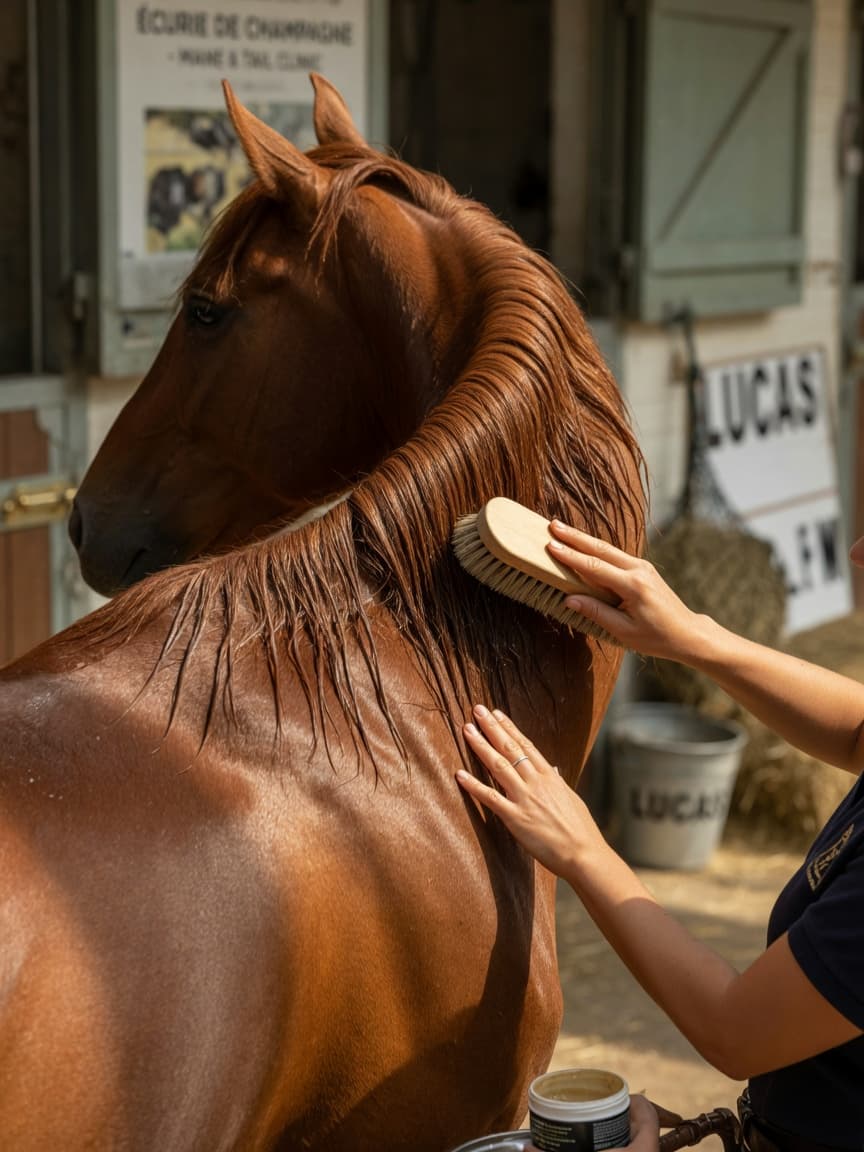
A well-groomed horse is a sight to behold, and one of the most striking grooming techniques is training the mane to lie flat on a single side of the neck. Whether you're preparing for competition, a special event, or simply want your equine companion to look their best, this classic styling method can transform your horse's appearance. The good news is that with patience, the right techniques, and consistent practice, you can achieve this elegant look for most horses. In this guide, we'll walk you through everything you need to know about training your horse's mane to lie beautifully on one side.
Understanding Your Horse's Mane Growth Pattern
Before you begin training your horse's mane, it's essential to understand how mane growth works. Horses naturally grow their manes in different directions depending on their individual genetics and the side they tend to lie on while resting. Some horses have a natural preference for one side, whilst others grow their mane more centrally. Recognising your horse's natural growth pattern will help you work with, rather than against, their biology, making the training process more effective and sustainable.
Preparing Your Horse's Mane for Training
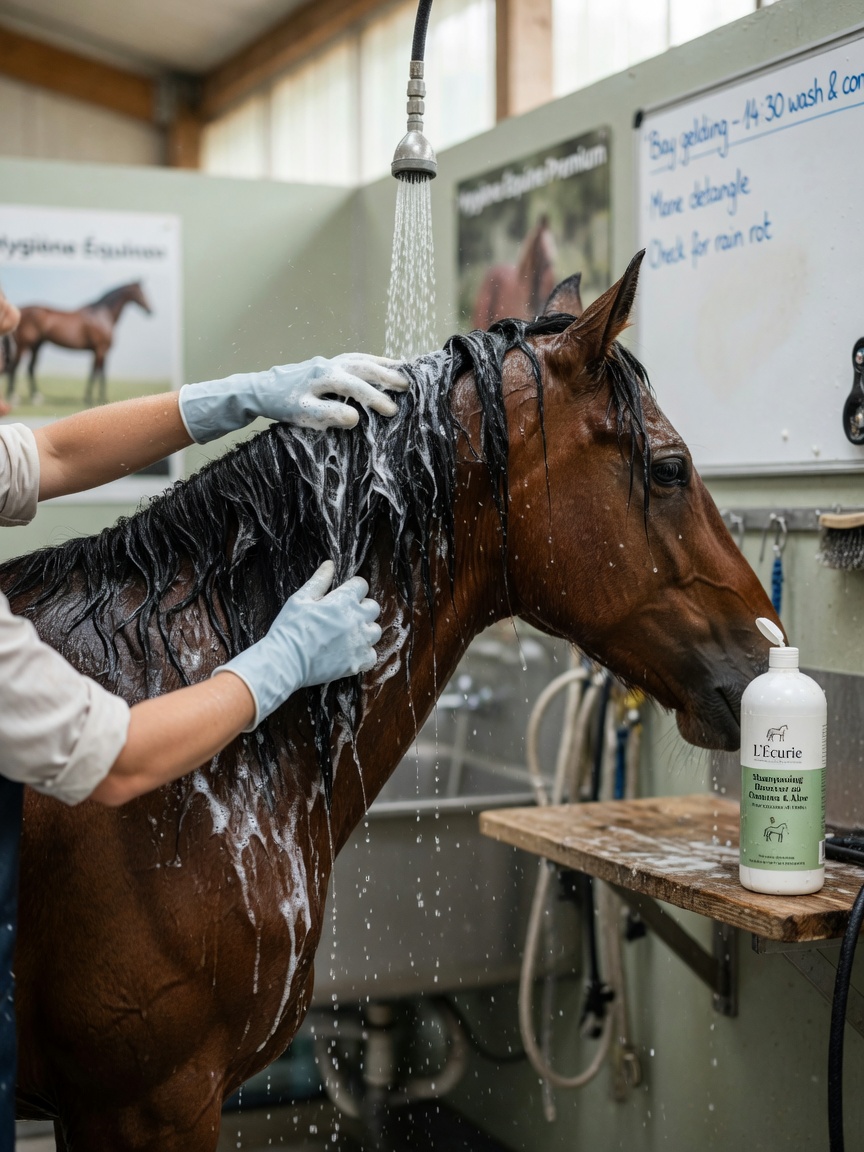
A clean, healthy mane is much easier to train than a dirty or tangled one. Start by thoroughly washing your horse's mane with a quality equine shampoo and conditioner. This removes dirt, sweat, and product build-up that could prevent proper styling. After washing, dry the mane completely using a towel or allowing it to air dry naturally. A completely dry mane will hold a shape far better than a damp one, so patience during this preparation stage is crucial for long-term success.
Essential Tools and Supplies
- Wide-toothed comb or mane brush
- Detangling spray (optional but helpful)
- Lightweight mane gel or braiding wax
- Soft elastics or braiding thread
- Moisturising leave-in conditioner
- Soft cloth for polishing
Step-by-Step Training Process
Begin by brushing the mane thoroughly from roots to tips, removing any tangles or knots. Once completely groomed, apply a lightweight mane gel or natural styling product to help the mane hold its position. Using your fingers or a soft brush, gently train the mane to lie on your chosen side, stroking it in the desired direction repeatedly. Consistency is key—perform this training daily, ideally for several weeks, to establish the new growth pattern.
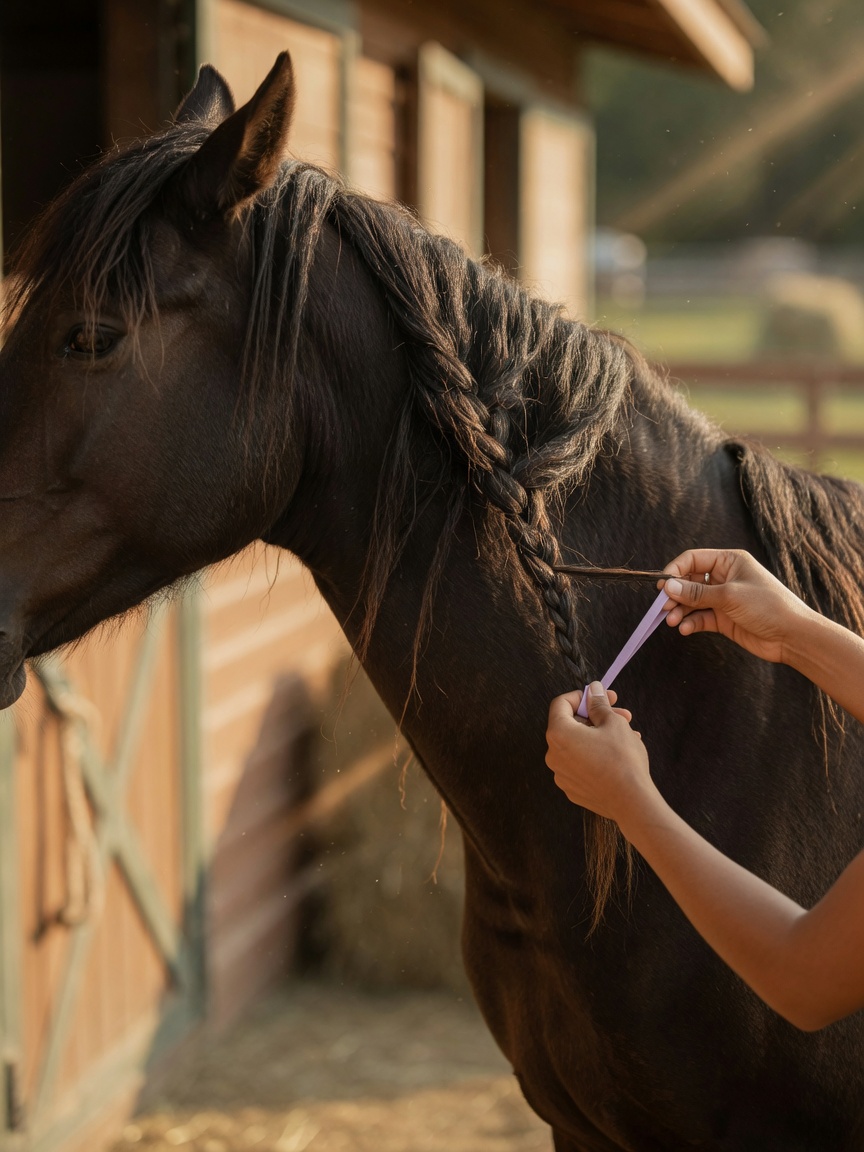
For additional reinforcement, you can loosely braid the mane on the preferred side each evening, securing it with a soft elastic. This gently trains the hair whilst protecting it from damage. Leave the braid in overnight, then release it in the morning and re-groom. Many horse owners find that within two to three weeks of this routine, the mane begins to naturally favour the trained side.
Maintaining Your Horse's New Mane Style
- Brush and retrain the mane daily for at least the first month
- Continue using lightweight styling products to reinforce the desired direction
- Protect the mane with a thin sleep sheet or hood to prevent shifting whilst your horse rests
- Maintain regular grooming schedules to keep the mane healthy and strong
- Gradually reduce training frequency once the mane establishes the new pattern
Key Takeaways
Training your horse's mane to lie flat on one side requires patience, consistency, and the right approach. By starting with thorough preparation, using appropriate products, and maintaining a daily training routine, you can achieve a beautifully styled mane that enhances your horse's appearance. Remember that every horse is different—some may take just weeks to adjust, whilst others may require several months. The investment of time and effort is well worth the elegant results you'll achieve.