
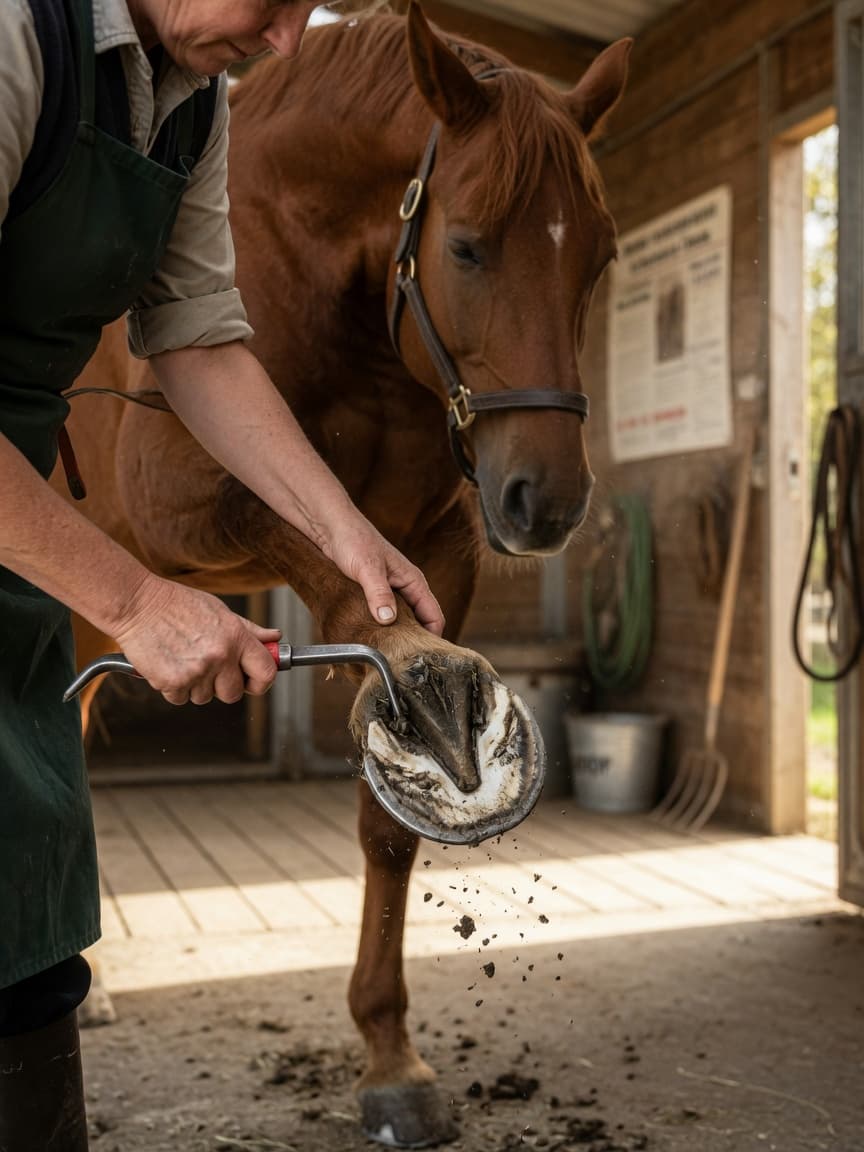
Proper hoof care is one of the most essential aspects of equine health and wellbeing. A horse's hooves bear enormous weight and pressure daily, making them vulnerable to infection, lameness, and serious structural problems if neglected. Regular hoof cleaning isn't just about aesthetics—it's a critical preventative measure that can save you from costly veterinary bills and keep your horse comfortable and sound. Whether you're a novice horse owner or an experienced rider, understanding the proper technique for cleaning hooves is fundamental knowledge that every horse guardian should possess.
Why Regular Hoof Cleaning Matters
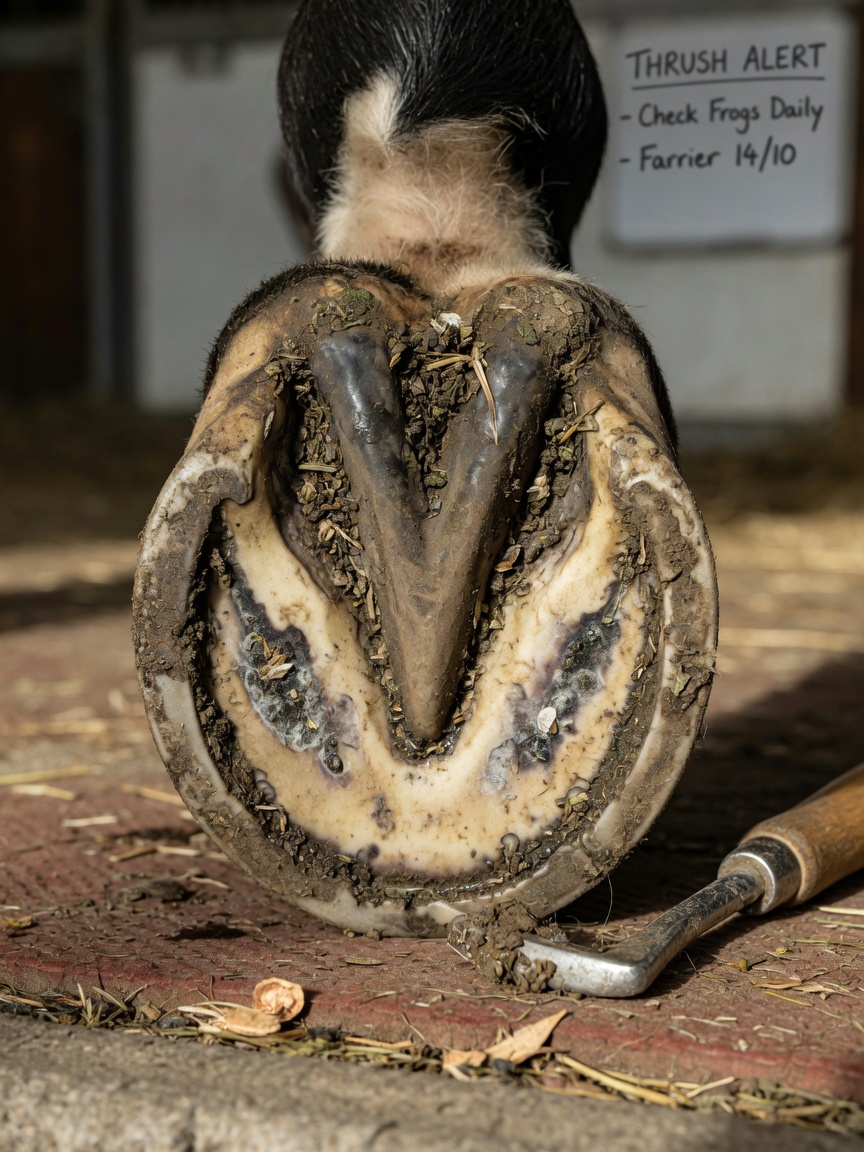
Horses' hooves are designed to be self-cleaning to some extent, but modern living conditions—such as stabled environments, muddy paddocks, and varied terrain—mean they require human intervention. A horse's hoof naturally collects dirt, stones, and debris in the frog (the V-shaped elastic structure on the underside of the hoof). When left uncleaned, this material can trap moisture, promoting bacterial and fungal growth. This can lead to thrush, a painful hoof infection that causes lameness and discomfort.
Regular cleaning also allows you to spot early signs of problems such as cracks, abscesses, bruising, or loose shoes before they become serious issues.
Essential Equipment You'll Need
Gathering the right tools makes hoof cleaning safer and more efficient:
- Hoof pick—the essential tool with a sharp point and brush
- Sturdy, level ground or non-slip flooring
- Optional: a hoof scraper or soft brush for stubborn debris
- Clean towel or rag
- A well-lit area to inspect the hoof properly
Step-by-Step Hoof Cleaning Technique
- Prepare your horse: Choose a calm moment when your horse is relaxed. Spend time grooming and bonding first to establish a peaceful atmosphere.
- Lift the hoof safely: Stand beside your horse, facing the same direction. Run your hand down the leg and gently squeeze the chestnut (the horny protrusion on the inside of the leg) to cue your horse to lift. Support the hoof at a comfortable height.
- Start with the frog: Use your hoof pick to carefully remove dirt and debris from the central groove and sides of the frog. Work from heel towards toe, using gentle, controlled pressure.
- Clean the sole: Pick away any packed earth or stones from the sole, working around the entire underside of the hoof.
- Inspect carefully: Once cleaned, examine the frog, sole, and walls for any abnormalities or signs of infection.
- Finish with the brush: Use the brush end of your hoof pick to remove fine dust and debris.
Best Practices and Safety Tips
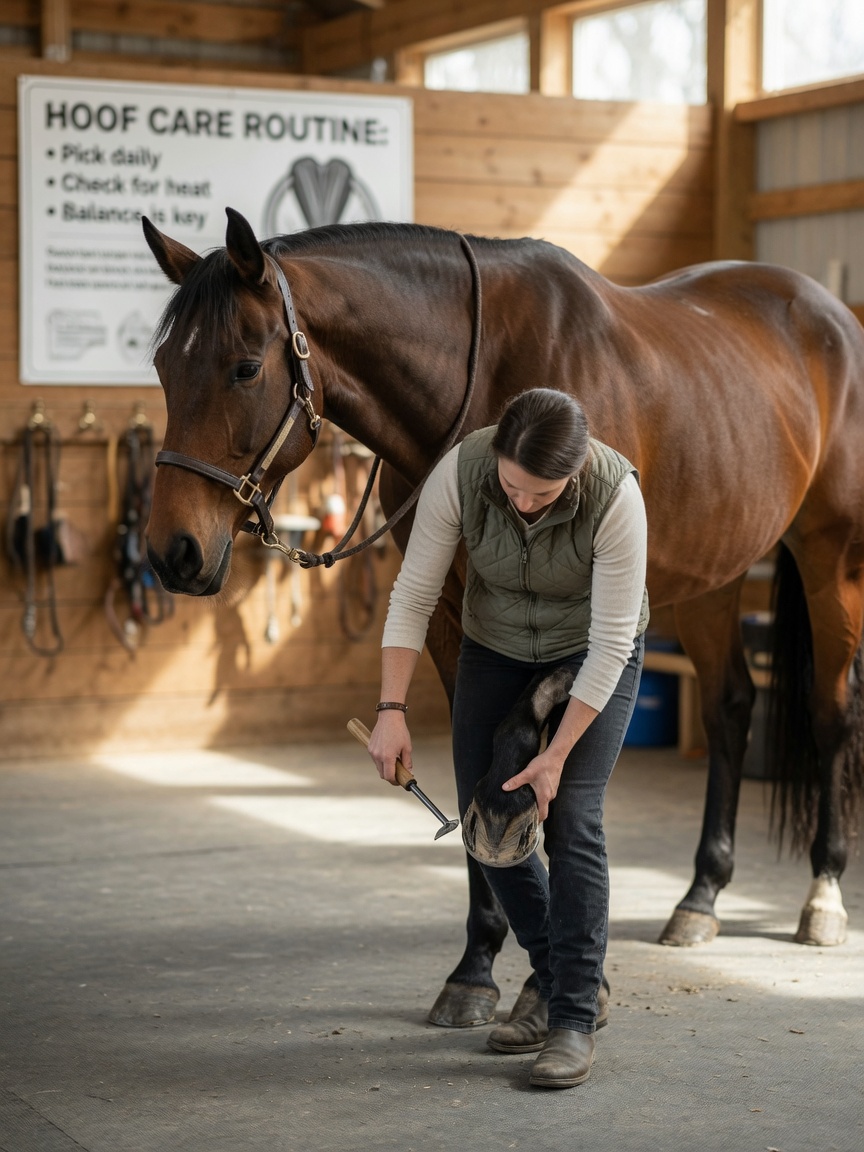
Always clean hooves on a level surface to maintain your balance and your horse's stability. Many horses develop a preference for a particular side, so approach from both sides regularly to desensitise them. Keep your hoof pick sharp and replace it if it becomes dull—a dull tool requires more pressure and increases injury risk.
Never strike the sensitive areas of the hoof, particularly the frog, with excessive force. If your horse is uncooperative, work slowly and reward patience with treats. A short, regular session is far more valuable than rushing through the job.
Frequency and Long-Term Care
Ideally, clean your horse's hooves daily, particularly if stabled. Even with good turnout, a quick daily inspection takes only minutes and pays enormous dividends. During wet weather or muddy seasons, you may need to clean more frequently.
Schedule regular trimming with a qualified farrier every 6–8 weeks to maintain proper hoof balance and health. Professional assessment catches problems early and ensures your horse's long-term soundness.
Key Takeaways
Regular hoof cleaning is preventative healthcare that protects your horse from serious infections and lameness. With proper technique, the right tools, and consistent daily practice, you'll develop an effective routine that keeps your horse healthy and content. Remember: healthy hooves equal a healthy, happy horse.