
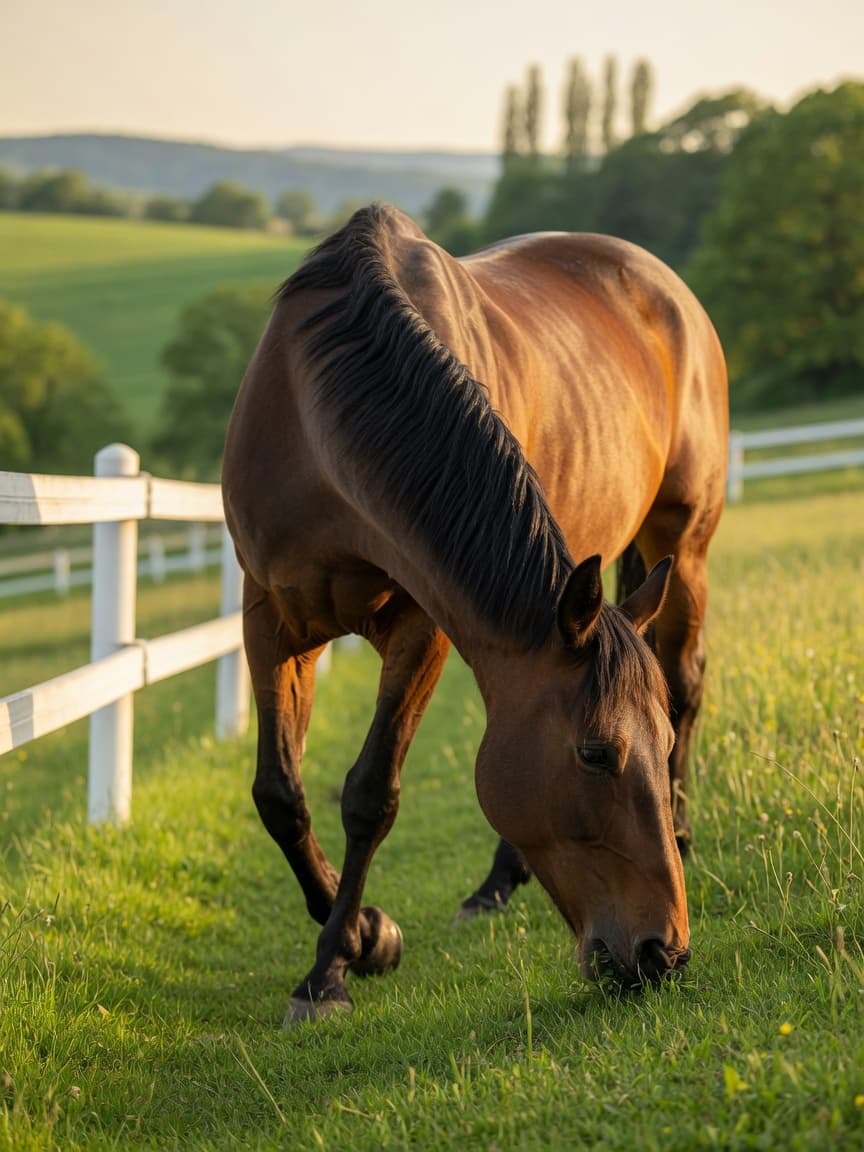
Many horse owners focus on stable management, feeding routines, and riding schedules, yet one of the most crucial aspects of equine wellbeing is often overlooked: regular turnout. Whether your horse spends time in a paddock, field, or arena, turnout is far more than just "letting the horse out." It's a fundamental requirement for physical health, mental wellbeing, and natural behaviour expression. Understanding why turnout matters—and how to optimise it—can transform your horse's quality of life and prevent numerous health issues.
Physical Health Benefits of Regular Turnout
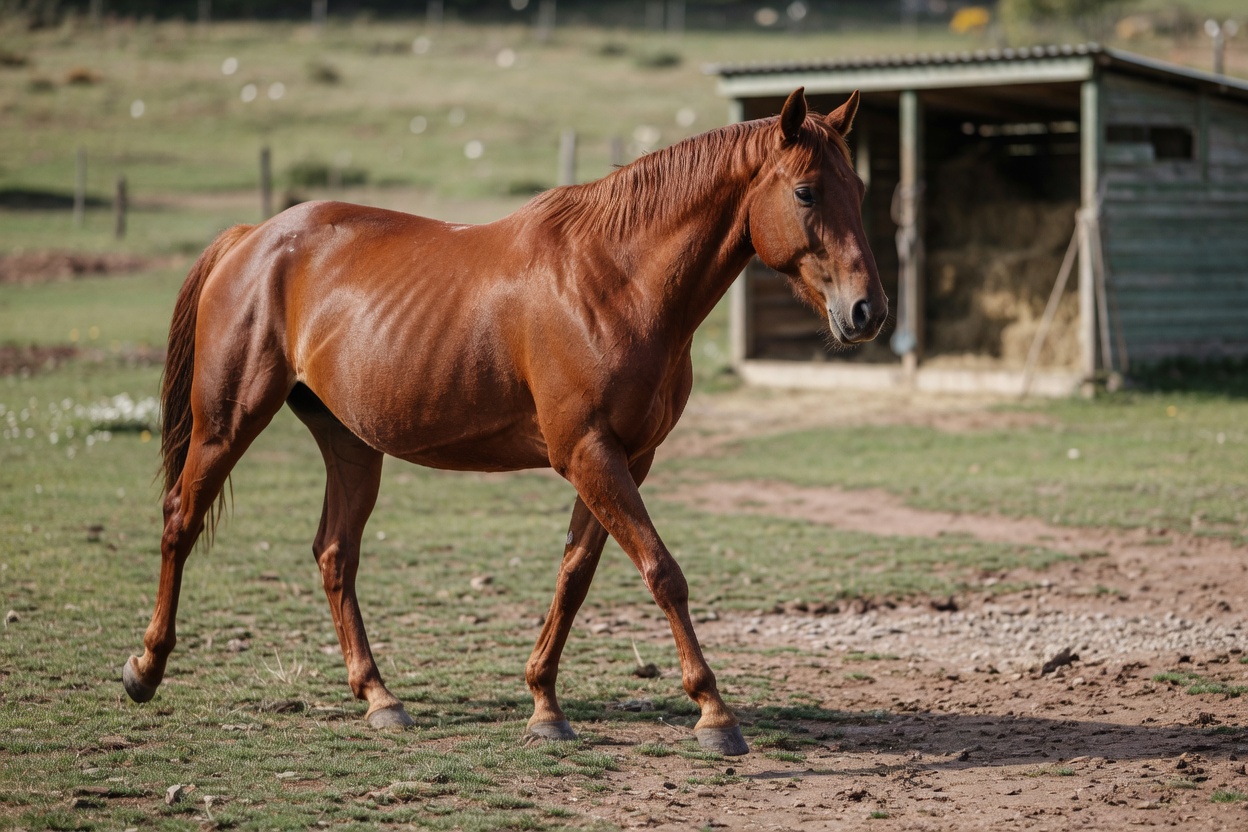
Turnout provides essential movement that stabled horses simply cannot achieve indoors. When horses have access to pasture or paddocks, they engage in natural grazing, walking, and spontaneous movement throughout the day. This continuous, low-intensity exercise strengthens cardiovascular health, maintains muscle tone, and improves bone density.
Regular turnout also supports digestive health. Horses are grazing animals designed to eat small amounts continuously throughout the day. Access to grass encourages this natural feeding pattern, promoting optimal digestive function and reducing the risk of colic—a leading cause of equine emergency visits. Additionally, the gentle movement during grazing aids intestinal motility.
Joint health is another significant benefit. Controlled movement during turnout helps maintain synovial fluid circulation in joints, which is essential for cartilage nutrition and flexibility. Horses confined to stables for extended periods often develop stiffness and are at greater risk of joint-related problems.
Mental Wellbeing and Behaviour
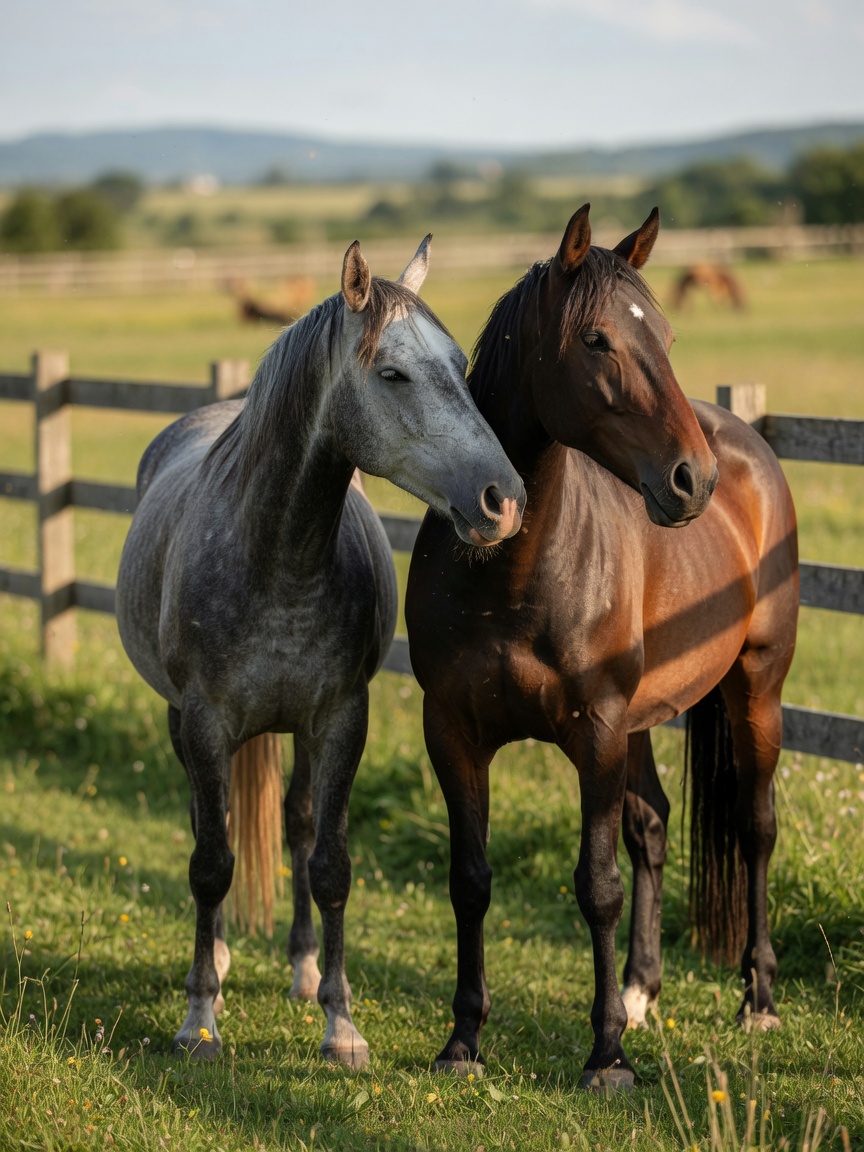
Horses are herd animals with complex social and psychological needs. Turnout with compatible companions provides essential social interaction, reducing stress and anxiety. Solitary confinement, even in well-designed stables, can lead to behavioural problems including:
- Weaving and box-walking (stereotypic behaviours)
- Increased reactivity and spookiness
- Aggression or unpredictable temperament
- Reduced rideability and performance
Horses with regular turnout demonstrate calmer temperaments, improved focus during ridden work, and better overall contentment. Access to outdoor space allows natural behaviours such as rolling, running, and mutual grooming—all important for psychological wellbeing.
Respiratory and Hoof Health
Turnout improves respiratory function significantly. Stabled horses are exposed to higher concentrations of dust, ammonia, and particulate matter, which can trigger or exacerbate conditions like recurrent airway obstruction (RAO). Fresh air exposure during turnout reduces these respiratory irritants and strengthens lung function.
Hoof health also benefits considerably from turnout. Movement on varied terrain naturally conditions hooves and maintains healthy horn growth. The pressure and movement during grazing promote circulation to the hoof, whilst varied surfaces provide natural hoof trimming and strengthening.
Optimal Turnout Recommendations
Whilst any turnout is better than none, best practices include:
- Frequency: Aim for daily turnout, ideally 24/7 or a minimum of 8-12 hours
- Duration: Longer periods are preferable to brief outings
- Companionship: Turnout with compatible companions whenever possible
- Space: Minimum 0.4 hectares per horse; larger is better
- Footing: Safe surfaces free from hazards; varied terrain is beneficial
- Shelter: Access to shade, shelter from rain, and protection from wind
Key Takeaways
Regular turnout is not a luxury—it's an essential component of responsible horse ownership. The investment in safe, well-managed turnout facilities pays dividends through improved physical health, mental wellbeing, and rideability. Your horse's quality of life, longevity, and performance all depend significantly on access to outdoor movement and social interaction. If current turnout arrangements are limited, work towards increasing access gradually and safely. Your horse will thank you with better health, a calmer temperament, and enhanced enjoyment of work.