
Understanding Canine Anxiety
Anxiety and stress-related behaviours are among the most common reasons dog owners seek supplementary support. Whether triggered by fireworks, thunderstorms, separation, travel, or broader generalised anxiety, these conditions genuinely affect dogs' quality of life — and the wellbeing of their owners. The market for calming supplements has grown substantially in response, offering a wide range of products making varying claims.
It is important to approach calming supplements with realistic expectations. For dogs with mild situational anxiety, some supplements may offer modest support. For dogs with moderate to severe anxiety, or those with entrenched behavioural problems, supplements are unlikely to be sufficient on their own. Behaviour modification with a qualified veterinary behaviourist, and in some cases prescription medication, will often be necessary. This guide provides an honest assessment of the most commonly available options.
L-Theanine: Moderate Evidence
L-theanine is an amino acid naturally found in green tea. It is thought to promote relaxation without sedation by influencing neurotransmitter activity, including increasing GABA and serotonin levels in the brain. In humans, there is reasonably good evidence for its calming effects, and it has been studied in dogs with some positive results.
In canine studies, L-theanine has shown modest but meaningful reductions in anxiety-related behaviours, including in response to thunder and fireworks. It is a component of several well-known veterinary calming products available in Europe. The evidence is not overwhelming, but it is among the more credible options in this category, particularly for situational anxiety rather than chronic generalised anxiety disorders.
L-theanine is generally well tolerated with a good safety profile in dogs at recommended doses. It is often found in combination products alongside other calming ingredients. Look for products that specify the quantity of L-theanine per dose rather than listing it within a generic "calming blend."
L-Tryptophan: Limited Evidence
L-tryptophan is an essential amino acid and a precursor to serotonin, the neurotransmitter associated with mood regulation and wellbeing. The theory is that supplementing with L-tryptophan may increase serotonin production and thereby reduce anxiety and stress responses in dogs.
The evidence for L-tryptophan as a standalone calming supplement in dogs is limited. Some studies have shown modest improvements in stress-related behaviours, while others have not demonstrated significant effects. The conversion of tryptophan to serotonin in the brain is a complex process influenced by many factors, and dietary supplementation does not reliably translate into increased brain serotonin in all individuals.
L-tryptophan is a common ingredient in combination calming products and is generally considered safe. However, owners should be aware that the evidence base for meaningful calming effects in dogs remains weak, and expectations should be managed accordingly.
Zylkene (Hydrolysed Milk Protein): Some Positive Studies
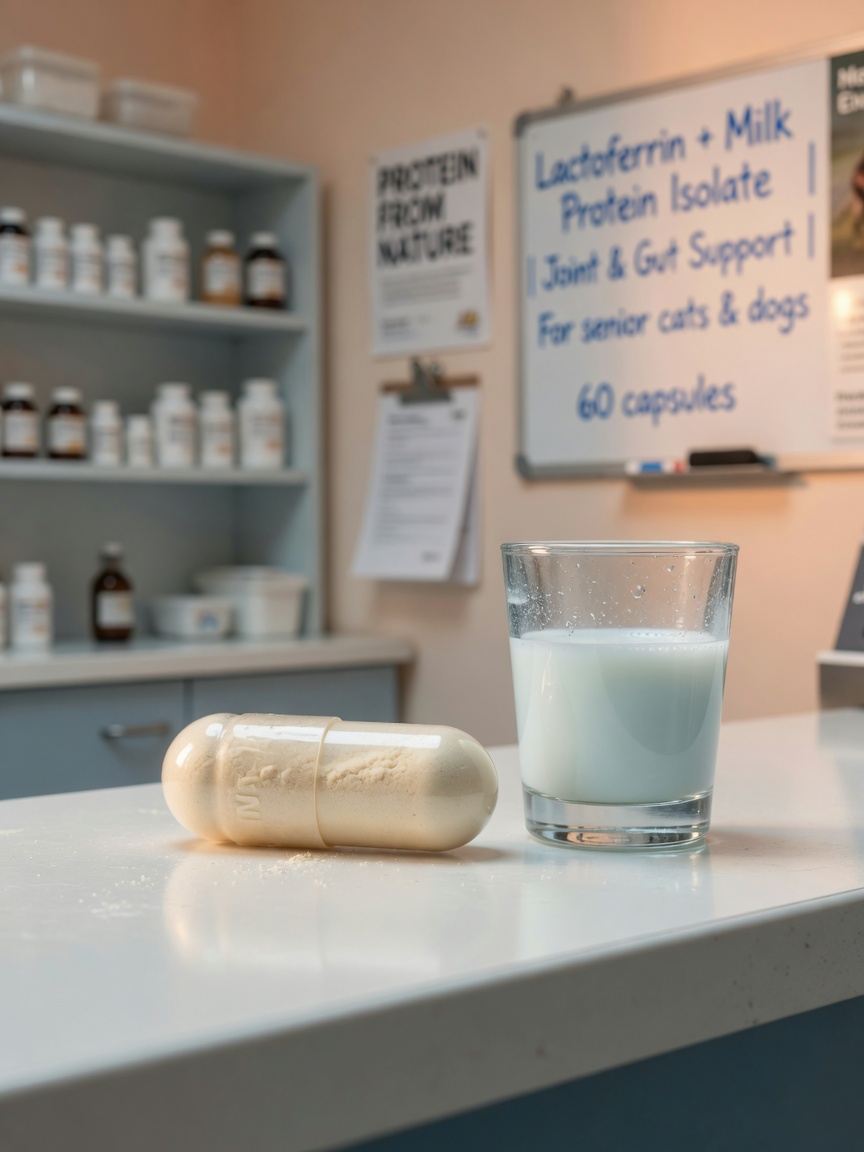
Zylkene is a branded supplement based on alpha-casozepine, a bioactive peptide derived from the hydrolysis of the milk protein casein. It was developed based on observations that the calming effect associated with nursing in mammals may relate to casein-derived peptides acting on GABA receptors in the brain.
Zylkene has a more substantial evidence base than many calming supplements. Several published studies in dogs have demonstrated positive effects on anxiety-related behaviours in response to stressors including travel, new environments, and fireworks. A comparative study published in the Journal of Veterinary Behaviour found that Zylkene performed comparably to selegiline (a prescription medication) in managing stress-related signs in dogs, which is notable for a non-prescription product.
Zylkene is widely available across Europe through veterinary practices and online pet retailers including Zooplus. It is generally well tolerated, though it is unsuitable for dogs with severe milk protein allergies. It comes in capsule form that can be opened and mixed with food, making administration straightforward for most dogs.
Melatonin: Situational Use, Limited Canine Data
Melatonin is a hormone produced by the pineal gland that regulates the sleep-wake cycle. It has been used in dogs as a calming supplement, particularly for anxiety associated with noise phobias and for sleep disturbances in older dogs. It may also be used to help reset circadian rhythms in dogs affected by cognitive dysfunction syndrome.
The evidence for melatonin specifically as a calming supplement in dogs is limited — most use in veterinary practice is based on clinical experience and extrapolation from human data rather than robust canine clinical trials. It is generally considered safe for dogs when used at appropriate doses and without potentially harmful additives. Importantly, many human melatonin products contain xylitol as a sweetener, which is highly toxic to dogs. Only use veterinary-formulated melatonin products or those confirmed to be free from xylitol and other harmful additives.
Melatonin is not a strong calming agent for acute anxiety events. It is more useful as a gentle aid for settling anxious dogs at night or in specific situational contexts, and should be used under veterinary guidance regarding appropriate timing and dose.
Valerian: Traditional Use, Weak Clinical Evidence
Valerian root has a long history of traditional use as a calming herb in both humans and animals. It is thought to influence GABA activity and promote relaxation. In dogs, valerian is a common ingredient in herbal calming products.
However, the clinical evidence for valerian's efficacy in dogs is weak. Most support comes from traditional use and anecdotal reports rather than controlled clinical studies. There is limited published research on optimal dosing, pharmacokinetics, or long-term safety specifically in dogs. Some dogs may respond to valerian-containing products, but it would be misleading to suggest this is reliably supported by current evidence. It is generally considered safe at typical supplement doses.
Combination Products
Many calming supplements available in Europe combine several of the above ingredients — for example, L-theanine with L-tryptophan, or valerian with ginger and hops. The rationale is that multiple ingredients acting via different pathways may produce a synergistic calming effect. While this is theoretically plausible, it also makes it harder to assess which component, if any, is responsible for any observed benefit. Combination products have not generally been subject to the same level of clinical scrutiny as single-ingredient products.
ADAPTIL Pheromones: Not a Supplement, but Worth Mentioning
ADAPTIL (dog appeasing pheromone, or DAP) is a synthetic analogue of the pheromone naturally produced by lactating female dogs. It is not a supplement but is frequently compared alongside calming supplements by dog owners. The evidence for ADAPTIL in reducing anxiety-related behaviours in dogs is moderate and generally more positive than for many supplements, particularly for situational stressors. It is available as a diffuser, collar, or spray, and can be used alongside calming supplements in a multi-modal approach.
What to Avoid
- Products containing xylitol: This artificial sweetener is toxic to dogs and is found in some human supplement products. Always check the full ingredient list.
- Human calming supplements: Many human anxiety supplements contain herbs or compounds that are not safe for dogs. Never assume a product safe for humans is safe for your dog.
- Products with exaggerated claims: No over-the-counter supplement can guarantee to eliminate anxiety. Be sceptical of products making strong claims without citing evidence.
When to Escalate to Professional Help
If your dog's anxiety is significantly affecting their quality of life or is persistent and severe, calming supplements are unlikely to be sufficient. Signs that warrant veterinary or specialist input include self-injurious behaviour, aggression linked to fear, inability to settle for extended periods, or phobias that are worsening over time.
A referral to a veterinary behaviourist — a vet with specialist training in animal behaviour — is appropriate for moderate to severe cases. They can offer behaviour modification programmes and, where necessary, prescription anxiolytic medications. Supplements may still have a supporting role alongside these interventions, but they are not a substitute for professional behavioural assessment and treatment.