
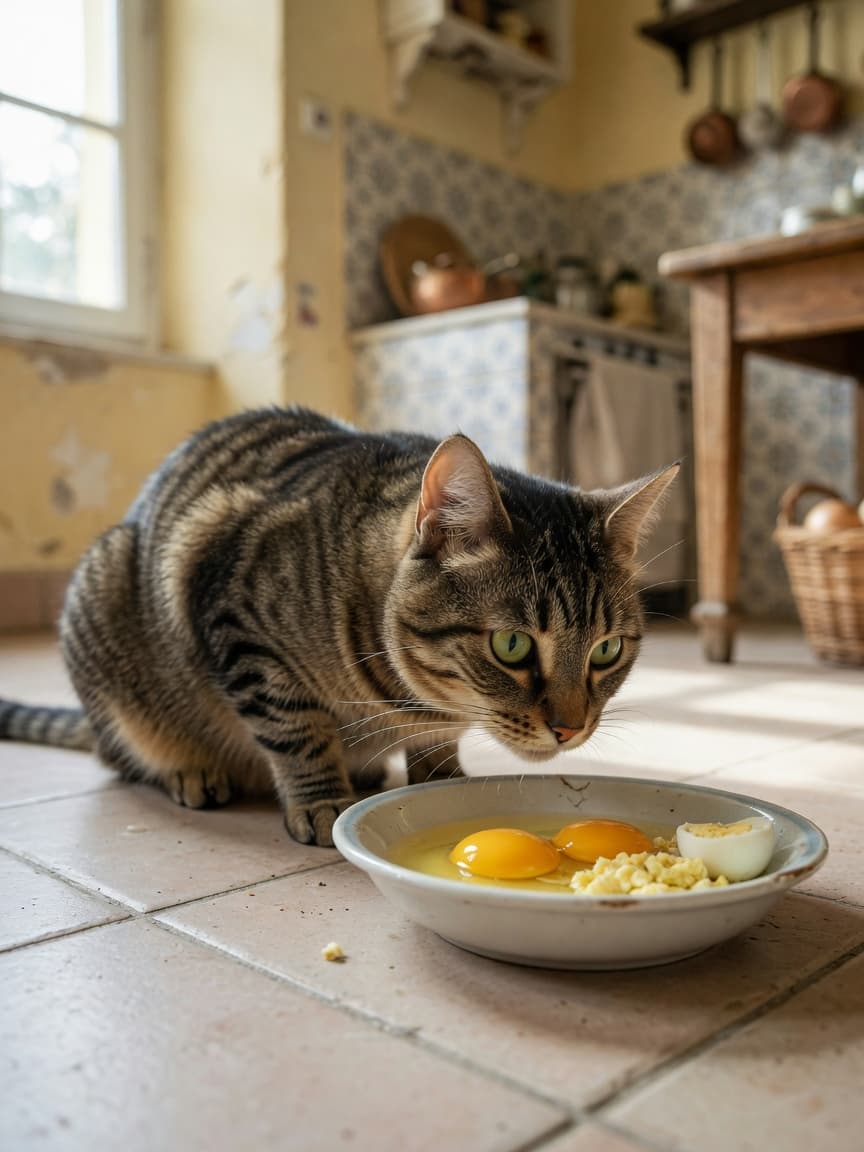
Eggs and Cats: What You Need to Know
If you have ever cracked open an egg for breakfast and noticed your cat watching with intense curiosity, you are not alone. Eggs are a staple in most kitchens, and it is only natural to wonder whether they are safe to share with your feline companion. The short answer is yes, cooked eggs can be a healthy occasional treat for cats — but the raw version is a different story entirely.
The Nutritional Case for Eggs
Eggs are one of the most complete protein sources available. They contain all the essential amino acids that cats need, including taurine, which is absolutely critical for feline heart health, vision, and reproduction. Cats are obligate carnivores, meaning they require nutrients found in animal tissue, and eggs fit squarely within that profile.
Beyond protein, eggs provide:
- B vitamins, particularly B12 and riboflavin, which support energy metabolism
- Vitamin D, which plays a role in calcium absorption and bone health
- Choline, which supports brain and liver function
- Selenium, an antioxidant mineral that helps protect cells from oxidative damage
- Healthy fats in the yolk, including omega-3 fatty acids
For a small animal with high metabolic demands, that is quite an impressive nutritional package. However, the way you prepare the egg makes an enormous difference to whether your cat actually benefits from it.
Why Raw Eggs Are Problematic
Raw eggs carry two significant risks that make them unsuitable for cats. The first is bacterial contamination. Raw eggs can harbour Salmonella and E. coli, both of which can cause serious gastrointestinal illness. While cats are often considered more resistant to some food-borne pathogens than humans, they are not immune, and a Salmonella infection can cause vomiting, diarrhoea, lethargy, and in severe cases, systemic illness requiring veterinary treatment.
The second concern is a protein found in raw egg whites called avidin. Avidin binds strongly to biotin, a B vitamin that cats need for healthy skin, coat, and cell growth. When cats consume raw egg whites regularly, avidin prevents biotin from being absorbed properly, which can lead to biotin deficiency over time. Symptoms include hair loss, skin irritation, and lethargy.
Cooking denatures avidin, rendering it inactive. Once an egg has been cooked, the biotin-blocking effect is eliminated entirely. This is one of the clearest cases where cooking genuinely makes a food safer rather than simply more palatable.
Cooked Eggs: The Safe Option
Scrambled, boiled, or poached eggs without any added salt, butter, oil, or seasoning are the safest way to offer egg to your cat. Plain is the operative word here. Many of the ingredients humans add to eggs — onion, garlic, chives, excessive salt — are toxic to cats, so preparation must be kept simple.
Hard-boiled eggs are particularly convenient because they are easy to portion and do not require any added fat during cooking. A small amount of egg white or yolk, roughly a teaspoon to a tablespoon depending on your cat's size, is plenty as an occasional treat. There is no need to make it a daily addition to the bowl.
How Much Egg Is Appropriate?
Eggs should be viewed as a supplement or treat rather than a primary food source. Even though they are nutritionally dense, they do not provide the complete and balanced profile that commercially prepared cat foods are formulated to deliver. Relying on eggs as a main protein source could result in nutritional imbalances over time.
A sensible guideline is to keep egg treats to no more than once or twice a week, and to ensure that egg calories do not exceed ten percent of your cat's total daily caloric intake. For most domestic cats, that translates to roughly a quarter of a large egg at most. Overfeeding eggs can contribute to weight gain, particularly because of the fat content in the yolk.
Which Cats Should Avoid Eggs Altogether
Most healthy adult cats can enjoy small amounts of cooked egg without issue, but there are exceptions. Cats with chronic kidney disease may need to moderate their protein intake, and adding extra protein from eggs could place additional strain on compromised kidneys. Always consult your vet before introducing new foods to a cat with an existing health condition.
Cats with known food sensitivities or allergies should also approach new foods with caution. Although egg allergies are not common in cats, any new food can trigger a reaction in sensitive individuals. Introduce small amounts and monitor for signs of digestive upset or skin changes before making it a regular treat.
Watching for Digestive Reactions
Even when eggs are prepared correctly, some cats simply do not tolerate them well. Digestive systems vary from cat to cat, and a food that agrees perfectly with one may cause loose stools or vomiting in another. When introducing egg for the first time, start with a very small amount and observe your cat for twenty-four to forty-eight hours before offering more.
Signs of a problem include vomiting, diarrhoea, excessive gas, or a sudden lack of appetite. If any of these occur, remove egg from the diet and speak to your veterinarian.
The Bottom Line on Eggs for Cats
Cooked eggs, prepared plainly and offered in modest amounts, can be a nutritious and protein-rich treat for most cats. They provide valuable amino acids, vitamins, and healthy fats that complement a cat's obligate carnivore biology. Raw eggs, on the other hand, present genuine risks through bacterial contamination and biotin interference, and should be avoided entirely. If your cat enjoys the occasional bite of scrambled egg, there is no reason to deny them that pleasure — just keep it simple, keep it cooked, and keep portions small.