
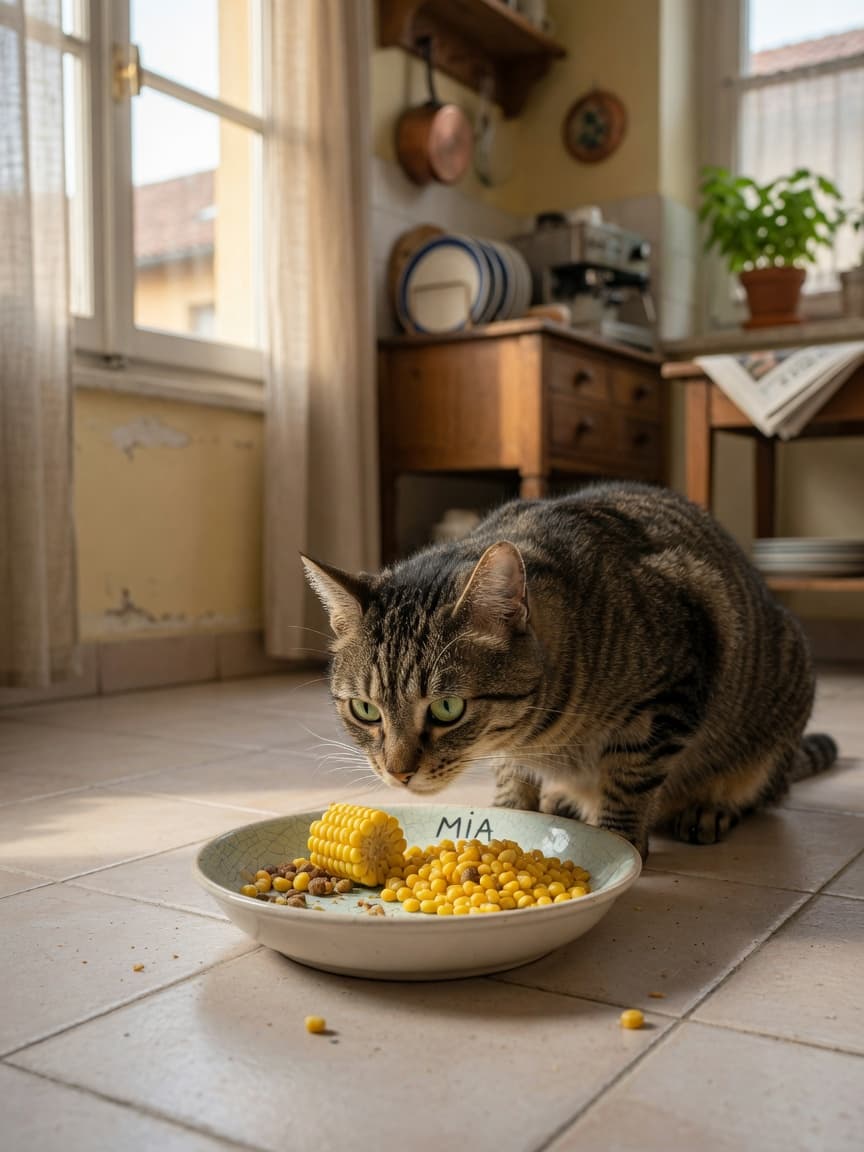
If you've ever noticed your cat eyeing your plate at dinner time, you might have wondered what human foods are actually safe for them to enjoy. Corn is one of those everyday foods that often sparks questions from cat owners. The short answer? Yes, cats can eat corn in moderation, but there are important caveats you should understand before offering it to your feline friend. Let's explore what veterinary science tells us about this common ingredient and whether it belongs in your cat's diet.
Is Corn Safe for Cats?
Corn itself is not toxic to cats, which is the good news. Unlike some foods that pose genuine health risks, plain, cooked corn kernels won't cause immediate harm to your cat. However, this doesn't automatically make it a nutritious choice for your pet. Cats are obligate carnivores, meaning they've evolved to thrive primarily on animal-based proteins rather than plant-based foods. Their digestive systems are optimised for processing meat, not grains.
Understanding Your Cat's Nutritional Needs
To make informed decisions about what to feed your cat, it's essential to understand their fundamental dietary requirements. Unlike humans or even dogs, cats cannot synthesise certain amino acids and vitamins from plant sources. They require:
- High-quality animal protein (essential for muscle maintenance and bodily functions)
- Taurine (an amino acid crucial for heart and eye health)
- Vitamin A in its active form (found naturally in animal tissue)
- Arachidonic acid (an essential fatty acid only available from animal sources)
Corn, whilst containing some nutrients, doesn't provide these essential elements in forms your cat can efficiently use. In fact, it's primarily carbohydrates, which cats have little nutritional need for.
The Risks Associated with Corn
Beyond the lack of nutritional benefit, there are several reasons veterinarians recommend caution with corn:
- Digestive concerns: Cats lack the necessary enzymes to break down corn efficiently, potentially leading to digestive upset or loose stools
- Allergies: Corn is a common allergen in commercial cat foods and can trigger itching, skin issues, or gastrointestinal problems in sensitive cats
- Weight management: Regular corn consumption can contribute to unnecessary calories and weight gain
- Choking hazard: Whole kernels, especially if not properly cooked, can pose a choking risk to some cats
How to Safely Offer Corn (If You Must)
If your cat has shown a strong interest in corn or you'd like to offer it as an occasional treat, follow these guidelines to minimise potential problems:
- Only offer plain, cooked corn kernels (never canned corn with salt or seasonings)
- Remove kernels from the cob entirely to prevent choking or intestinal blockage
- Offer only small amounts—a few kernels, not a full serving
- Introduce it gradually to monitor for digestive upset or allergic reactions
- Never make it a regular part of their diet
Better Alternatives for Treats
Rather than offering corn, consider these cat-appropriate treats that align better with their nutritional needs:
- Small amounts of cooked chicken or turkey (unseasoned)
- Plain, cooked fish such as salmon or tuna
- Commercial cat treats formulated for feline nutrition
- Pumpkin puree (excellent for digestive health)
Key Takeaways
Whilst corn won't poison your cat, it offers minimal nutritional value and potential digestive risks. As an obligate carnivore, your cat's health thrives when their diet focuses on high-quality animal proteins rather than grains or vegetables. If your cat shows curiosity towards corn, a tiny taste won't cause harm, but regular consumption isn't recommended. When selecting treats or supplementary foods, always prioritise options that support your cat's unique biological needs. When in doubt about any food, consult your veterinarian—they know your individual cat's health status and can provide personalised dietary advice.