
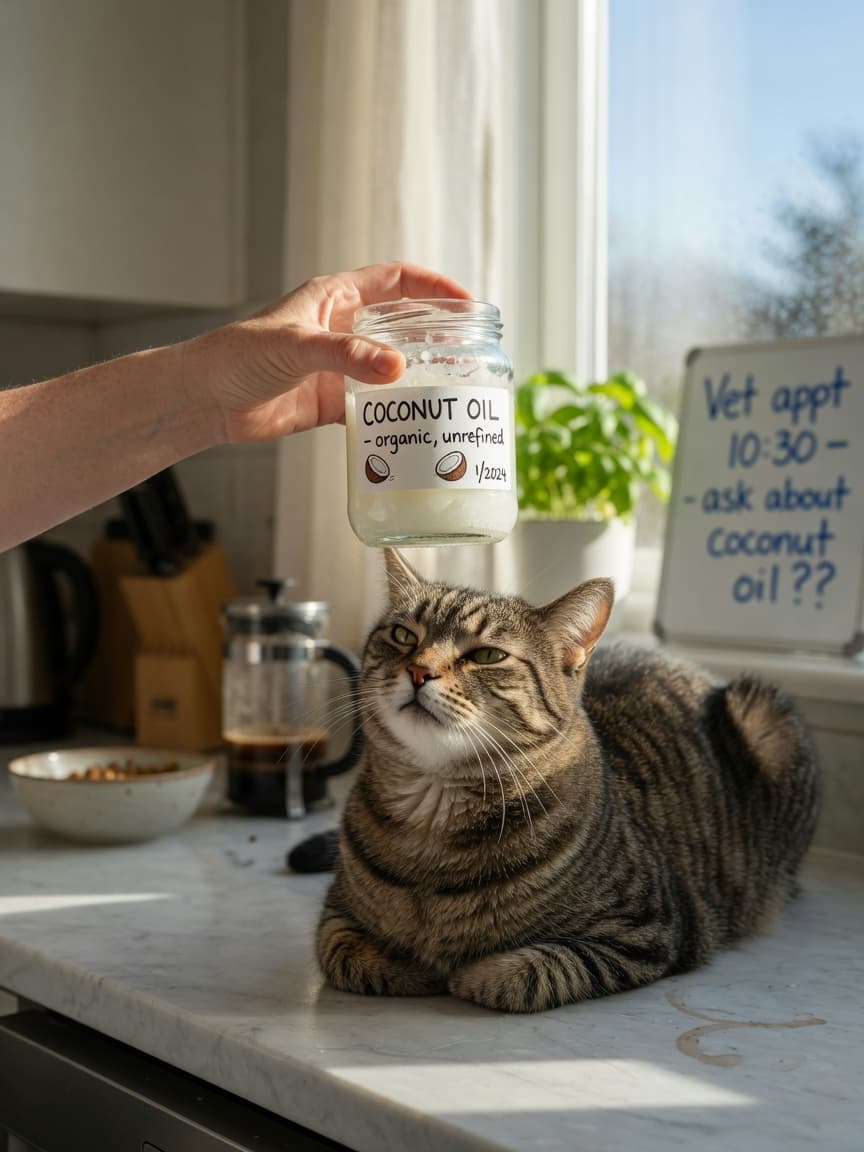
Coconut oil has become a popular wellness product for pet owners across Europe, with many enthusiasts touting its benefits for both human and animal health. However, when it comes to our feline companions, the question of whether coconut oil is truly safe and beneficial requires a closer look at the scientific evidence. As a nutritionist who regularly advises cat owners, I've seen the confusion surrounding this topic firsthand. Let's explore what you need to know before adding coconut oil to your cat's diet or grooming routine.
Understanding Feline Digestive Systems
Cats have fundamentally different digestive systems compared to dogs and humans. They are obligate carnivores, meaning their bodies are designed primarily to digest meat-based proteins. Their digestive tract is shorter and more acidic, optimised for processing animal tissues rather than plant-based fats.
Coconut oil is a plant-based fat that contains medium-chain triglycerides (MCTs). Whilst MCTs can be beneficial for some species, cats lack certain enzymes that efficiently break down and utilise plant oils. This means coconut oil sits uncomfortably in their digestive system and offers little nutritional benefit.
Potential Health Risks
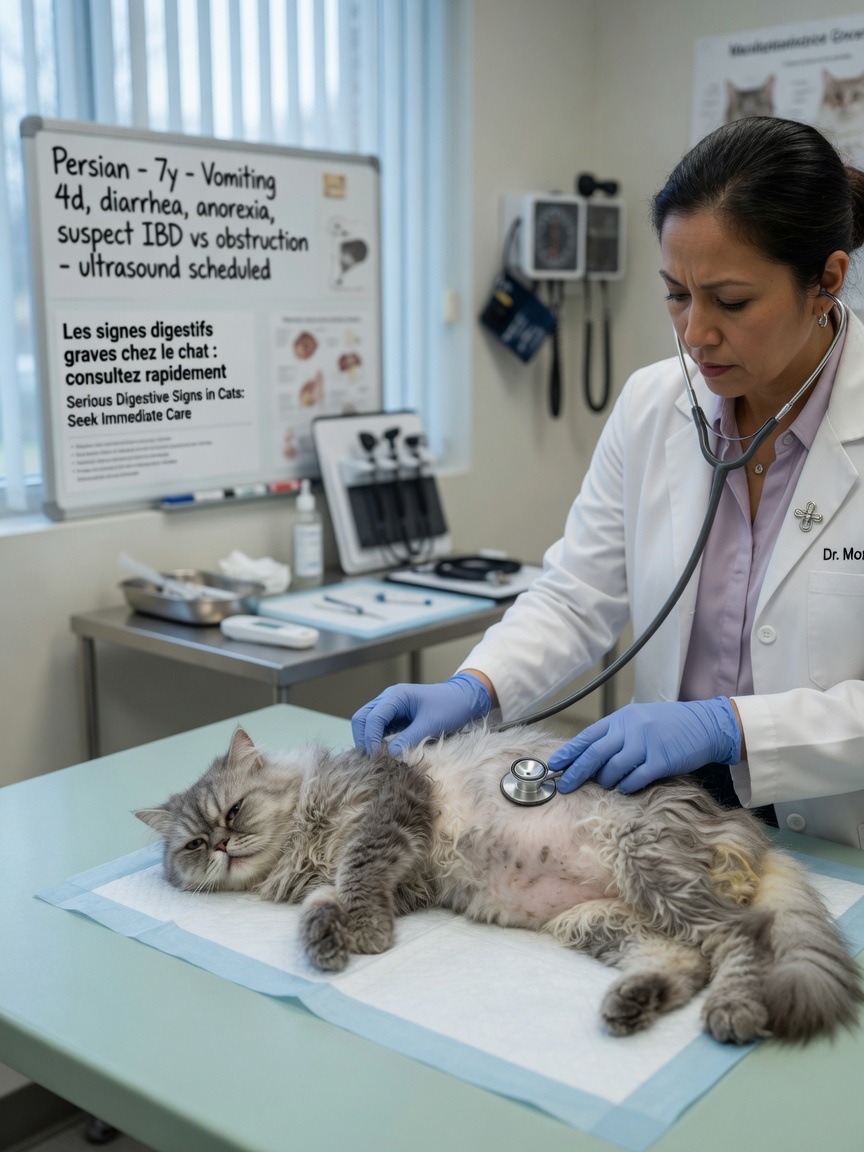
Several concerns arise when considering coconut oil for cats:
- Digestive upset: Coconut oil can cause diarrhoea, vomiting, and stomach discomfort in cats, particularly if introduced suddenly or in large quantities
- Pancreatitis risk: High-fat foods and oils can trigger pancreatitis in susceptible cats, a serious and painful condition
- Nutrient imbalance: Coconut oil contains no essential amino acids that cats require, and consuming it may reduce their appetite for balanced, species-appropriate meals
- Allergic reactions: Some cats may experience skin reactions or itching when coconut oil is applied topically
- Weight gain: Coconut oil is calorie-dense (approximately 120 calories per tablespoon), potentially contributing to obesity in indoor cats
Topical Application Concerns
Even applying coconut oil directly to your cat's skin or coat requires caution. Cats spend considerable time grooming themselves, meaning they will inevitably ingest any substance applied to their fur. Additionally, coconut oil can clog pores and trap heat against the skin, which is problematic for animals that cannot regulate temperature through sweating.
If your cat has dry skin or coat issues, a veterinary-recommended, species-appropriate solution is far safer and more effective than home remedies.
When Cats Might Need Fatty Acids
Cats do require essential fatty acids—specifically arachidonic acid and the omega-3 fatty acid EPA—but these should come from animal sources such as fish oil supplements or high-quality commercial cat foods. If your cat has skin or coat concerns, consult your vet about appropriate supplements formulated specifically for feline health.
Safe Alternatives for Cat Wellness
Rather than experimenting with coconut oil, consider these proven approaches to supporting your cat's health:
- Feed a high-quality, complete commercial cat food that meets AAFCO or FEDIAF standards
- Provide fresh, clean water at all times
- Incorporate vet-approved supplements designed for cats, such as fish oil or specific skin-supporting formulations
- Maintain regular veterinary check-ups to catch health issues early
- Use grooming as bonding time rather than relying on topical treatments
Key Takeaways
Whilst coconut oil is generally recognised as safe for human consumption, the same cannot be confidently said for cats. Their unique physiology means they lack the ability to benefit from coconut oil whilst facing genuine risks of digestive upset and nutritional imbalance. As a cat owner, your best approach is to stick with evidence-based nutrition and speak with your veterinarian before introducing any new substances to your cat's routine. Your feline friend's health is far too important to gamble on trendy wellness products designed for species other than their own.