
Why Is My Dog Vomiting? When to Worry
Updated: June 2026
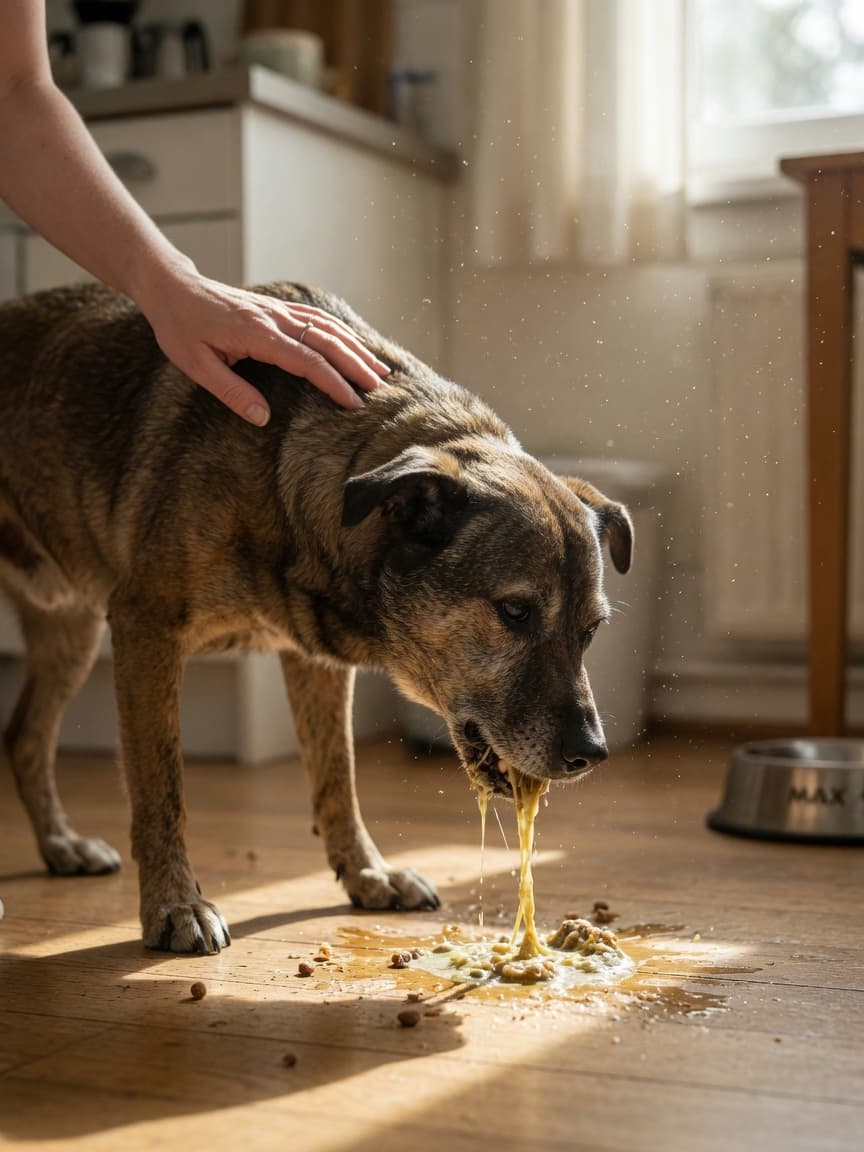
Watching your dog vomit is never pleasant, and it's natural to wonder whether you're dealing with a minor stomach upset or something more serious. The truth is that vomiting is one of the most common reasons dogs visit the vet, and causes range from the completely harmless to the life-threatening. Understanding the difference could save your dog's life.
1. Dietary Indiscretion (Eating Something They Shouldn't)
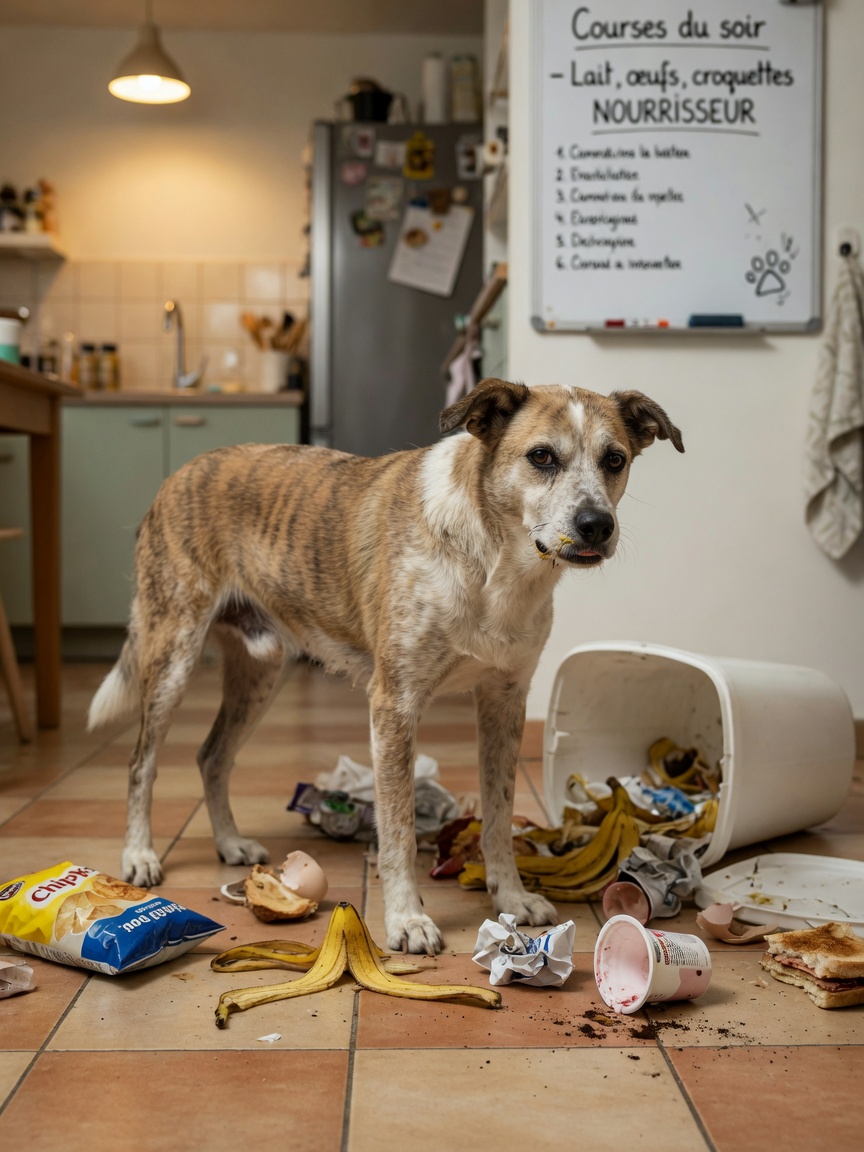
The most frequent cause of dog vomiting is simply eating something inappropriate — garbage, grass, spoiled food, or a foreign object. Dogs are famously indiscriminate eaters, and their gastrointestinal system often reacts by ejecting the offending material. This type of vomiting typically occurs once or twice and resolves quickly without treatment. The dog remains alert, playful, and interested in food shortly afterward. While usually benign, repeatedly raiding the trash can expose your dog to toxins, mold, and bacterial pathogens, so prevention is important.
2. Eating Too Fast
Dogs that gulp their food rapidly swallow large amounts of air along with their meal, which can trigger immediate regurgitation — often before the food even reaches the stomach. This is technically regurgitation rather than vomiting (the food comes back up undigested), but owners often describe it as vomiting. It's more common in deep-chested breeds and in multi-dog households where competition for food is high. Slow-feeder bowls, puzzle feeders, or dividing meals into smaller portions throughout the day can dramatically reduce this problem. Eating too fast is also a risk factor for the life-threatening condition known as bloat (GDV — see below).
3. Food Intolerance or Sudden Diet Change
A dog's digestive system is sensitive to rapid changes in diet. Switching food brands abruptly, introducing rich or fatty table scraps, or feeding a food that doesn't agree with your dog's system can all cause vomiting and diarrhea. Food intolerances differ from food allergies — they cause digestive symptoms rather than immune-mediated reactions. If you need to change your dog's diet, do so gradually over 7–10 days, mixing increasing amounts of the new food with decreasing amounts of the old. Dairy products, fatty meats, and spicy foods are common culprits.
4. Intestinal Parasites
Roundworms, hookworms, whipworms, and giardia can all cause vomiting, especially in puppies or dogs that spend time outdoors or in contact with other animals. Vomiting associated with parasites is often accompanied by diarrhea, weight loss, a pot-bellied appearance, and visible worms or worm segments in the vomit or feces. Regular fecal exams (at least annually) and year-round deworming prevention are essential, particularly for outdoor dogs. Puppies should be dewormed beginning at two weeks of age as part of their standard health protocol.
5. Parvovirus
Canine parvovirus is a highly contagious and potentially fatal disease, particularly in unvaccinated puppies between 6 weeks and 6 months of age. Parvo causes severe, often bloody vomiting combined with hemorrhagic diarrhea, lethargy, fever, and rapid dehydration. The virus attacks the intestinal lining and immune system simultaneously, making it extremely dangerous. If you have an unvaccinated or incompletely vaccinated puppy who is vomiting and has bloody diarrhea, treat this as an emergency — parvo can be fatal within 48–72 hours without aggressive veterinary treatment.
6. Toxin Ingestion

Numerous household substances are toxic to dogs and can trigger vomiting as the body attempts to expel the poison. Common culprits include xylitol (found in sugar-free gum and some peanut butters), grapes and raisins, onions, garlic, chocolate, rodenticides, certain plants (sago palm, lilies), and human medications such as ibuprofen or acetaminophen. If you know or suspect your dog has ingested a toxin, contact the ASPCA Animal Poison Control Center (888-426-4435) or your emergency vet immediately — do not wait for symptoms to worsen.
7. Pancreatitis
The pancreas produces enzymes that help digest food, but when it becomes inflamed, those enzymes can begin digesting the pancreas itself. Pancreatitis is often triggered by a high-fat meal — think holiday table scraps or getting into the trash. Symptoms include repeated vomiting, severe abdominal pain (dogs may adopt a "prayer position" with the front legs extended and rear end raised), loss of appetite, and lethargy. Pancreatitis ranges from mild to life-threatening and always requires veterinary evaluation. Dogs with chronic pancreatitis need a permanently low-fat diet.
8. Gastrointestinal Obstruction
Dogs that swallow socks, bones, toys, or other foreign objects can develop a partial or complete blockage of the stomach or intestines. Obstruction causes persistent vomiting (often immediately after eating or drinking), abdominal pain, bloating, and inability to defecate. This is a surgical emergency — an untreated obstruction can cause the bowel to rupture within 24–48 hours, leading to peritonitis and death. Breeds known for swallowing objects include Labrador Retrievers, Golden Retrievers, and Bulldogs.
9. Kidney or Liver Disease
Chronic vomiting — particularly in older dogs — can signal underlying organ disease. The kidneys filter waste products from the blood, and when they fail, those toxins accumulate and cause nausea and vomiting. Similarly, liver disease impairs the body's ability to process toxins, leading to persistent nausea. Both conditions are typically accompanied by increased thirst and urination, weight loss, changes in appetite, and lethargy. Blood and urine tests are essential for diagnosis and should be part of every senior dog's annual wellness exam.
When to See Your Vet Immediately
- Blood in the vomit (bright red or dark, coffee-ground appearance)
- Distended or hard abdomen (possible bloat/GDV — a true emergency)
- Vomiting continuously or more than 3–4 times in a few hours
- Extreme lethargy, weakness, or collapse
- Known or suspected toxin ingestion
- Vomiting in an unvaccinated or incompletely vaccinated puppy
- No improvement after 24 hours or worsening symptoms
- Vomiting combined with inability to urinate or defecate
Key Takeaways
- A single vomiting episode in an otherwise healthy, alert dog is usually not an emergency.
- Dietary indiscretion is the most common cause — keep the trash secured and supervise outdoor time.
- Blood in vomit, bloating, continuous vomiting, or extreme lethargy require immediate veterinary care.
- Unvaccinated puppies vomiting should be seen by a vet as soon as possible due to parvovirus risk.
- If toxin ingestion is suspected, call poison control or an emergency vet — don't wait for worsening symptoms.
- Chronic or recurrent vomiting in older dogs warrants blood and urine testing to rule out organ disease.
References
- Marks SL, Rankin SC, Byrne BA, Weese JS. Enteropathogenic bacteria in dogs and cats: diagnosis, epidemiology, treatment, and control. J Vet Intern Med. 2011;25(6):1195–1208. PMID: 21985166
- Twedt DC. Vomiting: a clinical approach. Vet Clin North Am Small Anim Pract. 1983;13(3):503–520. PMID: 6351777