
Giardia in Dogs: Contagious, Treatable & Often Missed
By Julia Wrenfield, Pet Wellness Researcher
Giardia cysts can survive in cold water for months. Puddles, streams, ponds, and communal water bowls in parks or kennels can all be sources of infection. Dogs that drink from outdoor water sources or swim frequently are at significantly higher risk. Never let your dog drink from stagnant or unknown water sources.
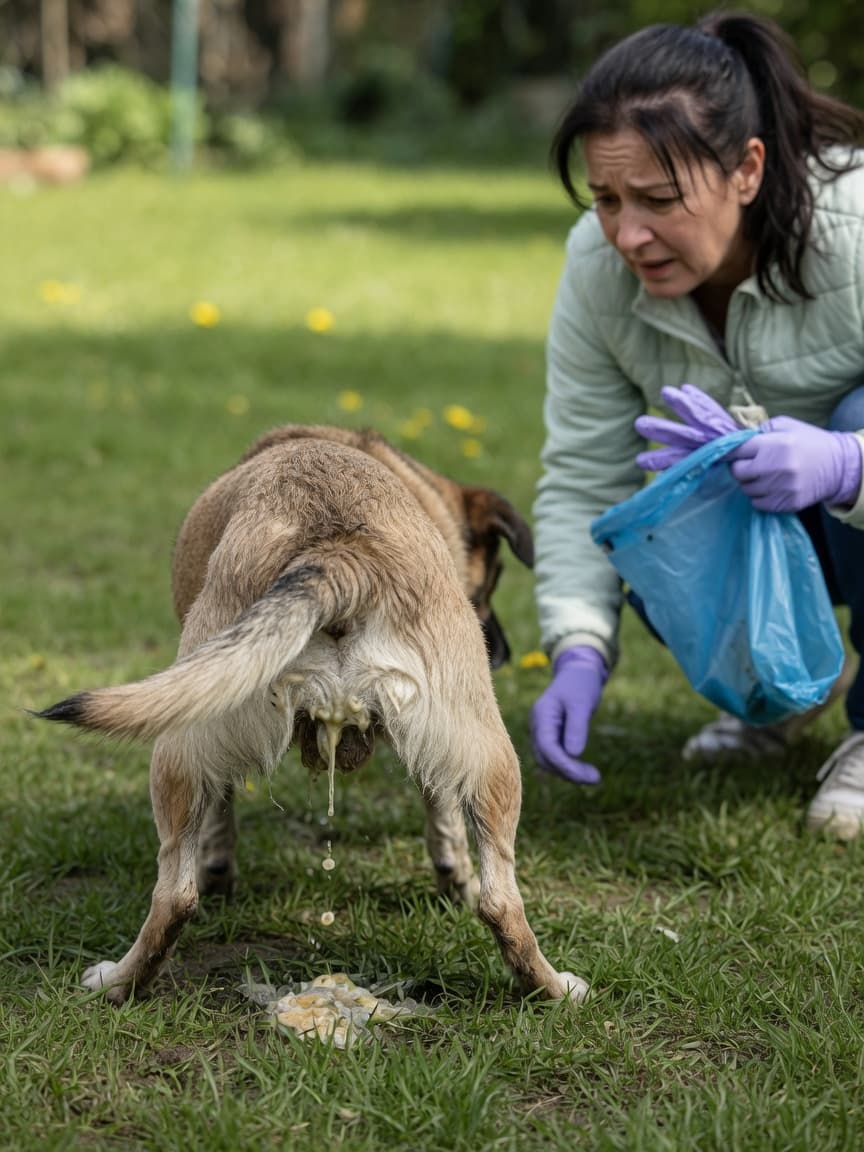
Giardia is one of the most commonly misdiagnosed parasites in dogs. Its primary symptom — watery diarrhoea — overlaps with dozens of other conditions, from dietary indiscretion to bacterial infections. This means many dogs with giardia are treated for the wrong thing, while the parasite quietly persists and potentially spreads. Understanding giardia — what it is, how it spreads, and how it is correctly diagnosed — is essential for any dog owner dealing with persistent digestive problems.
What Is Giardia?
Giardia duodenalis (also known as G. intestinalis or G. lamblia) is a microscopic protozoan parasite — not a worm, bacterium, or virus. It exists in two forms: the active trophozoite, which attaches to the lining of the small intestine and interferes with nutrient absorption, and the dormant cyst, which is shed in faeces and survives in the environment. Cysts are robust — they can withstand chlorination at normal municipal water treatment levels, survive in soil for weeks, and remain infectious in cold water for months.
Infection occurs when a dog ingests cysts from contaminated water, soil, or faeces — either directly, through grooming, or by sniffing infected surfaces. The incubation period is one to three weeks, after which the trophozoite stage takes hold in the small intestine.
Symptoms: What to Look For
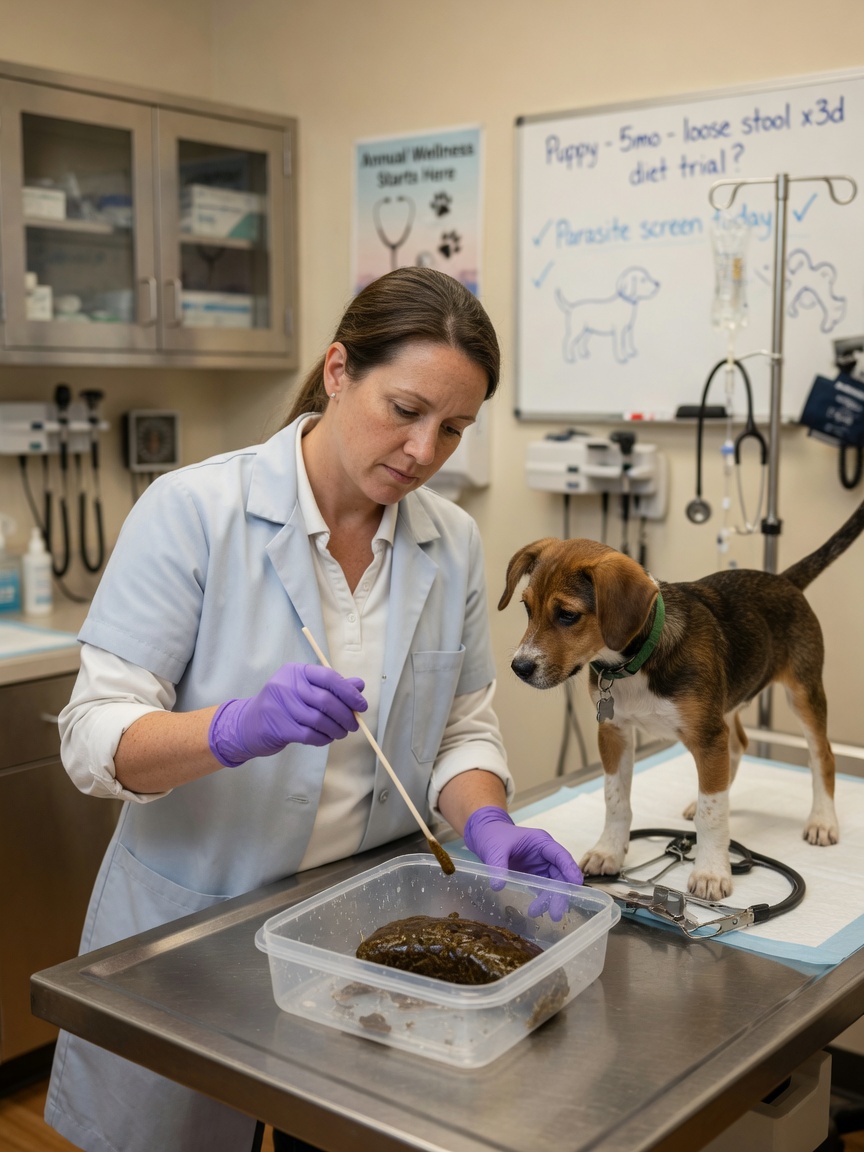
The hallmark symptom of giardia is watery or greasy, pale-coloured diarrhoea that may come and go over days or weeks. Unlike bloody diarrhoea associated with haemorrhagic conditions, giardia diarrhoea tends to be soft, foul-smelling, and sometimes described as "cow-pat" in consistency. It may have a pale, yellowish colour due to impaired fat digestion.
What makes giardia particularly tricky is that many infected dogs — especially adults — show intermittent symptoms or none at all. They remain carriers, shedding cysts into the environment and infecting other dogs and potentially humans, without appearing obviously unwell. Puppies, senior dogs, and immunocompromised animals are most likely to show clinical signs. Weight loss, poor coat quality, and persistent soft stools in a dog that seems otherwise well should prompt a giardia test.
Why Is Giardia So Often Misdiagnosed?
Several factors contribute to frequent misdiagnosis. First, cysts are shed intermittently, meaning a single faecal test may come back negative even in an infected dog. Veterinary guidelines recommend testing multiple samples collected on different days for accurate diagnosis. Second, standard faecal flotation tests — the most common in-clinic method — are less sensitive for giardia than for roundworm or tapeworm eggs. An ELISA antigen test or direct immunofluorescence assay is significantly more accurate.
Third, many vets and owners initially attribute watery diarrhoea to dietary causes, stress, or a "sensitive stomach," particularly if the diarrhoea is intermittent and the dog appears otherwise healthy. This delays diagnosis and allows the infection to persist and spread.
Treatment

The most commonly used treatment for giardia in dogs is metronidazole (Flagyl), typically given for five to seven days. It is effective against the trophozoite stage and resolves most infections, though some cases require a second course or combination treatment. Fenbendazole (Panacur) is often used as an alternative or alongside metronidazole — the combination therapy tends to produce better clearance rates than either drug alone.
During and after treatment, environmental decontamination is essential. Giardia cysts on the coat can cause reinfection if the dog is not bathed. Bedding, food bowls, and any surfaces the dog contacts should be cleaned with quaternary ammonium disinfectant or steam cleaned, as most household disinfectants are ineffective against cysts.
Support gut recovery with probiotic supplements for dogs — browse options on ZooplusProbiotics and Gut Recovery
Giardia disrupts the intestinal microbiome significantly, and metronidazole — while effective — is a broad-spectrum antibiotic that further depletes gut bacteria. Probiotic supplementation with strains such as Lactobacillus acidophilus, Bifidobacterium animalis, or Enterococcus faecium during and after treatment can help restore normal gut flora and reduce the duration and severity of diarrhoea. A bland diet during treatment also eases gut inflammation.
Can Humans Get Giardia from Dogs?
This is a nuanced question. Giardia duodenalis infects both humans and dogs, but it comprises multiple sub-types called assemblages. Assemblages A and B infect humans; most dog infections are assemblages C and D, which rarely infect humans. However, assemblages A and B do occasionally occur in dogs, and cross-species transmission — while uncommon — is possible. People with weakened immune systems, the elderly, and young children should exercise particular care around dogs with active giardia infections, washing hands thoroughly after any contact.
Key Takeaways
- Giardia is a microscopic protozoan spread through contaminated water and faeces — a very common but frequently missed diagnosis.
- Watery, pale, foul-smelling diarrhoea is the primary symptom, but many adult dogs show no signs at all.
- Single faecal tests often miss giardia — multiple samples and antigen testing give more accurate results.
- Treatment with metronidazole or fenbendazole is effective; environmental cleaning and bathing are equally important to prevent reinfection.
- Human infection from dogs is uncommon but possible — good hygiene is essential during an active infection.
References
- Ballweber LR, Xiao L, Bowman DD, et al. "Giardiasis in dogs and cats: update on epidemiology and public health significance." Trends Parasitol. 2010;26(4):180-189. PMID: 20189453
- Feng Y, Xiao L. "Zoonotic potential and molecular epidemiology of Giardia species and giardiasis." Clin Microbiol Rev. 2011;24(1):110-140. PMID: 21233509
Written by Julia Wrenfield, Pet Wellness Researcher. This article is for informational purposes only and does not substitute professional veterinary advice.