

Pancreatitis in Dogs: Symptoms, Diagnosis and Treatment
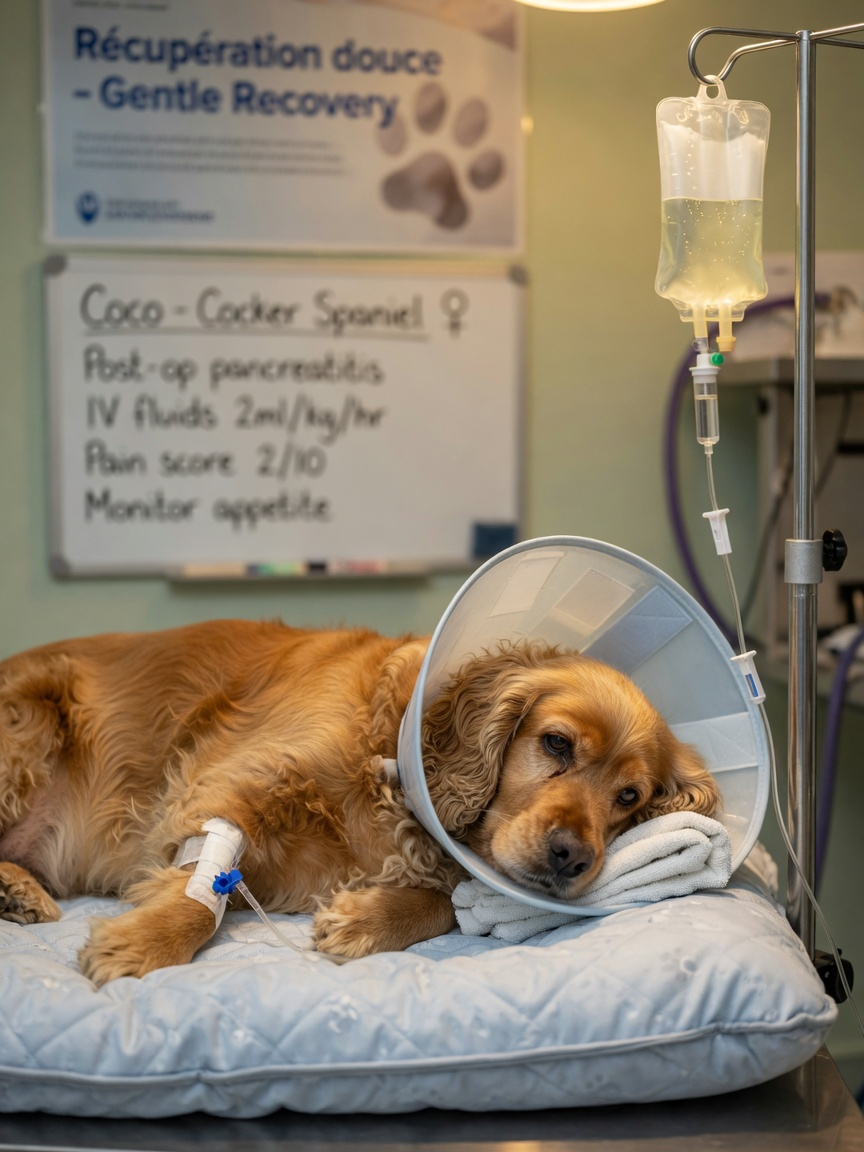
Pancreatitis — inflammation of the pancreas — is a serious and potentially life-threatening condition in dogs that can develop suddenly (acute) or persist over time (chronic). It is one of the most common causes of acute abdominal pain and vomiting in dogs presenting to veterinary practices across Europe. Understanding the causes, recognising the symptoms, and knowing how to support recovery are crucial for every dog owner.
What Is the Pancreas and What Does It Do?
The pancreas is a glandular organ located near the stomach and upper small intestine. It has two main functions:
- Exocrine function — producing digestive enzymes (including lipase, amylase, and proteases) that are secreted into the small intestine to break down fats, carbohydrates, and proteins
- Endocrine function — producing insulin and glucagon to regulate blood glucose levels
In pancreatitis, these digestive enzymes become activated prematurely — within the pancreas itself rather than in the intestine — causing the organ to begin digesting its own tissue. This self-destruction triggers severe local inflammation and can release inflammatory mediators into the bloodstream, causing systemic illness.
Causes and Risk Factors
The cause of pancreatitis in dogs is often not identified, but recognised risk factors include:
- High-fat diet or dietary indiscretion — eating fatty food, rubbish, or a fatty meal is the most common identifiable trigger; many cases occur around holidays when dogs are given rich food or access to waste
- Obesity — obese dogs have a significantly higher risk
- Certain medications — azathioprine, potassium bromide, and some antibiotics have been associated with pancreatitis in dogs
- Hyperlipidaemia — elevated blood lipid levels, particularly common in Miniature Schnauzers due to a genetic predisposition to hyperlipidaemia, significantly increase pancreatic risk
- Concurrent diseases — hypothyroidism, hyperadrenocorticism (Cushing's disease), and diabetes mellitus are associated with increased pancreatitis risk
Breeds at Higher Risk
While pancreatitis can occur in any breed, certain dogs are overrepresented:
- Miniature Schnauzer — by far the highest risk breed due to hereditary hyperlipidaemia
- Cocker Spaniel
- Yorkshire Terrier
- Poodle
- Middle-aged to older, overweight dogs of any breed
Symptoms of Acute Pancreatitis

Acute pancreatitis can range from mild to severe. Signs typically develop suddenly and may include:
- Vomiting — often repeated and persistent
- Severe abdominal pain — the dog may be reluctant to move, adopt a "prayer position" (forequarters lowered, hindquarters raised), or cry when the abdomen is touched
- Lethargy and depression
- Loss of appetite
- Diarrhoea
- Fever or abnormally low body temperature in severe cases
- Dehydration
Severe acute pancreatitis can cause systemic complications including disseminated intravascular coagulation (DIC), acute kidney injury, and respiratory failure. A dog showing signs of severe systemic illness — collapse, pale gums, profound weakness — requires emergency veterinary attention immediately.
Diagnosis
Diagnosis is based on clinical signs, blood tests, and imaging. The most specific blood test is the canine pancreatic lipase immunoreactivity (cPLI) test, marketed as Spec cPL. This test measures a pancreas-specific form of lipase and is significantly more accurate than traditional serum amylase and lipase measurements. A point-of-care snap test (SNAP cPL) is available in many veterinary practices for rapid in-clinic testing.
Blood tests may also reveal elevated liver enzymes, abnormalities in white blood cell counts, elevated blood glucose, and electrolyte disturbances. Abdominal ultrasound is the most useful imaging modality — it can visualise an oedematous, hypoechoic pancreas, peripancreatic fat saponification, and concurrent conditions such as bile duct obstruction or concurrent hepatic disease.
Treatment
Hospitalisation for Acute Cases
Moderate to severe acute pancreatitis typically requires hospitalisation for:
- Intravenous fluid therapy — to correct dehydration, support circulation, and provide electrolyte replacement
- Analgesia — pain management is essential; methadone, buprenorphine, or other opioids are standard
- Anti-emetics — maropitant (Cerenia), ondansetron, or metoclopramide to control vomiting and allow early nutritional support
- Nutritional support — early enteral nutrition (feeding via nasoesophageal tube if the dog is vomiting) is now recognised as beneficial in severe cases
- Antibiotics — only if bacterial infection (infected pancreatic necrosis) is suspected
Dietary Management During Recovery
A key principle of pancreatitis management is fat restriction. Fat is the primary stimulant of pancreatic enzyme secretion, so reducing dietary fat reduces the burden on the inflamed pancreas. During recovery, dogs should be offered small, frequent meals of an easily digestible, low-fat diet. Purpose-formulated low-fat gastrointestinal recovery diets are available at Zooplus, including options from Royal Canin, Hill's I/D Low Fat, and Purina EN.
Chronic Pancreatitis and Long-Term Management
Chronic pancreatitis causes smouldering, low-grade inflammation over months to years, producing less dramatic but persistent signs: intermittent vomiting, poor appetite, and weight loss. Long-term dietary fat restriction is the cornerstone of management. Dogs that have had one episode of acute pancreatitis have an elevated risk of recurrence, and lifelong low-fat feeding is strongly recommended.
In dogs with chronic pancreatitis secondary to hyperlipidaemia (particularly Miniature Schnauzers), management of the underlying lipid disorder with dietary modification and sometimes medication (gemfibrozil or fish oil supplementation) is important.
Prevention
Practical steps to reduce pancreatitis risk in your dog include keeping body weight in the ideal range, feeding a consistent, appropriate diet without high-fat additions, securing rubbish to prevent dietary indiscretion, and telling all family members and visitors not to feed fatty foods. Regular veterinary check-ups allow early detection of predisposing conditions such as hypothyroidism and hyperlipidaemia.