
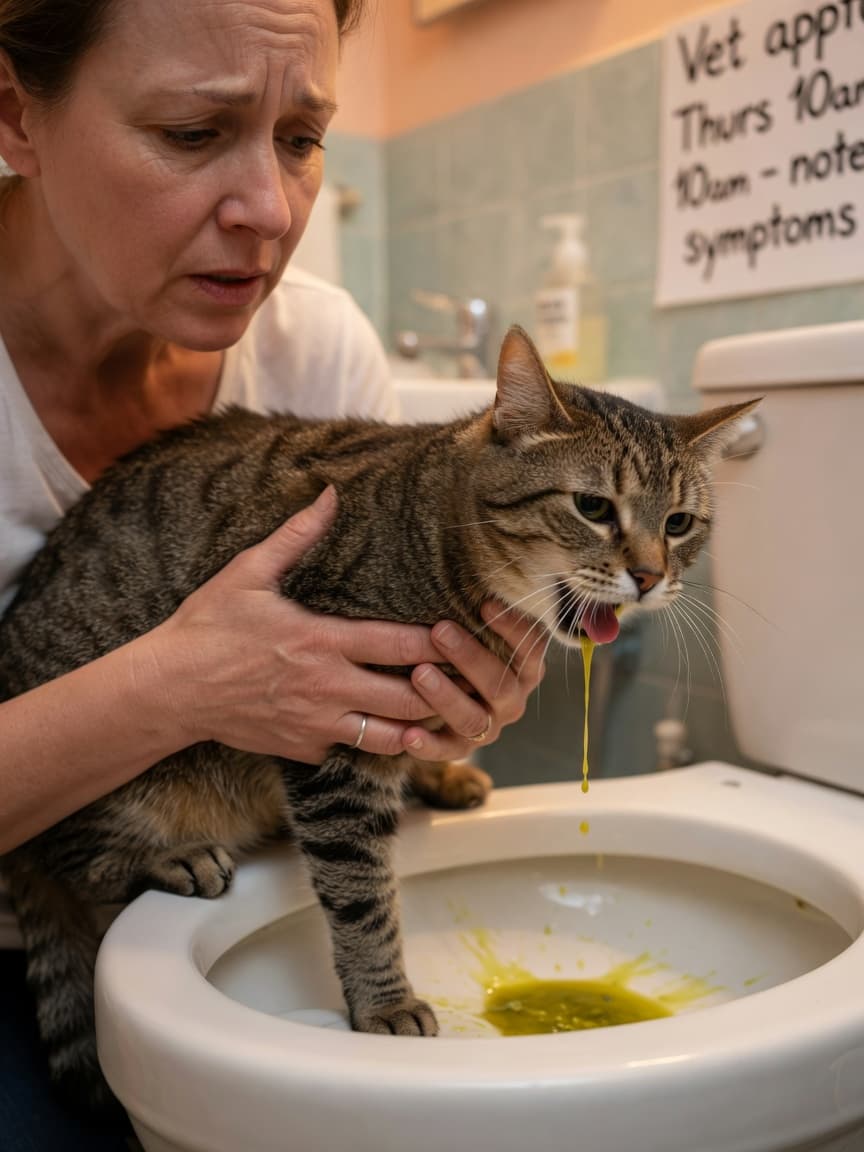
Finding your cat vomiting yellow liquid can be alarming, especially if it happens repeatedly. This symptom is more common than you might think, and whilst it's not always cause for panic, it does warrant your attention. Yellow vomit in cats typically indicates bile, which suggests something is disrupting your cat's digestive system. Understanding what causes this symptom and when to seek veterinary care can help you respond appropriately and keep your feline friend healthy.
What Does Yellow Vomit Actually Mean?
When your cat vomits yellow liquid, they're usually bringing up bile—a digestive fluid produced by the liver and stored in the gallbladder. Bile plays an essential role in breaking down fats during digestion. The presence of bile in vomit indicates that your cat's stomach is empty, and the stomach lining is irritated enough to trigger vomiting even without food present.
This is distinctly different from vomiting food or clear liquids, and it's your cat's way of telling you something needs attention.
Common Causes of Yellow Vomit in Cats
- Hunger or Empty Stomach: Cats fed once daily or with long gaps between meals are prone to bile vomiting. Their stomach acid irritates the empty stomach lining, triggering vomiting. This is particularly common in older cats or those with sensitive digestive systems.
- Hairballs: Cats groom themselves regularly and ingest hair. When hair accumulates in the stomach, it causes irritation and vomiting. Yellow liquid often accompanies hairball episodes.
- Dietary Sensitivities: Sudden food changes, fatty foods, or ingredients your cat's stomach cannot tolerate can trigger bile vomiting.
- Gastritis: Inflammation of the stomach lining from various causes—including stress, dietary indiscretion, or infections—leads to yellow vomit.
- Pancreatitis: This serious condition involves inflammation of the pancreas and frequently causes yellow vomiting, lethargy, and loss of appetite.
- Intestinal Blockage: Foreign objects or severe hairballs blocking the intestines prevent normal digestion and cause vomiting.
- Liver or Gallbladder Issues: Problems affecting bile production or flow can result in bile vomiting.
When Should You Contact Your Veterinarian?
Occasional yellow vomiting might resolve on its own, but certain situations require prompt veterinary attention:
- Vomiting occurs more than once per week consistently
- Your cat seems lethargic, has lost appetite, or shows behaviour changes
- The vomiting is accompanied by diarrhoea, weight loss, or abdominal pain
- Your cat has difficulty defecating or shows signs of constipation
- Vomiting starts suddenly in an older cat
- You suspect your cat has swallowed something inedible
Practical Steps You Can Take at Home
- Adjust Feeding Schedule: Offer smaller, more frequent meals (3-4 times daily) rather than one or two larger meals. This prevents an empty stomach and reduces bile irritation.
- Encourage Hydration: Ensure fresh water is available at all times. Some cats prefer running water from fountains.
- Reduce Stress: Environmental stress can trigger digestive issues. Provide a calm, stable environment with adequate hiding spaces.
- Manage Hairballs: Use a slicker brush several times weekly to remove loose hair. Ask your vet about appropriate hairball remedies.
- Review Diet: Introduce any food changes gradually over 7-10 days. Ensure your cat's food meets their nutritional needs.
- Monitor and Record: Keep notes about when vomiting occurs, what your cat ate, and any other symptoms. This information helps your vet identify patterns.
What Your Vet Will Likely Do
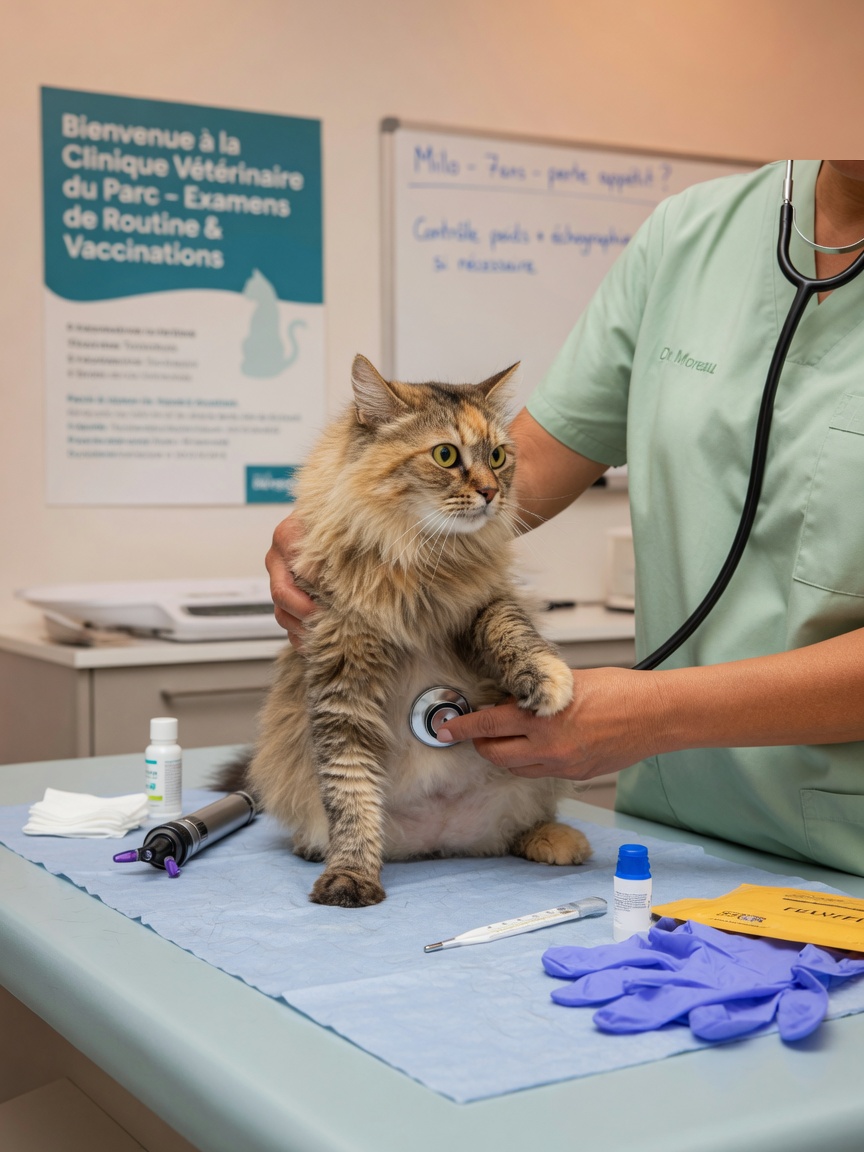
Your veterinarian will perform a physical examination and may recommend blood tests, urinalysis, or abdominal imaging (ultrasound or X-ray) to identify underlying causes. Treatment depends entirely on the diagnosis—ranging from dietary adjustments for simple cases to medications or surgery for serious conditions.
Key Takeaways
Yellow vomit in cats warrants investigation, though it's not always an emergency. Start by adjusting feeding frequency, managing hairballs, and monitoring symptoms closely. Keep veterinary appointments if vomiting persists or worsens, especially if accompanied by other concerning signs. Early intervention often prevents complications and helps restore your cat's digestive health and wellbeing.