
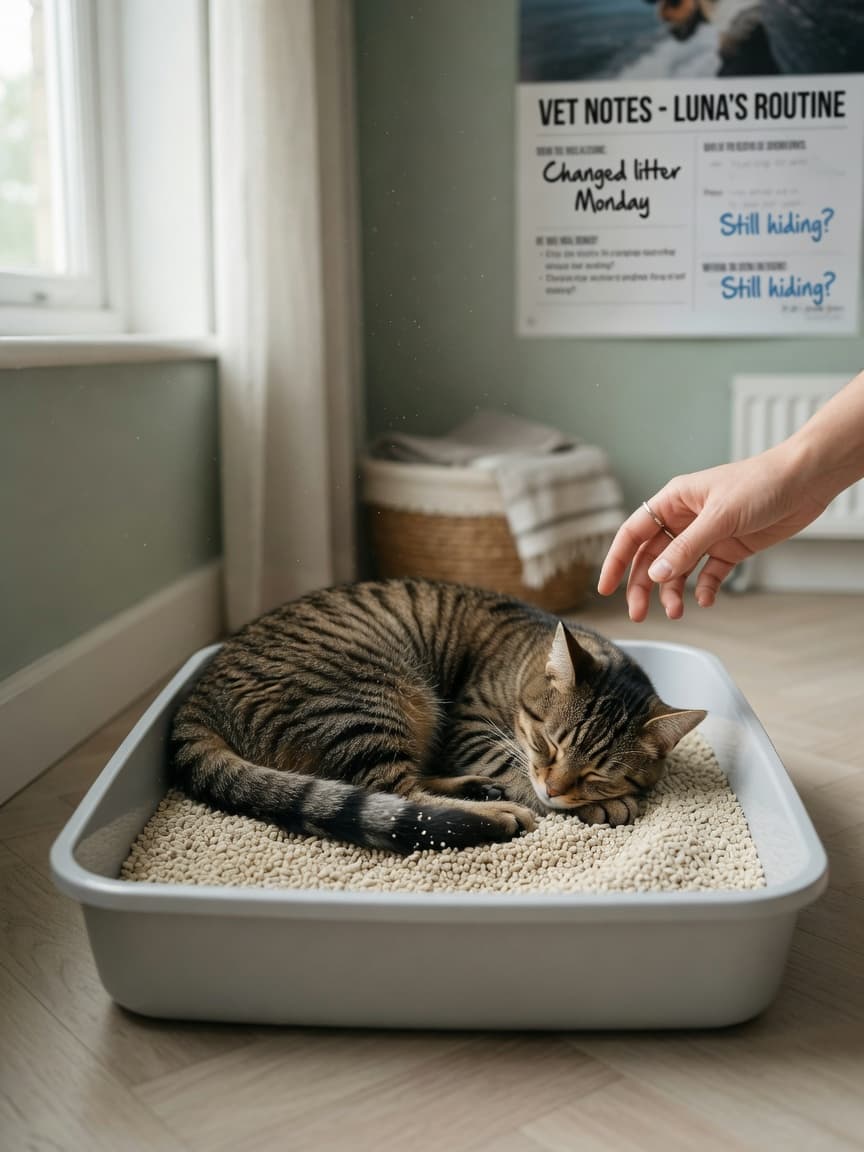
If you've noticed your cat curling up for a nap in their litter box, it's understandably concerning. This unusual behaviour might seem odd, but it's actually more common than you'd think, and it usually signals something important about your cat's physical health or emotional wellbeing. Understanding the reasons behind this behaviour is the first step towards helping your feline friend feel more comfortable and secure in their home.
Medical Issues That Cause Litter Box Sleeping
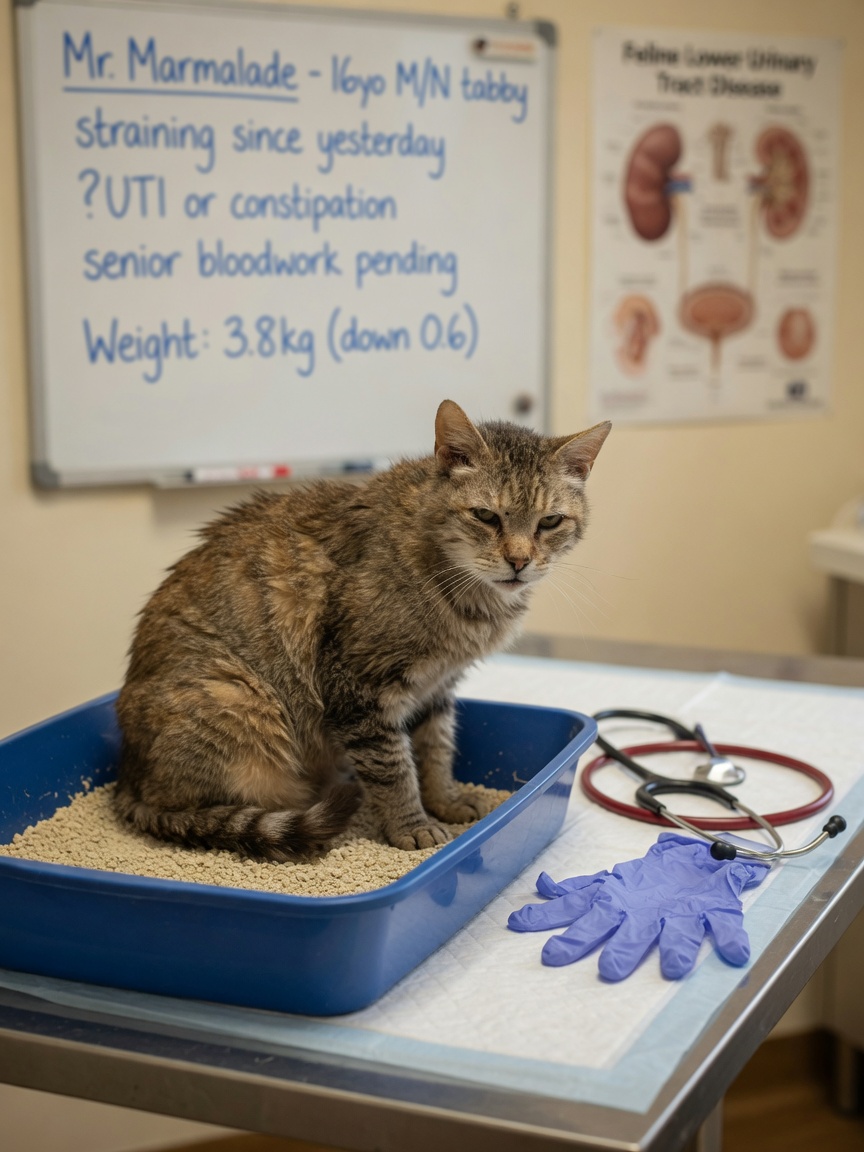
One of the most pressing reasons your cat may be sleeping in their litter box is an underlying health problem. Cats often exhibit behavioural changes when they're unwell, and seeking comfort in familiar, enclosed spaces is a natural instinct.
- Digestive issues: Conditions like inflammatory bowel disease, diarrhoea, or constipation cause cats to remain near their litter box for easy access. They may eventually sleep there out of exhaustion and comfort.
- Urinary problems: Cats with urinary tract infections, cystitis, or feline lower urinary tract disease (FLUTD) frequently visit the litter box and may rest there between visits.
- Pain or illness: Senior cats or those experiencing discomfort may retreat to the litter box as a safe, enclosed space where they feel protected.
- Hyperthyroidism: This common condition in older cats can cause restlessness and unusual behaviours, including litter box avoidance patterns that appear strange.
If your cat has recently started this behaviour, scheduling a veterinary check-up is essential. Your vet can perform necessary tests to rule out medical conditions.
Stress, Anxiety, and Environmental Factors
Beyond physical health, emotional wellbeing plays a crucial role. Cats are sensitive creatures, and changes in their environment can trigger anxiety-driven behaviours.
- Recent household changes (new pets, house guests, moving house)
- Loud noises or construction work
- Lack of safe spaces or hiding spots
- Conflict with other household pets
- Insufficient environmental enrichment
The litter box may represent a safe, familiar retreat for stressed cats. It's enclosed, smells like home, and offers a sense of control.
Litter Box Problems and Cleanliness Issues
Sometimes the litter box itself is the issue. Cats are notoriously particular about their toilet facilities, and poor litter box conditions might force your cat into an uncomfortable situation.
- Dirty or infrequently cleaned litter boxes
- Recent changes to litter brand or type
- Insufficient number of litter boxes (the general rule is one per cat, plus one extra)
- Boxes placed in noisy, high-traffic areas
- Covered litter boxes that feel confining
Ensure you're cleaning the litter box daily and providing fresh litter regularly. Cats may sleep there if they're hesitant to use it and are seeking proximity to it.
Age and Cognitive Changes
Senior cats, particularly those with feline cognitive dysfunction, may experience confusion about appropriate sleeping locations. Older cats also tend to seek out enclosed spaces for warmth and security, making the litter box an appealing spot.
What You Should Do Now
- Schedule a veterinary appointment: Rule out medical conditions first.
- Evaluate your litter box setup: Ensure boxes are clean, accessible, and placed in quiet locations.
- Provide alternative comfort spaces: Offer cat beds, hiding spots, and perches elsewhere in your home.
- Reduce stress triggers: Create a calm environment and maintain consistent routines.
- Monitor behaviour: Keep notes on when this behaviour occurs and any other changes you notice.
Key Takeaways
A cat sleeping in their litter box isn't something to ignore, but it's also not necessarily an emergency. Start with a veterinary consultation to rule out health issues, then focus on environmental improvements. Most cases resolve once the underlying cause—whether medical, emotional, or practical—is identified and addressed. Your cat is trying to tell you something; with patience and attention, you'll help them feel safe and comfortable again.